1995
Academy Awards (Oscars)
最佳外語片提名

Directed by 李安
最佳外語片提名

1:52:50 抽象,哈哈哈哈哈
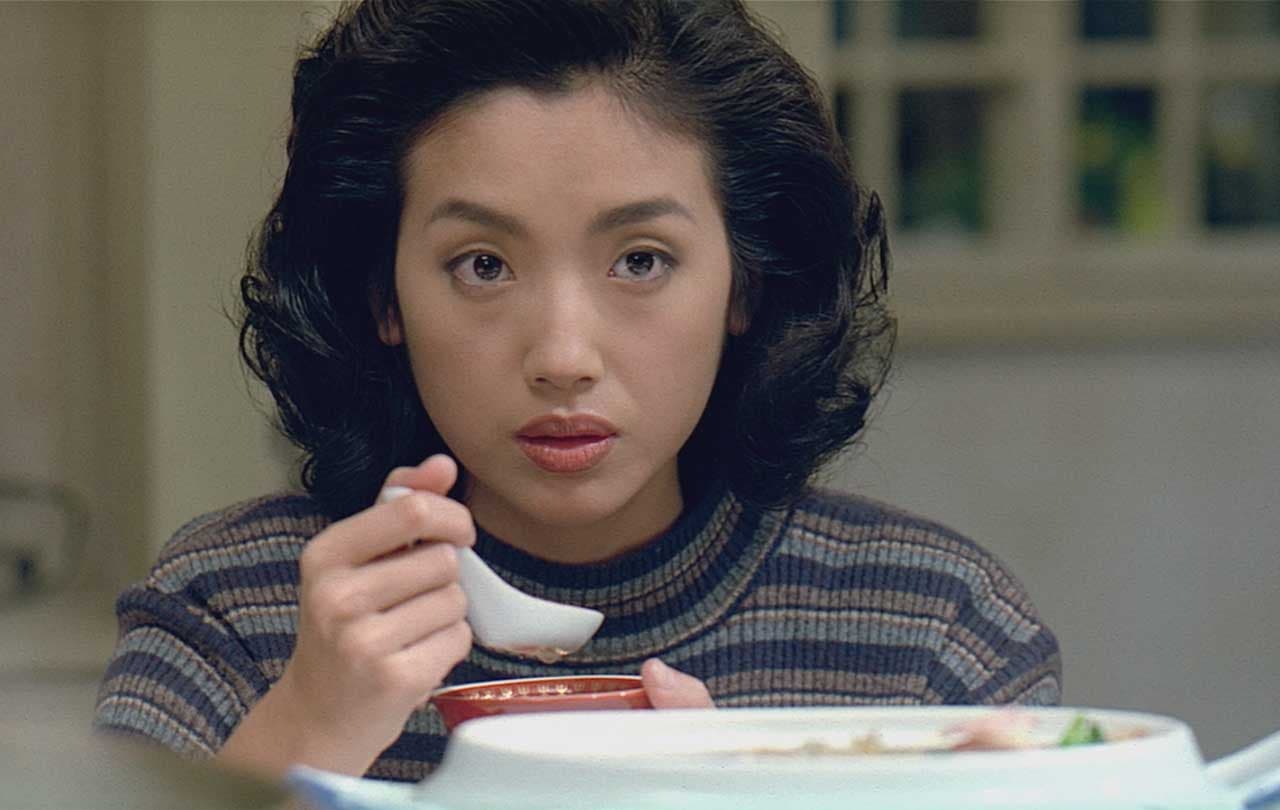
1:56:37 《飲食男女》講三個姐妹的愛情故事,也講她們父親的愛情故事。老朱和錦榮的愛情在片中給出諸多暗示,但兩人的年紀相差太大,觀眾很自然被劇本給帶著走,沒有想過這段老少戀的可能性。《飲食男女》觸碰到中老年人的情慾和性慾,老朱在影片前段失去了味覺,嚐不到味道,那是生活如死水的隱喻,直到他與錦榮一起生活後,味覺才恢復。電影最後一幕,家倩煮了豐盛的晚餐,兩個姊妹和錦榮都不克出席,僅有父親到場。老朱嚐了家倩的湯,發現自己又能嚐到味道,感動地握住女兒的手。一碗湯,是父女的和解,亦是父親祈求「妻子」(家倩的外貌跟母親一樣)的原諒,在妻子死後,他終於在另一段婚姻中找回曾經有過的快樂。
46:25 《飲食男女》中段,飾演梁伯母的歸亞蕾才出場,她一出場,電影的節奏瞬間活絡了過來。梁伯母這個角色很有意思,第一次出場時下著大雨,第一次拜訪朱家時也是雨不停,不知道是巧合或是李安導演的刻意安排,大雨像是在暗示梁伯母將會為朱家帶來一場豪雨,兩場大雨也像是梁伯母哭天喊地的淚水,原以為會跟老朱走在一塊,重啟人生第二春,沒想到女兒才剛辦完離婚,接著就準備跟老朱結婚,搶人搶輸女兒,能不哭嗎?
35:07 家寧跟兩個姊姊不太一樣,想到哪做到哪,年紀小,行動力強。家寧的朋友小芝芝是個看似大喇喇實則欠缺自信的女生,老是會想出一些「遊戲」來折磨男友國倫,例如故意晚下班,來測試國倫會不會等她,是不是夠真心。家寧對國倫感到抱歉,也對他有所好感。直線條的家寧想著,既然小芝芝「不愛」國倫,那麼她跟國倫談戀愛也就不是什麼大問題吧。 . 以前看《飲食男女》,覺得家寧的心思單純,愛就愛,不愛就不愛,幹嘛要把雙方都搞得如此疲憊?這次重溫卻會想著:家寧是真的單純?還是扮豬吃老虎?看看家寧與國倫的這段對話。 . 「愛情本來就是一種折磨,我知道啊,其實她(小芝芝)心裡面很愛我。」國倫 「可是她告訴我,她根本不愛你啊。」家寧 「她不愛我幹嘛花那麼大力氣折磨我?」 「這根本不是真的愛,你們兩個根本不了解對方,你們幾乎沒有講過幾句話,你告訴我,你們最近談話是什麼時候?你們有沒有談過你們的內心啊、感覺啊、人生啊?」 「記不得了,現在腦子一團漿糊。」 「我告訴你什麼是一團漿糊,真正的愛情是跟一個關心你的人在一起,這個人可以讓你表達內心的感受,在他身邊,你可以覺得自由自在地談任何事情。」 「那我現在覺得可以自由自在的在妳身邊談我的感受,那就是愛情?」 . 家寧「以為」小芝芝不愛國倫,才跟國倫越走越近,這會不會只是一個藉口?或許家寧很清楚知道小芝芝對國倫有著感情,但她必須裝作什麼都不懂,才能順理成章地把國倫搶過來(而且還讓自己懷上小孩),事後再用無辜的語氣對小芝芝說:「早知道這樣...我也不會...我以為你們...」愛情如戰場,不是妳死就是我活!
李安導演的《飲食男女》,對我來說,最大的問題在於台詞,當年看片覺得台詞好尬,現在重看還是覺得台詞有種違和感,單讀文字沒有問題,唸出來就是怪。電影當年在台灣的迴響不如《推手》或《喜宴》的熱烈,西方觀眾反倒很能接受這部作品,甚至獲得奧斯卡最佳外語片提名(如今的國際電影獎)。 . 《飲食男女》的對白問題可以跟李安導演的《推手》和《喜宴》做比較,前兩部片的故事背景都在美國,李安導演在美國生活很長一段時間,處理起中國或台灣人在美生活的衝突與挫折,相對地自然,加上故事背景與台灣觀眾有一點「距離」,觀賞《推手》和《喜宴》時,會有一種看「外片」的錯覺。反觀《飲食男女》的背景就在台北,語言的不夠貼近台北生活氣味,會被加倍地放大,也讓人更難進入狀況。 . 《飲食男女》能受到國外觀眾與影評人的歡迎,也許是外國觀眾對於影片台詞與演員口音的敏感度不及台灣觀眾,因此外國觀眾可以更專心地看「故事」,而不是一再被語言所干擾?此外,《飲食男女》的劇本故事概念突出,執行面做得出色(影片將美食拍得令人垂涎三尺),也讓電影更容易被西方觀眾所究受。 . 「飲食男女,人之大慾,不想也難。」 . 《飲食男女》將食的慾望跟性的慾望連結在一起。家珍是教徒,性(慾望)被壓抑著,令她感覺不痛快,成天哀怨家倩可以做自己,但她好像只能守著父親與老家一輩子。當家珍在職員室收到一封神秘情書時,慾望被挑了起來,促使她走出保護殼,開始觀察外在的世界。家珍的轉變是由內而外,心境開了,連穿著打扮也變得不同,坦然接受(擁抱)自己的「另一面(情慾)」。 . 家倩跟姊姊恰好相反:家珍守舊,家倩則是大方表現慾望,她可以跟前男友維持性關係,也能跟帥氣的新同事耍曖昧。家珍的守舊是一種自我保護機制(不想受傷,所以躲在信仰背後),家倩的外放其實也是一種保護機制,她很在乎父親對她的評價,言語中透露小時候對父親的崇拜,以及想要像父親一樣成為大廚的夢想,然而父親不想女兒走上跟自己相同的路,把女兒趕出廚房。家珍成天待在家裡,她的心卻時刻想要向外發展、家倩成天想著要搬離家獨立,但又默默想要尋求父親的認同(心是向著家庭)。因此家珍一逮到機會,立刻搬(逃)離老家。家倩則是在事業與父親之間(以為父親患有心臟病),選擇要留在父親(家)身邊。
電影不是把大家帶到黑暗裡,而是把大家帶過黑暗,在黑暗裡檢驗一遍,再回到陽光底下,你會明白該如何面對生活。—— 李安
名廚 MINGCHU【愛 × 食物 × 料理人】線上影展 透過電影,在想像的滋味裡感覺溫暖,空虛獲得滿足。 ▍影展線上看 ☞ https://bit.ly/3AffwRz ▍飲食男女|Eat Drink Man Woman 除了家庭故事,烹飪場景是《飲食男女》最不容忽視的亮點。老朱是圓山飯店的中菜大廚,每個切菜鏡頭下刀俐落,食材投入熱油後瞬間翻騰,炒鍋翻炒出的鑊氣彷彿穿過螢幕,這都要歸功於擔任料理替身的台灣廚神施建發。本片從中菜的繁工細作出發,看見一位傳統父親對女兒的關愛,最後也回到料理,從熟悉的調味裡感受被愛的感覺。
 【愛 × 食物 × 料理人:名廚 MINGCHU 線上影展】線上影展 - Giloo紀實影音|電影線上看
除了家庭故事,烹飪場景是《飲食男女》最不容忽視的亮點。老朱是圓山飯店的中菜大廚,每個切菜鏡頭下刀俐落,食材投入熱油後瞬間翻騰,炒鍋翻炒出的鑊氣彷彿穿過螢幕,這都要歸功於擔任料理替身的台灣廚神施建發。
電影總共出現 5 頓晚餐,餐桌上從 4 個人變成 9 個,最後僅剩 2 個人,家人紛紛有了新的情感歸處。從下廚者變成座上賓的老朱,也終於在料理中嚐到亡妻的手藝。
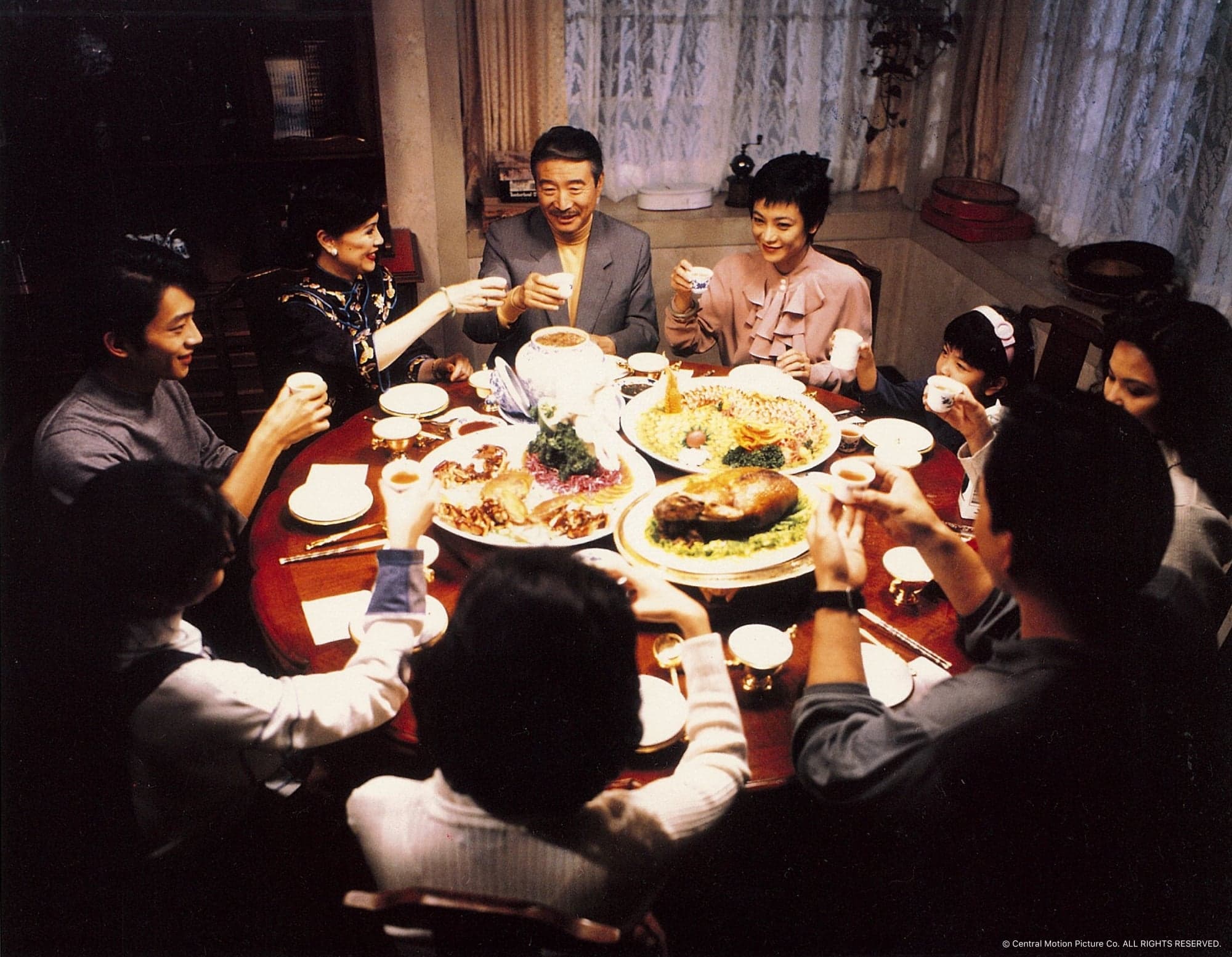
曾經認定《飲食男女》是「父親三部曲」中最容易入口但比較不深入的作品,雖有令人食指大動的中華美食奇觀,就情感面而論卻不似《推手》深沈感人,就內容面來看則未若《囍宴》討論同志傳宗接代議題而具有時代開創性。沒想到二十多年後重看「父親三部曲」,對於《飲食男女》的感覺,竟比前兩部曲更加澎湃洶湧。
For many, half of their family stories unfold at the dining table. Take Eat Drink Man Woman, where family storms brew and erupt between courses, or The Wedding Banquet, whose banquet scene captures what it means to live under “five thousand years of sexual repression.” The other half of those stories often lies beneath the table—hidden in secrets and silence. Like the cryptic relatives in The Walchensee Forever, or the adults in Yi Yi, each burdened with their own quiet thoughts. This Lunar New Year, after the family feast, gather once more—for a film. Let your family story play out on screen.
What’s your most unforgettable food memory? A fine dining experience with rituals and impeccable service? A family dinner full of casual conversations and shared dishes? Or a quiet afternoon alone with coffee and dessert? Food takes many forms. It leads us through moments both ordinary and profound. From the soil to the plate, every dish carries a story. In "Love × Food × Chefs", you’ll meet those who let crops grow at their own pace, those mad geniuses of the kitchen, and the ones who cook with slow-burning love and care. So come with an open heart—and appetite—and savor the stories simmering behind every dish.
.jpg&w=3840&q=75)
The masters of cinema have walked through the river of light and shadow, leaving behind traces that time cannot erase. Their reflections on film are already sealed within every frame they captured. Giloo presents a selection of restored classics from Taiwan—films that carry not only cinematic legacy, but also fragments of memory, identity, and land. Whether these works are part of your earliest film awakenings or a first encounter, they invite you to rediscover your connection to both self and home. Step aboard the reel, and journey back to the golden years—belonging to both Taiwan, and to cinema itself.
.jpg&w=3840&q=75)
In pursuit of happiness, we sometimes end up unhappy. Youth is always dazzling—and cruel. Family ties are always volatile—and tender. Yet it’s often only in the aftermath of youth that we begin to understand: happiness cannot be frozen in time. This sticky, sun-drenched summer, Giloo presents 11 masterworks on family and fleeting joy—beginning with Shunji Iwai’s All About Lily Chou-Chou and closing with Edward Yang’s Yi Yi. From Ang Lee’s Father Knows Best trilogy to Tsai Ming-liang’s Water Trilogy, with appearances by Hou Hsiao-hsien and Hirokazu Kore-eda along the way, each film explores the paradox of happiness, or perhaps the quiet truth that happiness—like memory—can never be held still.
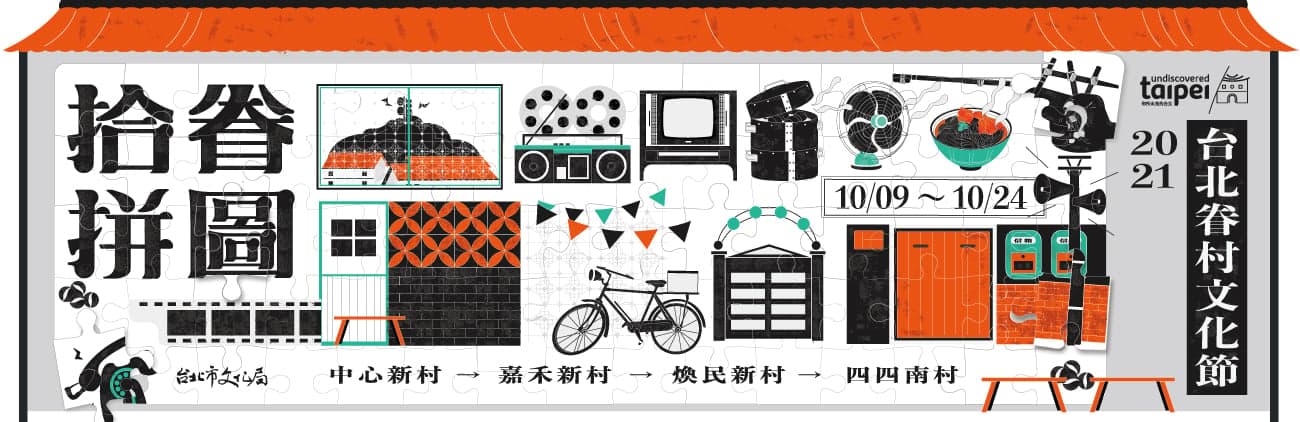
As time passes, generations of military dependents’ village residents have gradually moved away from the homes they once knew. Yet even after leaving, many have found personal ways to preserve and document the memories of the juàncūn—Taiwan’s unique military dependents’ villages. Among these methods, filmmaking stands out as a powerful act of memory—freezing time, bringing vanished buildings, objects, and moments vividly back to life. This year’s Taipei Military Dependents’ Village Cultural Festival: Online Film Showcase invites you to travel through time via the small screen, exploring the evolving faces and unseen stories of the juàncūn through film and documentary.