1997
Berlin International Film Festival
評審團特別獎銀熊獎|金熊獎提名

評審團特別獎銀熊獎|金熊獎提名

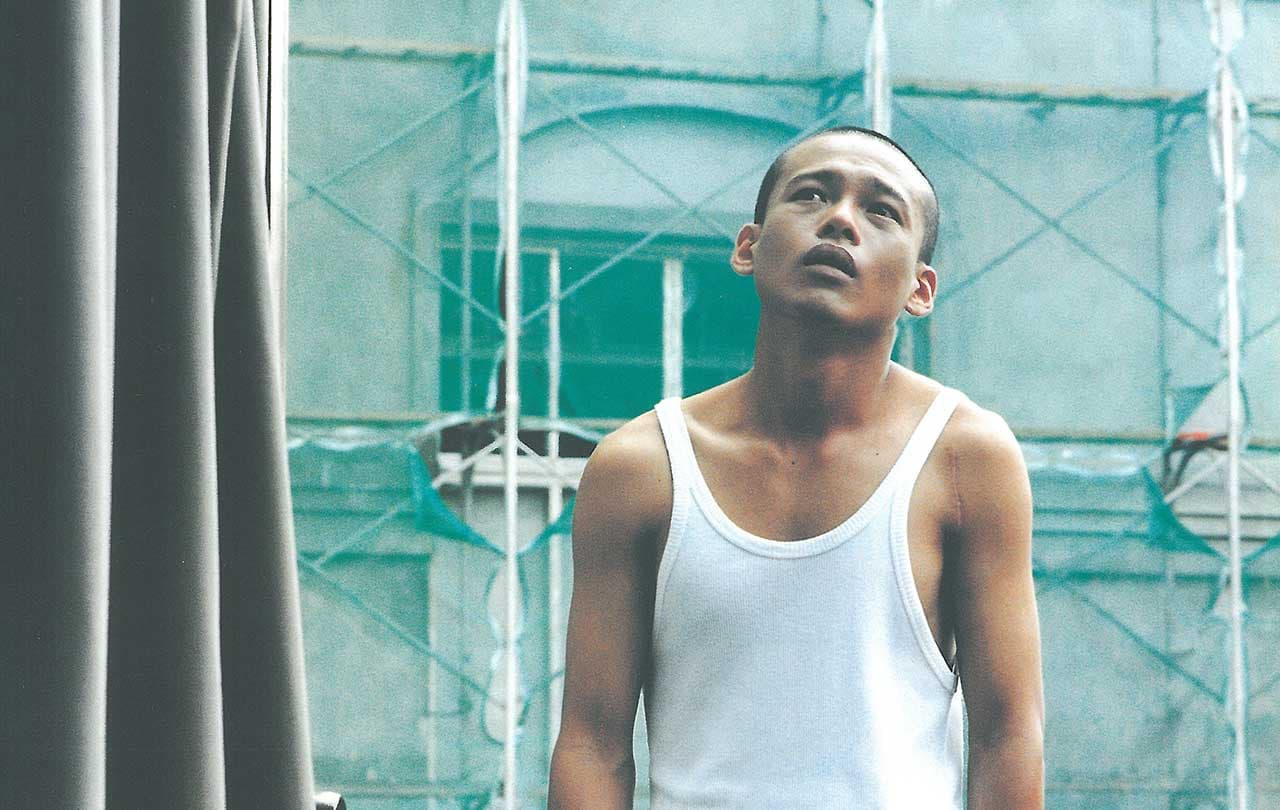
緩慢而細膩,看到導演想利用一個個長鏡頭 想傳達的故事。
《河流》(1997)以緩慢而沉靜的方式展現了角色在孤獨中的掙扎,蔡明亮用水的意象貫穿全片,從河流到管道,甚至滴落的水聲,都讓影片瀰漫著一種壓抑又無法逃脫的氛圍。 角色的行動看似隨機,卻隱藏著深層的情感張力。父親、母親與兒子之間微弱的交流,反映出一個家庭中難以名狀的隔閡與痛苦。這種情感並非直接表達,而是透過細節與留白讓觀眾自行體會,增添了影片的深度與餘韻。
《河流》(1997)是蔡明亮以孤獨、隔閡為主題的城市寓言,透過緩慢而細膩的鏡頭語言,描繪了一個家庭的情感破碎與生命的壓抑。水是影片中的核心隱喻,從雨水、河流到浴缸,它既象徵了生命的流動,又暗示了無法逃脫的負擔。角色們渴望連結,卻陷入更深的孤獨,這種矛盾張力構成了影片的情感基調。 家庭成員之間的互動極少,他們共享同一空間卻彷彿生活在平行世界,沉默中透露出無言的疏離。男主角頸部的疼痛貫穿始終,既是身體病痛的表現,也是情感壓抑的具象化,讓人不禁思索身體與靈魂之間的微妙對話。 同時,台北這座城市被蔡明亮以蒼涼的視角呈現,昏黃的燈光與斑駁的牆壁壓縮了角色的活動範圍,讓人感到壓抑與冷漠。城市成為角色情感的延伸,將個體孤獨與社會環境交織成一幅深刻的社會寓言畫卷。
在這部當年引起輿論爭議乃至金馬獎紛爭的傑作中,蔡明亮殫心竭慮精心打造的場面調度,尤其是水的轉形借喻,更是將家的崩解推向了萬劫不復的地步。小康之家在《河流》的陌異極端,已到了同住一屋簷的人形同陌路人。彼此不說話,事不關己。父親的房間天花板半夜漏水,由於找不到源頭無法根治,他只好透過草草拼湊的管子將水接引至屋外,暫緩將日益擴大的危機。 水之於蔡氏電影的至關重要,無不是由日常具象至異常抽象的生成。如果因吃喝拉撒睡而一再復現的液體影像(飲水、小解、汗水等)意味著人物自然不過的生理需求與反應,關於片中神秘地造成小康泡水後脖子生了怪病,乃至漏水之變奏的液態影像(從天花板滴水、將水導引至屋外、驟雨與積水釀成的災禍等)則非同小可。這不單指涉屋瓦解體,更含超越人倫的言外之意。 https://giloo.ist/zh-TW/readings/27a79947-22d2-45b2-8d7d-d0da700cb714
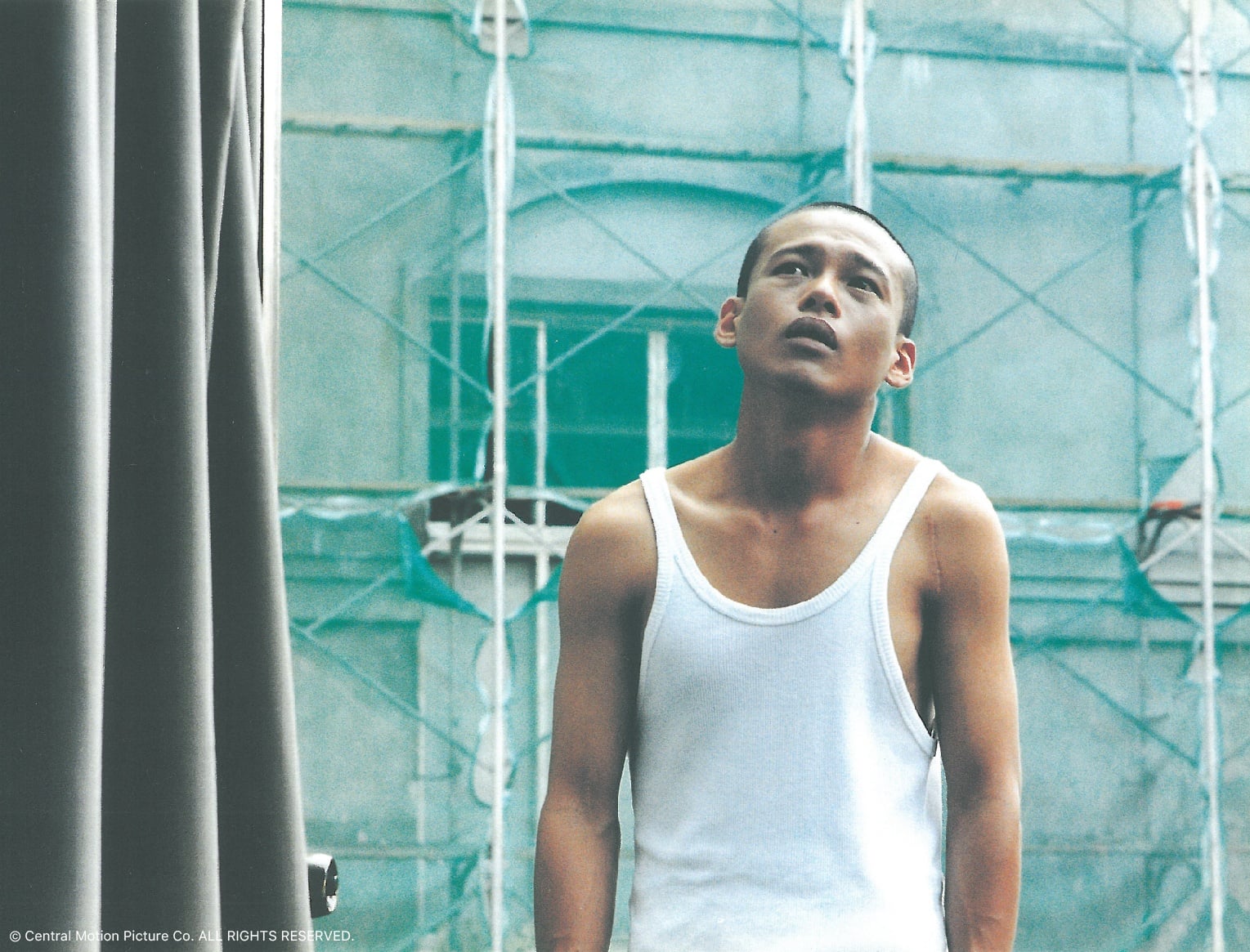 孫松榮/無家之屋: 由《青少年哪吒》至《河流》 | Giloo紀實影音
我記得最早看《河流》是在大學,而且原因蠻好笑,那陣子一直聽張雨生的歌,非常非常喜歡〈河〉這首歌,我不斷反覆唱、想它的歌詞意思,看張雨生的訪談影片,他說他喜歡看台灣新浪潮電影,我就想有沒有可能會影響他創作?我就去找有沒有差不多時間的新浪潮電影,就在學校的圖書館找到《河流》。 第一次看到很衝擊,不止是同性之間的性,同時也是父親和兒子的雙重衝擊,印象讓我太深刻,但在小康整個轉折過程裡面,又感受到一種現代文明的抽離和孤獨,同時又充滿著慾望。 如果單純看張雨生〈河〉的歌詞拿來描寫《河流》其實我覺得並不違和,但我後來覺得不是啦,張雨生應該不是受《河流》影響寫出〈河〉,畢竟他們作品發表的時間都是1997年,時間也太近了。但猜想畢竟只是猜想。
【封面人物】 插畫家/漫畫家 高妍 線上策展 ❝ 以個人經驗為出發的私小說性質漫畫創作者而言,在閱讀他人的故事時,我總是會試圖去尋找敘事者在故事裡的足跡。大從一個故事的核心或是事件,小從一個人的個性或是怪僻——那些細微末節,都可能是出自於一個細膩之人對於世界的長期觀察與累積。 ❞ —— 漫畫家 Gao Yan 高 妍 ▍插畫家/漫畫家 高妍 線上策展 ▍【包上「電影」糖衣的「紀錄片」】 ▍前往線上影展 ☞ https://bit.ly/3ixNfyV ▍專訪文章 ☞ https://bit.ly/3CBIHP7 ▍專訪 Podcast ☞ http://bit.ly/3YFxAxU
 Giloo紀實影音/12月焦點人物|高妍:作品在誕生瞬間,就不屬於我 | Giloo紀實影音
《河流》是同性情慾的爆發。蔡明亮這次不僅在銀幕展現臺灣同志的性社交場所:三溫暖,更挑戰瓦解人倫道德,讓父子於幽暗空間愛撫亂倫。蔡明亮打破臺灣銀幕異性戀長期獨佔的情慾展演,更重要的是,他利用鏡位與打光顯現男性肉體肌膚的美麗觸感。蔡明亮企圖拍攝出「男性情慾的美感」,要讓銀幕前觀眾能夠百分百感受。 儘管蔡明亮在臺灣同志運動初期拍出精采絕倫的作品,部分同志運動者卻不領情。香港同志影展創辦人林奕華就曾批評:「同性戀,真的必要麼?還是只為貪一點鋒芒?」他批評蔡明亮將同志置於陰暗三溫暖、骯髒公廁,沒有替同志發生爭取正面曝光。蔡明亮聽聞亦反擊金馬影展引進林奕華的同志電影專題:「把它搞成流行甚至某種情調,我認為有點譁眾取寵。」 蔡明亮否認作品是同志電影亦惹火同運人士,但亦有其他意見,臺灣大學特聘教授張小虹就曾撰寫專文〈怪胎家庭羅曼史:《河流》中的慾望場景〉,利用酷兒論點肯認蔡明亮的作品。
蔡明亮時常利用封閉、狹隘的空間發展電影作品,內景框限住主角身體心靈的封閉空間,外景聚集著孤寂現代人的城市空間,這也是蔡明亮「臺北三部曲」的重要母題。在《河流》的結尾處,當小康打開房門,離開三溫暖、旅館房間的密閉與陰暗,帶著病體擁抱外頭的天光,明亮、無聲的註解就像是給予邊緣族群一個溫暖誠摯的祝福。
《河流》後半部小康與父親(苗天飾演)一同踏上求神問診的旅程,從中式的推拿、按摩、指壓,到西式的打針、精神療法,以及民間信仰的求神問卜,反映出臺灣人在面對疾病時多元的思考。病體晃遊與尋求解藥的過程也能在蔡明亮最新長片《日子》(2020)中有所延續,兩部作品相當值得對照觀看。
漫畫家/插畫家高妍創作的長篇漫畫作品《綠之歌 -收集群風-》,近日入選了日本寶島社2023年度《這本漫畫真厲害!》票選「男性篇」的第9名,成為首位登上排行榜的台灣漫畫家。這本描寫台灣少女在接觸音樂與文學的大學生活中,一邊感受戀愛悸動、一邊慢慢成長過程的作品,引用了《一一》、《青春電幻物語》等台日經典電影元素。趁著年底大選,Giloo紀實影音邀請到目前旅居日本、快閃返台投票的高妍參與全新節目「Giloo Podcast」,與我們分享她喜愛的電影,以及這些養分如何長成創作時的無數靈動瞬間。
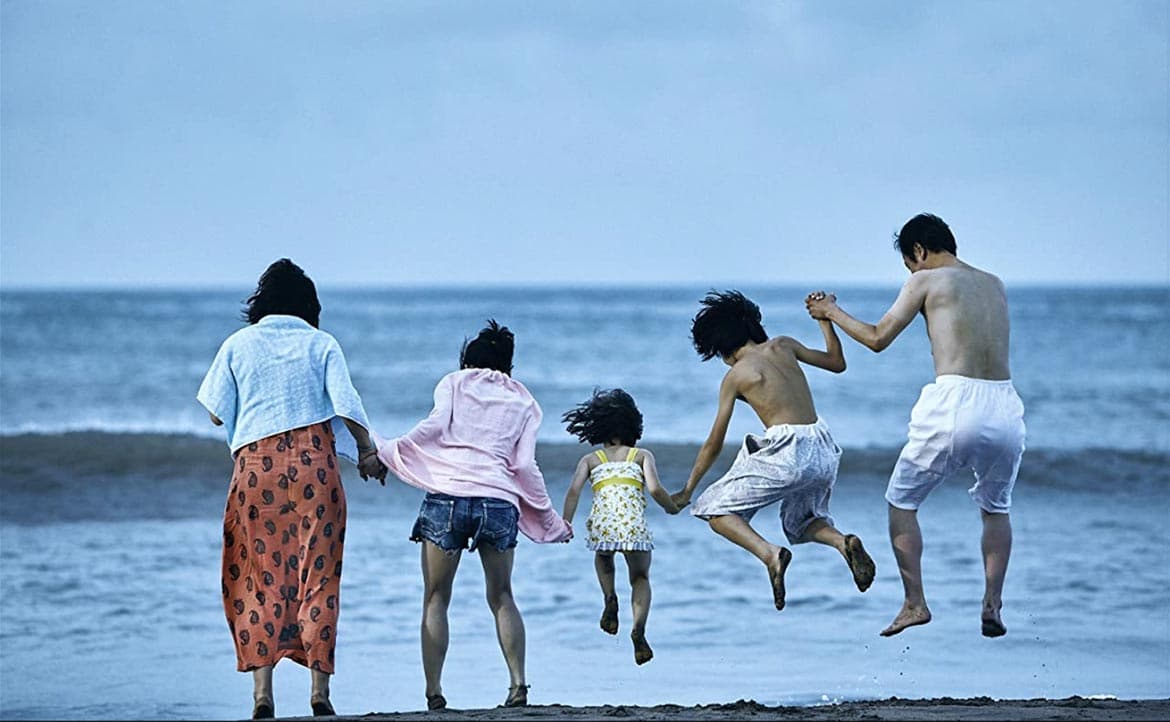
自己選擇的羈絆,會重於先天的血濃於水嗎?構成家庭的不總是血緣,有時是相處的時光,加上愛、回憶、失去、原諒,才能串起緣分。Giloo著眼八部「非典型家庭」電影,帶領觀眾一窺異色家族,探索無人知曉的家族幸福論,或者說,幸福悖論。
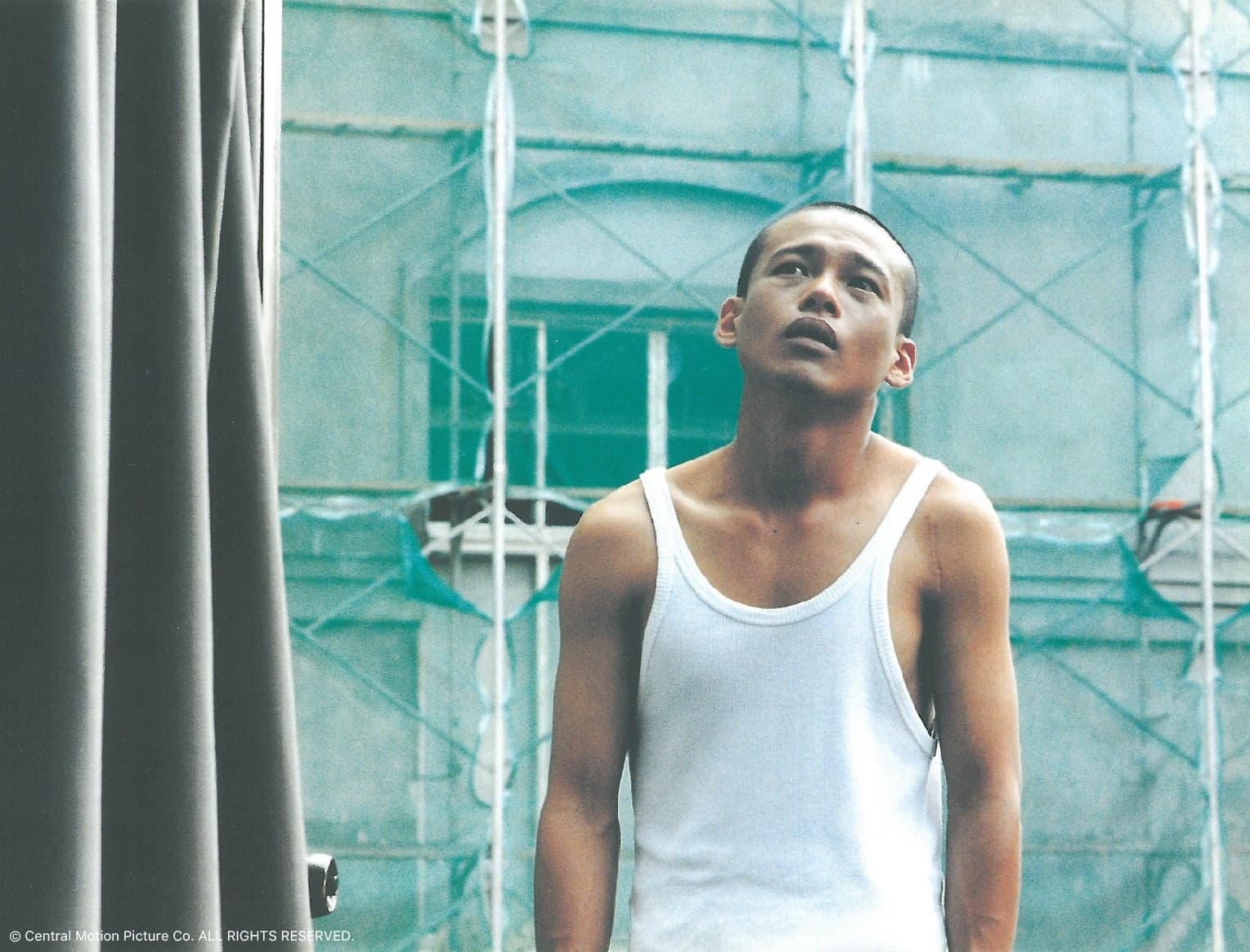
作為蔡明亮電影世界的原型,處女作《青少年哪吒》對於小康之家的塑造,非比尋常。老夫少妻的雙親來自不同省籍與歷史文化的婚姻結合,孕育了李康生——這位蔡明亮電影永遠的繆思——格外與眾不同的體質與稟氣。
Ming-liang Tsai is often regarded by scholars and critics as a key figure in the tradition of slow cinema. His characters are frequently silent or reserved, and he is known for using long takes to observe them in stillness. Through the passage of real time, Tsai explores the subtle emotional responses of his characters, allowing their inner worlds to unfold in silence and space.
.jpg&w=3840&q=75)
The masters of cinema have walked through the river of light and shadow, leaving behind traces that time cannot erase. Their reflections on film are already sealed within every frame they captured. Giloo presents a selection of restored classics from Taiwan—films that carry not only cinematic legacy, but also fragments of memory, identity, and land. Whether these works are part of your earliest film awakenings or a first encounter, they invite you to rediscover your connection to both self and home. Step aboard the reel, and journey back to the golden years—belonging to both Taiwan, and to cinema itself.

This is a labyrinth of underground caves—each one distinct in style, each both a hidden space and a form of revelation. In The River, the cave takes the shape of secret doors—behind each, encounters that are either redemptive or forbidden. In The Act of Killing, the entrance is brutally exposed: a body split open, revealing cruelty with no filter. Before the Dawn offers a cave of mazes—guided by clear narration, and yet, we fall into a thick fog of disoriented images. A Morning in Taipei is a time-traveling cave—Lim Giong’s soundtrack transforms the past into a self-contained cosmos, where even fleeting moments feel eerily contemporary. Marina Abramović in Brazil leads us inward—to the cave within. Through extreme rituals and faith-fueled intensity, she seeks peace, confronting energies too blinding to look at directly.
As a comic artist whose work takes root in personal experience and carries the qualities of a novel, I often find myself searching for traces of the narrator within other people’s stories. No matter the genre, the people, events, and objects that appear in a story are never entirely “fictional.” From the central plot or a pivotal incident, to something as subtle as a character’s temperament or quirks—these nuances often stem from the long-term observation and quiet accumulation of a sensitive soul. In this light, film is, in many ways, a series of sugar-coated documentaries. They’ve been made sweet and easy to digest—but if you truly chew on them, you’ll come to realize: beneath that coating lies a core made up of the very life that unfolds around us, every single day.
.jpg&w=3840&q=75)
In pursuit of happiness, we sometimes end up unhappy. Youth is always dazzling—and cruel. Family ties are always volatile—and tender. Yet it’s often only in the aftermath of youth that we begin to understand: happiness cannot be frozen in time. This sticky, sun-drenched summer, Giloo presents 11 masterworks on family and fleeting joy—beginning with Shunji Iwai’s All About Lily Chou-Chou and closing with Edward Yang’s Yi Yi. From Ang Lee’s Father Knows Best trilogy to Tsai Ming-liang’s Water Trilogy, with appearances by Hou Hsiao-hsien and Hirokazu Kore-eda along the way, each film explores the paradox of happiness, or perhaps the quiet truth that happiness—like memory—can never be held still.
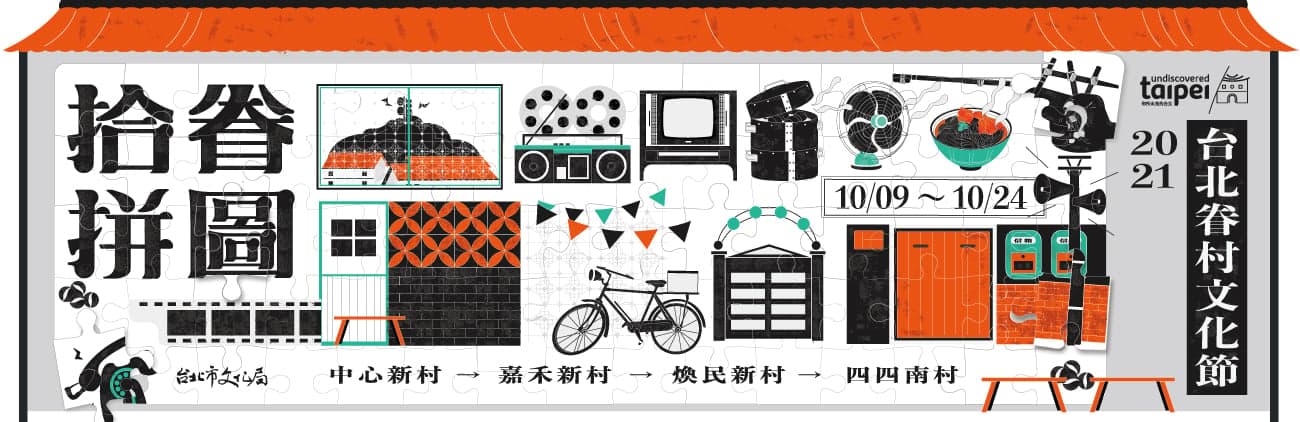
As time passes, generations of military dependents’ village residents have gradually moved away from the homes they once knew. Yet even after leaving, many have found personal ways to preserve and document the memories of the juàncūn—Taiwan’s unique military dependents’ villages. Among these methods, filmmaking stands out as a powerful act of memory—freezing time, bringing vanished buildings, objects, and moments vividly back to life. This year’s Taipei Military Dependents’ Village Cultural Festival: Online Film Showcase invites you to travel through time via the small screen, exploring the evolving faces and unseen stories of the juàncūn through film and documentary.
I remember the summer break of my sophomore year—because I took over organizing our department’s cinema festival, I decided to stay in the school dorm all summer, immersing myself in a personal, sensory journey of film appreciation. One afternoon in the campus library, I randomly picked up Tsai Ming-liang’s The River. To my surprise, it quietly and calmly depicted the atypical family experiences I had kept buried deep inside. That film stayed with me—a teenager full of anxiety about life, unsure whether I could truly take responsibility for myself—through those idle, languid summer days. Back then, there was no fiber-optic internet, no AI-powered smartphones. Just light and shadow, casting a humorous yet absurd gaze upon the hardships of reality. So here I am, recommending this film—let yourself sink into the dreamscape of its story, and let it echo the realism of our own lives.