2000
Cannes Film Festival
最佳導演獎|金棕櫚獎提名

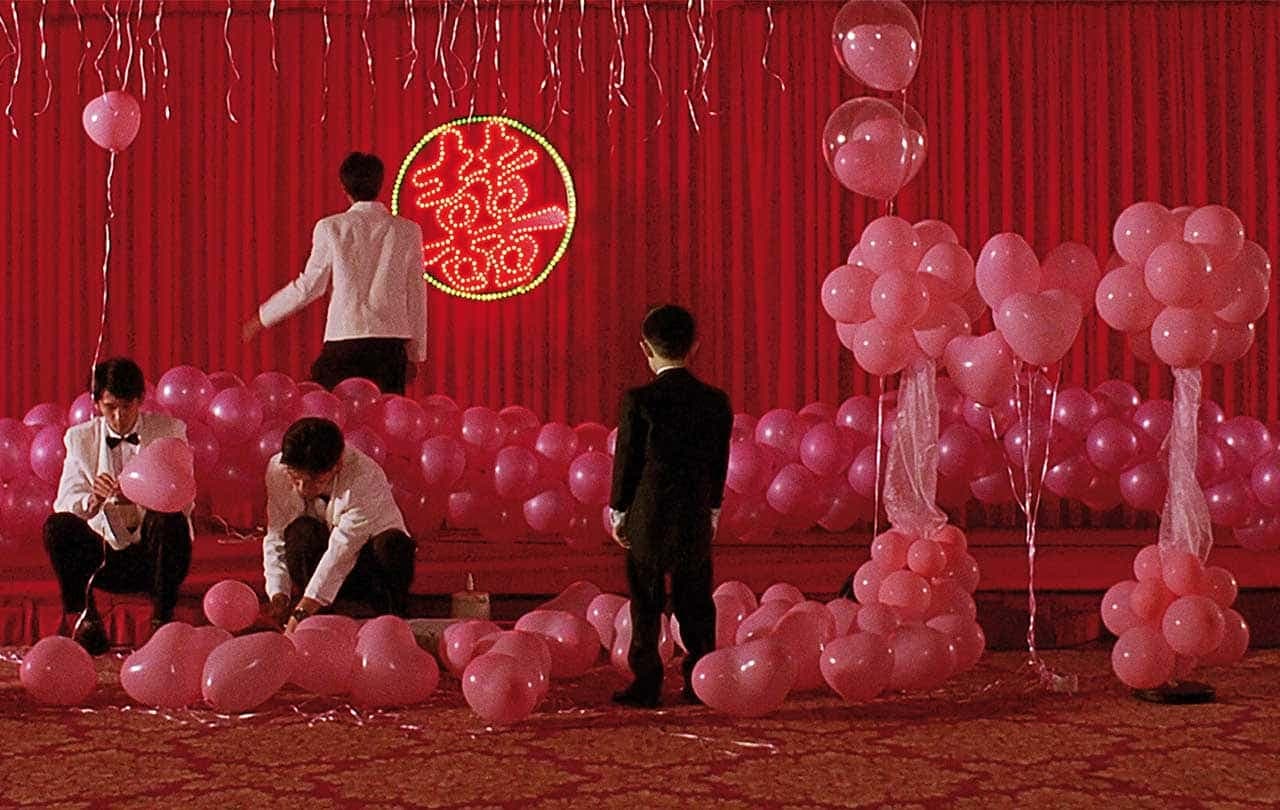
Directed by 楊德昌
最佳導演獎|金棕櫚獎提名

楊德昌的群像美學是無法超越的經典 做為一個都市文青來說,一一的影響可說是巨大,難以用言語說明的,從青梅竹馬到一一,我想楊德昌對於80年代的台北,後到了90年末的台北,敘述的年份幅度擴大了,想敘述的主題變廣了,不變的是扎實的敘事功力,以及人物互動把控的優秀能力 片中時間線只有一條,沒有過去,沒有未來,只有現在,卻將敘述角色劃分了三個階層,8歲的洋洋代表著童稚,16歲的婷婷代表著青春,以及中年人簡南峻(NJ),使用了這三名角色敘述童年的懵懂,年少的青澀,中年的掙扎,初觀一一時,會認為他講了一段日常至極的故事,而非一段人生經歷,複觀一一時,則認為他想敘述的是一段生老病死的常態,三觀一一時,認為他是一部"如何生活"的電影,每段時期的自我與一一的碰撞都會是一段很好玩的旅程。 筆者認為青梅竹馬與一一有著同樣的命題,都在敘述著同一件命題:都市人的孤寂與寂寥,曾有人云:生而為人,人本來就是孤寂的,都市人的孤寂在都市下顯得更巨大,大城市人多,口雜,但楊德昌卻用了群像這個子題展現了孤獨,或許,這就是活在都市的水泥叢林的我們,一生都難以突破的子題
就像人類只能看到月亮的某一面一樣,沒有其他工具的輔助,任何人都不可能直接看到自己的後腦勺。自從看過《一一》之後,總是忍不住向洋洋一樣,試著著眼於那些別人忽略或無法看見的地方。
第二次觀賞《一一》時是和母親一起,母親明顯並不能適應如此緩慢的電腦節奏,我也開始對部分台詞的拗口、文青感開始感到尷尬。我認為刻畫得不夠精緻的,可能是大田這個角色,他完全不像是一個來台做生意的商人,而像一個傳教士。他的存在仿佛就是為了給予啟發,但那些啟發卻過於直接地透過台詞講述,因而流於說教了。
第一次觀賞《一一》時,被兩世代交疊的中年/青春悵惘深深打動——當NJ和年輕時的情人共遊東京,女兒和建中男友遊蕩於台北街頭,時間的線性在此被折疊,因而重複了起來。然後看到洋洋在教室裡,一幫小學生用稚嫩的嗓音反覆唸誦著生字的注音符號。真的太哀傷了,仿佛我們耗盡了一切心力,行過一切繁文縟節的成長歷程,最後也只是成為了NJ、成為了胖子。
50:36 為什麼我們都害怕「第一次」?每一天都是第一次,每個早晨都是新的,同一天不可能重複過兩次,每天早晨,我們也從來不會不敢起床,為什麼?——《一一》
每每欣賞楊德昌的電影,總被他的影像美學吸引,先是讚嘆、然後感動,那些年來不及趕上的台北,在導演的鏡頭捕捉下,留下永恆的瞬間。在觀看一一的過程,導演在處理現代都會裡人性幽微的狀態,例如:成年人各種的身不由己、無奈,青春期的各種壓抑與煩惱,以及幼年的純真與率性,透過他深刻且細膩的鏡頭語言,書寫了那些美麗與哀愁。藉由這部電影,也許我們都可以找到那一點曾經(或是過去)的自己。
楊德昌非常喜歡、擅長揭開表象上的內裏,他能抓到台灣人無所適從的猶疑,這些猶疑分分秒秒出現在台灣各個族群裡面,守著價值觀的台灣人,只是為了說服自己的前半生並非徒勞。 背對與正面的洋洋真的是想著同一件事情嗎?楊德昌提出提問,帶著我們去思考。
楊德昌如同社會時代的醫生,他找到這個世代中大家共同須面對、但不敢面對的問題,並以電影陳述、醫治。 他的影片是解藥,但良藥苦口,真正敢面對的人不多,如果你敢點開影片細細品嚐,相信會是讓你有勇氣面對人生的第一步。
楊德昌憑一部電影,將現代的都市社會微縮。其複雜性使觀眾看完無法直接丟出一個核心命題,其疏離冷清的筆法卻充斥在每個場景、每個角落,即便熱鬧也只是空歡騰。每個獨自的「一」,好似盲目生活著又好似孤獨清醒著,在芸芸眾生之中面臨必然的切割、疏遠。
漫畫家/插畫家高妍創作的長篇漫畫作品《綠之歌 -收集群風-》,近日入選了日本寶島社2023年度《這本漫畫真厲害!》票選「男性篇」的第9名,成為首位登上排行榜的台灣漫畫家。這本描寫台灣少女在接觸音樂與文學的大學生活中,一邊感受戀愛悸動、一邊慢慢成長過程的作品,引用了《一一》、《青春電幻物語》等台日經典電影元素。趁著年底大選,Giloo紀實影音邀請到目前旅居日本、快閃返台投票的高妍參與全新節目「Giloo Podcast」,與我們分享她喜愛的電影,以及這些養分如何長成創作時的無數靈動瞬間。
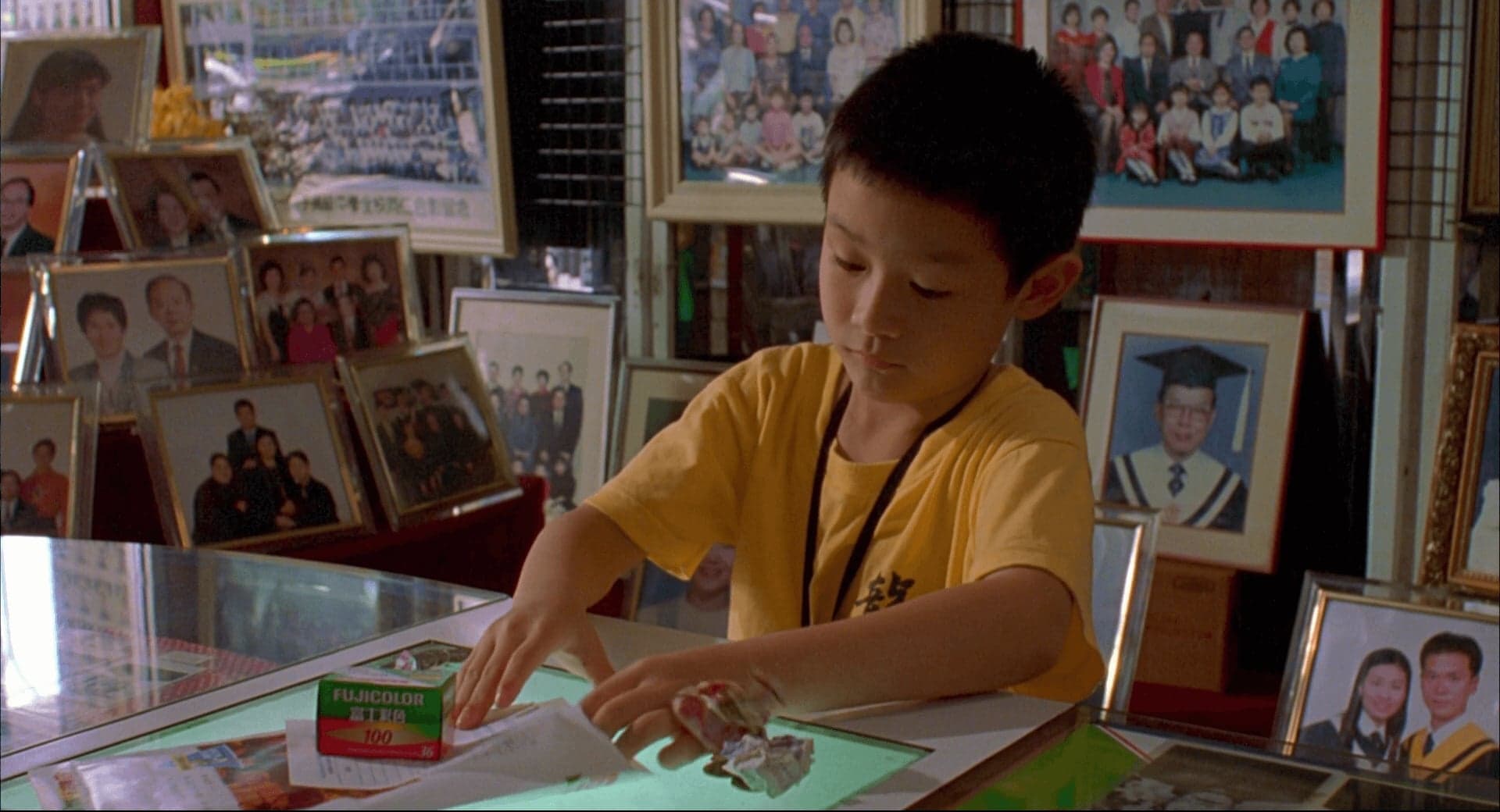
我十幾歲時初次看《一一》這部電影,那時對台灣新浪潮電影或是楊德昌導演的地位一無所知,只是對創作有了模糊的憧憬,正四處尋覓著所謂「經典」,來校對、摸索自己的品味。雖然在我觀看時,《一一》已是十年前的作品,但我仍在其中感受到極為切身的當代性,那感受之強,讓我在螢幕面前屏息,有種全身毛細孔都被打開的震撼,從未有人如此嚴肅地講述關於「我」的故事。
Trying to become the ideal adult, only to realize that no matter your age, the fear of the unknown never truly fades? With limited life experience, we struggle to survive in an ever-changing world. We become parents, yet still carry the weight of our own upbringing. Here are five soul-nourishing cinematic “coming-of-age remedies” to help you rediscover your original self and strength—bring along your inner child and taste the essence of growth: Yi Yi, a Taiwanese New Wave masterpiece, reflects the quiet milestones of growing up. When dreams fall apart, All About Lily Chou-Chou captures the angst of disillusioned youth. Lost your way? Get gloriously drunk with Another Round, the Oscar-winning Danish hit. Feeling bound by your roots? Draw rebellious inspiration from Afghanistan’s maverick filmmaker in Nothingwood. And if loneliness creeps in, turn to the extraordinary lives of creators like Cheng Wen, Steve Jobs, Yayoi Kusama, and Agnès Varda. Sometimes, growing up isn’t about letting go of your inner child—but learning how to walk with them.
Compared to his contemporaries, Edward Yang was more evidently influenced by European auteurs. His films are often set in contemporary Taipei, characterized by sharp, articulate dialogue and scenarios that reflect a distinctly urban sensibility and a strong sense of modernist aesthetics.
For many, half of their family stories unfold at the dining table. Take Eat Drink Man Woman, where family storms brew and erupt between courses, or The Wedding Banquet, whose banquet scene captures what it means to live under “five thousand years of sexual repression.” The other half of those stories often lies beneath the table—hidden in secrets and silence. Like the cryptic relatives in The Walchensee Forever, or the adults in Yi Yi, each burdened with their own quiet thoughts. This Lunar New Year, after the family feast, gather once more—for a film. Let your family story play out on screen.
.jpg&w=3840&q=75)
The masters of cinema have walked through the river of light and shadow, leaving behind traces that time cannot erase. Their reflections on film are already sealed within every frame they captured. Giloo presents a selection of restored classics from Taiwan—films that carry not only cinematic legacy, but also fragments of memory, identity, and land. Whether these works are part of your earliest film awakenings or a first encounter, they invite you to rediscover your connection to both self and home. Step aboard the reel, and journey back to the golden years—belonging to both Taiwan, and to cinema itself.
The Future Makers Selection 2022 is now underway. We spoke to the jury about their vision of a “Future Maker”: Is it the kind of talent the world urgently needs? A bold change-maker? Or perhaps someone like Top Gun’s Maverick—fearless, unconventional, and unapologetically themselves? Every year, we search for emerging voices across Taiwan—young individuals who are reshaping what “success” means through their actions. If you're still searching for what a future leader might look like, the jurors have recommended a few films to broaden your horizons. May these stories inspire your youthful heart—and give you the courage to step into the vast world ahead.
.jpg&w=3840&q=75)
In pursuit of happiness, we sometimes end up unhappy. Youth is always dazzling—and cruel. Family ties are always volatile—and tender. Yet it’s often only in the aftermath of youth that we begin to understand: happiness cannot be frozen in time. This sticky, sun-drenched summer, Giloo presents 11 masterworks on family and fleeting joy—beginning with Shunji Iwai’s All About Lily Chou-Chou and closing with Edward Yang’s Yi Yi. From Ang Lee’s Father Knows Best trilogy to Tsai Ming-liang’s Water Trilogy, with appearances by Hou Hsiao-hsien and Hirokazu Kore-eda along the way, each film explores the paradox of happiness, or perhaps the quiet truth that happiness—like memory—can never be held still.
The Kishu An Book Festival aims to overturn the stereotype of books as dull or monotonous by infusing literature with vibrant musical elements and bringing artistic experiences into everyday life. Through engaging sessions led by guest speakers, participants are invited to discover how closely literature resonates with their own lives. The 2022 edition of the festival, themed “Musical Narrative: Music x Reading”, featured lectures, performances, an online film screening series, and a themed marketplace. It brought together music critics, writers, and singer-songwriters who navigate both the literary and musical worlds, sharing how they translate experiences between these forms and explore unique modes of expression and interpretation.
The family is the most common and smallest unit of coexistence in modern society. Families across different eras and spaces each face their unique blend of joys and sorrows. When encountering difficulties, it's natural to feel that one's own problem is the hardest to solve, but it's also important to realize that no one's is easy. From the following selection of films, find resonance in the others' family stories, and see the unique essence of home.