2020
Copenhagen International Documentary Film Fes
主競賽單元提名

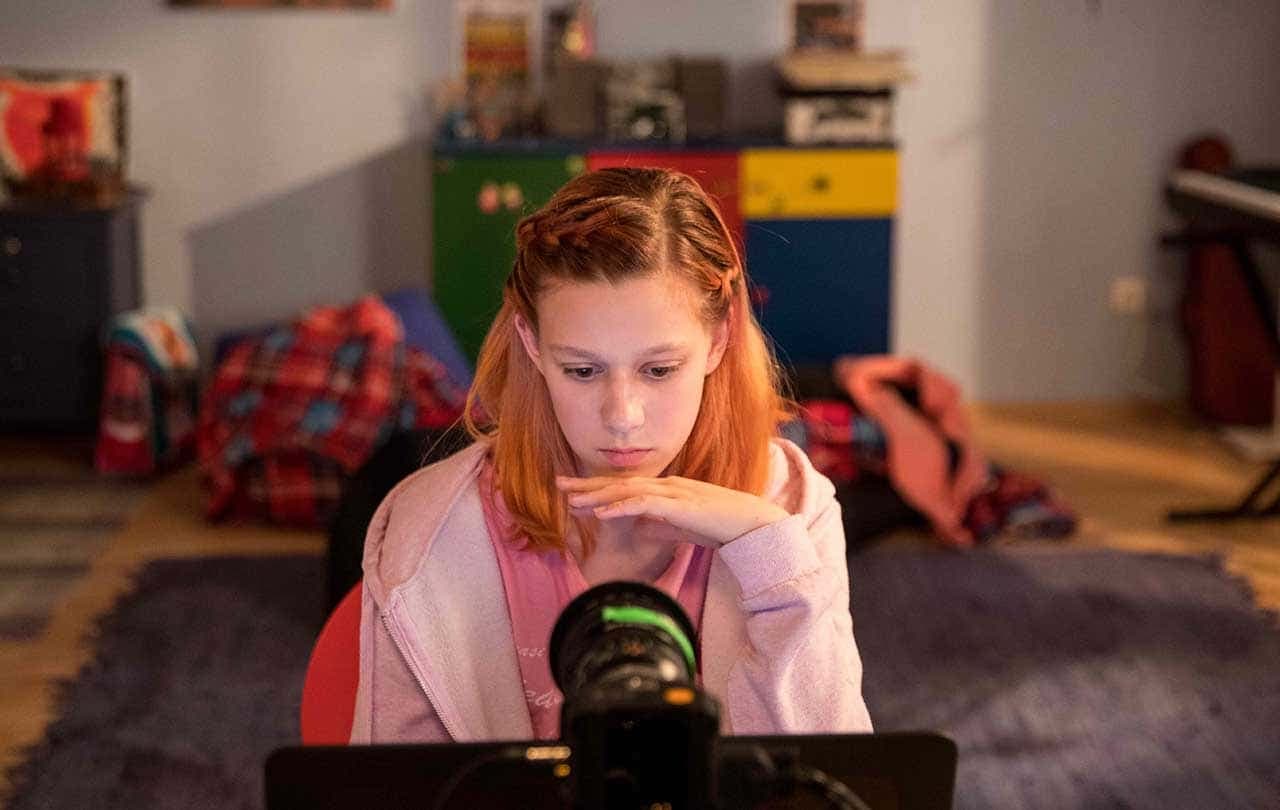

兒童性剝削是各個國家與各個地區存在的問題,使人無力、心碎,紀錄片不只是揭露社會的病態,也是對所有人的警醒。
真的太痛了,觀看的過程腦袋有一種要爆掉的感覺,我們必須要為兒少性剝削議題「非常介意」
電影試圖探討一個重要議題:我們如何讓孩子在過度曝光與審美變態的世界中迷失自我? 但在呈現這些現象時,是否過度再現了所要批判的對象?這是藝術倫理與社會責任的拉鋸。 Netflix最初的宣傳海報與簡介被批評為過度強調性感元素,這反而與導演原意背道而馳,也造成不必要的誤解與憤怒。事實上,電影本身有明顯批判意味,遠比宣傳單一化的標籤來得有深度。
1:28:52 接下來這位是攝影師的朋友,在拍攝過程中意外發現這人也傳訊息騷擾少女演員,於是到他家賭他並加以質問
56:07 欸這隻兔子是...
27:45 這些男人以為「不積極拒絕,就是想要的意思」 戀童僻其實不會想看兒童的裸照
【 和 #報導者 一起來關注兒少性剝削議題 】 對於從社會幽暗角落中現身的受害者,除了給予支持、表達同理,更重要的是,如何預防這樣的事件未來在台灣社會持續上演: 此時此刻,我們希望拿掉對孩子的性話題「屏障」,再也沒有比和孩子一起討論、溝通與認知「身體界線」,對他們更好的保護方法了。 來看看由報導者製作,從「法律面、認知面、行動面」三個不同角度的文章: https://kids.twreporter.org/topic/metoo-body-boundary
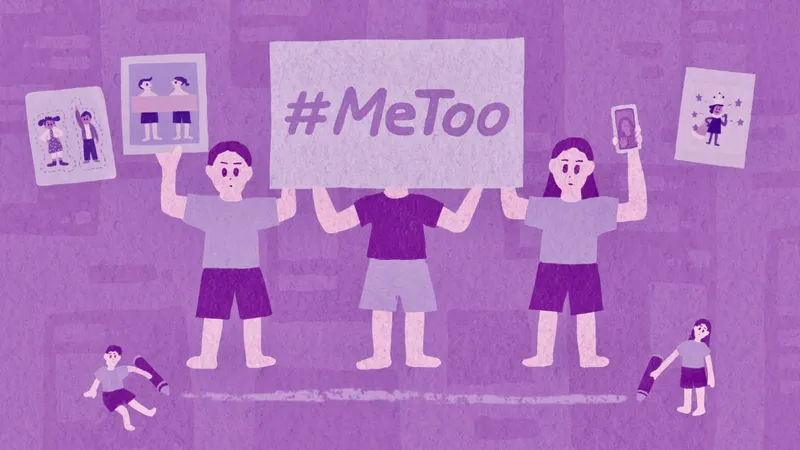 #MeToo與身體自主權──如何讓孩子及早認知,關於性的侵犯與自我保護的界線
【 和 #報導者 一起來關注兒少性剝削議題 】 社工們提到目前被害人的趨勢如下: .年齡下降:兒少性剝削個案雖還是以12~18歲為大宗,但已能觀察到小學低年齡個案,故除了國高中,近一、兩年社工也開始進到國小宣導。 .「性勒索」成新型態,被害者不分性別: 不如過去所想,兒少性剝削個案多是小女生網戀裸照外洩,近年男性兒少受害者增多,且皆為「性勒索」詐騙──在遊戲或交友情境中認識詐騙集團假扮者要求通訊裸聊,對方傳送連結,駭入小孩手機控制鏡頭,以兒少裸體照片進行勒索。不少男性受害者都是偷父母錢支付贖金,偷到暴露,才報警。這是這一、兩年出現的新模式。 https://www.facebook.com/twreporter/posts/839643218204999
【 和 #報導者 一起來關注兒少性剝削議題 】 去年初,立法院三讀通過《兒童及少年性剝削防制條例》、《性侵害犯罪防治法》修正草案,並於同年2月上路,加重拍攝、散布、播送兒少性影像者的刑責,並擴大通報對象以及提高刑責:使兒少被拍攝、自拍、製造性交或猥褻行為之性影像案件,原3年以上7年以下,調高為3年以上10年以下;散布兒少性影像,原3年以下,調高為1年以上7年以下;無正當理由持有兒少性影像者,由行政罰修正為1年以下刑罰;對於境外犯散布兒少性影像罪都納入處罰,以嚴懲散布兒少性影像者。 https://www.facebook.com/twreporter/posts/839643218204999
 報導者 The Reporter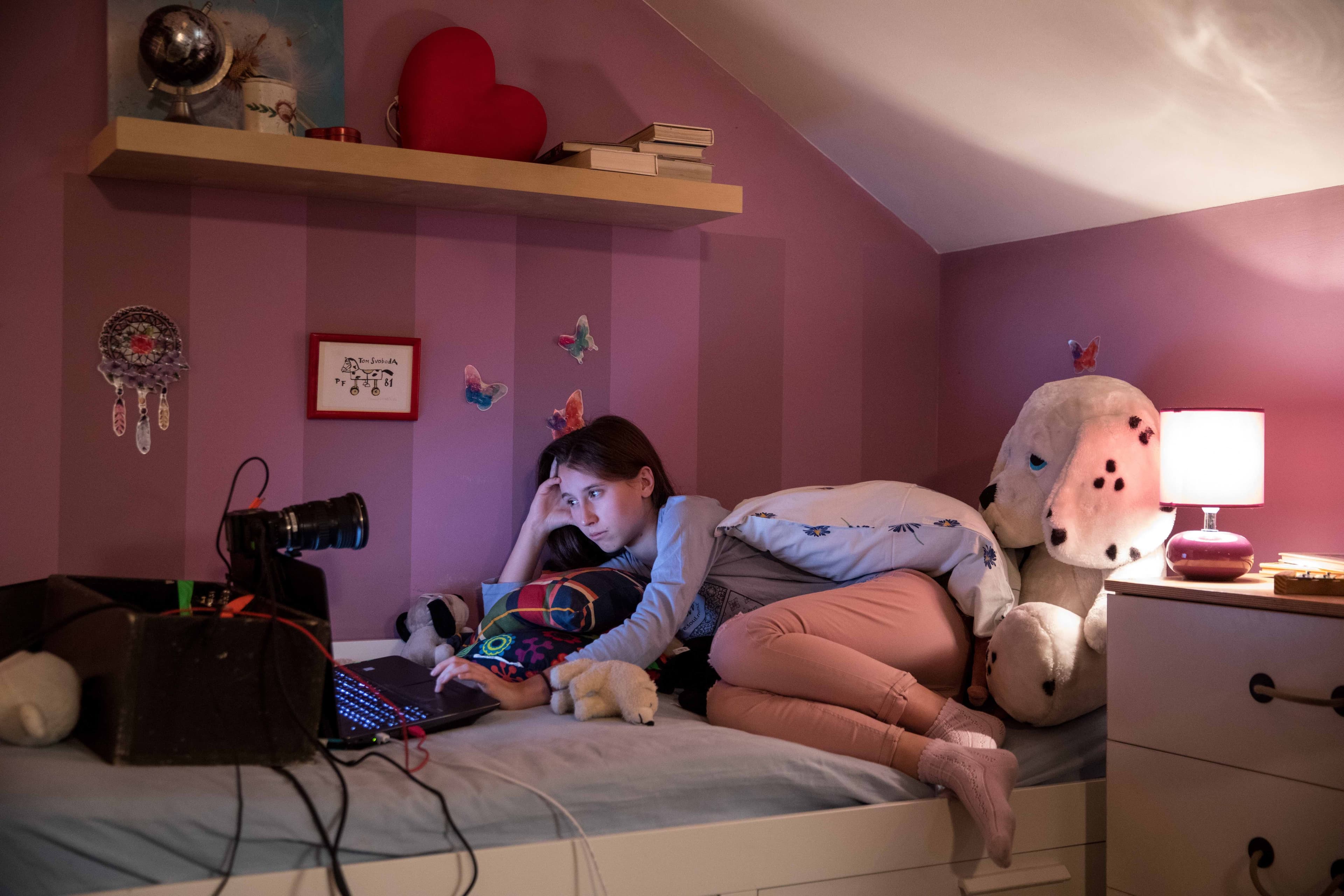
60%的捷克兒童上網時,家長完全沒有加以約束;41%的兒童表示自己曾收過別人寄來的不雅照;半數的兒童會和陌生人聊天,兩成的兒童不排斥和對方見面。探討網路兒少性剝削的《我 12 歲,你介意嗎?》在片頭點出這些驚心動魄的數據,這遠不只是一部紀錄片,更是一場最黑暗的犯罪實錄。
Why did someone like Gorbachev—who tried so hard to reform his country—ultimately meet a dramatic and tragic end? Why did a Chinese teenager, once full of unquestioning patriotism, become a disillusioned critic of society? And how does a taxidermist, working with lifeless animals, come to glimpse the mysterious kingdom of death? The team at Chichi’s Notes has handpicked 13 standout documentaries from Giloo—recommended for those who care about current affairs and remain endlessly curious about the world. Whether you're drawn to politics, identity, science, or the unseen corners of society, this collection offers something for every thoughtful viewer.

In a society as warped as ours, who has the right to call themselves "normal"? Six teenage boys, locked inside their New York apartment for years, understand the world through their collection of 5,000 movies. An invisible army of overworked gig workers scrubs your social media feeds clean—out of sight, out of mind. Three adult women, posing as underage girls online, expose over 2,000 suspected child predators. In the U.S., a teen kills another—over a pair of rare, resold Air Jordans. Elsewhere, a group of people worship Satan—not to spread evil, but to resist the suffocating grip of far-right religious politics. So—are these people “normal”? Are they not? And who gets to decide what “normal” even means? Giloo presents 10 documentaries that explore the lives of those often labeled as “abnormal”—but who, in their own ways, might just be the most honest reflections of our times.
Austrian psychologist Alfred Adler once said: “Lucky are those who heal their whole lives with childhood; the unlucky spend a lifetime healing from it.” Family isn’t always a source of happiness. For some, the deepest wounds were left at the very beginning of life—long before they had the words to name them. Giloo presents a selection of 8 films on childhood trauma, dedicated to those who may not have received the love they deserved. May these stories accompany you as you face the past, and gently begin the journey toward healing.
Through documentary works, we aim to lead audiences in contemplating talent sustainability and the power of visual media's influence on the environment. Our goal is to foster continuous intergenerational dialogue on sustainable resilience, building a collaborative ecosystem of shared solutions and green resources. This will accelerate international connections, facilitate the commercial implementation of solutions, and scale impact to infinite possibilities.
Life is full of choices—some big, some small. We choose one path and let go of another, or sometimes, we hesitate... Some choices are mere passing moments, while others shape our lives forever. As actors, much of what we do is also about making choices. Try this in one rehearsal, try that in the next. Hesitation happens too. There’s no right or wrong—only whether it works, moment to moment. Some choices come from instinct, some from reason... Ah! To be or not to be. In this grown-up world where there are no perfect answers, maybe that’s what makes being alive so endlessly fascinating.
"He found society's taboo against sex incredibly convenient; when a girl was raped, the whole world thought it was her fault, and even she thought it was her fault." — Fang Si-Chi's First Love Paradise What silences victims is not just the perpetrator, but the entire society. What we can do is, through speaking out and discussion, ensure that incidents hidden in society's shadows no longer sink into darkness.
The rights protected by the two covenants are vast and far-reaching—so much so that even if we narrated them like a modern-day One Thousand and One Nights, we might still never finish. And yet, there’s so much we want to say, and only so much we can say. From refugees and the principle of non-refoulement, to inclusive education for persons with disabilities; from climate change and the right to adequate food, to Losheng Sanatorium and the fight against forced eviction; from state violence to transitional justice—these layered issues form a dense, interwoven fabric. Even if we only manage to capture fleeting glimpses, we still hope that through each human rights film festival, and through every note we take along the way, we can preserve a few shimmering fragments of truth. Together, we may begin to outline the most vivid and realistic images of human rights. Don’t forget: After watching any film in this program, be sure to complete the survey. It’s not just a way to deepen your understanding of the human rights themes linked to the covenants—it’s also your chance to enter our prize draw!