1985
金馬獎
最佳男主角、最佳攝影提名

最佳男主角、最佳攝影提名

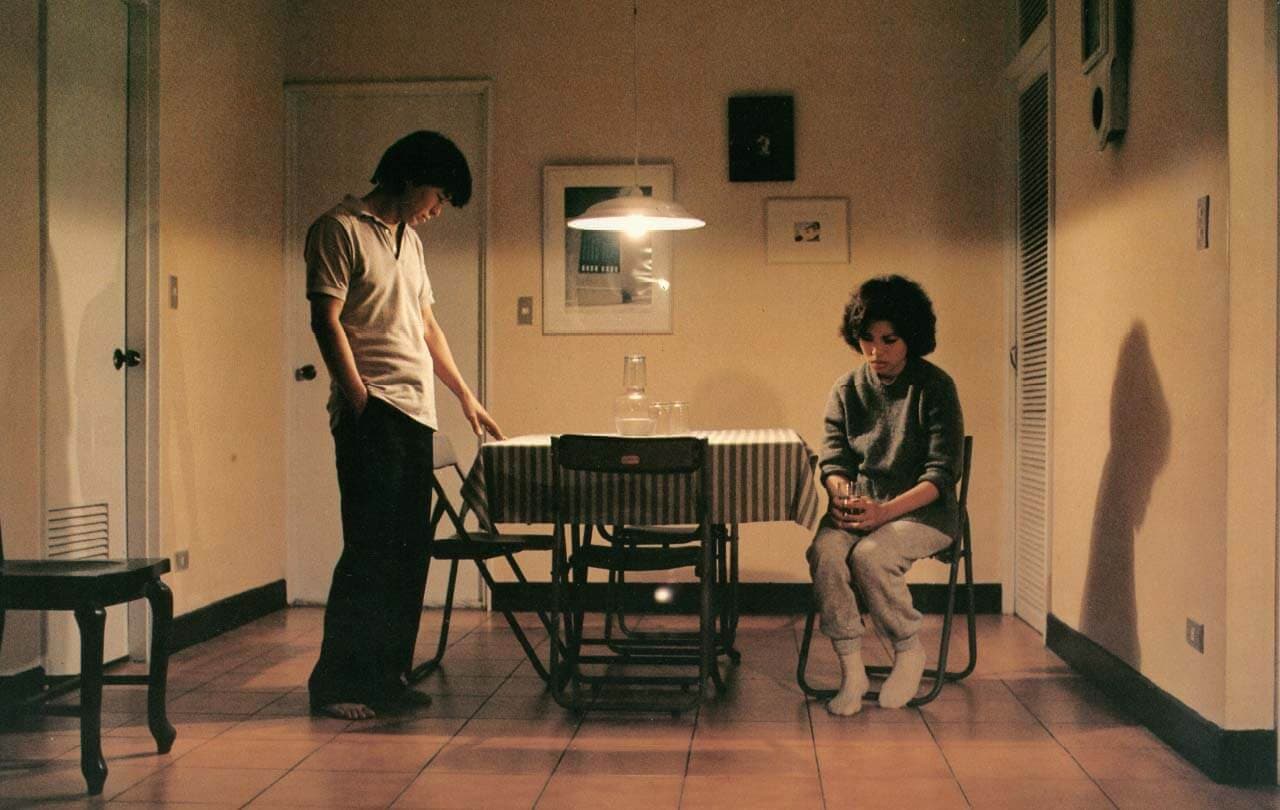
未來‧不會來──電影《青梅竹馬》對「未來」的想像與渴盼(pinshiuan品璇) 《青梅竹馬》的英文片名為「Taipei Story」,說明這是在臺北這座城市裡發生的故事。本片一開始,阿貞與同事從辦公室望向窗外一景,同事感嘆地說:「外面這些建築都一樣,無論是我設計的或不是我設計的。」的確,城市裡的人都長得一模一樣,在大公司工作、追求流行時尚、去酒吧喝酒、到卡拉ok唱歌、或是狂歡後徹夜不歸等等,沒有什麼不同的扮相。也許在現實中,每個人的起點都是一樣的,但對未來若有不同打算,立定目標後,將走上截然不同的道路。 阿貞與阿隆想像著「未來」的生活,他們期待能夠去美國,重新開始生活。阿貞被公司辭退,而梅老闆也未給她答覆;阿隆小時候是棒球選手,長大後開布店,雖然生活無虞,但是也看見朋友阿欽的家庭悲劇、歷經阿貞父親的欠錢風波。阿貞與阿隆的感情也出現問題,阿貞與前同事過從甚密、阿隆與前女友(也是阿貞的兒時閨蜜)的會面等等,諸多複雜的關係盤結糾纏,這對「青梅竹馬」彼此都在現實中遭遇自己或他人的困境,想要揮別過去,也因此,兩人都渴盼著未來能搭機入境美國的那一天。 可是未來不會來。無論是阿隆與阿欽兒時的棒球夢,或是阿貞與阿隆的美國夢,所有人都是沉浸在如阿隆所言:「還沒弄清楚」、「還沒做決定」的狀況裡,時間卻不等待緩步的人們,不斷地前行。因此,長大後的阿隆開布店做生意、阿欽開計程車維生,沒有繼續打棒球;阿貞在留台與離台間掙扎,甚至在梅老闆開口邀請阿貞來新公司工作時,阿貞腦海裡仍深陷於自己與阿隆相處關係的漩渦中,阿隆在遭到年輕人持刀行刺後,倒臥在路邊,血流如注,生命也在一點一滴的逝去,所有人內心想像的、渴盼的未來都不會來。 片末並沒有給予明確的結局,我們不會知道阿隆是否死去、阿貞是否答應工作,這樣的敘事方式,充滿不安定的感覺,也讓觀者可以去想像、去建構這些人物「未來」可能發生的故事。
阿隆對於要去美國的決定還沒有弄清楚,我想自楊德昌逝世之後出頭的台灣導演對於台北的想像也還沒有弄清楚
楊德昌將畫面的美學發揮至極致,電影中出現了眾多的匡格,象徵著身心被框架著的自己,在出不去的牢籠裡,迷失於框框內。
生活在台北,心卻在他方;最親密的人,往往最疏離。 人生而矛盾,在這部影片顯露無遺。
讓每部電影都成為經典,是楊德昌的功力。 從敘述故事的功力、影像的美學,擅長一針見血提出問題的楊德昌,無論是以龐大的世界觀來描述一個小故事,或是以簡單的支線來描述博大的議題,從各種面向看來,楊德昌都是一位時代中不可多得藝術家。
這是一部集結各項才華洋溢的人的電影,也許你聽過蔡琴唱歌,但你大概沒有看過他演戲的細膩;你看過侯孝賢的電影,但可能沒有看過他演戲的真摯。 兩個主角分別代表面對不同價值觀時選擇不同路線的人,最後的結果不論好壞,接帶給人一種不勝唏噓感,也讚嘆楊德昌對於社會、人物的刻畫。
1985年的寒假旺檔,《青梅竹馬》隆重上片;事前試映時口碑極好,不料叫好不叫座,賣座極差,只映四天就淒慘下片。 在此之前,侯孝賢的《風櫃來的人》、《冬冬的假期》,柯一正的《我愛瑪麗》等等,同樣賣座不佳。這一連串的反應激起影壇認真分析,《青梅竹馬》的失敗很可能是一種屬於產業界本身的「體系」上的失敗。由是,傳統映演國片的巨型戲院、院線組成、宣傳方式、拷貝印製數量等等,都成為論者重新思考的關鍵重點,甚至,以中型或小型戲院定點映演此類影片的「藝術電影院」思維方式,也在此刻逐漸浮現檯面、慢慢成型。 如今,藝術電影和獨立電影的發行、映演,在台灣早已建立起制度、規模和屬於它自己的產業模式,《青梅竹馬》雖非直接的催生者,它當年「叫好不叫座」的事實,卻在某個時間點上為此樹立了重要的「里程碑」。
大佑哥在臉書上寫的「光陰的故事」文章太精采,忍不住要在此重述幾句,讓《青梅竹馬》的電影觀眾感受一下1980年代的巨大能量。 大佑哥寫道:在安和路小巷子內的咖啡屋,大家常常在一起混。一開始,張艾嘉用那裡當成台視《十一個女人》劇集的製片大本營,楊德昌和當時的女友幾乎天天報到,柯一正導演、製片陳君天,還有彭國華、吳楚楚、滾石唱片的段鍾沂、羅大佑自己,還有2021年底不幸過世的知名攝影及唱片設計師「阿杜」杜達雄。咖啡屋內每張桌子都設有當時最盛行的檯面式電動玩具,也像瓊瑤在她的小說《問斜陽》裡描寫的「斜陽谷」咖啡廳,平時衣冠楚楚的白領上班族、媒體圈的創意人才等等,坐上「小精靈」、「小蜜蜂」、「拍撲克」或者麻將桌,可以二話不說,左右開工打上兩、三個鐘頭。偶爾,從香港來的徐克、施南生、泰迪羅賓、吳宇森等等也都會到此加入這個話題永不間斷的互動陣營。 看到《青梅竹馬》片中,侯孝賢扮演的角色在那樣的環境裡幾乎手足無措,不知應該如何自處,我真的被重重撞了一下。我們平時花了好多時間、好多篇幅、好多能量,歌頌、讚美那個風起雲湧的時代激情,但楊德昌讓他鏡頭下的男主角,在這裡讓我們看到時代巨輪轟然碾過的同時,有東西、有人,是跟不上那個腳步的。
再多筆記一下影片中出現的另一個有趣「空間」:蔡琴和同事聚會的小店。在羅大佑的臉書上讀到一篇「光陰的故事」,追記那個充滿衝勁與青春動能、熱情洋溢的1980年代。文章裡寫到他們當年幾乎天天報到的「香頌屋咖啡」,也提到好多名字,但真正的男主角就是大佑哥稱之為「老楊」的楊德昌導演。 那是個一切都在滋長、筍生的時刻。源源不絕的創意以及因為人際互動形成的跨界友誼,直接促成大眾流行文化不同領域的撞擊和合作:電影、電視、廣告、廣播、流行音樂、文學寫作、攝影、時尚設計——台北都會的鬧區正由西門町轉至東區,在忠孝東路、安和路巷內的小店,他們就聚在那裡,在簡餐、啤酒、咖啡、香煙、電動玩具、話題交流,還有無窮無盡的腦力激盪中,塑造出了整個時代的定義。
想成為理想的大人,卻發現不管到幾歲,還是無法擺脫對未知的恐懼?帶著有限的人生經歷,試圖在瞬息萬變的世界裡求生?成為父母,卻還在擺脫原生家庭的束縛?五道轉大人食補湯,邀請你一同品嚐,讓我們帶著心中的孩子,一起找回初衷和力量:成長代表作《一一》帶你一窺臺灣新浪潮的新世代經典;理想破滅,就從岩井俊二的《青春電幻物語》找到投射;失去方向,跟著奧斯卡最佳國際電影《醉好的時光》大醉一場;欲掙脫束縛,從阿富汗電影狂人《沒萊塢天王》身上找尋靈感;感到孤單,體驗鄭問、賈伯斯、草間彌生、安妮華達等藝術家的另類人生⋯⋯
1982年8月28日,《光陰的故事》上映,為台灣新電影運動揭開了序幕。2022年夏天,害喜影音出版《未來的光陰:給台灣新電影四十年的備忘錄》,以20個關鍵字重訪台灣新電影。秋天,國家電影及視聽文化中心將推出「再新電影出發的時候:台灣新電影四十年回顧」專題影展,尋訪歷史角落中許多已被世人遺忘的逸作。夏秋之間,影視聽中心攜手害喜影音,邀請觀眾透過16部我們熟知的台灣新電影與關於台灣新電影的電影,為四十年後行將到來的未來,預作準備。
楊德昌,相比同期其他導演,明顯更受歐陸導演風格影響。他的作品多以當代台北為主要背景,大量而犀利的對話與情境,充斥著濃厚的都會色彩與現代主義風格。
紀州庵玩書節致力於反轉人們眼中書籍單調的形象,將鮮明活潑的音樂元素融合文學,把藝術體驗融入生活當中,藉由講師們的引領,看見自己與文學的零距離。 2022 玩書節《音閱敘事曲》以「音樂 x 閱讀」為主題,舉辦專題講座、展演、線上影展與主題市集,邀請兼善文學與音樂的樂評、作家、詞曲創作者等人分享他們如何在文學與音樂之間轉換,找到兩者之間的表達形式與詮釋方法。
.jpg&w=3840&q=75)
大師走過光影長河留下足跡,經過歲月磨礪,成為不容抹滅的刻痕。關於電影的一切,他們想說的早已凝結在鏡頭之中。Giloo精選台灣經典修復片,無論這是你的啟蒙或初遇,都能在其中找尋關於自身和土地的記憶與身影。歡迎乘著膠卷啟程,回到屬於台灣、也屬於電影的光輝歲月。