2017

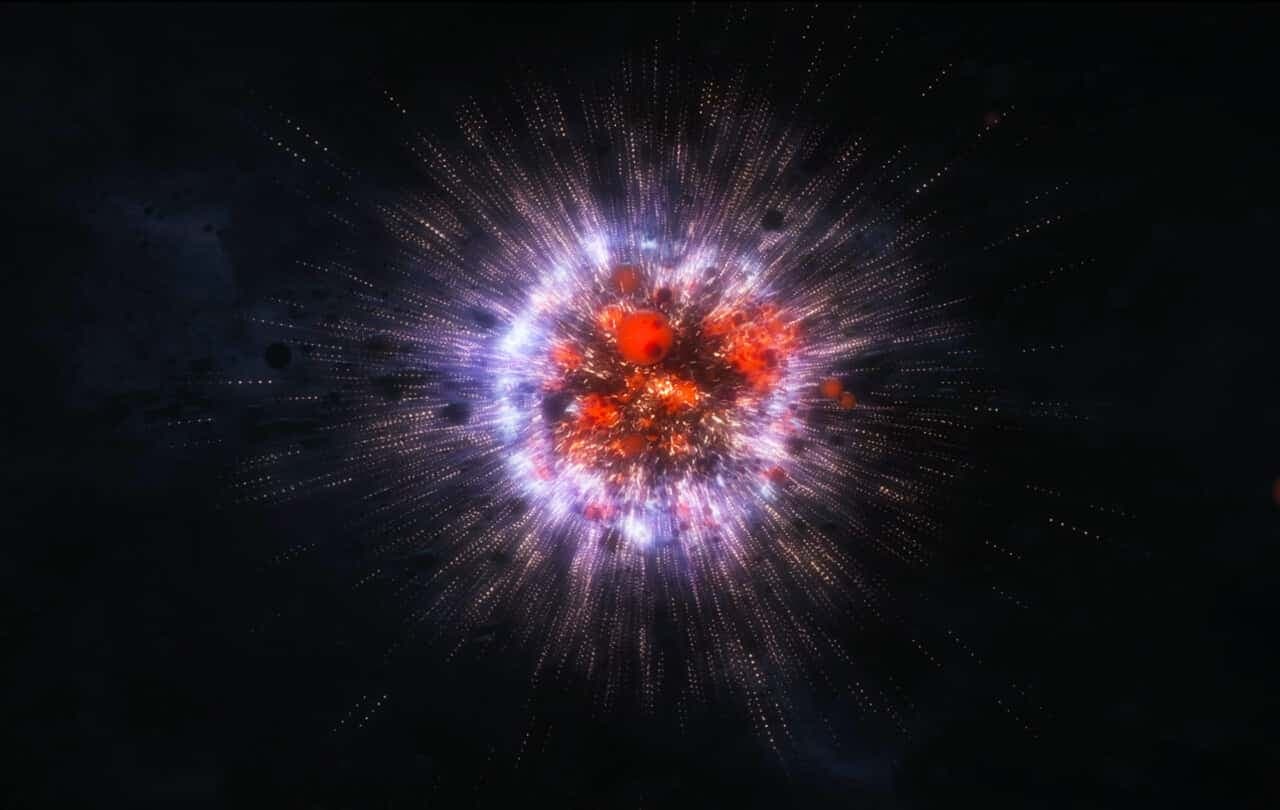
Directed by 瓦萊里奧・賈隆格
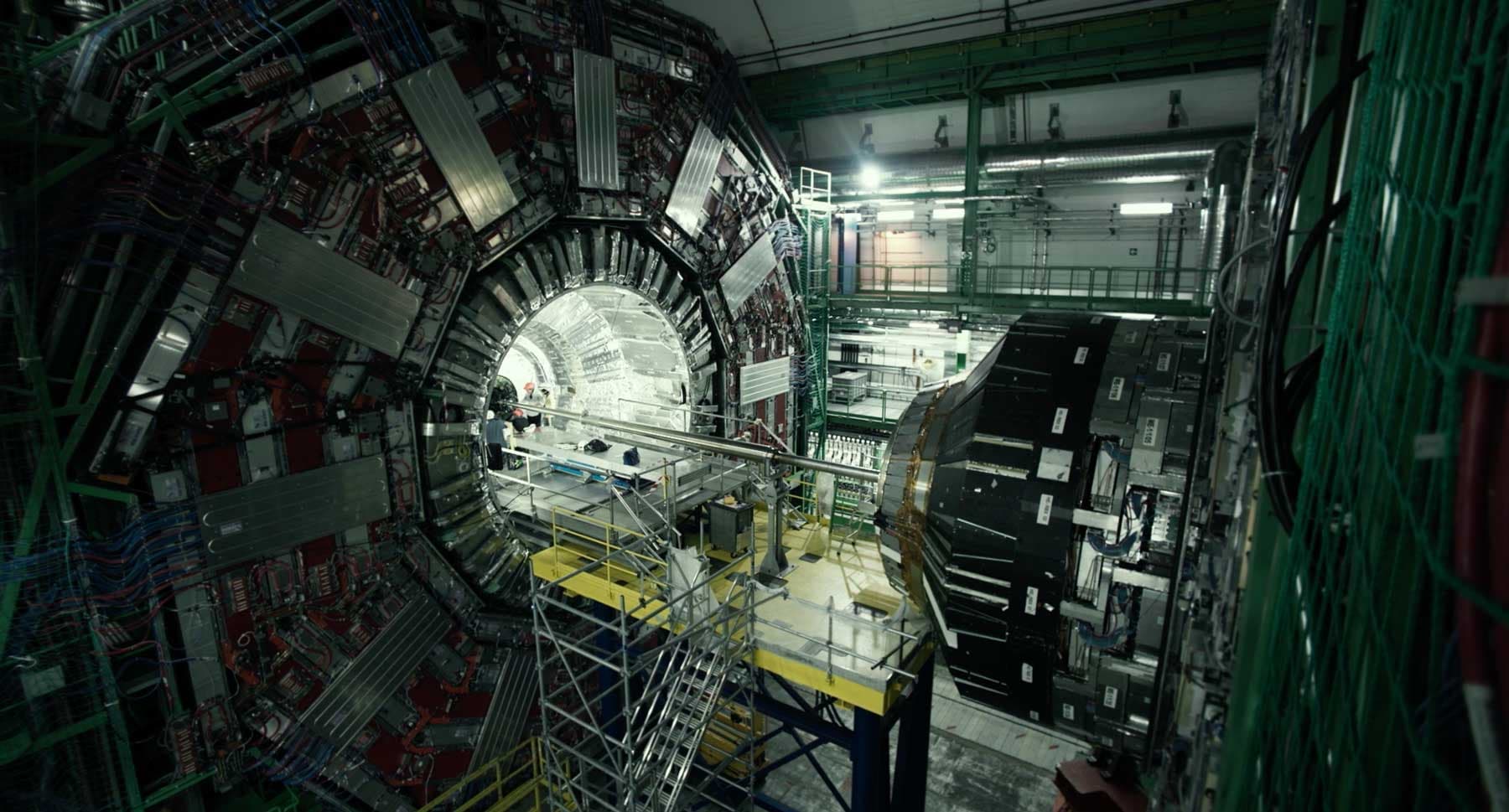
科學家乃至一般大眾的美醜標準會影響科學理論的選擇。從科學史的發展來看,美學偏好在理論選擇上一直扮演重要角色,例如公式是否簡潔、結構是否對稱⋯⋯等,而我們並沒有什麼科學證據來說明這些美學偏好的合理性。這也是為何,在《綺麗粒子之夢》的後半段中,CERN的科學家們之間冒出了一個爭議:自然之美——亦即是解釋⋯⋯
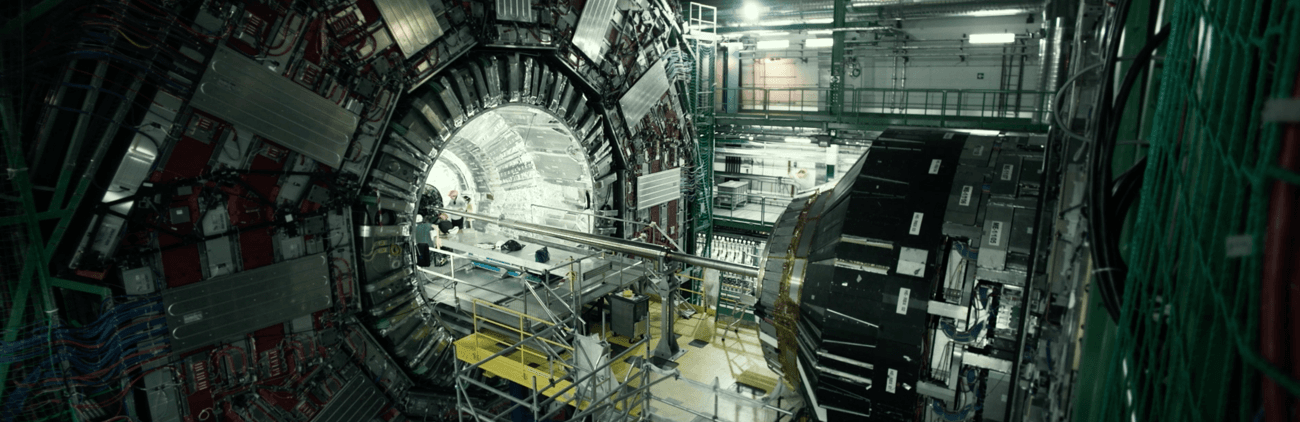
Let us imagine the future through multiple perspectives: quantum physics and human consciousness, robots and humans, love and relationships, gene banks and the apocalypse, social networks and surveillance, nuclear fusion and artificial suns, climate crisis and geopolitics, eugenics, and extraterrestrial intelligence. Though this program is titled The Future Is Near, perhaps the future has already arrived. The more important question is: Are we ready?
In 2019, the impact of COVID-19 fueled a surge in virtual concepts, sparking waves of discussion around the metaverse and beyond. But is technological advancement truly humanity's only path forward? When the physical body is no longer essential, where do we go from here? The balance between the virtual and the real is a question the entire world must confront—together.