1976
Chicago International Film Festival
評審團特別獎

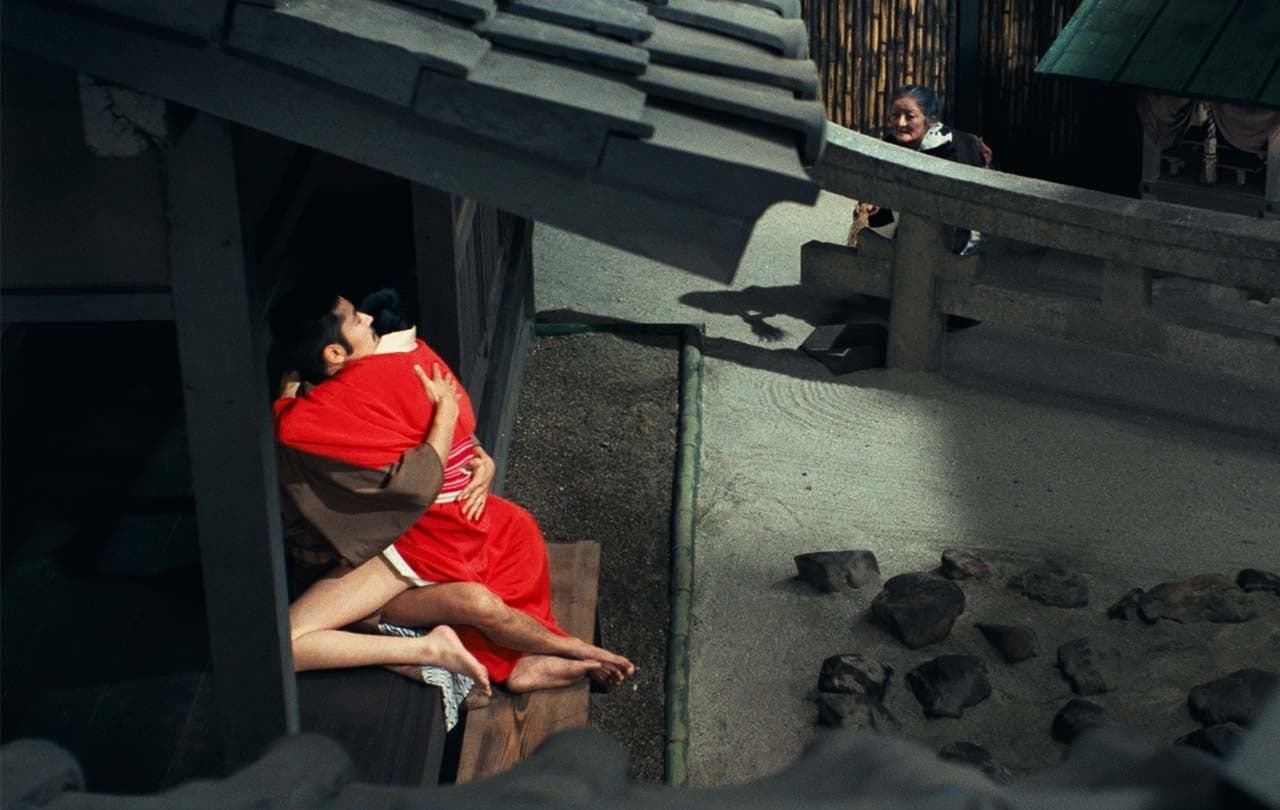
Directed by 大島渚
評審團特別獎

情慾...大膽...流動於...畫面...強烈的...佔有慾...背後...是如同...蜘蛛網...一般的...陷阱...從事...危險...運動...應注意...生命...安全...
1:34:27 好想做愛,但做到這種程度DUCK不必
尼爾: 對於已經看慣大量數位色情與奇怪性癖的現代觀眾來說,感官世界的腥羶呈現,已經沒有當年十大禁片之名那麼刺激異質。不過日本情色錄影帶產業自 1980 才開始商業萌芽,在此之前觀眾只能去電影院看較為軟性的粉色電影。 拍攝於 1976 的本片卻有大量真槍實彈與激烈性愛的場景,倒回時空背景來看仍然相當衝擊,確實很難想像當年的觀眾得用甚麼心態在電影院裏面看,感謝 Giloo 給了一個安全的空間讓觀眾觀賞 XD 有趣的是觀眾們看了如此刺激的性愛場面,換來的不是興奮而是滿滿的不安與疲乏。沒有 A 片那種「可預期」的起承轉合,取而代之是永不間斷的重複調情,以做愛來比喻大概就是射不出來都已經冷掉了還得繼續做。且旁觀的角色經常得用一種無奈的方式旁觀兩人到處做愛的過程,甚至得做出一些巧妙規避的應對,這點觀眾應該感同身受。' 比起性愛場面,本片真正讓我佩服的反而是性愛外兩人閒聊或調情的對話看起來很自然,就像一對真正不在乎外人眼光的愛侶被偷拍下來。片中也確實經常透過紙門縫、鏡子、屋簷縫隙來呈現窺視的感覺。 許多對本片的評論都聚集在刺激的性愛場面,不知道是我的腦已經被各種網路性癖污染的太誇張還是怎樣,這方面我反而沒啥感覺。讓我印象深刻甚至是支撐我看下去的,反而是各種唯美的攝影調度,以及背景那從未間斷、陰氣沉沉的古風音樂,與性愛主題交融後呈現的矛盾美感。 總結來說,無論是題材或拍攝水準感官世界在當年都有劃時代的成就,片中兩人的對性幾近沉溺的追求與開放,至今應該還是會讓許多人無法接受。建議觀看的時候,先了解歷史背景,以文化遺物的角度來打開,不要用我要看一部很讚的電影的心態會比較舒服。
這部片我真的沒辦法從頭到尾一次看完,它讓我同時有兩個層面上的反感。 第一個是體感上的不舒服。導演強迫觀眾直視男女主角那種變態之愛,從頭到尾沒有停止過的性愛(還有生殖器們),給我的感覺就像是在體驗角色的體驗。 第二層次上的反感和情節跟電影想要傳達的觀念、意義有關。我覺得可能是因為導演試圖呈現性就是愛的觀念,以及性愛抵達極限之後會是什麼這樣的內容給觀眾,所以情節上非常單薄,就是小三和男主人私奔,然後從頭做愛到尾(花式做愛)。 這樣的情節我蠻不滿的,會覺得這將近兩小時的時間都浪費掉了,但我同時也可以理解電影是在挑戰感官上的極限。仔細想想我會不滿的原因,可能也是因為電影在挑戰的觀念和我對愛和性的觀念背道而馳。因為對我來說,愛和性是有因果關係的,而且我也覺得性愛抵達極限時,何もない。所以雖然可以理解電影想要給觀眾感官極限、性愛極限,但我還是無法喜歡沒有情節、沒有更多角色互動的戲。 好了,看完這部電影,暫時不想做愛了🤮
53:02 「我會讓妳進門做小妾。」阿吉 「我不要當二房,我不想跟太太分享你,我要時時刻刻擁有你。」阿部 「如果一直跟妳在一起,我遲早會被妳榨乾。」 「阿吉,你不喜歡和我一起生活嗎?」 「喜歡,被你榨乾也甘願。」 . 阿部可以在阿吉面前表露她的所有慾望,她對肉體與性愛的佔有慾與迷戀與癡狂,外人眼中的低俗下流,不存在於他們的關係,他接受她,完整的她,即使她的狂熱會反過來灼傷人。 . 每次看《感官世界》都覺得兩位演員不像在表演,而是在攝影機前毫不遮掩且赤裸裸地展想內在情慾,模糊掉表演與真實情感之間的界線。
在《感官世界》的電影介紹時,雖已有盡量把握尺度,還是無可避免地有點腥膻。因之前Giloo臉書已被ban過一次,實在沒有本錢再冒險,同事在社群宣傳時都要把文中群交等字眼拿掉。
看完《感官世界》後很好奇女主角現況,畢竟演出那麼轟動的片,後來卻似乎沒有什麼作品。飾演阿部定的松田英子在1982年後淡出銀幕,最後一次公開露面是在《俘虜》的坎城首映,據傳已在2011年過世。看了她的作品列表,可以理解始終無法擺脫「身體女優」的困擾,真的滿可惜的。除去那些露骨的性愛場面,我認為她是看似瘋魔卻能引人共情的演員。
翻了一下十大禁片究竟是哪十大,發現好像沒有較權威的單位統整,下述片單只能說是華語世界中普遍認同的十大: 《索多瑪120天》 《肏我》 《不可逆轉》 《羅馬帝國艷情史》 《感官世界》 《魔法聖嬰》 《殺人不分左右》 《噩夢輓歌》 《切膚之愛》 《我唾棄你的墳墓》
大島渚因拍攝《感官世界》被控猥褻罪,經6年纏訟才獲判無罪。勝訴後,大島渚表示:「我拍出來的東西並不猥褻,真正猥褻的是那些沒被拍出的東西。」
The erotic classic The Lover boldly pushes the boundaries of sensual cinema. Freaks blends horror and surrealism into a provocative spectacle of visual violence and beauty. In In the Realm of the Senses, an unforgettable depiction of suffocating, all-consuming desire secures its place in film history. In Oasis, two marginalized individuals find a love purer than anything the world around them can understand. And in Merry Christmas, Mr. Lawrence, Ryuichi Sakamoto and David Bowie share the screen—and a legendary, forbidden kiss. These films dare to confront desire, taboo, and tenderness—through shock, poetry, and unforgettable images.
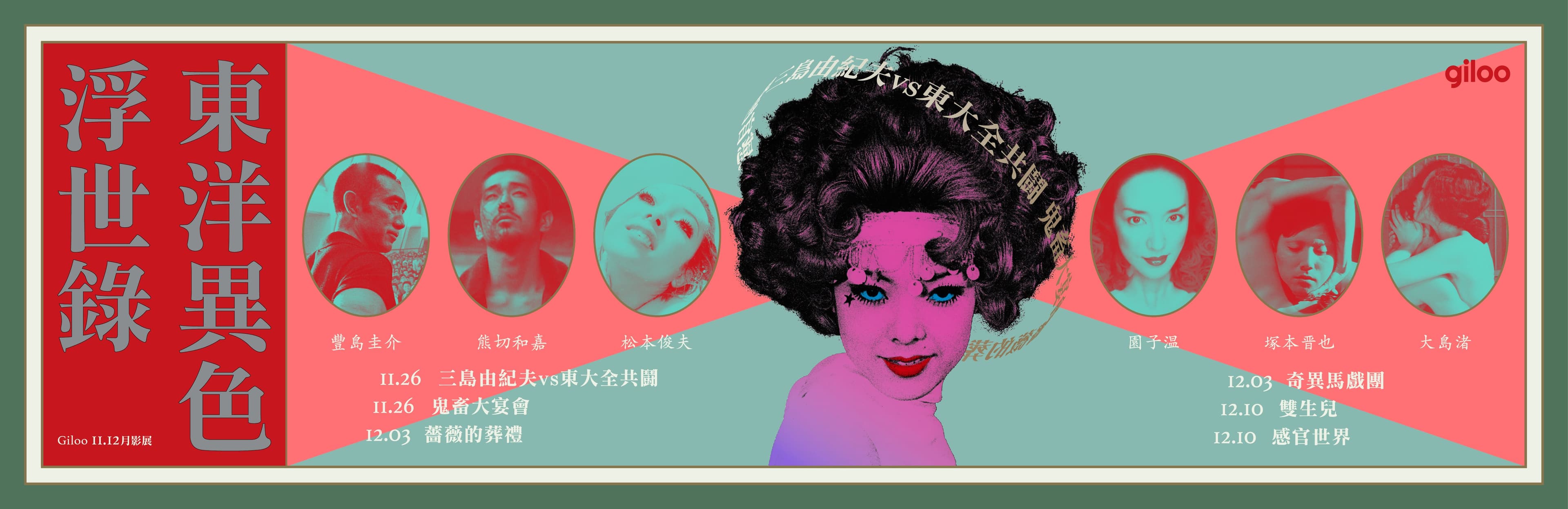
Some choose to change society through words. Some release pressure through acts of violence. Others exile themselves in sex. When values and beliefs collapse, what remains—ghosts or humans? In a world spiraling out of order, they descend into collective ecstasy and moral decay— yet also rise in fierce, unrelenting debate. They may be revolutionaries from Japan’s student movement era, a gay man reenacting the Oedipal tale of desire and patricide, or men and women consumed by the thrill of power and lust. But beneath these extremes of reason and emotion lies a common thread: a desperate, lucid critique of existence itself. Giloo presents six handpicked films from East Asia— each delving into a raw and radical human struggle on the edge of belief, where the urge to live collides with the desire to disappear.
I’m drawn to those films where love is fearless and all-consuming—like an addiction I can’t escape… They believe in love, and love their beliefs. Every glance feels like it’s on fire.
Humans pride themselves on being "rational animals," yet in waving the banner of reason, how often do we overlook the passions and turbulence that defy reduction? Are our actions truly as orderly and logical as we believe? At what point does the pursuit of order and truth tip into the realm of madness? Perhaps "strangeness" is an essential part of being human — and the boundary between reason and insanity is far thinner than we imagine.
【 CCC Comic Channel × Giloo Documentary “Frames of Autumn: A New Sensory Stroll through Manga” Series 】 On the strange, the obsessive, and love that doesn't ask to be understood. Perhaps it's this kind of inexplicable, unreciprocated passion, desire, and hatred that gives birth to ghost stories. As for "Tropical Fish(1995)," speaking of Asakusa, you definitely come up with Misemonogoya (Freak Show)! 📖 "Fruits of Passion" pays homage to the short comic "○": https://www.creative-comic.tw/zh/book/380/content
"One is not born, but rather becomes, a woman." There is no such thing as a woman who is born confident and radiant — we all stumble, search, and grow into the body image and way of life that feel most like home, learning slowly how not to dislike ourselves so much. Documentary films quietly and honestly reflect women in their most unadorned states — ordinary, oppressed, loathed, awkward, or uninhibited — and all of these are part of who they are.