1990
International Documentary Filmfestival Amster
長片競賽單元提名

Directed by 文・溫德斯
長片競賽單元提名

在紀錄片的山本耀司是與大眾衝突的,他喜愛著能認出身份的18世紀衣裳;認為不對稱才是正常;是日本來的設計師但說著自己不能代表日本,並以歐美女性身材設計衣服。其實像文溫德斯做的結語:「當你穿上衣服,看到自己表現於衣服的樣子,是對於自身的導演過程」,也許對於山本耀司而言,他確實是執導著一場永不止息的電影拍攝,一遍又一遍的讓人物重現他的理想精神世紀以及對世界的理念。
「服裝就是考慮到穿著者,無論交談或見面,我總是想著別人。」服裝作為載體,連結起山本耀司站在一個創作人與他者之間的甬道。 伸手觸碰的好奇、對外在事物的詮釋與轉譯,這些作爲驅動創作的基礎,使山本的創作不僅回應內心聲音,更考慮接受者,考慮其習性、環境,從身體到心,任何創造物的思想如同片中所指涉,不只透過外在細節,更是如絎縫夾層般,深深疊起的親密共感性。
【Giloo Podcast】 本集來賓:PROJECTbyH. 設計師 Henry 片單主題:生命的每一刻,都是創作的源頭 ▍Podcast 收聽連結 ☞ http://bit.ly/3xOMINp ▍前往片單 ☞ https://bit.ly/3UWXz14 對於自己, 大多創作的脈絡都來自於過去生命的體驗, 有的是對於城市的感受, 有的是議題的興趣, 這些都建構出當下屬於我自己思緒的脈絡。 紀錄片最吸引我的, 就是跟著導演獨有的視角, 像是走向一個時光隧道, 感受當下人事物的發生, 然後再將這些感動, 轉化成新的創作動力。 🎬 本集聊到的作品通通整理給你 《城市時裝速記》Notebooks on Cities and Clothes 《奇異馬戲團 》Strange Circus 《時尚鬼才:McQueen》McQueen 《神秘塗鴉客:誰是Banksy?》 《我們的青春,在台灣》Our Youth in Taiwan 《異星入境》Arrival 《我們的辦公室》The Office 《爆笑悲劇王:笑著笑著就哭了》Last One Standing
 【生命的每一刻,都是創作的源頭:PROJECTbyH. 設計師 Henry 線上影展】線上影展 - Giloo紀實影音|電影線上看
紀錄片的敘述方式,導演文溫德斯與服裝設計師山本耀司的對談,像是一場優美的現代舞,看似沒有誇張的起伏與感官的刺激,但每段細節、頓點,甚至包含到轉折的地方,都是這麼優雅且富有哲學意涵,經歷三十多年,本片依然有著歷久彌新的老茶感。
片中山本耀司有提到從小生長環境對於他日後創作的影響極大,在許多訪談以及書籍中,山本耀司也有提及同樣的概念,因從小看見城市中女性的樣貌,進而勵志想要做「保護」女性的服裝,而所謂的保護,某種程度上,就是去包覆著身體,讓服裝回歸到最本質的樣貌。
「無論交談或見面,我總是想著別人」山本耀司這句話,十足展現日本人的文化與個性的底蘊,「最近我開始欣賞人的缺陷,而且越來越喜歡」,這句則帶出日本文化中獨有「侘寂」的概念。
再細說這些對比,片中提到「服裝所蘊含的情緒」(肌膚上的感受),是一種很抽象且常被人忽略的想像,但如果去想像每個城市所讓人感受到的不同能量(甚至情緒),那服裝,也可以被視為一個更小單位的城市?
紀錄片中有許多有趣且充滿意涵的對比,像是城市、人、服裝、文化、攝影器材,當然,最重要的,就是導演文溫德斯與山本耀司在片中,從對談的過程中,逐漸互相認識與理解。
文・溫德斯出手,果然拍成屬於他模樣的紀錄片。這不是一部只甘於「陪襯」山本耀司的作品,這是充滿導演個人觀點的影像,開場呢喃式的私自提問,精彩的將「身份」、「時尚」、「城市」等符號拉出,立刻替本紀錄片定義。 順著紀錄片往下探索,發現文・溫德斯有興趣的就是「認同」議題,山本耀司徘徊於東京、巴黎,如何在二戰後於重建的城市、破敗的國家之間,找尋那曖昧不明的創造力以及可能的安身之處?這個提問是此紀錄片隱約透出的真實核心。 然而,反身回看文・溫德斯過往的劇情長片,從《守門員的焦慮》起步,無數作品不也正是在討論德國民族(或各地人)的認同/身份而產生出的焦慮?因此,為什麼文・溫德斯會對山本耀司產生興趣?或許可以大膽解釋,除了山本耀司的設計天賦之外,那夾雜在黑色間混屯不明的「人與家與國」,恐怕是這部紀錄片最令人著迷的影像質地。
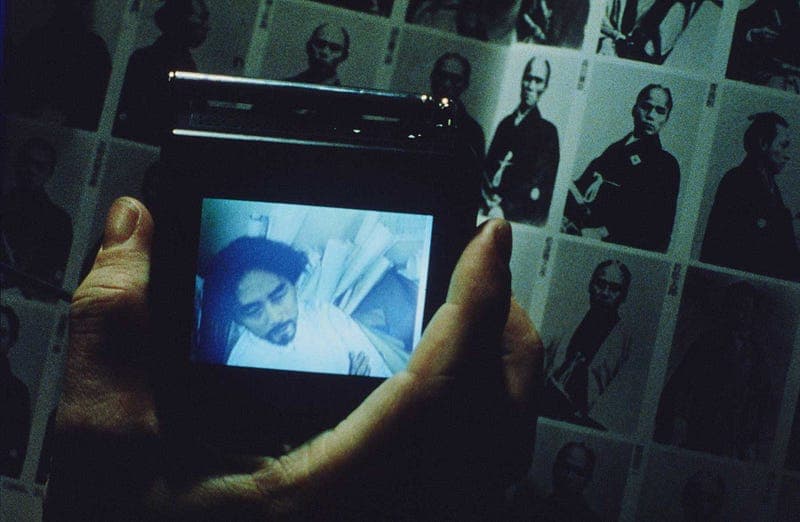
《城市時裝速記》(Notebook on Cities and Clothes, 1989)是德國新浪潮大將溫德斯(Wim Wenders)受法國龐畢度中心所託,以時尚設計師山本耀司為主題的紀錄片作品。而《山本耀司時裝哲學》(Yohji Yamamoto│Dressmaker, 2016)⋯⋯
To document an extraordinary soul through the lens is to constantly wrestle with the dilemma of completeness. How can one capture the vastness of a life within the limited time of a film? It challenges the filmmaker’s depth of understanding and precision of perspective. Rather than striving for an all-encompassing portrait, it may be more powerful to focus on select moments—those glimmers that illuminate the subject’s essence. The camera becomes not only a tool to pierce through the surface, but also a means for sincere conversation with the person in front of it.
"I want to keep creating until my final breath—always shaking people to their core." So said the sensational artist Yayoi Kusama, whose bold vision reshaped a generation’s sense of beauty. But what is art? And what isn’t? Giloo presents a selection of eight biographical documentaries, offering a rare glimpse into the lives of trailblazers who have redefined aesthetic boundaries and challenged the way we see the world.
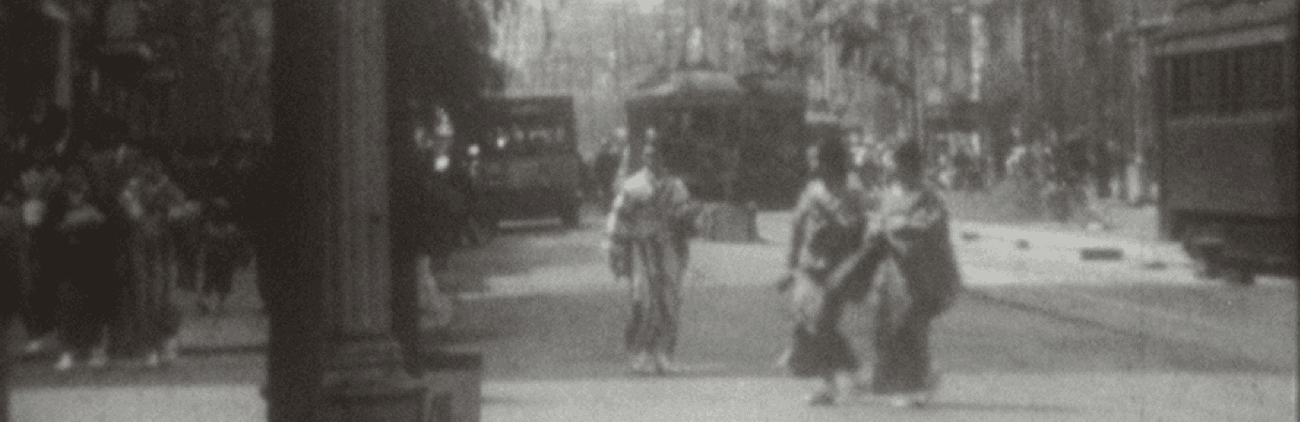
Old films, classics, and cinematic relics from the past always hold a certain allure. In these moving images, we see the spirited youth of the 1990s fighting for creative freedom, the vibrant chaos of 1980s Japan, and, through the pioneering lens of Taiwanese home-movie maker Deng Nan-Guang, fleeting moments of beauty from the Japanese colonial era. And of course—let’s not forget the soulful rhythms of Cuba’s legendary old-school jazz musicians.

Japan—a land of paradox and fascination—has long captivated travelers from afar. With deep-rooted traditions that have withstood over 150 years of rapid Westernization, Japan continues to preserve a unique national identity and way of life, while also giving rise to a distinct and globally influential pop culture. This month, Giloo Documentaries presents a curated selection of films that explore the many faces of Japan. Journey with us across mountains and oceans, through surface and depth—encountering the worlds of fashion, Takarazuka theater, love hotels, fine cuisine, robotics, and contemporary art. Modern Japan is vibrant, eclectic, and often wildly unexpected—and these films capture its raw, untamed spirit.

Our world is shaped by design. Spaces, clothing, typography—these elements quietly determine how we live, often without us noticing. Let’s turn our attention to the overlooked details and forgotten corners. How do people with a heightened sensitivity to the world around them experience a city? How do they wear their beliefs? How do they bring imagination into form through their hands? How do they speak about design? And how can design be discussed beyond the realm of iconic masters? What everyday creativity lies just within reach, waiting to be seen?
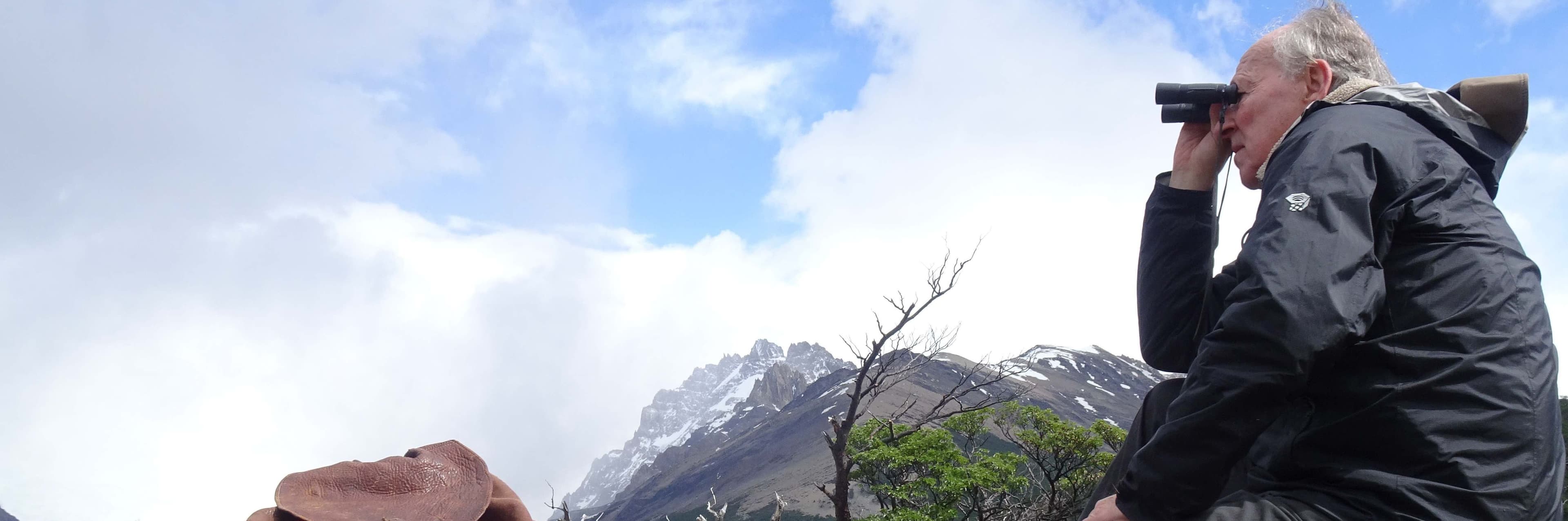
Why is it called "Touching the Essence of Humanity"? The phrase is actually drawn from a quote by Steve Jobs in The Lost Interview: “The key is to get in touch with the essence of what it means to be human—and then bring that into the work you do. I believe the reason the Macintosh succeeded is that the people who created it were musicians, poets, artists, zoologists, and historians—who also happened to be the best computer scientists in the world. Had they not entered computer science, they would have excelled in their own fields. They brought a sense of humanity into the machine. That humanistic attitude allowed us to draw the best from other disciplines. You can’t do that if you’re narrow.” This film program centers on diversity—selecting classics across five different forms of cinema. Through this range, we aim to explore the roots of what makes a work “classic.” Diversity protects us from narrowness. The essence preserved in each field offers us a broader, more open-hearted way to expand the boundaries of life.
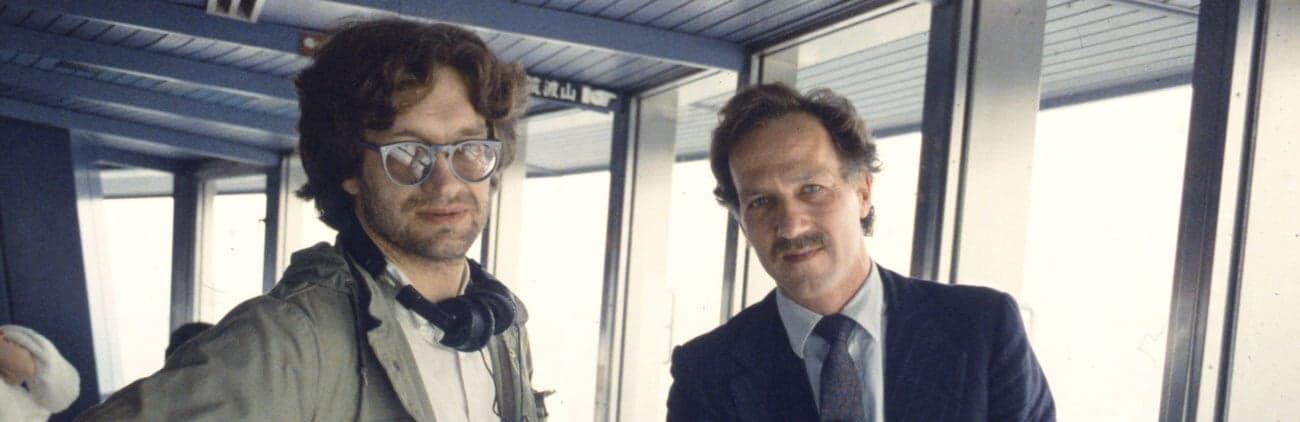
German contemporary master Wim Wenders captures the poetry of everyday life through his lens. Whether retracing the footsteps of Ozu Yasujirō as a devoted admirer, or uncovering the soul of unknown musicians in the heart of Havana, Wenders reveals profound reflections on himself and his work. Giloo presents a curated selection of Wenders’ timeless classics—step into his journey and witness how a master sees other masters, and the beauty of ordinary lives.
For me, most of my creative work stems from past life experiences—sometimes shaped by my feelings toward a city, other times sparked by an interest in a particular issue. These elements collectively form the thread of thought that defines who I am in the present. What draws me most to documentary films is the opportunity to follow a director’s unique perspective—like stepping into a time tunnel, witnessing the unfolding of people, events, and moments. And it’s from these deeply felt encounters that I find the inspiration to transform them into new creative energy.

Old-school lovers often say: It’s not that I like old things—it’s just that the things I like have grown old. Being “old-fashioned” evokes the charm of a bygone era: a certain simplicity, sincere and warm human connections, and the grace of staying composed amid sweeping change. These are qualities slowly fading in our fast-paced, instant world. But through precious archival footage, we can once again feel the elegance of that old-school spirit—be it colonial-era Taipei, a jazz festival in 1950s America, the streets of Tokyo in late Showa, or a Paris fashion runway in the 1980s. If I must stay at home in isolation, I choose to retreat into this spiritual time capsule of vintage films—as if boarding the carriage from Midnight in Paris, traveling to a world that’s unfamiliar, yet deeply nostalgic.