1999

Directed by 文・溫德斯
最佳紀錄長片提名

1:00:14 這邊提到的定音鼓其實是指 “Timbales” 而非一般中文我們說定音鼓時指的 “Timpani”(後者是常見於古典音樂中的打擊樂器),兩者為不同的樂器。
40:20 因為這部紀錄片才認識並深深愛上這位鋼琴手Rubén González的演奏。Rubén González在這部紀錄片之後持續活躍於樂壇直至2002年,於2003年辭世,留給世人許多美好的作品。
34:45 這一段現場錄音從第一個音就令人起雞皮疙瘩... 歌曲錄製結束之後看得出來製作人心中也是激動不已,想必錄製的當下就知道會是很了不起的一首歌吧。 現代錄音時常會因為音樂類型、預算、後製等等的考量,將各種樂器、人聲用分別錄音的形式去錄製歌曲,紀錄片中這樣的同步錄音形式不僅把最真實的現場演出樣貌給保留了下來,也顯示出歌手和樂手們的技巧是無可挑剔的。
24:01 這位打擊樂手用各種打擊樂器排列成類似鼓組的方式演奏,非常有趣
12:05 這是一段好聽到起雞皮疙瘩的對唱... 充滿靈魂和生命歷練的歌聲, 這樣的歌聲能夠再次有機會被世界聽見真的是一件幸褔的事。(也剛好歌詞中提到百合花 哈哈)
紀錄片中的演唱/演奏片段,都非常美麗且令人動容。 在這群曾經被世人遺忘的音樂家身上,看到他們對古巴音樂投入所有,而散發出來的生命力,正是這股能量特別迷人、獨特。 甚至會聯想到像我們台灣恆春民謠國寶陳達、唱唸歌的楊秀卿老師等等,雖然是不同的音樂類型,但都唱著人生、歌頌著日常,展現土地的生命力。
睽違 22 年,曾以族語創作拿下金曲獎的布農歌手王宏恩再次發行族語創作專輯,在《一起我們 Muskun kata》這張作品中,他改編了許多布農古調詩歌,還特地前往崁頂部落拜訪長老,向他們請益古調詩歌的唱法、合聲和改編,並以同名紀錄片記下這段歷程。Giloo紀實影音邀請王宏恩在全新節目「Giloo Podcast」獻聲,與我們分享拍攝《一起我們 Muskun kata》過程中的趣事點滴,回顧出道以來的創作心路。
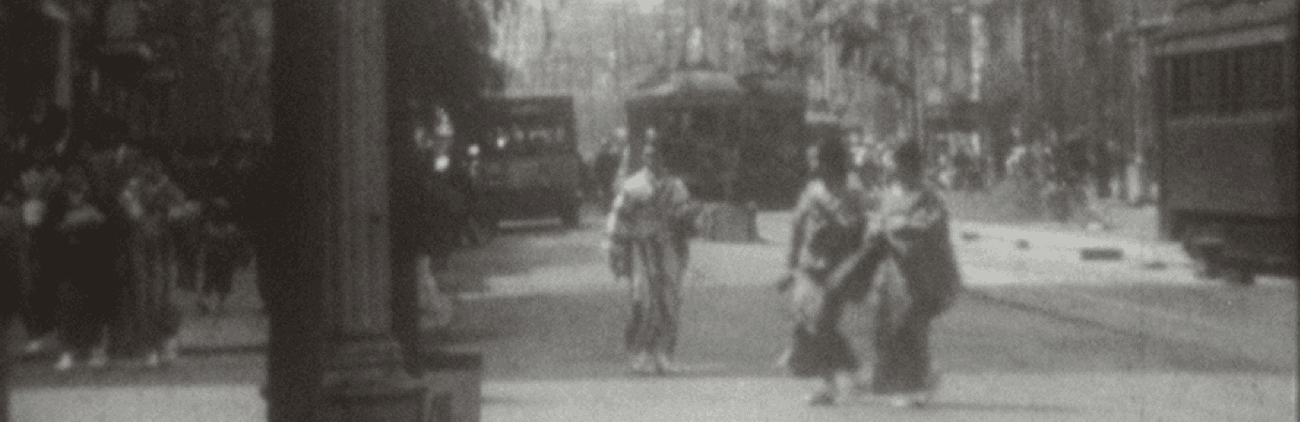
Old films, classics, and cinematic relics from the past always hold a certain allure. In these moving images, we see the spirited youth of the 1990s fighting for creative freedom, the vibrant chaos of 1980s Japan, and, through the pioneering lens of Taiwanese home-movie maker Deng Nan-Guang, fleeting moments of beauty from the Japanese colonial era. And of course—let’s not forget the soulful rhythms of Cuba’s legendary old-school jazz musicians.
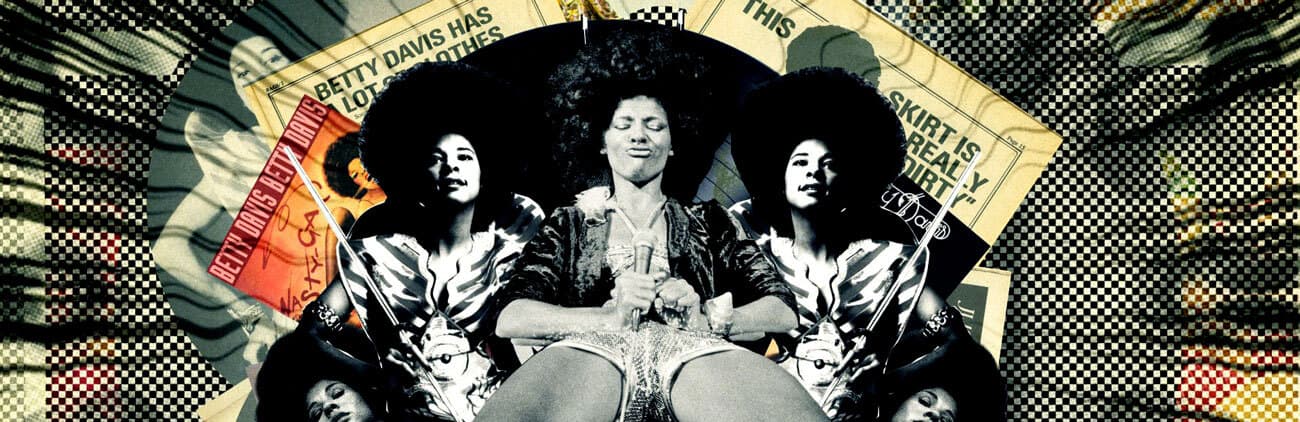
Music and sound may seem fleeting, yet they leave lasting impressions in the hearts of listeners—sometimes even becoming songs passed down through time. Beyond sensory pleasure, the act of creating sound often carries a message shaped by a specific social context. Whether it is to resist mediocrity or to resonate with the land of daily life, sound conveys cultural memory and helps bring individuals together.

While watching a film, you’ve surely thought—if only I were there. Whether it’s the breathtaking landscapes or the long, winding paths walked by the characters, something pulls you in. John Berger once asked, “Did you come by photograph or by train? Every photograph is a means of transportation.” Let these documentaries be letters from afar— delicate invitations to places you’ve never imagined, and journeys you’ve never taken.
Music is the voice of a generation’s thoughts—fleeting, perhaps, but powerful enough to leave a lasting mark on those who listen. Some tell their stories through melodies; others move us with the raw emotion of their voices. They sing for themselves, for their time—and in doing so, they become legends. Giloo presents 10 biographical films about iconic musicians. Discover how they used music to tell the story of their era—and their lives.
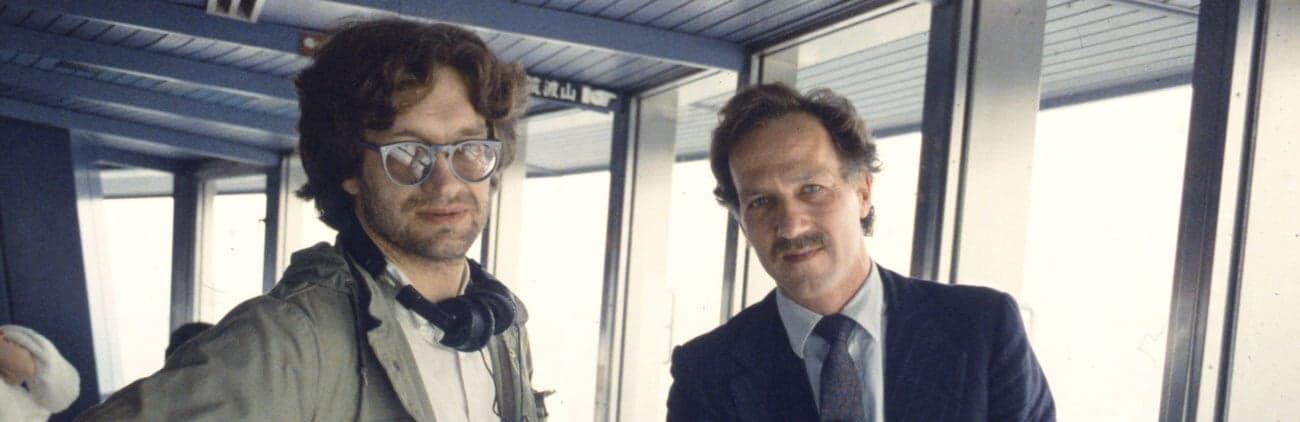
German contemporary master Wim Wenders captures the poetry of everyday life through his lens. Whether retracing the footsteps of Ozu Yasujirō as a devoted admirer, or uncovering the soul of unknown musicians in the heart of Havana, Wenders reveals profound reflections on himself and his work. Giloo presents a curated selection of Wenders’ timeless classics—step into his journey and witness how a master sees other masters, and the beauty of ordinary lives.
With 8 live-feed cameras, 75 puppets, 20 miniature sets, and live music, this surreal jazz dream unfolds with Chaplin-style silent humor and cinematic magic. The world-renowned, top-tier DJ Kid Koala returns with his latest masterpiece: “The Storyville Mosquito.” In this multi-media performance that blends theater, film, and concert, a tiny mosquito arrives in the dazzling metropolis, chasing a dream to perform alongside a legendary jazz band at the iconic Sid Villa’s Music Hall. Along the way, his journey is full of twists and turns—but also serendipitous friendships that become his greatest treasures. “The Storyville Mosquito” comes to life through master puppeteers, real-time projection using live cameras, and genre-bending DJ sets. The puppets breathe and move to the rhythm of dreams, and every performance is entirely improvised and unrepeatable—just like every dreamer’s journey: small, yet beautifully irreplaceable.
As a member of one of this island’s minority communities, I’ve often felt misunderstood. But I have never been afraid to tell others who I am, where I come from, or where my cultural roots lie. Beyond documentaries about Taiwan’s Indigenous peoples, I feel a deep resonance whenever I see other communities that still hold onto the vitality of their traditions—those rooted in nature-based beliefs, with distinct rhythms, music, and an honest, grounded beauty in everyday life. It is our plurality that forms a people, that shapes culture. We are different—and it is in those differences that the world finds its beauty.
For those of us who love music, beyond immersing ourselves in listening and appreciation—have we ever wondered what sounds and music have gone through in their journey of development? From modern-day film sound designers to distant Cuban musicians, we trace the evolution of music back to the origins of Taiwan’s pop music in the 1930s—before it was abruptly silenced by war. We continue through the political upheavals of the 1950s, and finally return to the most intimate sound we all encounter: conversations with our family. (Photo courtesy of: Taiwan Beats)