

In 2026, the Golden Horse Film Festival and the Judicial Yuan join forces for the eighth year to present the “Golden Horse X Judicial Film Festival.” The event has earned widespread acclaim from the industry and audiences alike, while its post-screening Judicial Forum draws not only general moviegoers but also many law students who come to listen and take part in the discussions. This year’s six outstanding selections—To Be Ordinary, Shadow Work, The Seoul Guardians, Prosecution, 17, and A Place to Heal—will all have their Taiwan premieres. Through cinema, audiences will witness the challenges of criminal investigations, the circumstances faced by sexual assault survivors, and the remorse and compensation that follow a traffic accident. The films also open up broader institutional discussions closely connected to Taiwanese society, including constitutional democracy, child and adolescent mental healthcare, and domestic violence protection orders. In addition to the Taipei Golden Horse Film Festival, the films will be screened in Taichung and Kaohsiung, with post-screening talks. Since tickets went on sale last Sunday, many Taipei screenings have sold out within moments. Interested audiences are encouraged to take advantage of the screenings in Taichung and Kaohsiung.
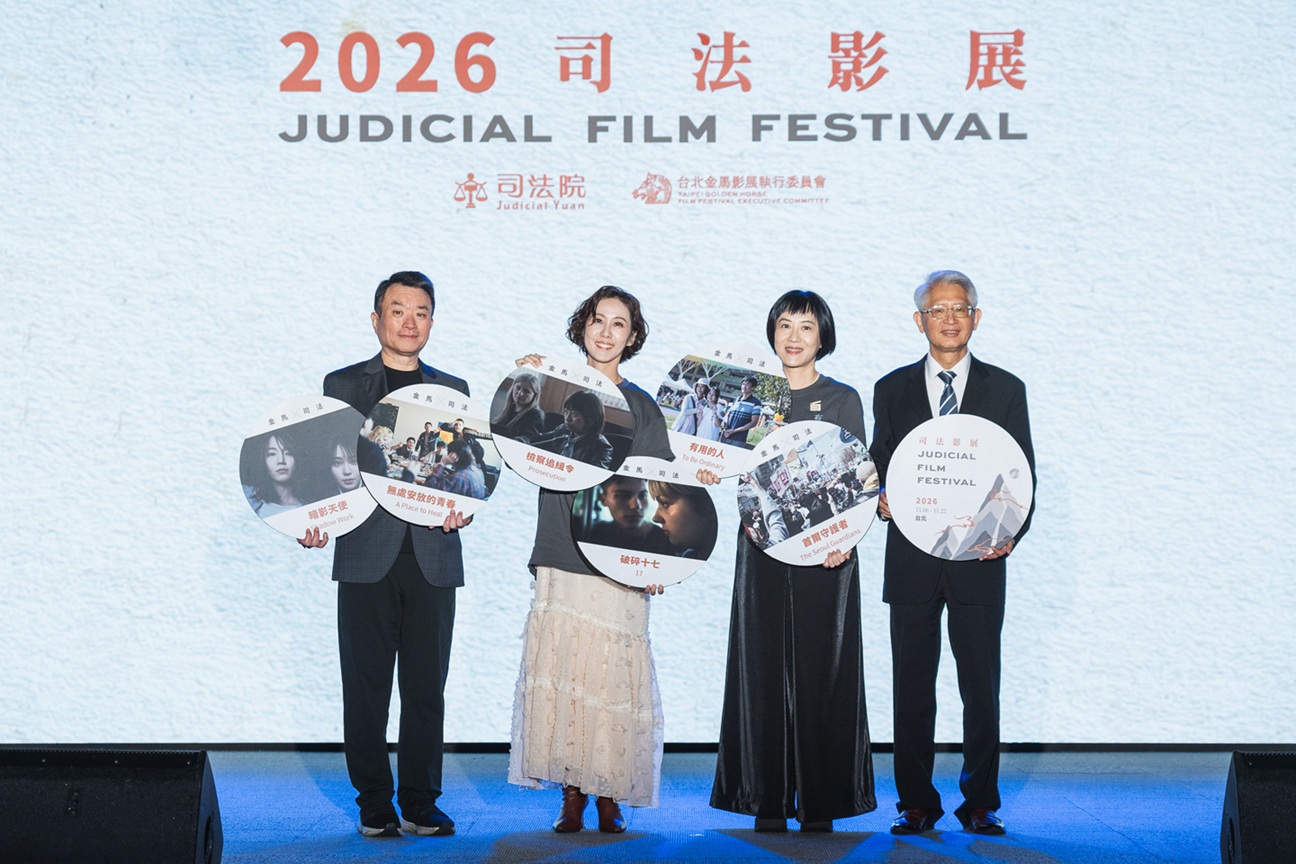
The opening press conference for the “Golden Horse X Judicial Film Festival” was held today (November 4), with Judicial Yuan Acting President Shieh Ming-yan, To Be Ordinary director Lee Yun-chan, and lead actress Chang Shih-ying in attendance. Acting President Shieh said: “I am delighted to represent the Judicial Yuan at the Judicial Film Festival. The festival serves two major purposes. The first is to communicate and engage in dialogue with society. Through these films, we hope people will understand what kinds of issues arise from legal matters and how they affect each individual. The second is for the judiciary to engage in dialogue with itself, particularly judges. The narratives in these films can help judges gain a deeper understanding of the impact court proceedings can have on the parties involved. This is a form of education and learning for judges themselves and can be tremendously helpful when they later hear similar cases.” Acting President Shieh also encouraged more legal professionals to enter the film and television industry, noting that some legal professionals write excellent screenplays. If they could transform their professional experience into cinematic stories, the results would be more concrete and could offer greater inspiration to society.
To Be Ordinary director Lee Yun-chan also said she was honored to take part in the Judicial Film Festival. She joked that she had previously played roles such as lawyers and judges and always felt somewhat guilty doing so, and hoped the post-screening discussion with members of the legal community would offer her further insight. She also shared the origin of the film: “It began with a distant relative who went through something similar. The person responsible for the accident felt deeply remorseful and paid a large sum in compensation, but the news only reports hit-and-run cases, not stories like this. So I wanted to know what the person responsible was thinking. I do not know what the ultimate answer is, but I hope they can reach a place where they can find peace with themselves.”
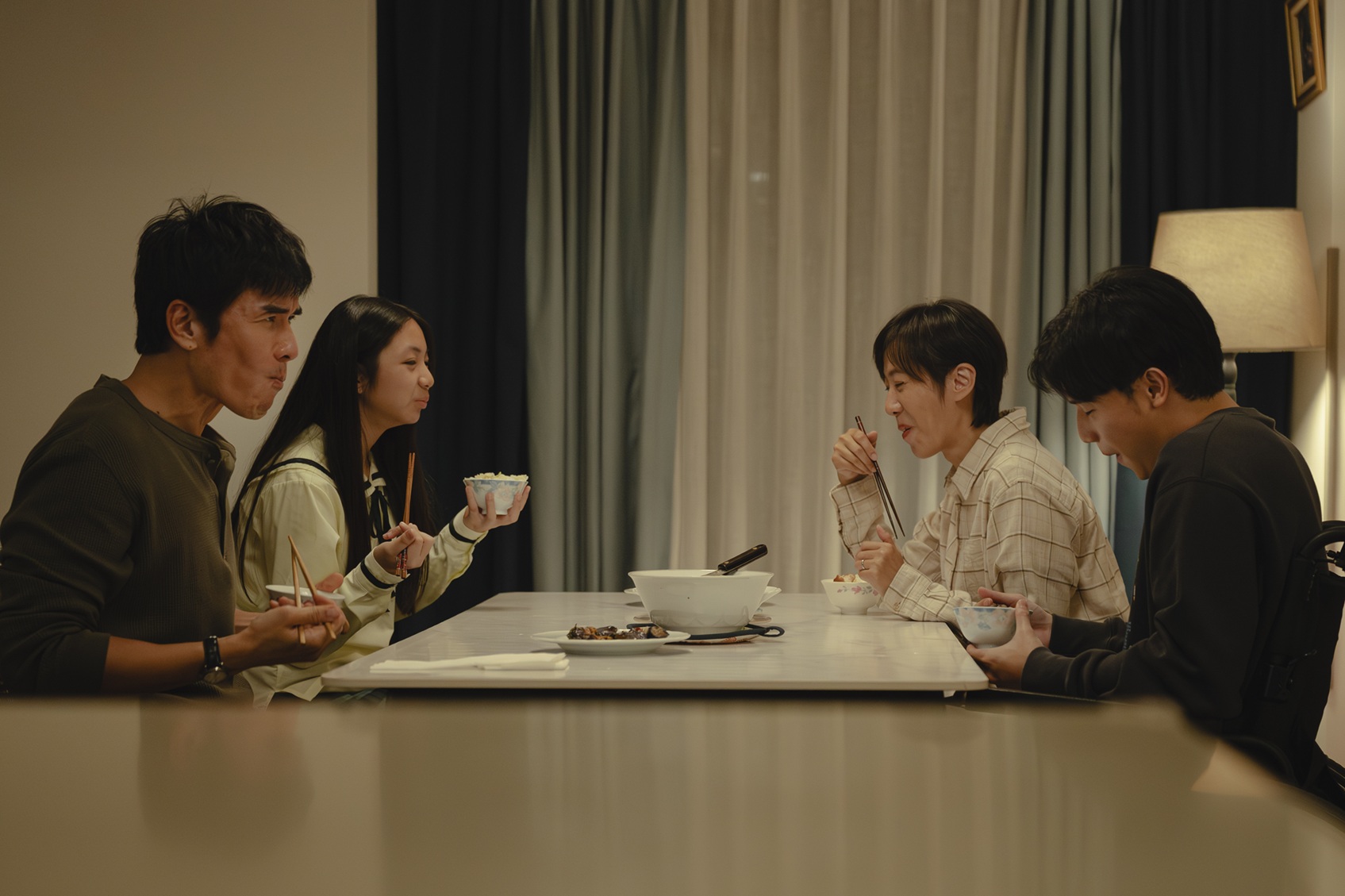
Golden Horse winner Chang Shih-ying won the Golden Bell Award for Best Supporting Actress just last week for her outstanding performance. In To Be Ordinary, she takes on the role of a mother doing everything she can to hold her family together. Chang said: “When people experience a major accident, they usually have a strong desire to repair what has been broken. The law provides punishment and restorative justice, but what we truly need most is emotional healing. This film also invites audiences to consider whether, in such circumstances, healing can take place not only financially but emotionally as well.”
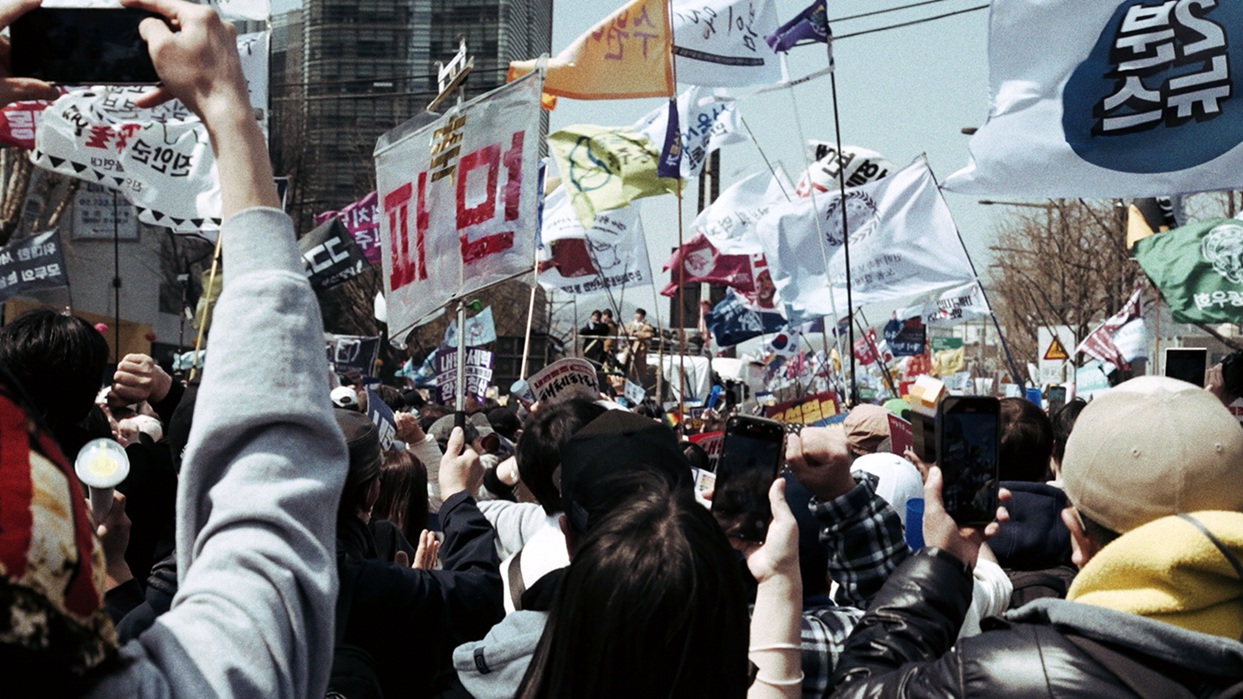
Golden Horse Executive Committee CEO Wen Tien-hsiang also introduced this year’s six carefully selected films to the guests. To Be Ordinary, which won Best Director at the Busan International Film Festival last month, marks The Shoe Fairy director Lee Yun-chan’s return to filmmaking after many years. Centered on the losses and gains set in motion by a traffic accident, the film redefines what it means to be a “useful” person. Yang I-chan, Chang Shih-ying, Hsieh Chan-jung, and Chen Pin-hsuan play a family transformed by upheaval, while veteran actor Liang Hsiu-shen portrays the elderly driver seeking to compensate for the accident out of guilt. Adapted from an award-winning novel, Shadow Work wraps women’s struggles in a suspenseful crime story. A shelter dedicated to women who have experienced abuse is found to conceal an unknown secret, with Riho Yoshioka and Nao playing an abused resident and the detective pursuing the case. The Seoul Guardians takes audiences directly into the night martial law was declared in South Korea in 2024, witnessing the perilous hours when democratic order hung in the balance. This breathless firsthand record has won audience awards at multiple international film festivals.
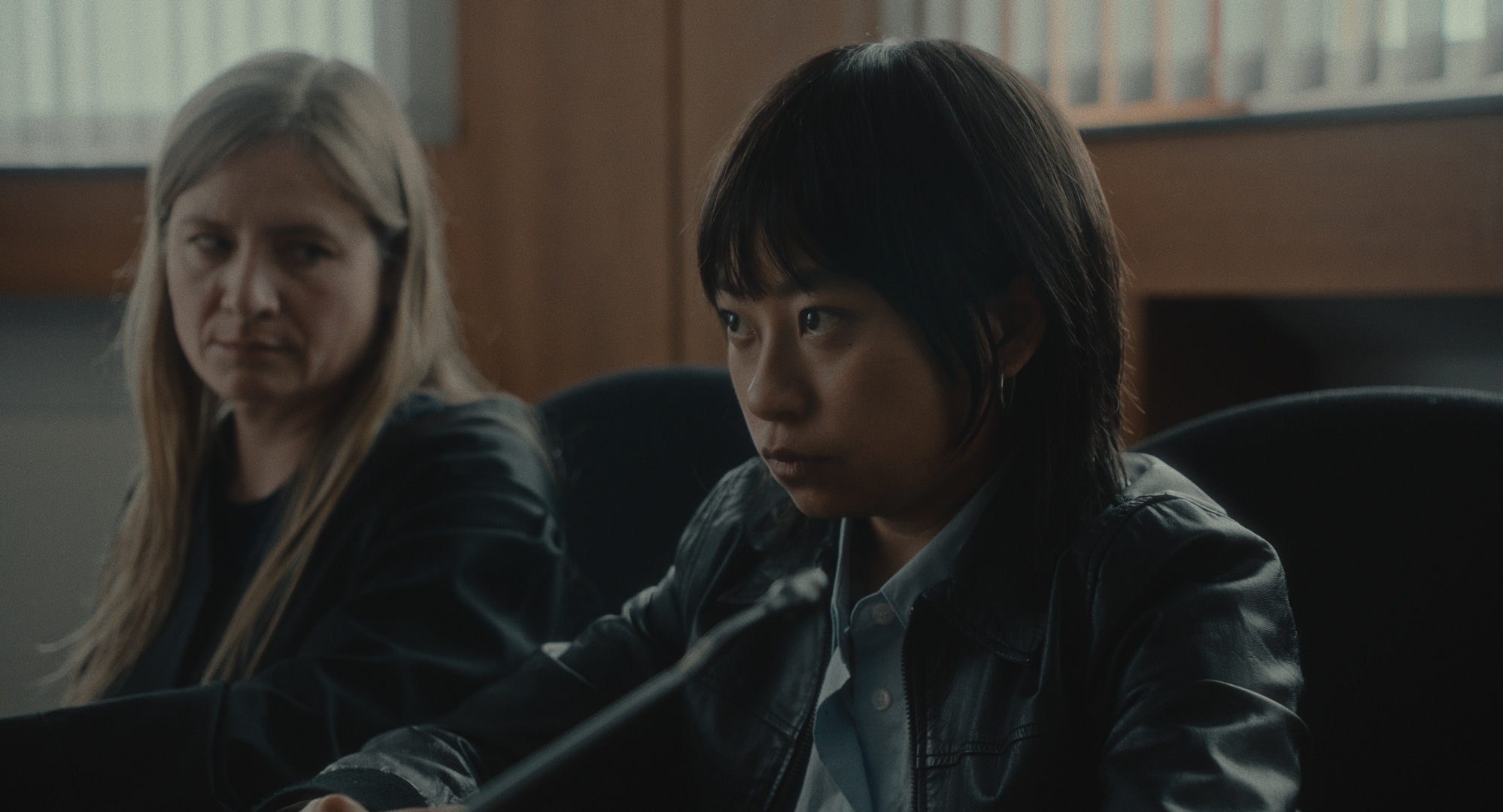
Prosecution follows a Korean-German prosecutor who is attacked, only to see her case handled carelessly. Interweaving a taut investigation with courtroom confrontation, the film points directly to collusion both within and beyond the system and won the Panorama Audience Award at the Berlin International Film Festival. Structured around a school field trip, 17 exposes the everyday violence endured by young women and confronts the repeated harm caused by enforced silence, humiliation, and imbalances of power. The film will represent North Macedonia in the race for next year’s Academy Award for Best International Feature Film. Winner of the Best Young Actor Award at the Venice Film Festival, A Place to Heal follows a girl into an adolescent psychiatric ward. Amid an overwhelmed healthcare system, the film witnesses the collision between emotional trauma and turbulent youth, searching for the possibility of healing beyond confinement.
In addition to screening in the Golden Horse Film Festival section “Beyond the Verdict,” the six “Golden Horse X Judicial Film Festival” titles will tour Taichung and Kaohsiung from November 14 to 15. In-depth post-screening discussions will bring together legal professionals and experts from different fields for interdisciplinary dialogue, extending the films into conversations about judicial issues and reflections on Taiwan’s current realities. For more information about the “Golden Horse X Judicial Film Festival” and ticketing, please visit the Golden Horse Film Festival’s official website. Information on the Taichung and Kaohsiung touring screenings is available on the Judicial Film Festival’s official website or Facebook page.
Images courtesy of the Taipei Golden Horse Film Festival Executive Committee