Director

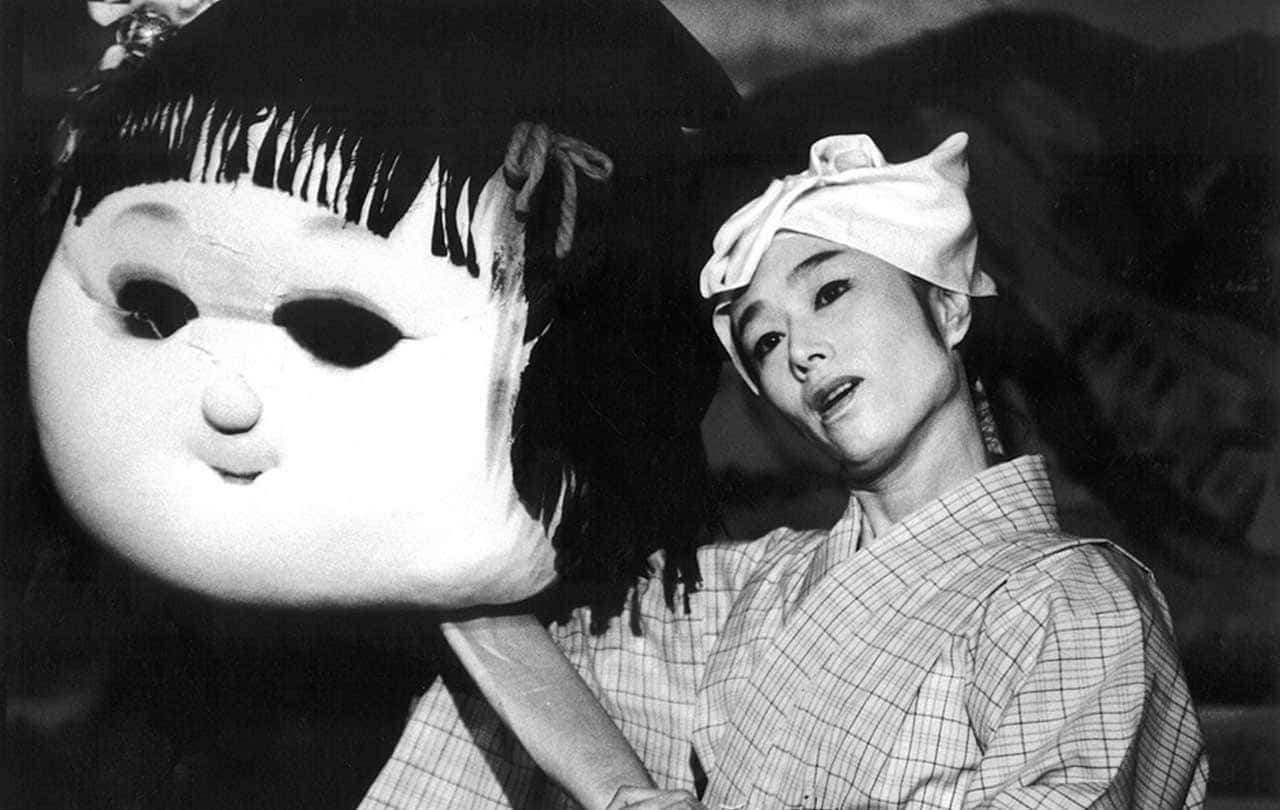
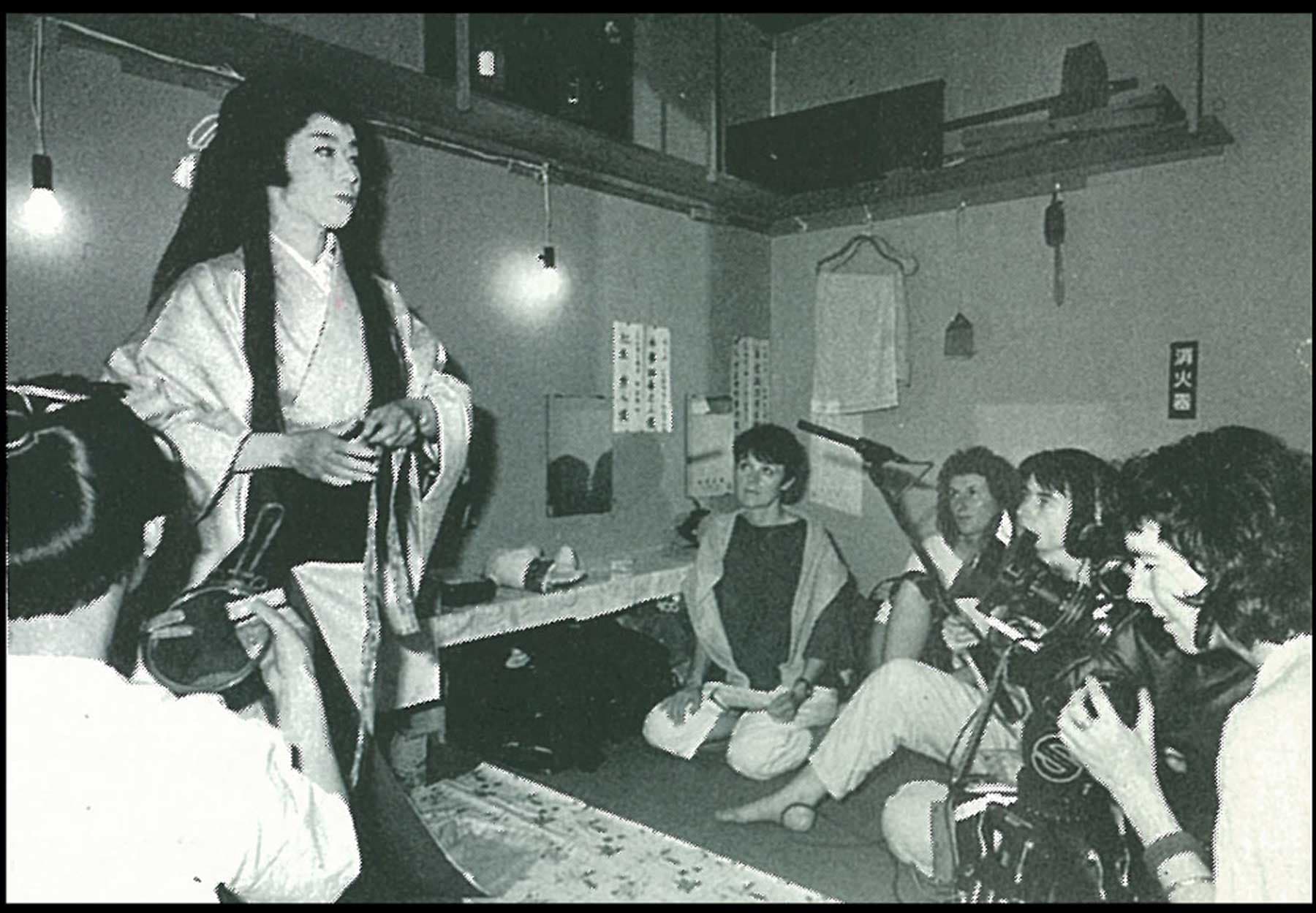
從1989年起直到2000年的十年裡,金.隆吉諾托(Kim Longinotto)一共拍了五部關於日本的紀錄片(以下簡稱「 日本系列」)。隆吉諾托當然不是日本人,她來自英國,至今作品量已累積至超過二十部的她當然也不只拍日本。一個拍了二十多部電影的導演,無論所拍是否紀錄片,都理應稱得上是多產,更何況身為女人。本文的重點不在於敘述⋯⋯

Japan—a land of paradox and fascination—has long captivated travelers from afar. With deep-rooted traditions that have withstood over 150 years of rapid Westernization, Japan continues to preserve a unique national identity and way of life, while also giving rise to a distinct and globally influential pop culture. This month, Giloo Documentaries presents a curated selection of films that explore the many faces of Japan. Journey with us across mountains and oceans, through surface and depth—encountering the worlds of fashion, Takarazuka theater, love hotels, fine cuisine, robotics, and contemporary art. Modern Japan is vibrant, eclectic, and often wildly unexpected—and these films capture its raw, untamed spirit.

Female power is finally on the rise! Nearly half of the world’s population is female, yet the attention and resources women receive remain disproportionately low. What are women thinking? Are they truly happy living in today’s society? Do they have access to the resources they need to fulfill their potential? Are women born gentle and obedient—or are they shaped that way? What does it take for a woman to become a woman? What kind of “femininity” has been predefined by families and social norms? These documentary films explore the many facets of womanhood—the struggles, the expectations, and the remarkable stories of women who defy conventions and fight to become their truest selves. Is female empowerment truly here? We’ve come a long way, but there’s still much more to do.
"Every part of the body has its own memory. All the trauma we’ve experienced is stored in our bodies."—Marina Abramović While curating this special Giloo playlist—limited to just five films—I slowly discovered what I truly care about. I’ve always felt that people are fragile. Everyone carries moments of sadness, loneliness, and pain. After much inner struggle, I chose five films that have accompanied me through some of the most significant times in my life. Each time I press play, the tears come naturally. I deeply believe in the healing power of cinema—its ability to connect people from vastly different walks of life through shared emotions. We are never truly alone. And I hope, through these films, we can all find a little strength and courage to shift our reality, even just a bit.
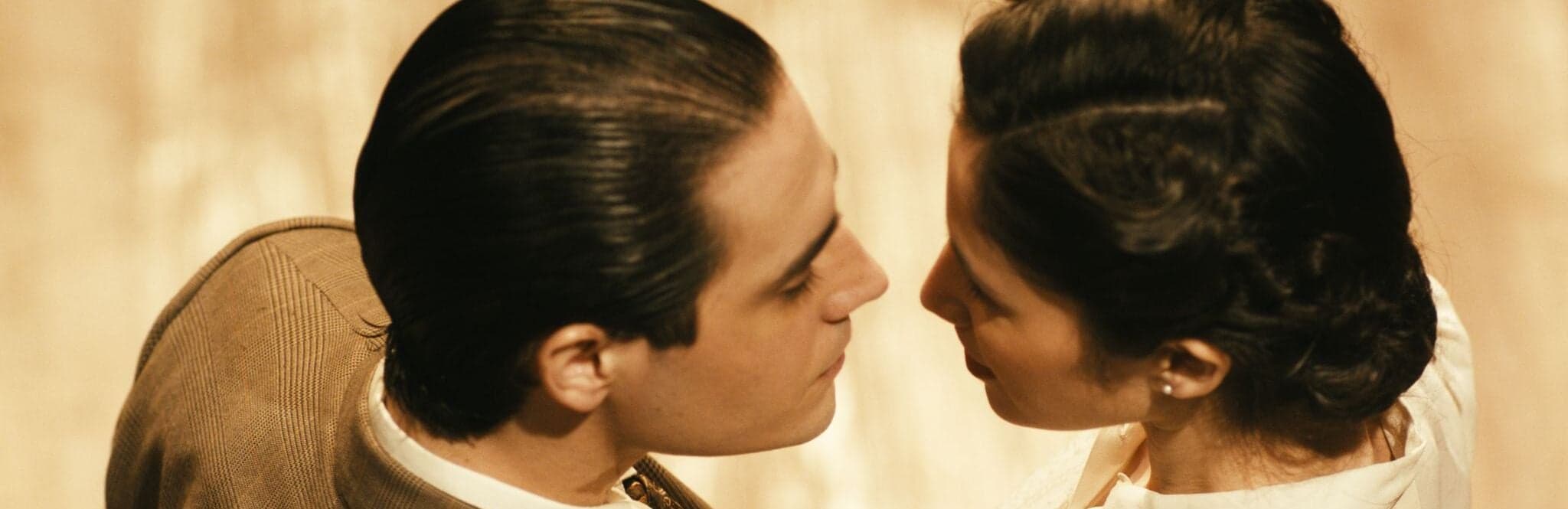
Because we have bodies—we dance. For all the fleeting emotions that language cannot carry, for the sighs that slip between chest and lips, for the searing songs that burn holes in our tongues, when words and sound fall short, the human body rises—our hands begin to speak, our feet begin to move. In the early 20th century, the phonograph arrived in Taiwan from Japan. Records traveled by train to Yilan. In Shanghai, Tokyo, and Taipei, stylish men and women danced the foxtrot. Desires became modern, love became free—by the riverside, in spring dreams, we declared: We are civilized women. Taiwan had entered the age of dance. But dancing isn’t always freedom. Japanese dancer Genjyu Hanayagi woke a sleeping dog with her body. She hadn’t yet shed the kimono—the garment shaped by a feudal system that once bound women. But the kimono would never devour her. As long as she danced, she could swallow discrimination whole. Argentinian tango queen María Nieves put on her flowing dress and danced her way out of poverty, out of the milonga halls, onto Broadway. It took her half a century to reclaim her steps—through deadly embraces and long gazes, through love and hate, intimacy and estrangement. Only when the music stopped did she find her freedom. When women aren’t dancing, is the body a work of art? A doll? The women photographed by the bad boy Helmut Newton dance even in stillness. He stares through the viewfinder—at them, at himself. Their gazes meet, a tango of vision. To gaze is to reclaim space for the body. Snails need no eyes to stake their claim in the world. They dance a love never known before—pure, entangled, silent. They lick the edges of dusk and morning, drawing desire in trails of slime. I love watching dance—sometimes I dance wildly myself. In these five documentaries, in their movements, I feel it again: the body being born. And with it, connection.
The Women Make Waves International Film Festival in Taiwan is Asia’s first issue-based film festival focusing on women. Since its founding 29 years ago, it has been dedicated not only to promoting women's work in cinema but also to introducing Taiwanese audiences to films rich in gender discourse and humanistic vision. Giloo presents a curated selection of award-winning and officially selected films from the festival — both fiction and documentary — inviting you to revisit and celebrate these powerful works.
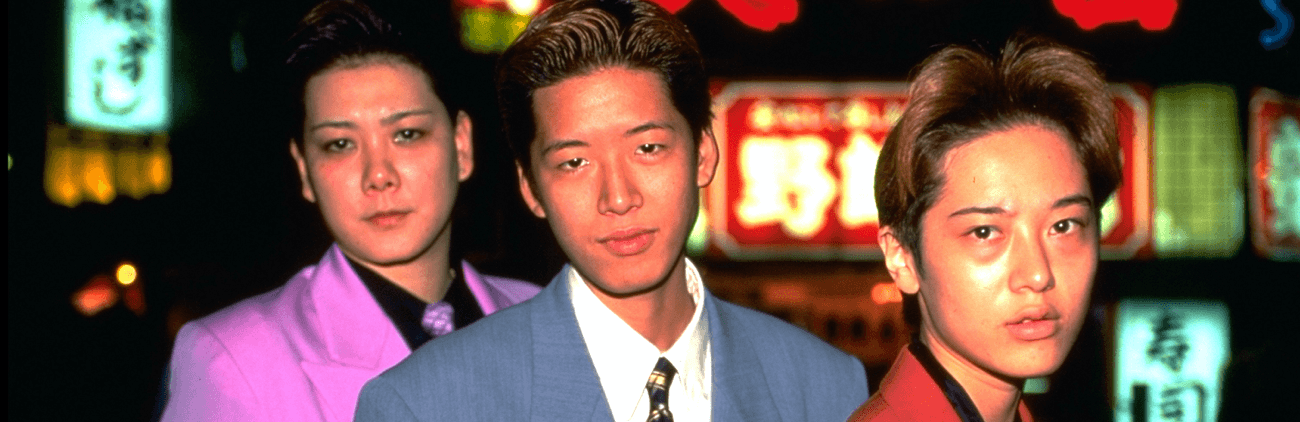
Kim Longinotto is a renowned British documentary filmmaker known for her unwavering focus on the lives of women facing discrimination and oppression around the world. Over the years, she has created more than 20 powerful and inspiring films. This curated series features five of her documentaries produced between the late 1980s and the 1990s, all centered on Japanese society. Through these works, Longinotto explores the roles and positions of women in Japan, offering not only intimate observations but also a rich cross-cultural perspective.
"One is not born, but rather becomes, a woman." There is no such thing as a woman who is born confident and radiant — we all stumble, search, and grow into the body image and way of life that feel most like home, learning slowly how not to dislike ourselves so much. Documentary films quietly and honestly reflect women in their most unadorned states — ordinary, oppressed, loathed, awkward, or uninhibited — and all of these are part of who they are.