1998

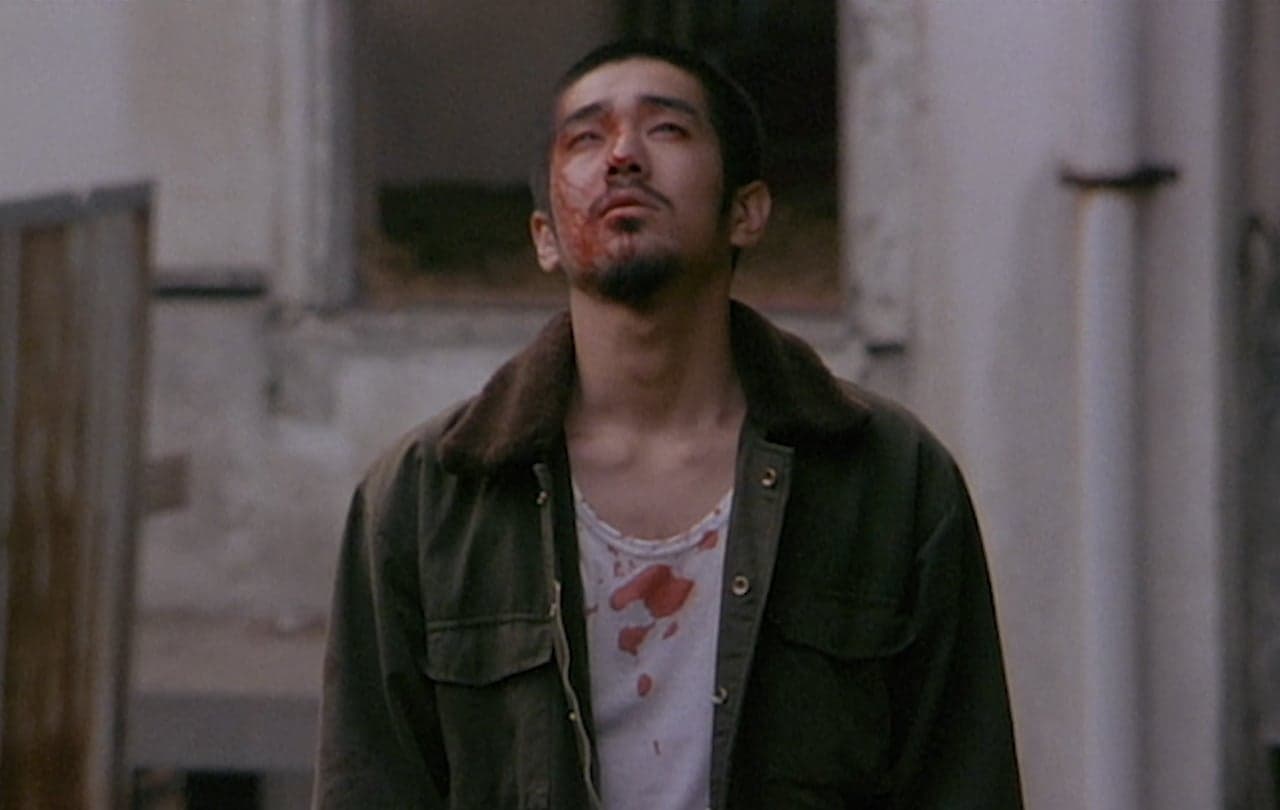
Directed by 熊切和嘉

剛好正在讀血色大地,更能理解透過暴力傷害確定信任的手段,以及大聲選邊站而默默旁觀的求生本能。跟蘇聯1930年代一樣,政府要職一個個親信替換並處決,維持權力一把抓;蘇聯大清洗也往往將人載到森林中槍斃,關押到廢棄學校中也像是流放到西伯利亞古拉格。年輕人經常信仰領袖魅力,但這生活中沒有超能力,只有短視近利、瘋狂愚昧的人性,令人難以忍受,但仍然忍受。
第一次看《鬼畜大宴會》時,看到的是殘酷的血腥,第二次看的時候,注意到的卻是狂笑。那不是帶有抵抗性的笑,主要角色的狂笑都來自權力鬥爭的殺戮與性愛。杉原的角色的設定非常有趣,一身樸素,完全不像運動份子,但她的狂笑卻最具殺傷力。那代表一種徹底的絕望。
1982年譚家明執導的《烈火青春》,是香港新浪潮的重要作品之一。其中,也加入赤軍的角色。赤軍叛離組織,逃到香港,殺手也跟著赴港,電影中的角色們陷入危機當中。香港新浪潮的作品當中,不乏加入國際元素的作品,也例如許鞍華1980年前後的「越南三部曲」─1978年香港電視台電視劇《獅子山下·來客》、1981年電影《胡越的故事》與1982年的《投奔怒海》。
《鬼畜大宴會》裡的音樂出色,擔任音樂製作的樂團「赤犬」,也是大阪藝術大學出身。以《鬼畜大宴會》為起點,赤犬也擔任多部熊切和嘉作品的音樂製作。赤犬的命名,有些無厘頭。團員們還在大阪藝術大學就學時代,聽到有女同學向旁人吹噓紅狗好吃。團員們覺得好玩,於是命名為赤犬。
《鬼畜大宴會》的助理導演山下敦弘,是熊切和嘉大阪藝術大學小兩歲的學弟。2011年山下敦弘將川本三郎的《我愛過的那個時代》翻拍為電影,再次探討1960年代的學生運動。2011年川本三郎的《我愛過的那個時代》在台灣翻譯出版後,曾引起討論熱潮。
 我愛過的那個時代:當時,我們以為可以改變世界
以聯合赤軍的凌遲為元素的電影,按年代別包括1985年小林正樹的《沒有餐桌的家》(食卓のない家)、1998年熊切和嘉的《鬼畜大宴會》、2001年高橋伴朋的《光之雨》(光の雨)、2008年若松孝二的《聯合赤軍實錄:通向淺間山莊之路》。
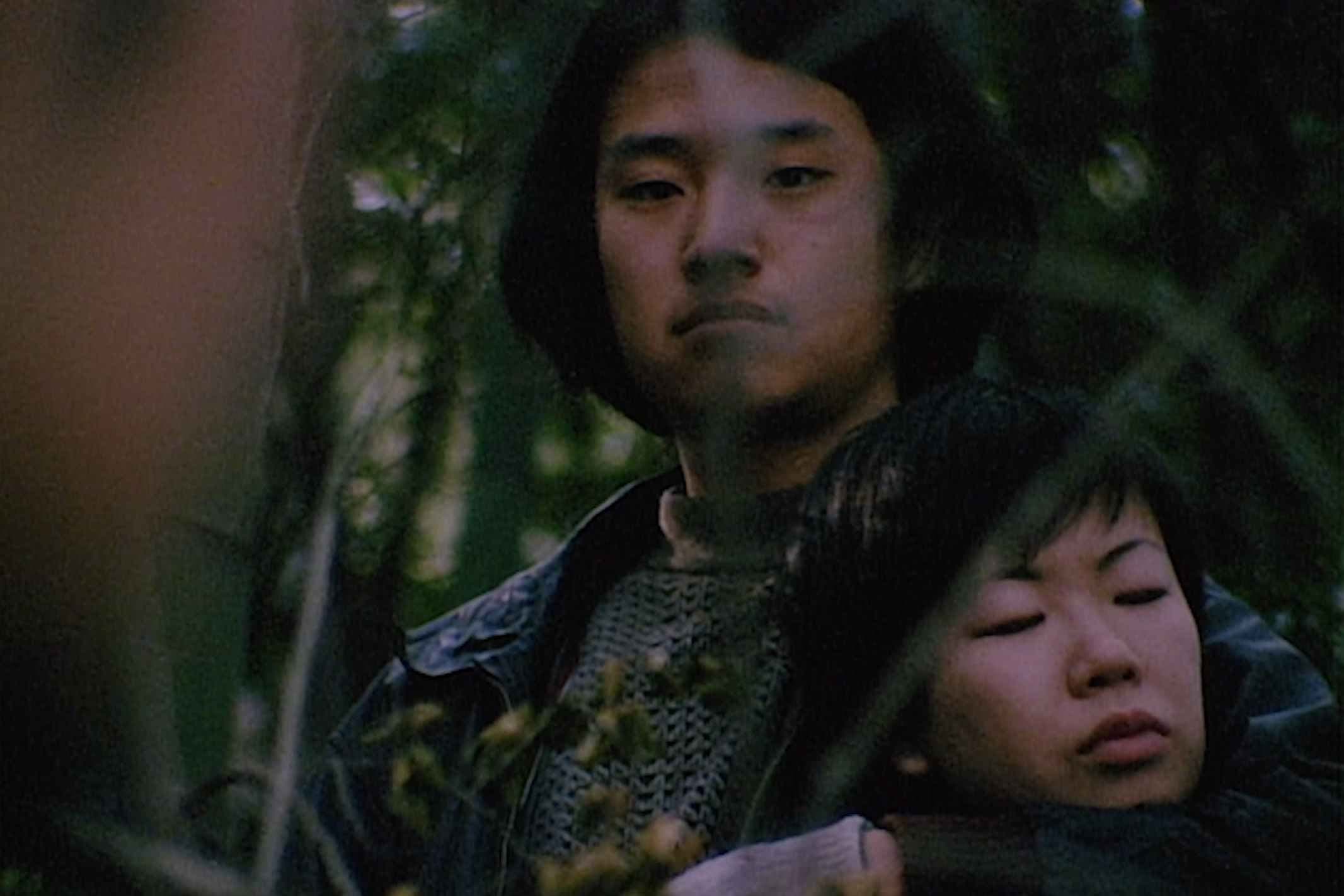
從 1971 年 12 月月底兩派合併為聯合赤軍,到 1972 年 2 月底於淺間山莊被警方攻堅,其間,內部發生多起以自我反省為名的凌遲事件,共計 12 名成員因此死亡。淺間山莊的攻堅行動,是在電視直播的情況下進行,當時收視率甚至將近 90%,可以說日本全國關注。攻堅行動之後,凌遲事件也隨之被公開,引起相當大的議論。《鬼畜大宴會》的故事原型,就是來自聯合赤軍的凌遲事件。
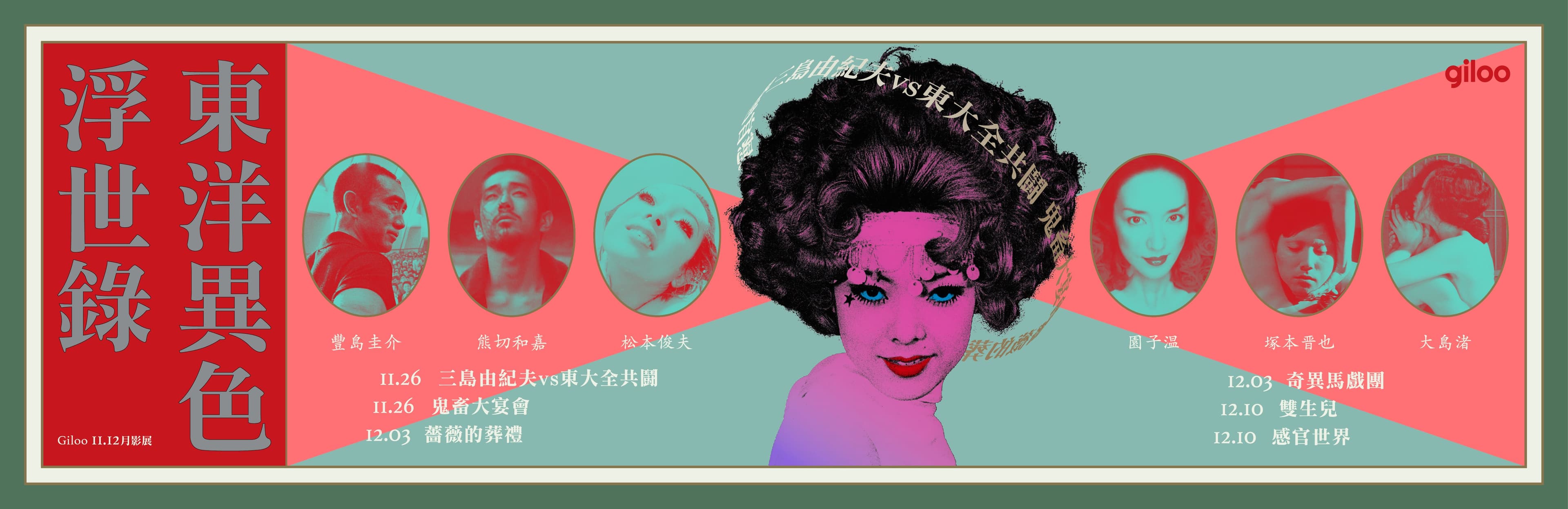
Some choose to change society through words. Some release pressure through acts of violence. Others exile themselves in sex. When values and beliefs collapse, what remains—ghosts or humans? In a world spiraling out of order, they descend into collective ecstasy and moral decay— yet also rise in fierce, unrelenting debate. They may be revolutionaries from Japan’s student movement era, a gay man reenacting the Oedipal tale of desire and patricide, or men and women consumed by the thrill of power and lust. But beneath these extremes of reason and emotion lies a common thread: a desperate, lucid critique of existence itself. Giloo presents six handpicked films from East Asia— each delving into a raw and radical human struggle on the edge of belief, where the urge to live collides with the desire to disappear.
I remember the summer break of my sophomore year—because I took over organizing our department’s cinema festival, I decided to stay in the school dorm all summer, immersing myself in a personal, sensory journey of film appreciation. One afternoon in the campus library, I randomly picked up Tsai Ming-liang’s The River. To my surprise, it quietly and calmly depicted the atypical family experiences I had kept buried deep inside. That film stayed with me—a teenager full of anxiety about life, unsure whether I could truly take responsibility for myself—through those idle, languid summer days. Back then, there was no fiber-optic internet, no AI-powered smartphones. Just light and shadow, casting a humorous yet absurd gaze upon the hardships of reality. So here I am, recommending this film—let yourself sink into the dreamscape of its story, and let it echo the realism of our own lives.