2017
Yamagata International Documentary Film Festival
亞洲新力單元

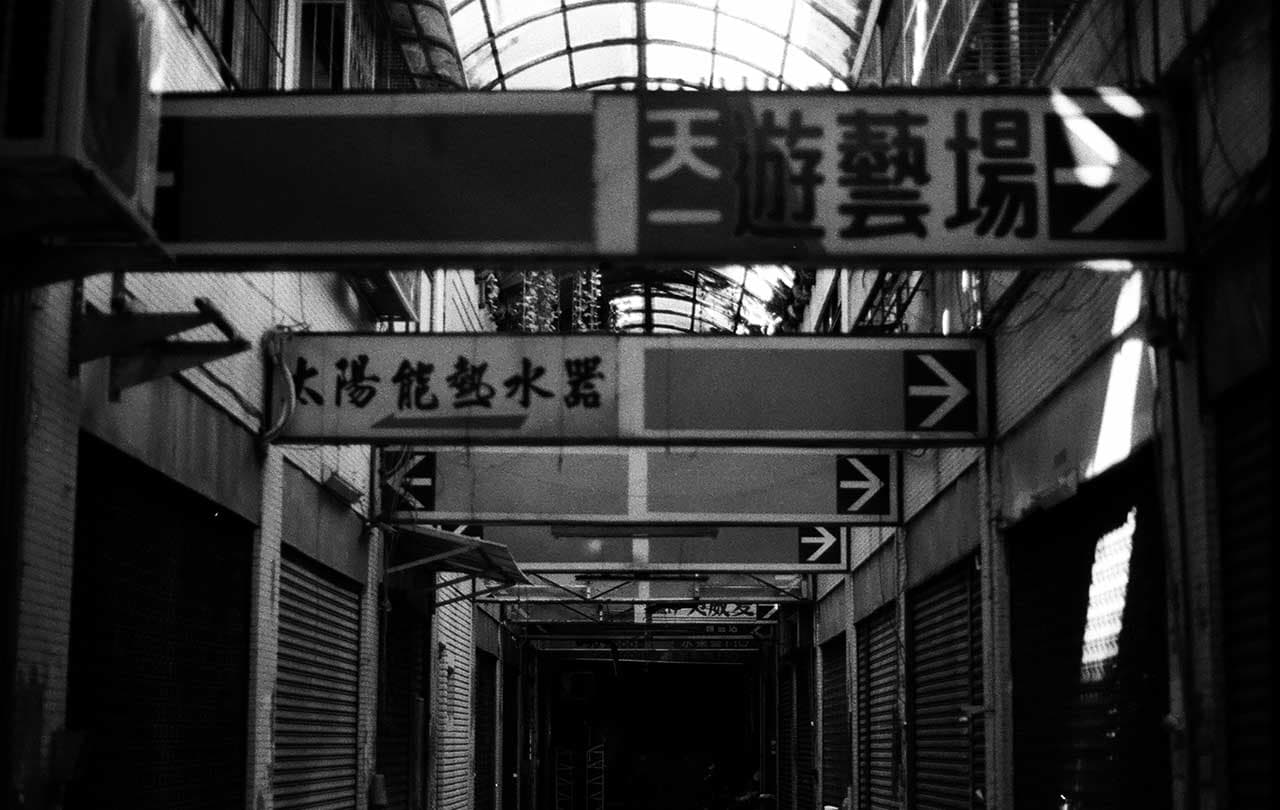

只能說很喜歡耶...是在一次南方影展時看ㄉ。 因為我曾經在那中國城附近長大,印象有一次媽媽帶去附近吃了一次蛋炒飯,我年紀很小大概幼稚園左右吧,然後一直往中國城走廊裡面看,我只覺得很害怕,因為很黑很暗。 高中了,聽說要拆了還是會有點兒難過,因為也算是曾經的回憶聚集地,曾經在那附近的橋下空地玩過滾球。
中國城是一個台南人懷念的地方,繁華的中正路底,非常突兀,但也是尋寶的好地方,可惜後來沒落了,因為規劃與管理失當,那個地方每成為龍蛇雜處,後來這幾年就被terminal結束營業了,本片的紀錄也讓大孩子的我們有個回味的印象,比較可惜是如果能夠記錄繁華時代就更好。 我在台北京華城也看到類似的問題,其實這個地方後來有點像是台中的第一廣場(後來改名東協廣場),什麼都有什麼都好玩,年輕的時候帶女友沒地方去,也是這裡可以逛,經濟能力不足,小東西買買,遊樂場逛逛,一天就過去了,真的很棒。這個地方沒有了,附近的國華街興起又是另一種風格,看到此片,衰落的中國城,不勝唏噓。
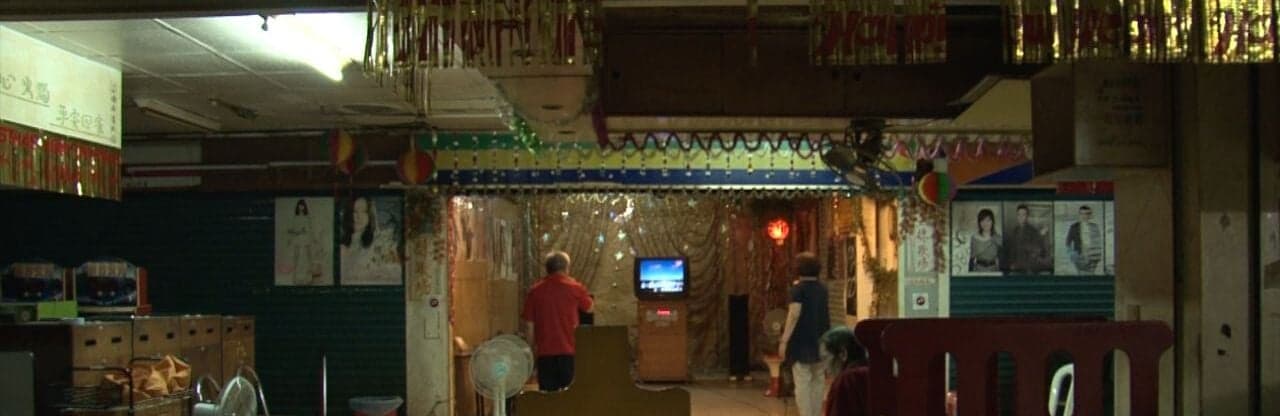
此片開頭以傳統卡拉OK的歌曲播放作為開始,接著進入到以黑白色調為主,並且紀錄著當時仍居住在中國城的居民對此地的描述,以及環境的寫照,用照片搭配著受訪者的旁白,最後回到彩色畫面,停留在歌曲結束的「來賓請掌聲鼓勵」宛如我們在唱某一首歌時,會墜入回憶當中,某些人、某些事、某些地方,在腦海中播映著過去,在最後歌曲結束時,我們感謝過去的一切,造就現今的我們。這首歌唱完,接著下一首,寫新的故事。
看到這部紀錄片,令我不勝唏噓,沒想到在當年如此繁華的中國城,也會有結束的一天。 導演陳君典對此地所提出的「建築物也有自身的輪迴嗎?」讓我不經去思考人與建築之間的關係,因為建築不僅能代表不同時代的衰變,也盛載著許多人的情感與人生,是與人最緊密的結合。 然而萬物皆如此,都有其輪迴與命運,中國城的結束,是另一個開始,所有的過去成為「歷史」,它以新的樣貌重生於此,寫新的歷史,包容著下一代的人。
中國城,在我小時候的記憶中,是姊姊會帶我去玩樂的地方,每個樓層確切是什麼我已經不記得了,但是對於裡頭的美食廣場印象深刻,想起在那擁擠的人潮之間,尋著想吃的美食,坐在那裡一同享受,歡樂的氣氛,滿滿的人情味,與旁人都能聊上兩句。 那時候中國城對於臺南人來說,是最有趣的地方,因為不僅有中國城可以逛上一整天,延伸出來的中正路,更是一整條最熱鬧繁華的地方。
片中部分的配樂,是導演收錄現場的環境音,以放大五十倍、一百倍地放慢處理。放慢的方法,讓整部影片以及中國城給予導演的感覺是契合的,因為中國城像是一個被時間所遺棄的場所,因此將許多環境音做這樣的處理。 (取自《紀念中國城》導演陳恩典於日本山形影展訪談 https://reurl.cc/Rrzear )
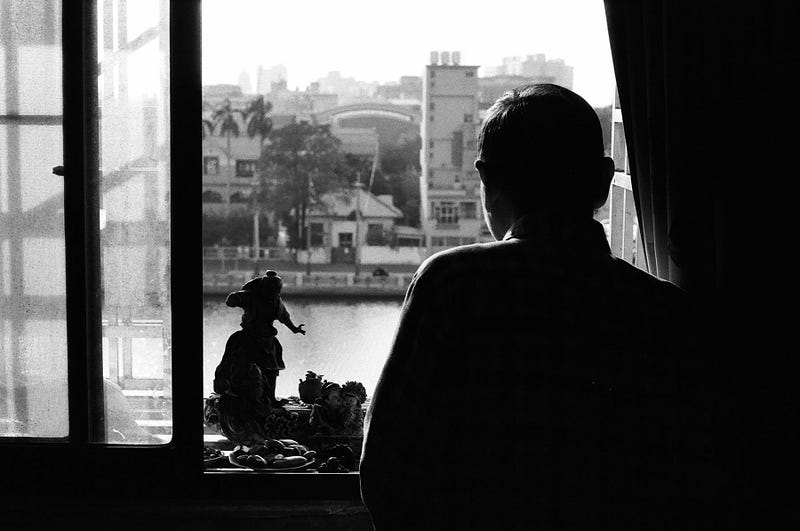 /建築衰變的靜止時間:《紀念中國城》導演陳君典於日本山形影展訪談 | Giloo紀實影音
台南中國城,是位於台南中西區一棟住商混合的大型建築,在1983年興建而成,外觀設計仿中國傳統式建築,是1980年代最流行時尚的聚集地。由於1993年海安路的拓寬計畫,阻斷了人潮,為了走到中國城必須繞道而行,使得中國城的人潮逐漸變少,因而沒落。 為配合海安路景觀工程,於2016年拆除,改建為親水廣場,名為「河樂廣場」,是目前台南市最大面積的親水廣場。
在「赤崁當代記」這裡,可以看到對錄像藝術與古蹟結合的展示方式之經營,亦即透過錄像藝術呼喚觀看與場所經驗結合的裝置方式。這 種對展示細節的敏銳將會成為在此不容易透過文字進行再描繪的展覽氣質,因為它並未忽略背景,或者說,這裡沒有空白的展間。 透過暗示性的小技巧協調著參與者的身體姿勢或視角,也在作品之交錯與互動的相互影響中,成為讓策展敘事方式有別於黑盒子展示空間的力量支點。 最明顯的例子是陳君典 2016 年的《紀念中國城》。變焦鏡頭逐漸從投幣式卡拉 OK 唱機螢幕畫面拉遠,揭開影片序幕;也在象徵著曲終人散的片尾,逐漸 zoom in 無人的歡唱空間。在尾聲的「來賓請掌聲鼓勵」之後,螢幕升上關於中國城興亡史的文字簡述。 在實際的展覽空間中,作品模擬歌唱空間的螢幕加座椅配置,這是以投影為主的展覽中唯一使用螢幕呈現的作品,形成呼應影片內容的錄像裝置。 這樣的錄像裝置確實像個雕塑般穩固的展示手 法,或許正是藝術家所說的,這部紀錄片之拍攝像是立了一座紀念碑,「以影像為碑體,居民口述為碑文,紀念一片即將逝去的地景。」 做為與《紀念中國城》主題與影像的互文,在市民影像類的作品中,2014 年的《城中城》同樣以拆除前的中國城為拍攝對象。導演吳妍萱採用劇情片的手法,年輕的男性管理員與可能代表著鬼魂、地靈或建築物化身的年輕女性相遇,穿梭在拆除前夕的半毀棄建築空間中;並以煙之狀態、何謂居住、存在與記憶 等對話內容,為今日已不存在的中國城保留了最後的影像。 —— 節錄自王振愷《光源下放電影:南方影展二十年》,頁191-192 https://www.books.com.tw/products/0010926050
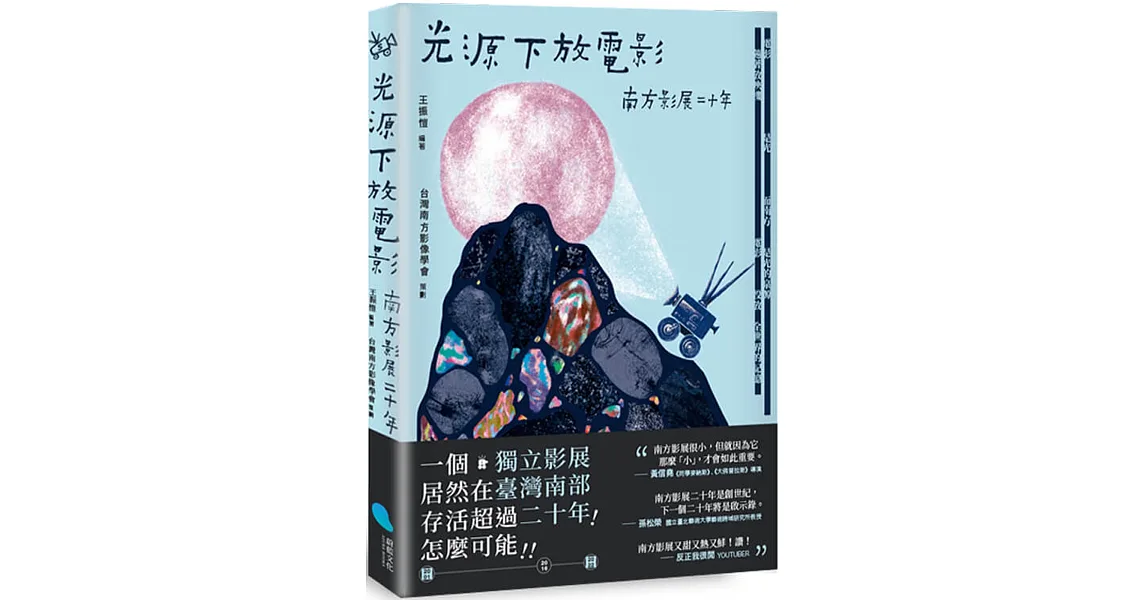 光源下放電影:南方影展二十年
河流與城市的關係是血脈相連的。做為台灣最古老的城市,台南與周遭的往來依傍河灣而得以發展,最早始於荷蘭時期,介於赤崁與安平的台江灣,已是舟船往來頻繁,溝通兩聚落並發展為中國、日本貨物的海上轉運樞紐。在明鄭時期,安平港水道日漸淤淺,⋯⋯
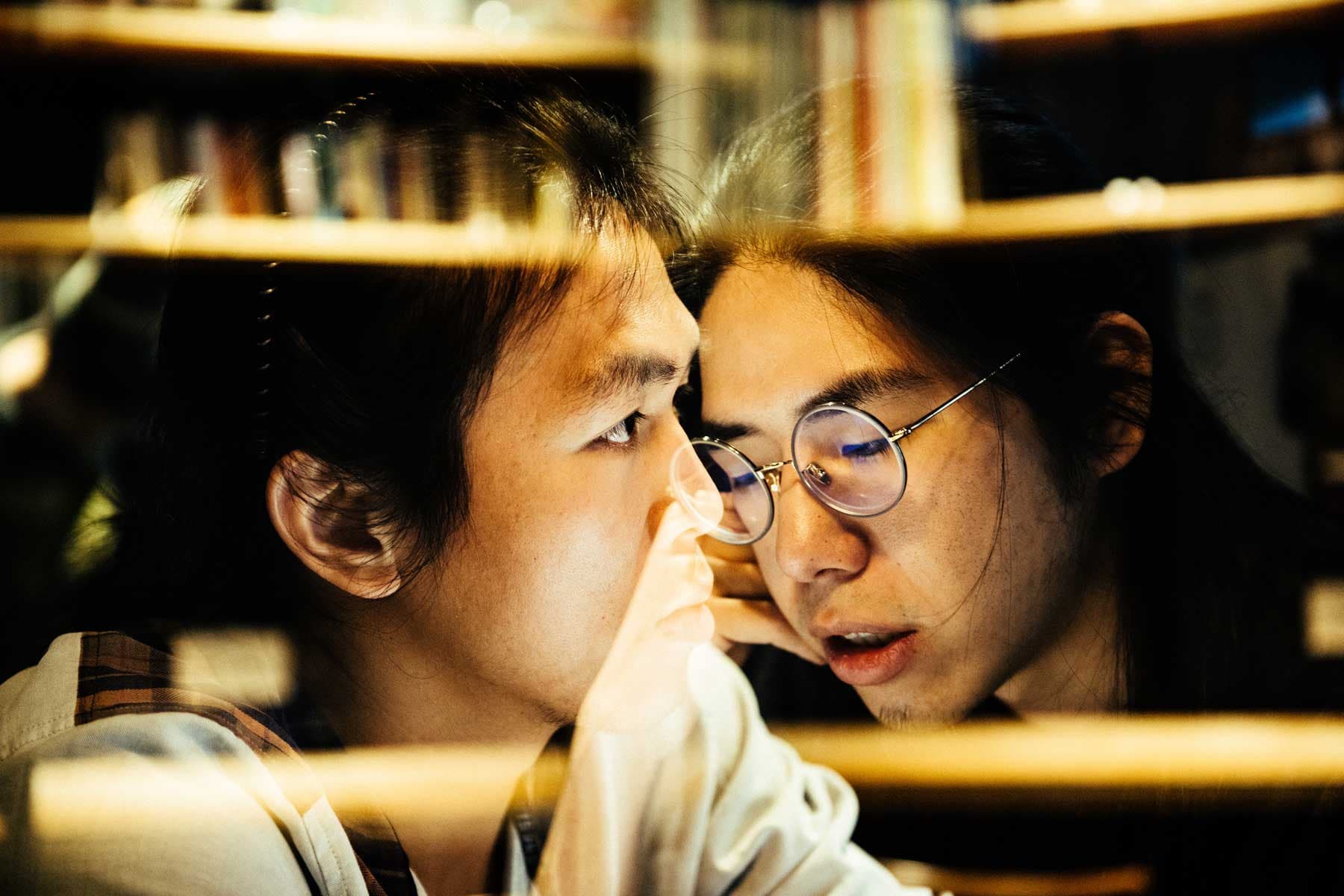
《紀念中國城》跟《錢江衍派》剛好是陳君典和李佳泓各自的第一部作品,這兩部紀錄片展現出對形式或歷史的深刻反省。《紀》走進台南中國城這棟特別的建築物,以靜照與聲音的音畫對位,帶出殘存在此居民的生活細節及內在;而《錢》藉由邀請父母一同拍片⋯⋯
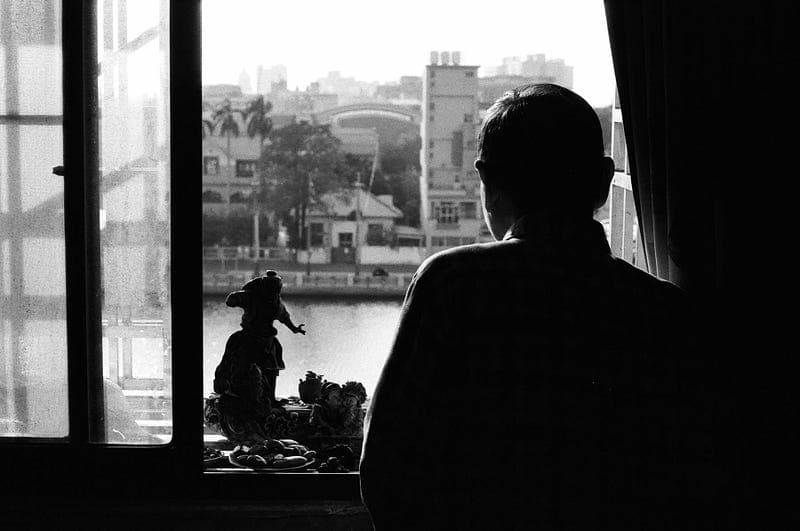
那先讓我們談談看完電影後的感受吧。可能影片中的情況在很多城市都會發生,隨著城市開發,一些其實很漂亮的大樓漸漸成為廢墟。隨著政策的改變,這棟建築物的變化讓我感受到,讓我有種說不出的特別印象。在山形影⋯⋯

樹立於台南中正路尾超過30年的中國城,是凝縮台南人回憶的怪異所在。它的怪異來自於內蘊高度的混雜性:觀光商城混雜情色產業,龍蛇雜處、暗藏春光,迷宮般的空間,隱藏著情慾、胡鬧、怪誕的氣息,它是一個神祕的不思議。
No matter where you are, not just in Taiwan, international movie fans can easily watch too! The first wave of films from emerging creators are now live in our international section. Featuring top selections from prestigious film festivals like Golden Horse Awards and Golden Harvest Awards, as well as many highly anticipated emerging works for you to explore anytime, anywhere!
“If a person stays in a place long enough, part of their soul will remain there.” These words, spoken by the protagonist of my documentary, not only profoundly shaped the way I see my hometown and the places where I grew up, but also became a kind of revelation. I used to fear that these places would become unfamiliar, or even disappear entirely. Yet this sentence taught me how to look gently at disappearance and loss. The films in this program gaze upon living, breathing lives, observing how each person leaves a part of their soul in the places where they have lived, wandered, or stayed.
Giloo presents award-winning festival favorites, buzzworthy films, and thought-provoking documentaries, bringing together diverse themes and compelling stories. Step into the Spotlight Screening selection and discover films that have captured attention, sparked discussion, and are well worth revisiting.

There’s something deeply captivating about the light and shadow of a bygone era. Classic and vintage films carry the spirit of 1980s and 1990s Taipei—woven with memories, youth, and the passage of time. Through these images, you’ll catch glimpses of everyday life and the sense of freedom that belonged to that time.
Other than observation from the center, the South Taiwan Film Festival serves as reflections on social stereotypes, the perspectives of locality; of course, there are over two decades of expectation of avant-garde spirit. By a serious of recommendations of South-Award and panorama programs, along with Giloo, we feast you with the most vivid spirit of the South.
Before the pandemic, mobility was becoming not just a choice but a necessity—almost a defining feature of modern life. And yet, ironically, it was also becoming harder. You might have held romantic notions about mobility—traveling abroad, for instance. Even the quiet sorrow of Up in the Air still seemed glamorous enough to earn an envious “so lucky, you get to travel so much” at dinner parties. Frequent flyer programs became subtle indicators of social class. But let’s not forget—migrant workers are also people constantly on the move. Signing a work contract and flying into a new country or city—just like many of us—they land, and beyond the job at hand, they must figure out how to live. Food, shelter, transportation… survival isn't just about instinct, but also a reflection of how open and welcoming a city can be. You might get to choose where you live. Or not. Once the commute is sorted, what matters most could be: Where can I grab a bite? Is there a pharmacy or hospital nearby? (Yes, that reveals the writer's age.) Is there a place for a good massage? Where can I meet friends for a drink—or maybe meet someone new? Once those questions are answered, the place starts to feel liveable. Even if it’s just for three months. And love, while in transit, rarely fits into tidy boxes like monogamy shaped by economics and productivity—but that’s a story for another time.