Director

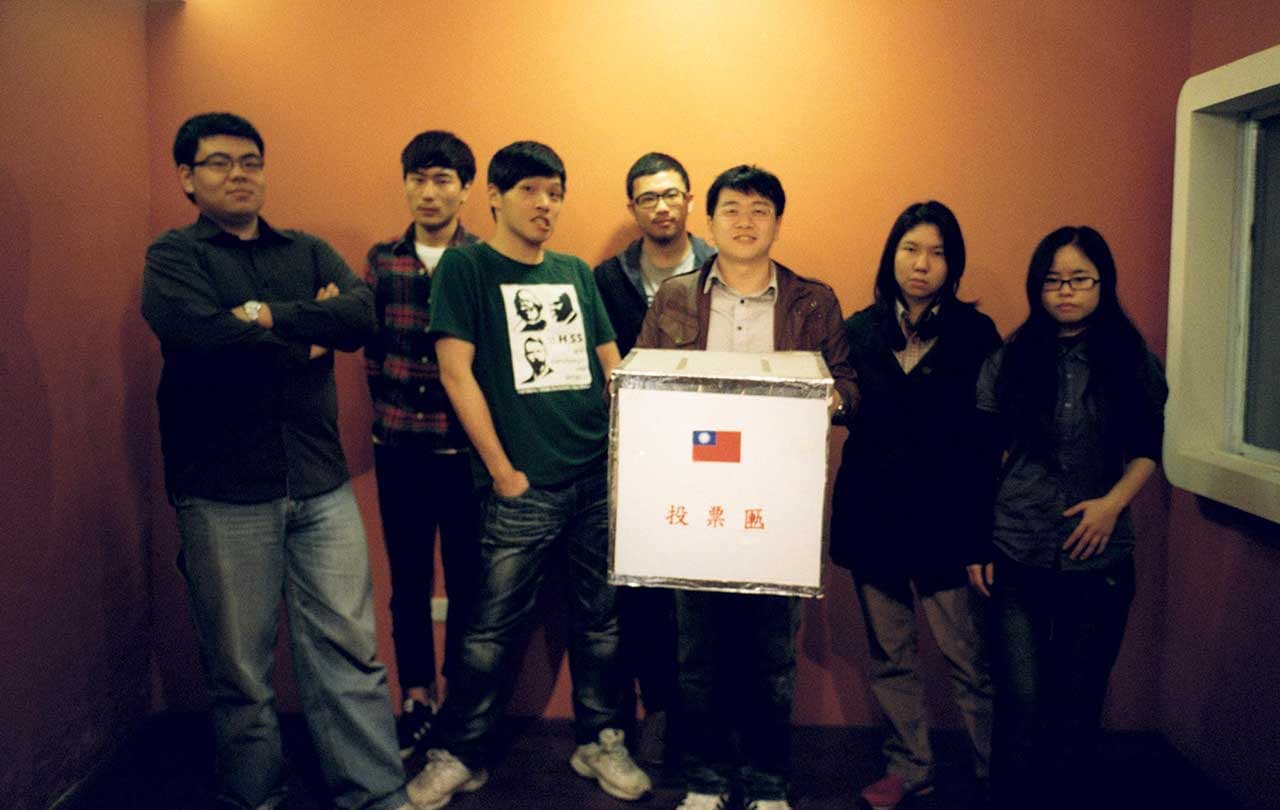
Directed by 傅榆
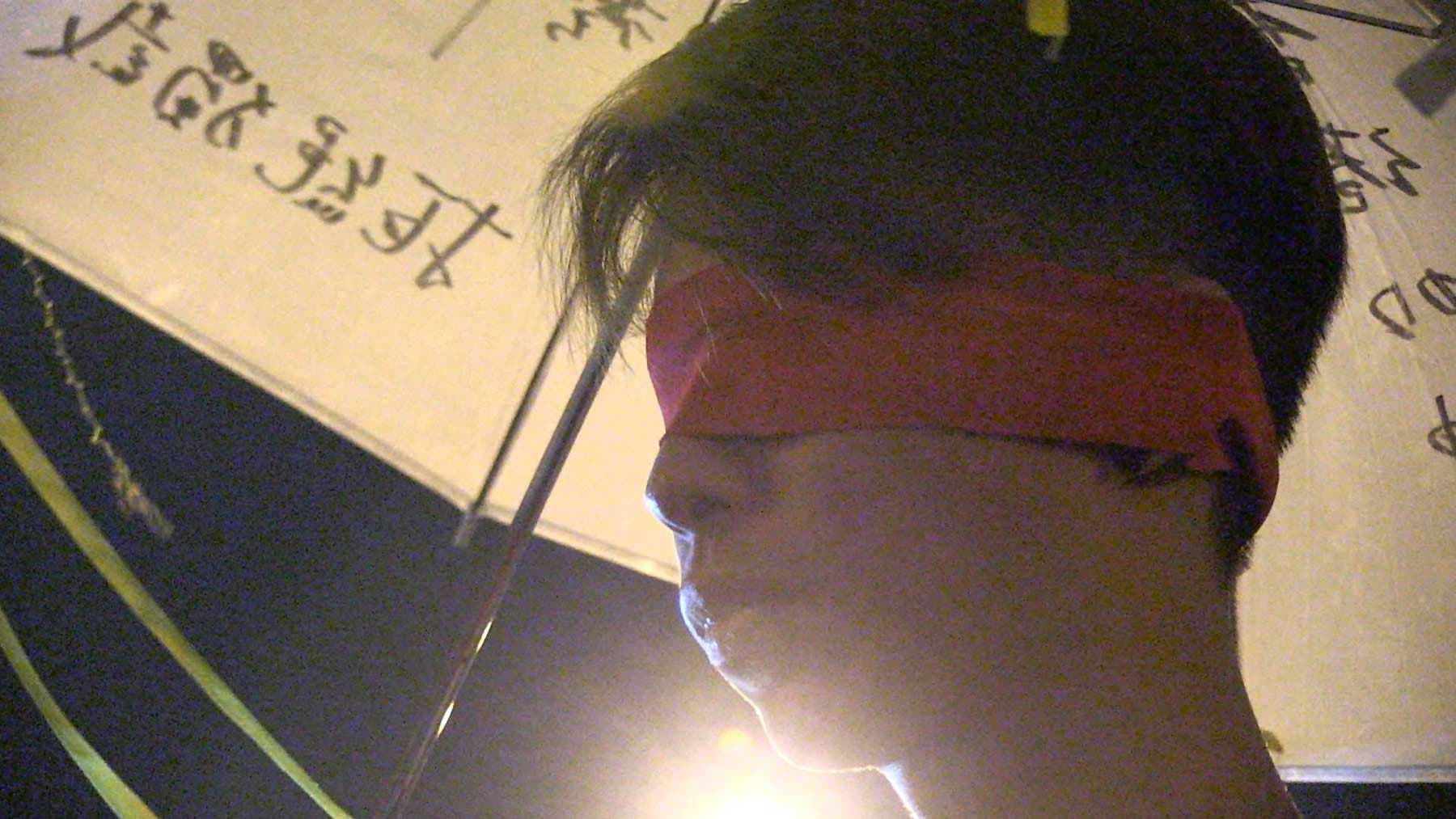
2018 年在台灣國際紀錄片影展(TIDF)中,國家電影中心與公共電視合作,啟動了「時光台灣」計畫,邀請了 14 位青壯導演,以老舊檔案影像為底,拍攝全新的短片──佳作極多,新舊彼此打磨劃擦而生的火花,令人驚艷。傅榆的《不曾消失的台灣省》即為「時光台灣」之一,看完之後我極為驚喜:這真是一部極為「政治不正確」⋯⋯
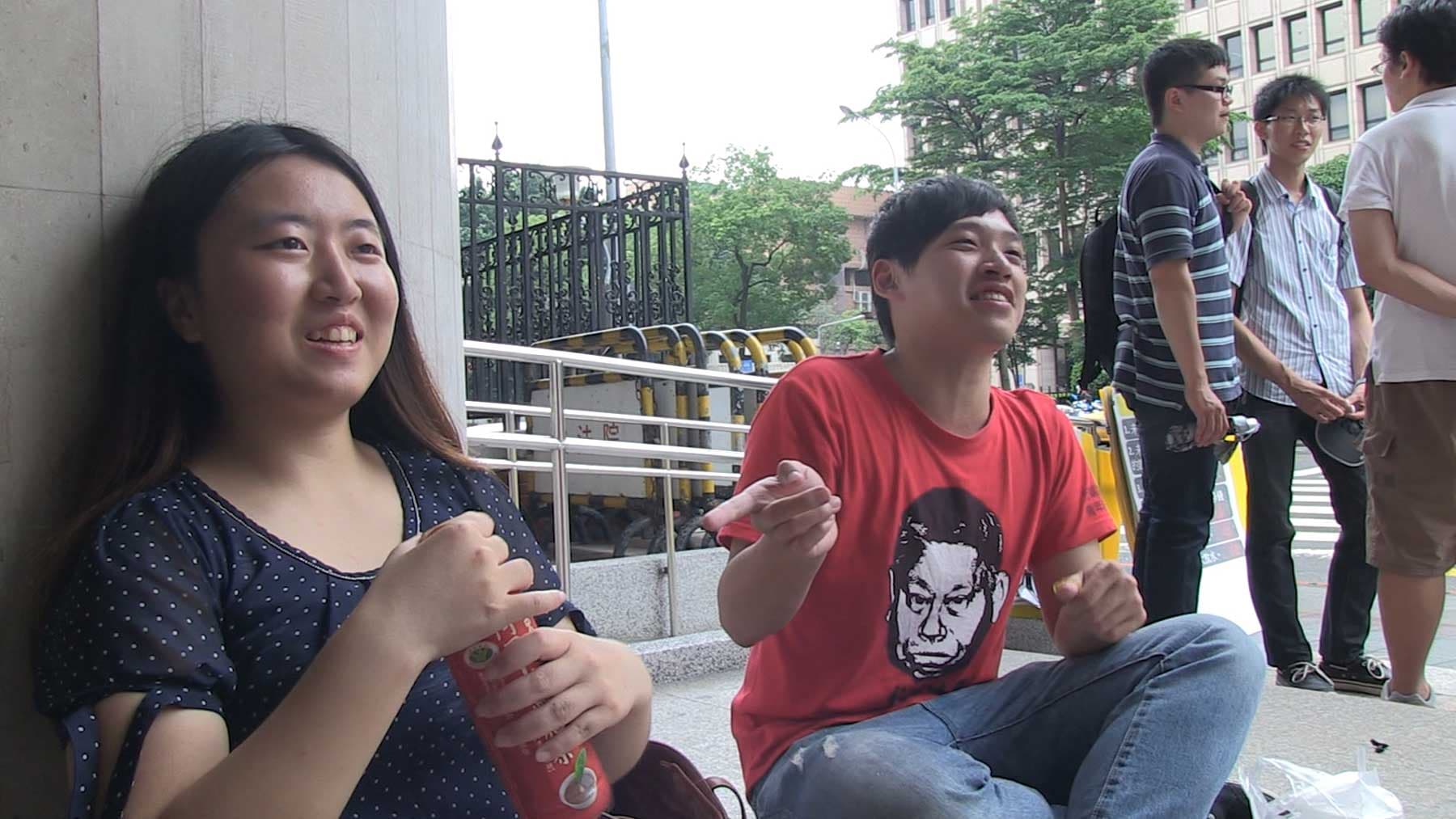
2009年五月,傅榆帶著她的紀錄片《大家一起照鏡子》(南藝大畢業作品)與楊彝安(後來成為她的夫婿)的紀錄片《家》,一起來到我的書店有河book進行了一場小型放映會,那是我第一次認識這對導演夫妻。楊彝安及傅榆當時是兩位年輕的紀錄片導演,在各自的畢業作品中不約而同皆以「家人」作為拍攝對象,但是主題迥異⋯⋯
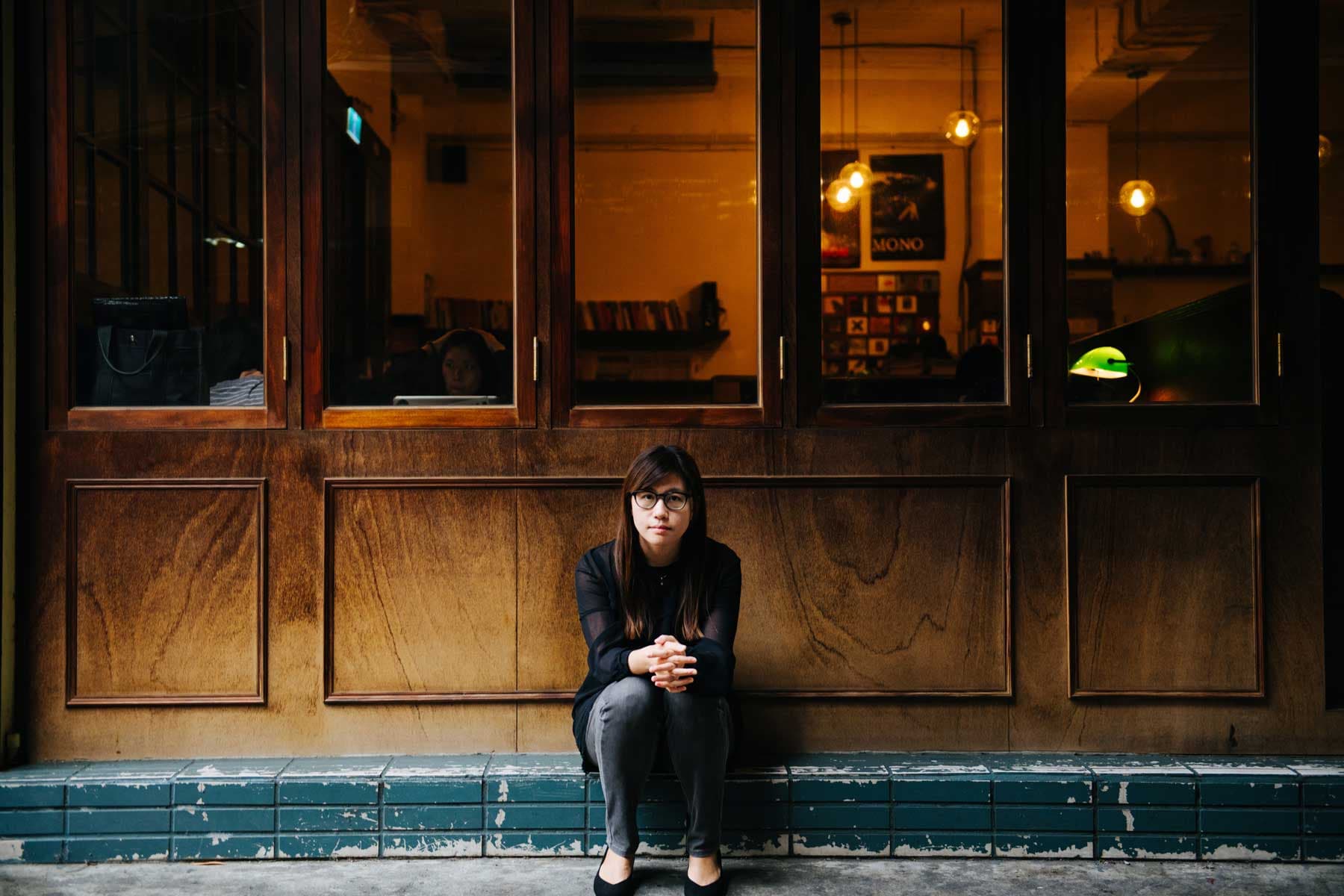
但現實裡真正的傅榆,是個經常想講什麼、但又欲言又止的人。訪談當中,她偶爾需要停下來苦苦思索、尋找適當的語彙描述她所感受與認知的,生怕用錯了詞造成誤解。「誤解」於她而言像是難以遣懷的遺憾,卻也是促成她拍紀錄片的初衷,希望以⋯⋯
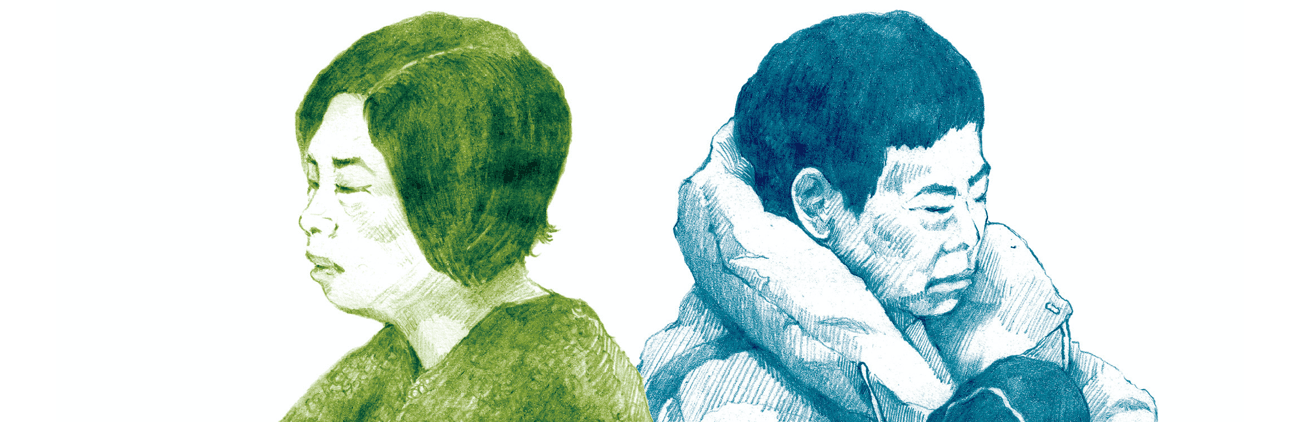
Dialogue takes practice—whether with others or with yourself. How do we find common ground when our values differ? And how do we learn to live with the parts of ourselves that feel unfamiliar? Through conversation, we not only get to know and draw closer to others, but also begin to see our own place in relationships—and in the world—with greater clarity. It is in these moments that we become more willing to walk alongside others, with openness and care.
Democratic systems around the world are under threat from authoritarian regimes, facing tremendous political and economic upheaval. Through the in-depth observations and immersive storytelling of various filmmakers, we are invited to quietly witness the struggles, challenges, and acts of resistance that individuals have faced, are facing, and will continue to face amid these sweeping changes— a testament to the human condition and resilience.
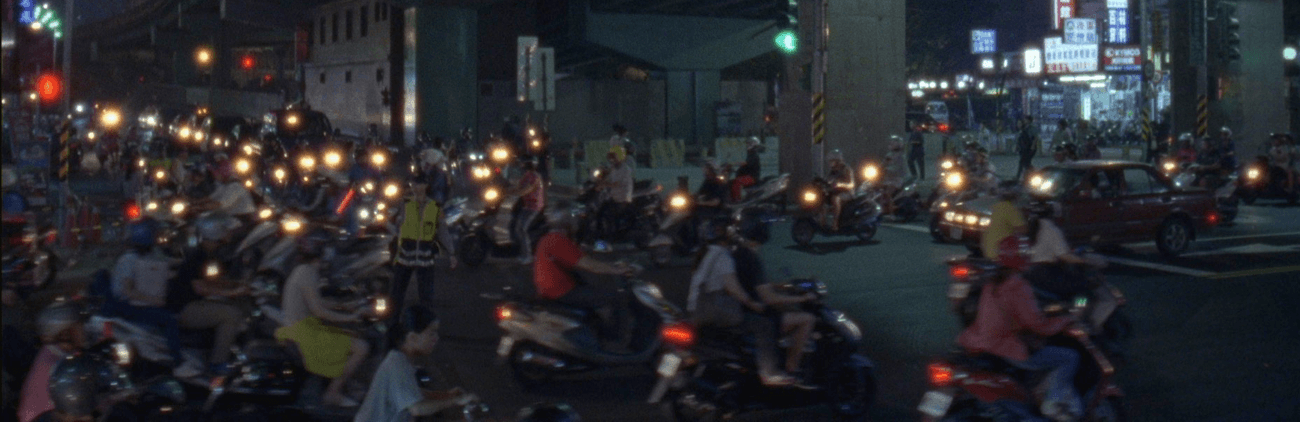
What is Taiwan? What does Taiwan have? Our imagination of Taiwan’s future depends on how we choose to read Taiwan. The Taiwanese documentaries selected by Giloo aim to offer a multifaceted and in-depth perspective—allowing us to empathize with the struggles and efforts of the Taiwanese people, uncover the richness of this land, confront its challenges, and analyze the issues that shape life on this island.