2018
Copenhagen International Documentary Film Fes
北歐紀錄片獎提名

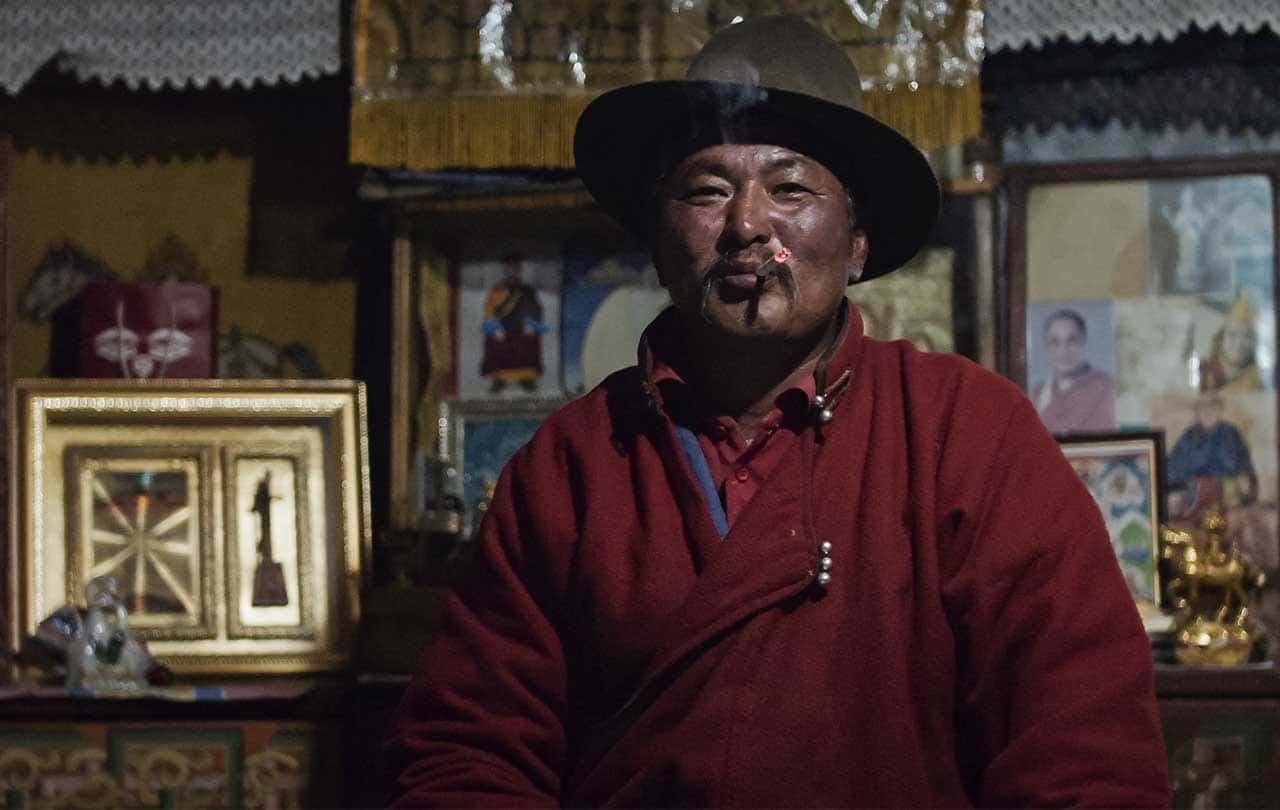
Directed by 馬爾帝・卡爾帝寧, 尼可拉斯・庫爾斯德姆
北歐紀錄片獎提名

M007_關於往東的回憶 2022.05.24 【簡介】 旁白念出同時為語言學家與外交家的蘭司鐵的日記,搭配上畫面中蒙古、日本與中國現代的樣貌,讓觀眾看到時間帶來的改變。並從日記的敘述和人物的對話中,了解不同民族的思維方式,以及看待事物的觀點。讓觀眾得以反思現代社會中主流的想法,並同時藉著電影欣賞到蒙古草原的壯闊美麗,還有各國城市現代的面容。 . 【感想】 這是經由敏迪 @mindiworldnews 推薦,在Giloo紀實影音平台 @giloo.ist 上觀賞的電影,謝謝讓我看到很棒的電影。 身為語言學家與外交家的蘭司鐵,在那世界快速變動的年代,見證當時在蒙古、日本和中國的人們,如何從舊世界轉變為新世界。語言是融入一個社會的重要關鍵,蘭司鐵他在學習各國語言後,深入觀察並記錄不同國家人民的想法。 每個時代,每個社會,都有屬於自己獨特的觀點。就如同電影中的蒙古人與日本人。蒙古人認為人生短暫,不必蓋永久的房子;相反地,日本人則透過不斷重建同樣形制的房子,來達到使傳統永恆流傳,常保年輕,「常若」的境界。這剛好呼應另一部電影《伊勢神宮:山海的千年迴響》,可以從這部電影更了解日本人的想法。 電影中透過蒙古大草原與戈壁沙漠,對比蒙古、日本與中國的城市,令觀眾更深刻感受回歸原始的那份寧靜與美好。廣闊無垠的草原,和成群的馬匹與羊群,很質樸,彷彿替人卸去心頭的凡悶與重擔。在穿插的夜店鏡頭中,我不禁想著,為什麼我反而覺得現代的娛樂使人更孤獨呢?蒙古的草原雖廣大,但就像他們的習俗:兩個旅人在草原上相遇時,要停下來與對方寒暄與相互幫助,人心的距離其實可以很靠近。還有就是中國的胡同,原在滿語中是水井的意思,當時人們以水井為中心建起一座座院落,彼此生活緊密相連。那麼現在將一條又一條的胡同拆除,是否也象徵著人心逐漸相互遠離呢?如同日本人不像他人表露情緒,不想為他人帶負擔的想法一般。 有時生活的壓力太大時,我會很希望去到如電影中的中銀膠囊塔,在小小但不擁擠的空間中,獨自生活幾天,可以悠閒地看書,或是做任何事。偶爾從窗口看出去,熙攘的人群通過窗外景色,會有身在喧囂種卻不被影響的寧靜感。有時我也想去無邊的草原或沙漠中,看著日出與日落,想著人類是多麼渺小與大自然的神妙。甚至會祈禱,若是死後能將骨灰撒在這,我的靈魂是否也能自由了呢? . 【觸動的句子】 1.有一回在蒙古,我與人聊到關於土地的擁有。有人反問我:「若你無法帶走,又為何要買地呢?」我說:「所有權清單是白紙黑字,是一份文件。」然後蒙古人就笑了。有人建議我乾脆買下月亮,還說只要我給他錢,就幫我起草寫下文件。對他們而言,擁有土地的想法是落伍的。土地擁有著人,擁有一切。他們對這點再清楚不過。 2.我在烏爾加認識一位挪威傳教士,他向蒙古人闡釋基督教信仰會解放他們的自由,為他們打開通往天堂的大門。他們反問他:「他來蒙古傳教前,那些死去的人又何去何從呢?他們都下地獄了嗎?」傳教士說對。蒙古人說他的神太殘忍了,他的遲來並不是死去之人的錯。 3.蒙古人曾經感到奇異地問我:「什麼樣的瘋子才會去蓋那種能夠存在好幾世紀的房子?每個人只能活短短一生就死去啊!難道沒人教導我們,人生於大地本來就無永恆家園嗎?終究呢,我們只是經歷至另一生命的轉變旅程。我們生活的這片土地,是一片悲傷與苦難的哀谷。人甚至不該思求在這裡,擁有一處永恆的家園。」 . #Burnink_電影 #Burnink_Movie @burnink_98 #關於往東的回憶 #EasternMemories #馬爾帝卡爾帝寧 #MarttiKaartinen #尼可拉斯庫爾斯德姆 #NiklasKullstrom #芬蘭 #Finland #古斯塔夫約翰蘭司鐵 #GustafJohnRamstedt #這些國家那些事 #TheseCountriesThoseThings #敏迪選讀 #mindiworldnews #Giloo紀實影音 #紀錄片
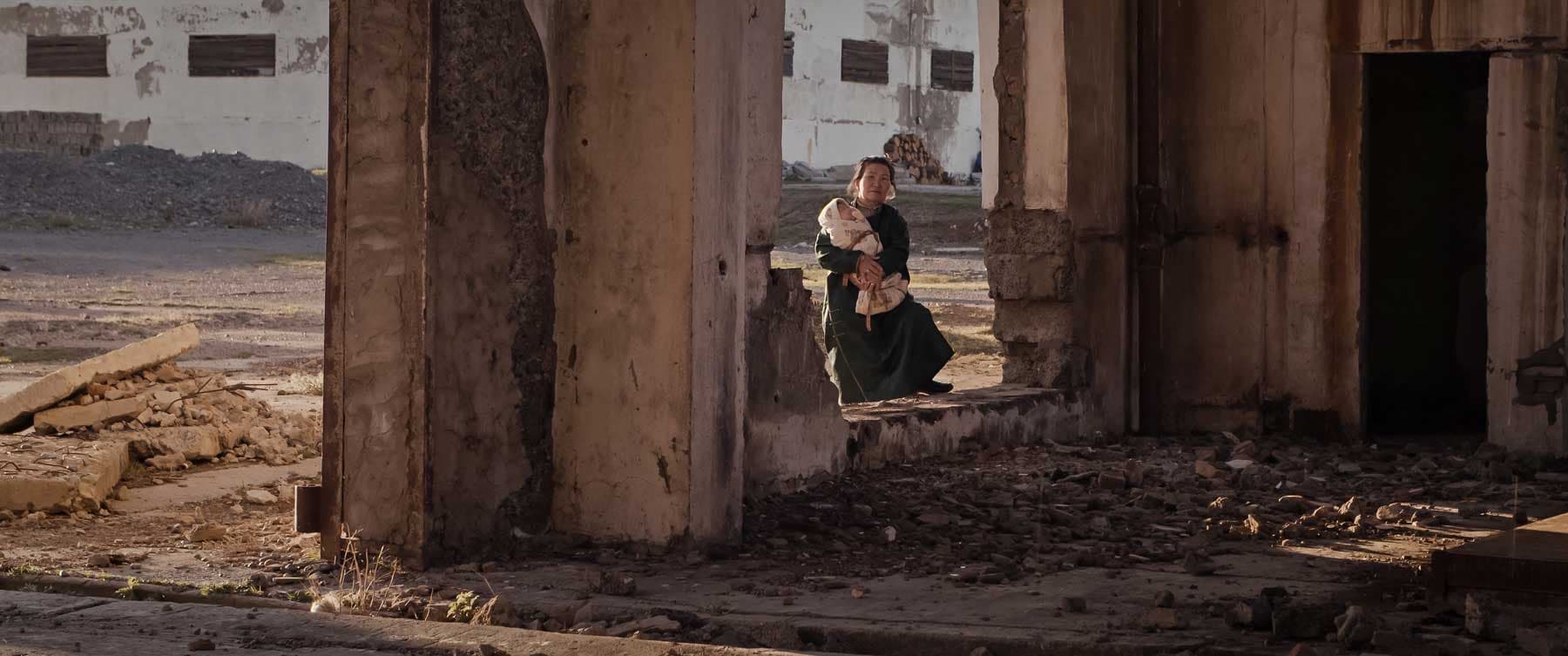
在《關於往東的回憶》這部紀錄片裡,觀眾很快就會發現蘭司鐵(Gustaf John Ramstedt, 1873-1950)經常在學習語言。而且他學習這麼多種語言並不只是為了溝通,在繁瑣的外交事務中間,他還能基於自身語言學上受的訓練,機敏地搜集口傳的諺語、民間歌謠與故事,並且根據手上的材料,彙整出這些語言的字彙和文⋯⋯
No matter where you are, not just in Taiwan, international movie fans can easily watch too! The first wave of films from emerging creators are now live in our international section. Featuring top selections from prestigious film festivals like Golden Horse Awards and Golden Harvest Awards, as well as many highly anticipated emerging works for you to explore anytime, anywhere!
Film is one of the fastest ways to get to know a country. In just an hour or so, a movie can take you through its streets, speak its language, and tell its stories from the inside out. Don’t worry—we’re not here to dive into complex geopolitical debates. In this film program, you’ll meet a wild rock band raising chaos in North Korea, a group of Danish men who really love to drink, and witness the everyday madness of the Russian “warrior people” through dashcam footage. These films don’t aim to explain entire nations. Instead, they focus on the little things—the strange, funny, messy bits of daily life. And isn’t it exactly these small moments that, together, make up the kaleidoscope of a country?
Giloo presents award-winning festival favorites, buzzworthy films, and thought-provoking documentaries, bringing together diverse themes and compelling stories. Step into the Spotlight Screening selection and discover films that have captured attention, sparked discussion, and are well worth revisiting.

Japan—a land of paradox and fascination—has long captivated travelers from afar. With deep-rooted traditions that have withstood over 150 years of rapid Westernization, Japan continues to preserve a unique national identity and way of life, while also giving rise to a distinct and globally influential pop culture. This month, Giloo Documentaries presents a curated selection of films that explore the many faces of Japan. Journey with us across mountains and oceans, through surface and depth—encountering the worlds of fashion, Takarazuka theater, love hotels, fine cuisine, robotics, and contemporary art. Modern Japan is vibrant, eclectic, and often wildly unexpected—and these films capture its raw, untamed spirit.
The land carries memories. From afar, I often think of Hong Kong’s sea and Taiwan’s mountains. The days of my childhood—doing nothing, daydreaming in the warm summer breeze—remain vividly etched in my mind. Only after growing up, only after feeling lost, did I come to realize that beneath the soil lie many complex and thought-provoking stories: stories of colonialism and postcolonialism; stories of escape and homesickness. Through stories that flow between sea and sea, mountain and mountain, we hope to invite everyone, in the new year, to reflect across nations on the meaning of land and identity.

While watching a film, you’ve surely thought—if only I were there. Whether it’s the breathtaking landscapes or the long, winding paths walked by the characters, something pulls you in. John Berger once asked, “Did you come by photograph or by train? Every photograph is a means of transportation.” Let these documentaries be letters from afar— delicate invitations to places you’ve never imagined, and journeys you’ve never taken.
We invite you to explore this playlist—and feel time as it passes.