2013

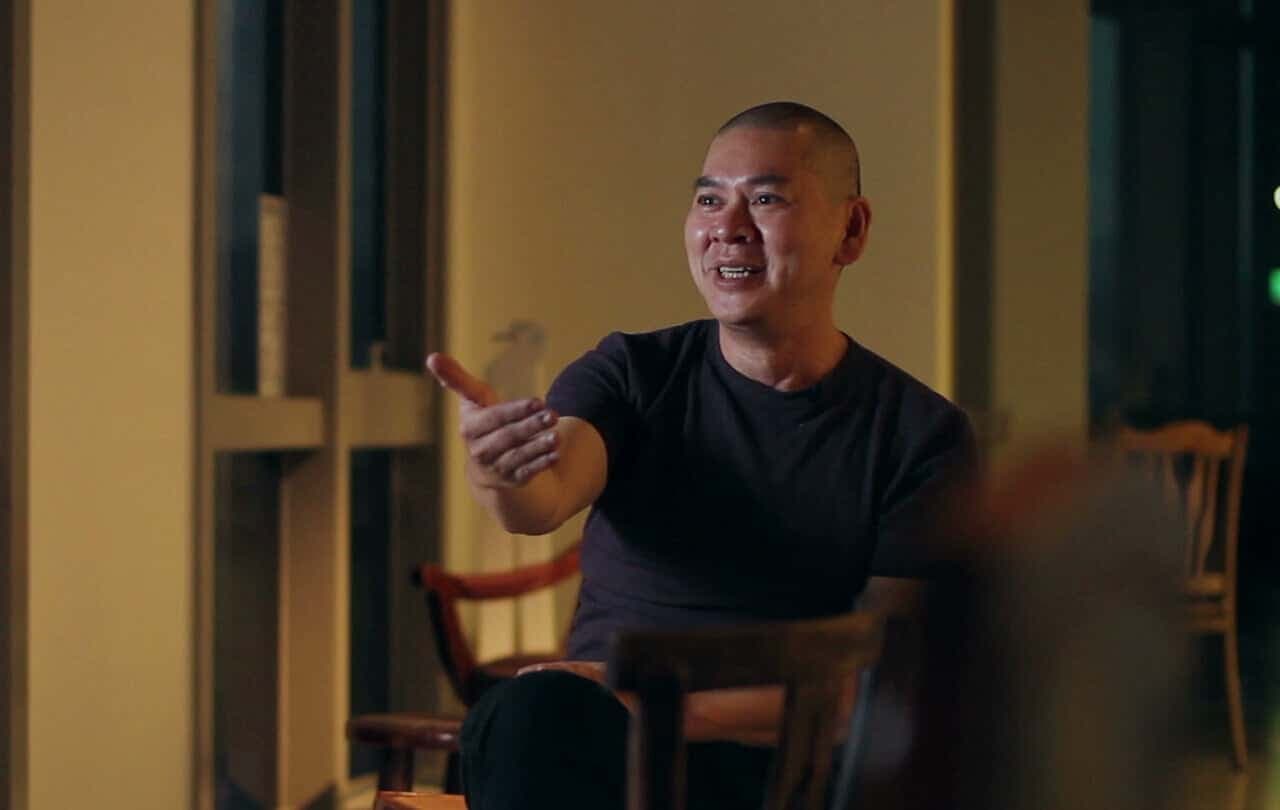
Directed by 蘇忠源

9:48 蔡明亮身後的國泰戲院,曾是雄霸一方的馬來亞影視大亨陸運濤所創的,如果陸運濤沒有在1964年在台中發生神岡空難的話,也許華語電影世界的版圖會更不一樣,也許來自東南亞的華語電影工作者,影響力也會更大? 如果有機會到馬來西亞的一些華人為主的城鎮走一趟的話,可以見到一些國泰、邵氏電影院的遺跡,這些電影院滋養了許多南洋華人的青春,因此才有了今天的蔡明亮。 有關國泰與邵氏電影在馬來西亞的發展,可以看台灣影評人陳煒智的這篇文章 https://www.thenewslens.com/feature/hknnanyang/141540
 從邵氏電影在星馬,看香港電影曾在南洋的光輝歲月 - The News Lens 關鍵評論網
4:45 本片導演蘇忠源專業背景是法律,從小愛看電影,論文就把兩者合一,探究電檢制度,認識了蔡明亮導演。兩人同樣在馬來西亞成長,也都對老戲院很著迷。蘇忠源曾用戲院座位的代號,為即將拆除的老戲院,拍了他人生第一部電影《G16 G17》。
26:53 在對蔡明亮導演眾多的解讀裡面,陳湘琪的這段詮釋,應該是最能讓觀眾理解的。陳湘琪用演員視角的敏感,以及身為老師清晰的表達力,用不影響觀者情緒的中性描述,做了完整又簡潔的引導。
44:38 本片在2013年完成, 2014 年蔡明亮導演於北師美術館舉行《來美術館郊遊 — 蔡明亮大展》,當中也有裝置藝術類型的創作。
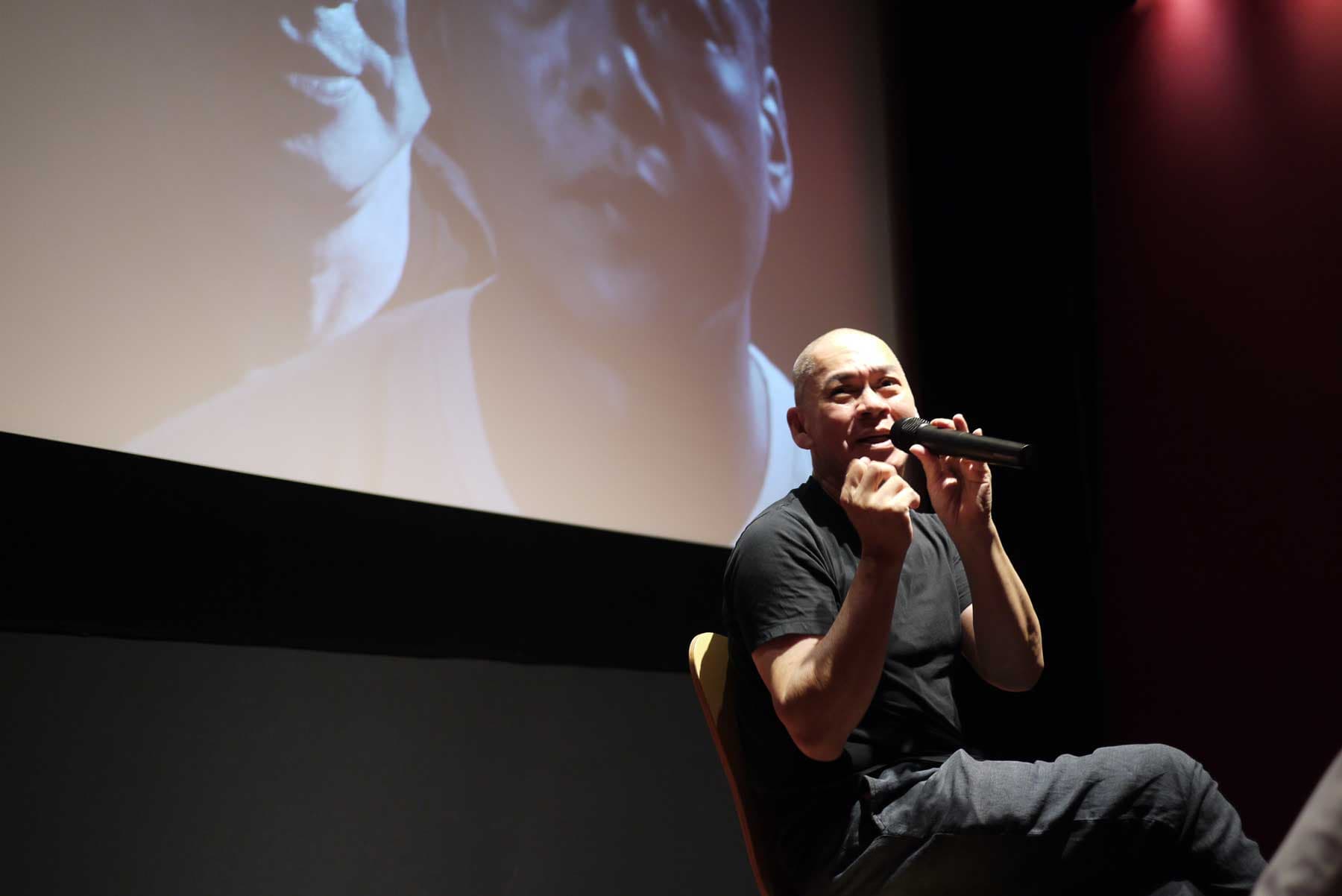
《你的臉》這作品是非常純粹的概念,但它可能也不能說是那麼純粹。創作沒有固定配方,是逐漸生長的。創作對我而言是像樹一樣,有機地長出來,你不太能完全去掌控,它的姿態無法控制。當你這樣子觀看創作,它就會變得很美、很自然,什麼都有可能,也沒有一定答案⋯⋯
在華語電影裡少有影人影事影史相關的紀錄片,這原因有諸多(與政治詮釋、檔案不齊全有關),但最實際狀況仍舊指向田野過程所需龐大的時間與資金成本。近年來如果有追蹤金馬影展的影迷,會發現有位來自馬來西亞的⋯⋯
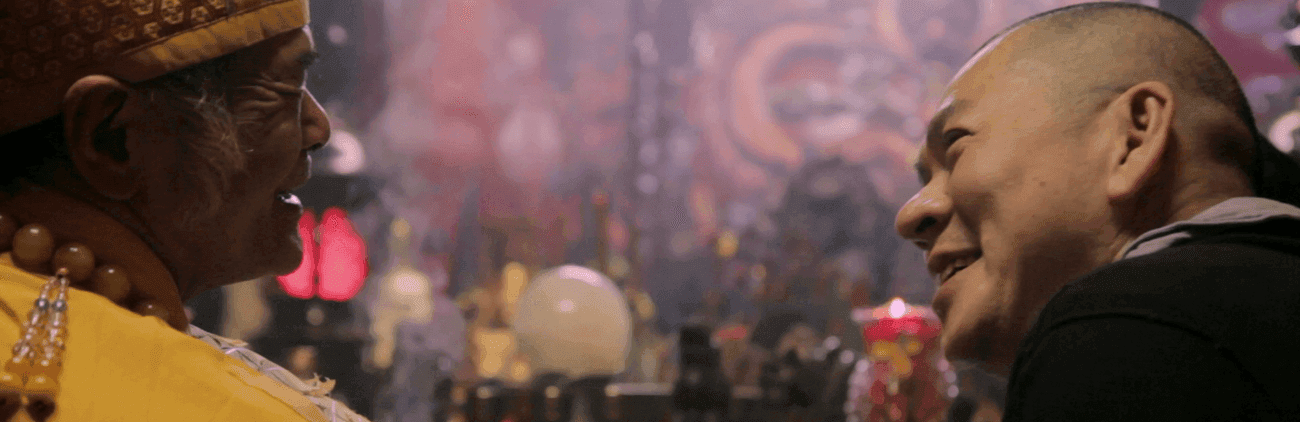
To document an extraordinary soul through the lens is to constantly wrestle with the dilemma of completeness. How can one capture the vastness of a life within the limited time of a film? It challenges the filmmaker’s depth of understanding and precision of perspective. Rather than striving for an all-encompassing portrait, it may be more powerful to focus on select moments—those glimmers that illuminate the subject’s essence. The camera becomes not only a tool to pierce through the surface, but also a means for sincere conversation with the person in front of it.

From international politics and music to film industry professionals and cultural icons—this curated selection of biographical documentaries offers intimate, eye-level encounters with influential figures across diverse fields. Through the lens, we gain rare insights into their lesser-known sides, and follow them as they navigate cultural clashes, personal revelations, and shifting global contexts. Each film invites you to explore contemporary issues through the lived experiences of extraordinary individuals shaped by history.

Southeast Asia is rich in culture, rooted in the mainland’s embrace along the Indochinese Peninsula. Emerging from the shadows of colonial rule, many of its nations have blossomed—independent, yet bearing the deep scars of history. Amid the lingering wounds of empire and the continued suppression of free expression, creators transform discontent into poetic language—subtle yet sharp—delivering reality through the lens of documentary. Why not join us on this elusive journey—to experience the magic realism of Southeast Asia, where beauty and resistance intertwine?
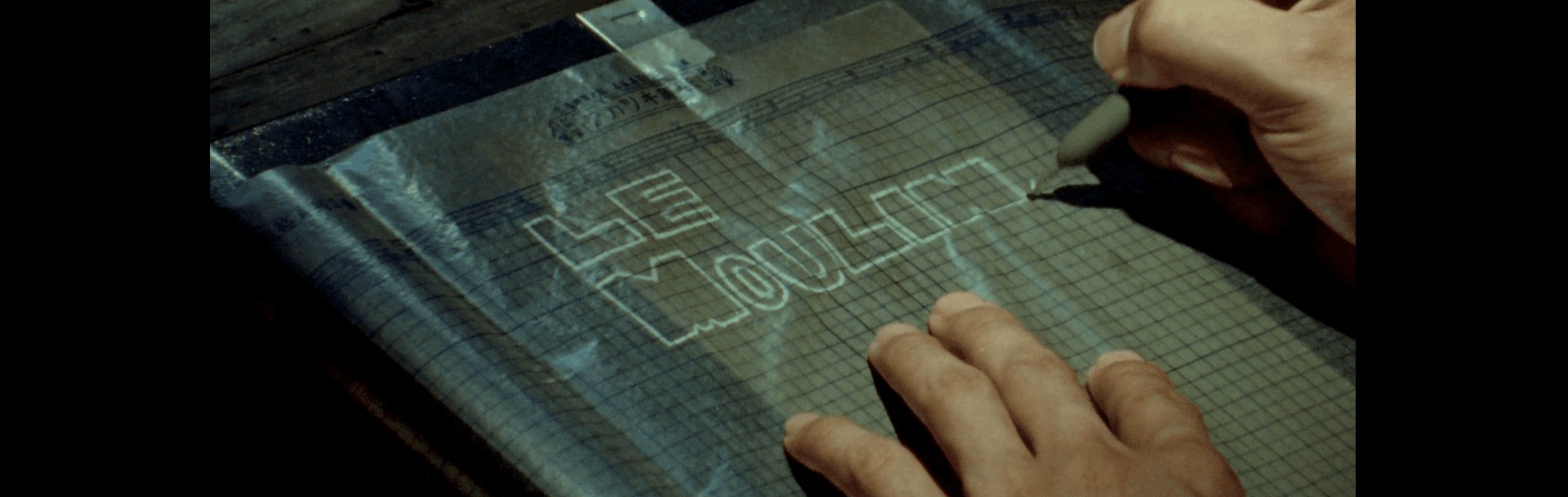
"Finding oneself" has been a form of performance art since Adam and Eve. Humanity has exhausted its creativity trying to delete the original betrayal—eating the fruit of the knowledge of good and evil. Despite entire bestsellers being written to make sense of our shame, we still fear the gaze of the world, the judgment of society… and above all, being disliked. It’s hard to look yourself in the eye. So we look away. And when we can’t bear our own shame, we survive by projecting it onto others. In a world that punishes self-honesty, those who dare to face themselves are cast as misfits—freaks in the corner. The subjects and creators of these selected films are anything but ordinary in society’s eyes. And yet, their footsteps leave behind a trace of something unshakably honest—something that quietly shames those still clutching the forbidden fruit. They stand before God, and before themselves, unflinching. They’ve never abandoned the original blueprint of their being. They’ve always known who they are, and where they stand. Are you still trying to "find yourself"? Or could it be—you already know exactly who you are… You’re just afraid to admit it?

Cinema is made by people—and film history has been forever shaped by them. Giloo presents a selection of seven documentaries on legendary filmmakers, tracing the evolution of cinema through their lives and visions.