2019
Golden Horse Awards
最佳紀錄片提名

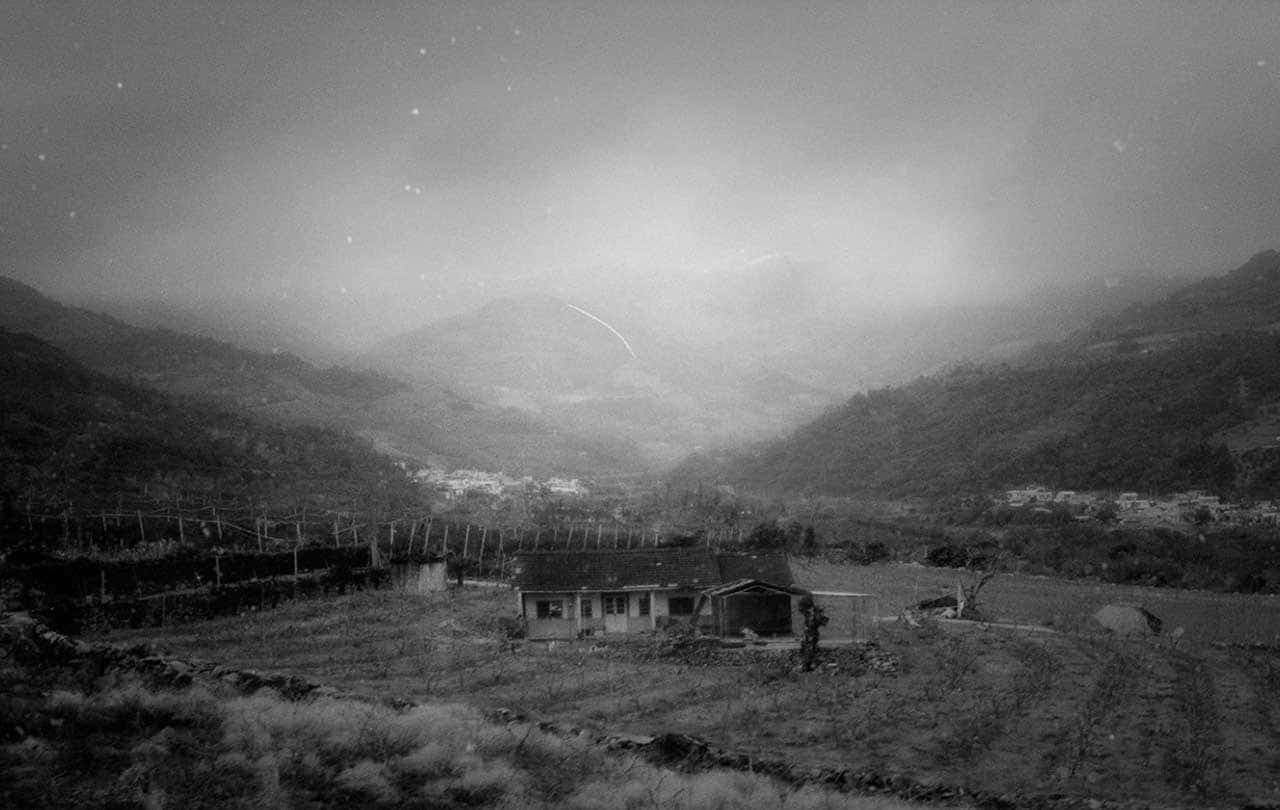
Directed by 黃邦銓
最佳紀錄片提名
百萬首獎|最佳短片|最佳配樂提名|最佳視覺效果提名

火車呼嘯而過,人聲慢慢低落,彷彿如此就能避免失去,一切事情都未曾失去,僅是忘記而已。
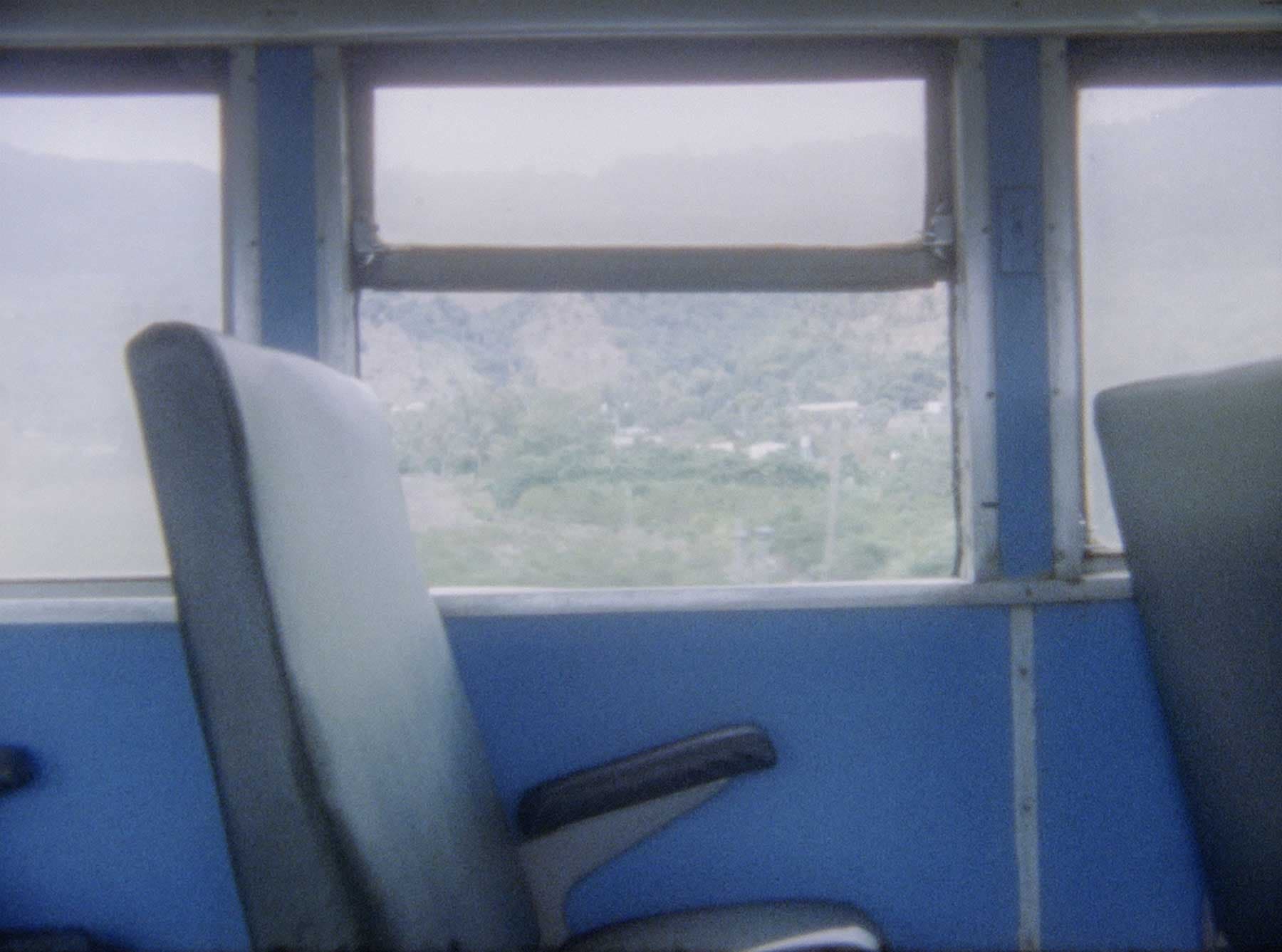
在快速移動的火車上隨機捕捉沿途的居住空間,一年後回頭細閱其地景與人。以年為單位的更迭,從凝結的圖像中,試圖捕捉同個場域之中人事物的流轉。當探究的行動開始,故事也擴散開來,平面圖像不再只是單一的紀錄工具,照片透過當事人或旁人轉述,建構出超越維度的組織。有些風景如塵封般不曾變動、有些景色依舊而人事已非,其中的消逝與續存,在黃邦銓的鏡頭下,閃動台灣鄉土生命的光澤。
敘事中的某種自然、有機性,具有最為輕巧的位置。作者有意為之的操作,營造自己的配置(聲音、影像)。但上述似乎是最為基本不過的事實。 評語: 於今年探索了去年的他人的鄉土記憶,有意無意的在記憶中尋求更多記憶。
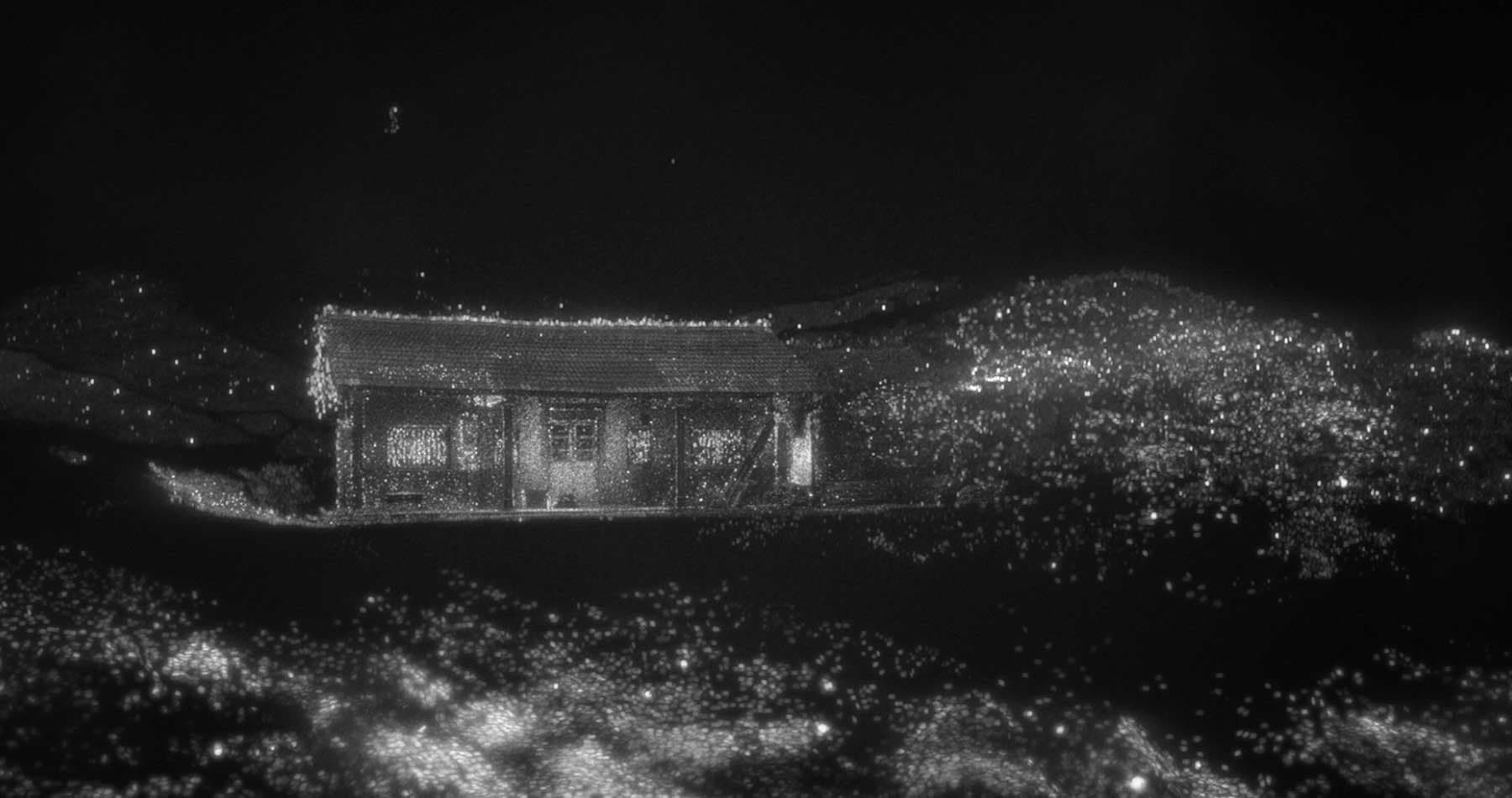
對黃邦詮的印象即是他是個對底片紀錄近乎到偏執的創作者(記得曾經聽他分享過在Le Fresnoy用各種紅酒來沖洗底片),前作《回程列車》中的影像是極其私人、感官化的靜態音像,以一連串的相片組合穿透地域,串起橫跨萬里的公路之旅。而《去年》同樣是以火車作為影像外的「外觀景窗」,可見的視域某種層面上被更具機動性、且阻礙自主捕捉影像的機械所限制,此時的影像已不再單單作為純感性面上的出發,一年後的田野走訪令它頓時併發出了「紀實」的屬性,並同時試圖成為瑪德蓮蛋糕之於普魯斯特的內隱記憶觸發,但處於第三者視角所形成的旁觀空間雖並未能完全達成受訪者意識上的再訪,卻也有效的通過「住家照片」這個彷如通行證的影像,旁敲出另屬於受訪者本身所提升的人文情感。 (結尾的光點3D建模我是沒什麼感受,所以就直接買單黃邦詮說Le Fresnoy的作品需要跨域媒材才能通過評鑑的這個解釋。)
應該是在大一時系上的電影節,好多人都在說今年有一部片很特別,不知道怎麼形容,就是,很特別。當我坐在電影院裡看完《去年火車經過的時候》,也確實找不到適合的詞彙形容那種感受,只覺得噢原來還有這樣的電影,原來這也是一種電影,那對當時的我來說是一種啟發。雖然我後來已經幾乎忘記除了形式以外的劇情內容,但在重看之際,那樣沈甸甸的感受馬上就都回來了,完全沒有任何改變地。這真的很特別,這部電影就就好像一直停在那裡等待什麼似的。
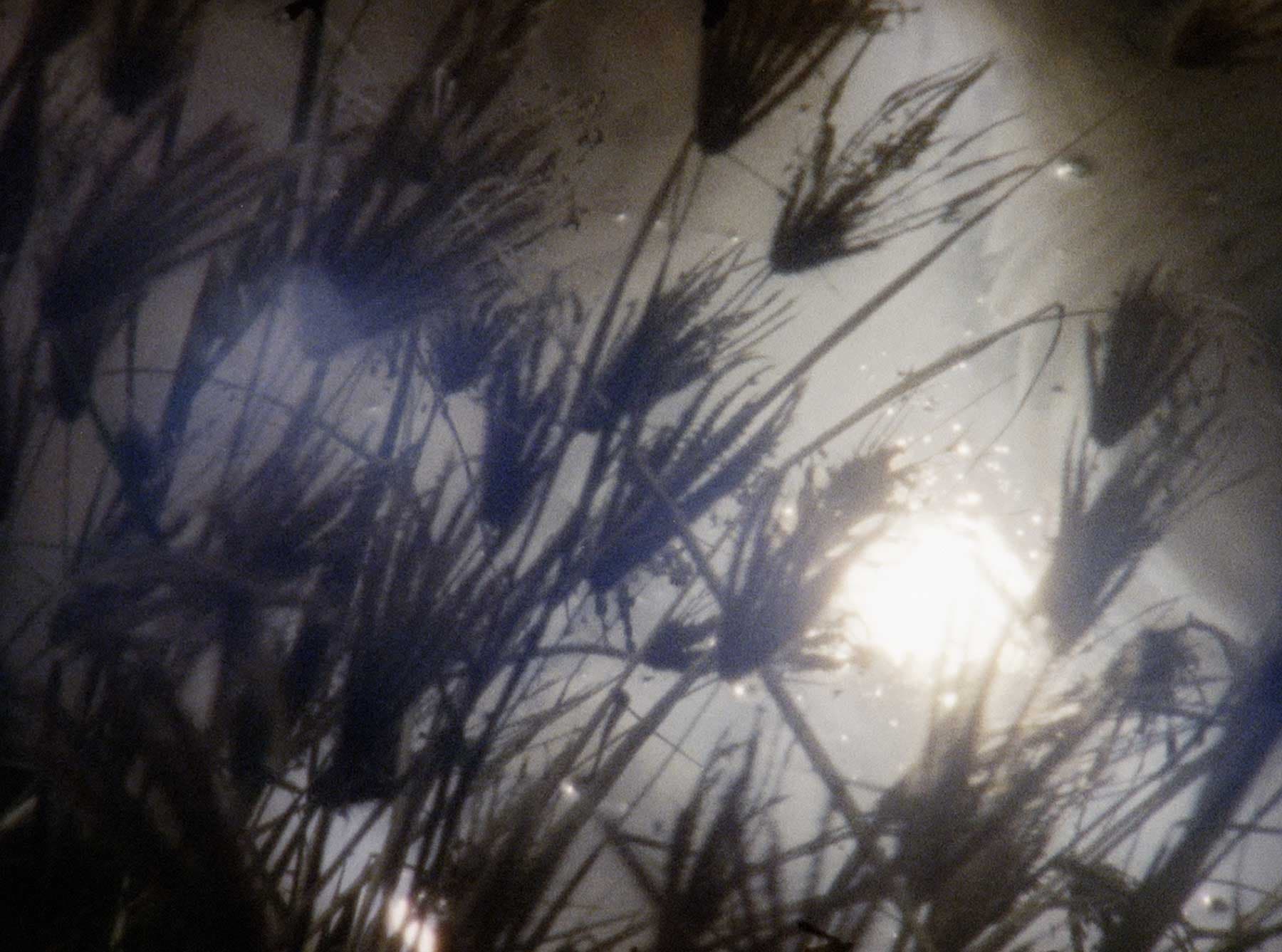
全片以一種富有底片顆粒與膠卷放映晃動的影像風格來表現記憶、過去的質感,並以黑白與彩色來區分去年與現在。訪談對象之間的共通性在於,都是居住於搭乘火車所會經過的田野風景中的人家,作者在火車上經過時拍下照片後,經過一年重回照片中的舊地,在訪談中去對比出每個不同的生命在這一年間所經歷的改變,最終以一段效果令人驚艷的動畫作結。
<<去年火車經過>> 導演選擇走一形式,去敘事,使用底片,在沖洗過程中等待結果,我們是坐在火車上的人,來不及停留,沒有腳步,匆匆地來匆匆地走,駐足的人們無法從快速行駛的火車外看進火車裡的人們。是一部富有詩意的影片,畫面配上駐足者的聲音,彷彿像日記一般,帶我們去停留,回望,觀望這世界的一角。 時間是這部片的基石,也因為時間存在,張揚的讓人感受到錯過與相遇,使這部片成為了一首詩,一首無法用其他形式取代的作品。
「去年我坐火車經過這裡,拍下這張照片 ,你還記不記得當時……」 以同樣的台詞開啟了不同的幾段回想,但時間已過一年半,我們回憶不起那時那分那秒的詳細情形,卻因而想起了重要的人與事。 「我當時住在這,但也不知道在尬麻了」 「沒有寫日記,沒辦法想起來什麼,唯一不同的大概就是魚吧」 「有可能在看電視,我太太去年過世,而她可能在這裡看電視。」 碎片般的畫面在去年火車經過的那個鄉村游移,我們生活在這裡,而你經過這裡,水車、稻草、芒果園,都如歷經歲月般到底是件樸實無華的事。 因為有這些記憶,老舊的鐵皮屋,不特別具有風情的山谷與農村,今年仍佇立著的房子與人們,如夜晚劃過最晚睡的星塵,靜靜悄悄地點綴了夜空。
本片為黃邦銓成名作,電影以實驗手法,將黃邦銓自己於歐陸搭火車時的影音錄像結合自身家族的影像。 黃邦銓電影操作手法以「偶然」的現實素材再重新進行組合,與傳統敘事紀錄片不同,他的電影裡素材之間的關係更加模糊不清,但又充滿著一種奇特的人性。
從《回程列車》和《去年火車經過的時候》這兩部影片來看,影像是黃邦銓接近、理解這個世界,與人產生關係的媒介。兩部短片都出現的火車,則是得以實現讓他與世界、與人接近渴望的具體形象。他的短片很純粹的表達對人世的好奇與渴望,並且在這樣的與人接觸間,找到自己在的存在⋯⋯
黃邦銓的兩部短片,《回程列車》與《去年火車經過的時候》,在這幾年內陸續獲得了從歐陸到台灣的重要電影獎項,備受觀眾的矚目和期待。二部短片都介於「實驗片」和「紀錄片」之間,這在近年成為台灣的影展人與電影人愈來愈關注的一個地帶——充滿各種可能性的地帶,沼澤地或靈薄獄(limbo)⋯⋯
幼時曾有一段時期,隨母親與她的情人遷徙。一處屋房位於盆地北邊。新人新家,閃亮如日芒。但那公寓其實死去甚久,它的地基是墳場。在那裡我曾遇過魑魅魍魎。道士在我昏厥時掐指一算:啊許多人被槍殺於此。一個名字,一個,或更多家庭。仇怨齊聚,母親聽見廚房裏悉窣的塑膠摩擦。幽靈幻身為鼠,夜夜糾纏。她與男人速速搬離,橫跨⋯⋯
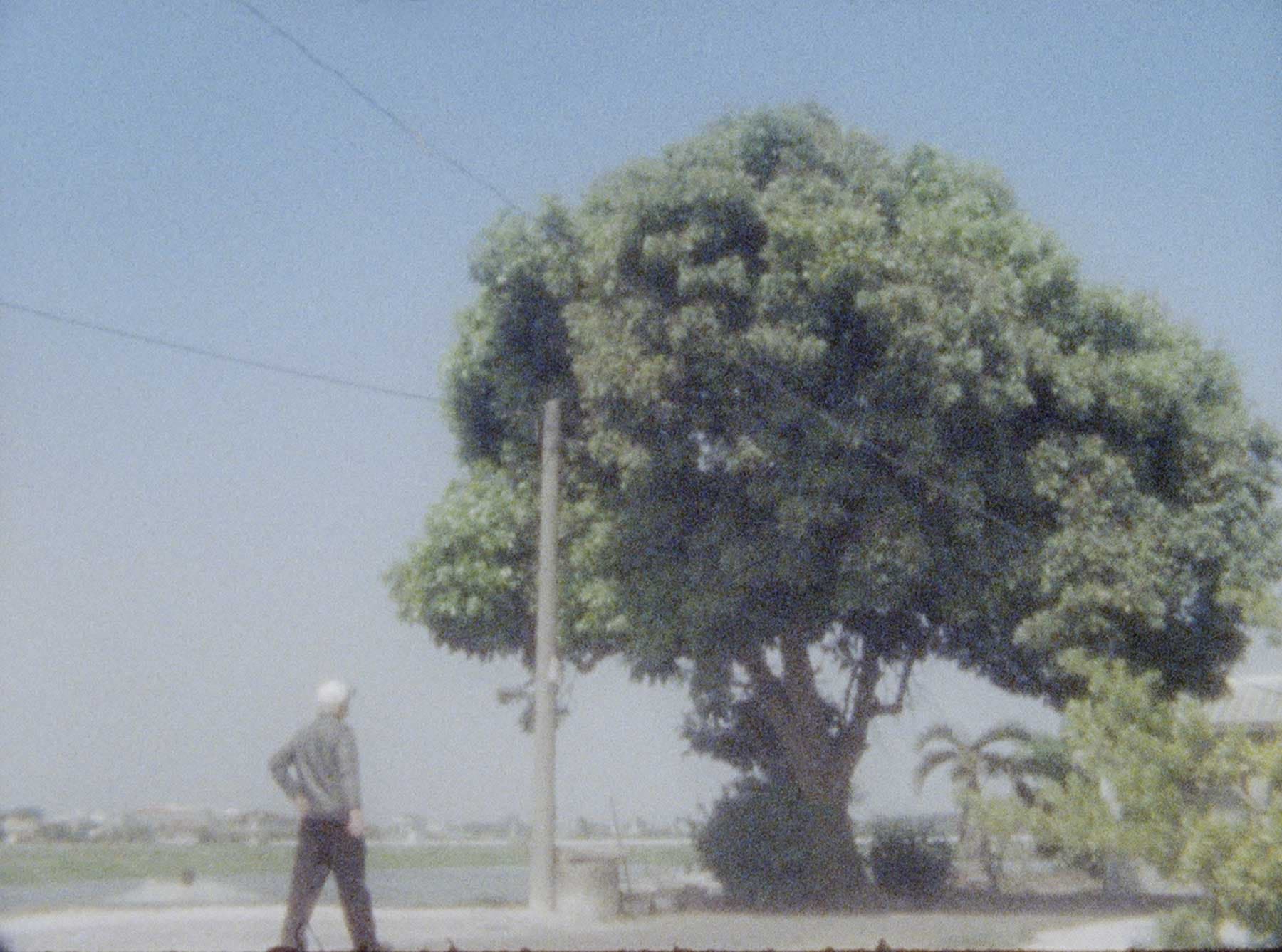
旅法導演黃邦銓去年 2018 年(正滿 30 歲)便以短片《回程列車》(Return,2017)在國內外拿下多座獎項,今年又以新作《去年火車經過的時候》(Last Year When the Train Passed by,2018)再創佳績,拿下台北電影獎的百萬首獎與最佳短片,可以說是未來最受期待的台灣優秀電影工作者之一⋯⋯
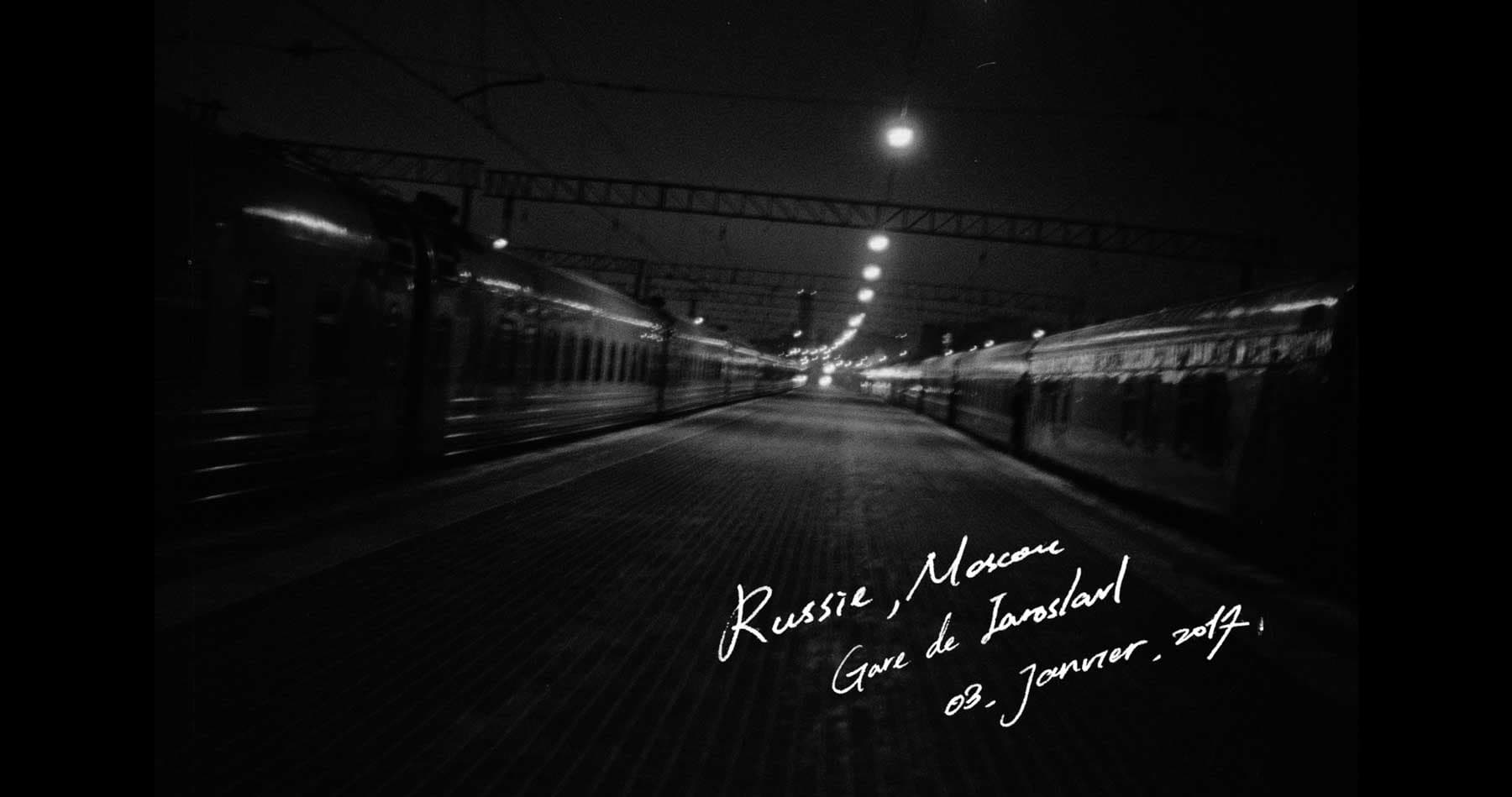
面對創作,黃邦銓自問「怎麼拍」的次數,也許遠多於自問「為什麼拍」與「拍什麼」的次數。換個方式來說,他似乎永不會被「為什麼拍」與「拍什麼」這樣的問題囚困;他思考的,並非是「以影像作為途徑去講一個故事」,而是「什麼樣的物事能夠在電影世界裡成立、進而傳達、使人感受」⋯⋯

A sharp, compact poem often speaks louder than a lengthy speech! Giloo presents a curated collection of small but powerful documentaries—short films that, within a limited runtime, deliver layered, resonant stories. Experience the elegance of cinematic brevity, and see how precision in visual storytelling can leave a lasting impression.

Finding Stillness in Uncertain Times: 10 Curated Films from Our Resident Artists During the pandemic, we’ve found more quiet moments to truly appreciate the beauty of everyday life. Resident artists from the National Theater & Concert Hall have each handpicked a film that resonates deeply with them—inviting you to slow down and reflect during this period of working from home. ▍Huang Yu-Ching: “With limited movement, we are asked to listen more closely to the inner voice of our bodies. Want to watch two snails slowly form a connection? There’s no better time for something this soothing.” ▍Wang Chao-Chien: “The pandemic has made us all more aware of distance—the distance of time, the distance between becoming and performing a role, and the strange moments that define legendary bands. These films help us sit with those feelings and reflect.” ▍Chien Chieh: “They are storytellers, writers, dancers, filmmakers. Documentaries capture an era or linger on a single figure, guiding us closer to ourselves.”
Martin Scorsese once said: "Cinema is about what’s in the frame and what’s out." The rectangular frame of the camera—and the screen—shapes the stories we tell, the history we remember, and even our very memories. We’ve grown accustomed to what lies within the frame, but if we take a step back, we might begin to reexamine both what’s inside and what’s outside—to rediscover forgotten stories, histories, emotions, and memories. From experimental films to documentaries; from black-and-white negatives, historical footage, to paintings and poetry; from continental Europe to Taiwan; from the history of war to literary legacies, to intimate family and personal memories— these five films lead us into one frame after another, where retrospection becomes reflection. And from there, perhaps, we may begin to move freely between the inside and outside of the frame, to remember again, to narrate anew— embarking on odysseys through memory and time.
Beauty is accidental, spirited, emotional, critical—a series of seemingly related, yet leaping descriptions. My daily task is to actively feel beauty, but there's simply too much of it—in the scenery, in words, in films... And so, I walk slowly along the path of cultivating beauty, as a nineteen-year-old, allowing the world to steep me in its essence, however it pleases.
Since its founding in 1998, the Taipei Film Festival has become one of Taiwan’s most prominent film events. In addition to the Taipei Film Awards, which honor outstanding local filmmakers, the festival also features spotlight programs, curated showcases, and an international competition for emerging directors—inviting audiences to discover new voices and revisit cinematic classics from around the world. Giloo presents a special selection of award-winning and officially screened titles from past editions of the Taipei Film Festival. Whether you’re revisiting a favorite or discovering something new, we invite you to enjoy the cinematic surprises this collection has to offer.