「反抗年齡歧視女演員獎」提名
Love can bear the sweetest fruits, or plunge life into the deepest abyss. How do you face the questions that love brings? Will you choose to move forward hand in hand with your partner— or walk away, once and for all?

To document an extraordinary soul through the lens is to constantly wrestle with the dilemma of completeness. How can one capture the vastness of a life within the limited time of a film? It challenges the filmmaker’s depth of understanding and precision of perspective. Rather than striving for an all-encompassing portrait, it may be more powerful to focus on select moments—those glimmers that illuminate the subject’s essence. The camera becomes not only a tool to pierce through the surface, but also a means for sincere conversation with the person in front of it.

Female power is finally on the rise! Nearly half of the world’s population is female, yet the attention and resources women receive remain disproportionately low. What are women thinking? Are they truly happy living in today’s society? Do they have access to the resources they need to fulfill their potential? Are women born gentle and obedient—or are they shaped that way? What does it take for a woman to become a woman? What kind of “femininity” has been predefined by families and social norms? These documentary films explore the many facets of womanhood—the struggles, the expectations, and the remarkable stories of women who defy conventions and fight to become their truest selves. Is female empowerment truly here? We’ve come a long way, but there’s still much more to do.
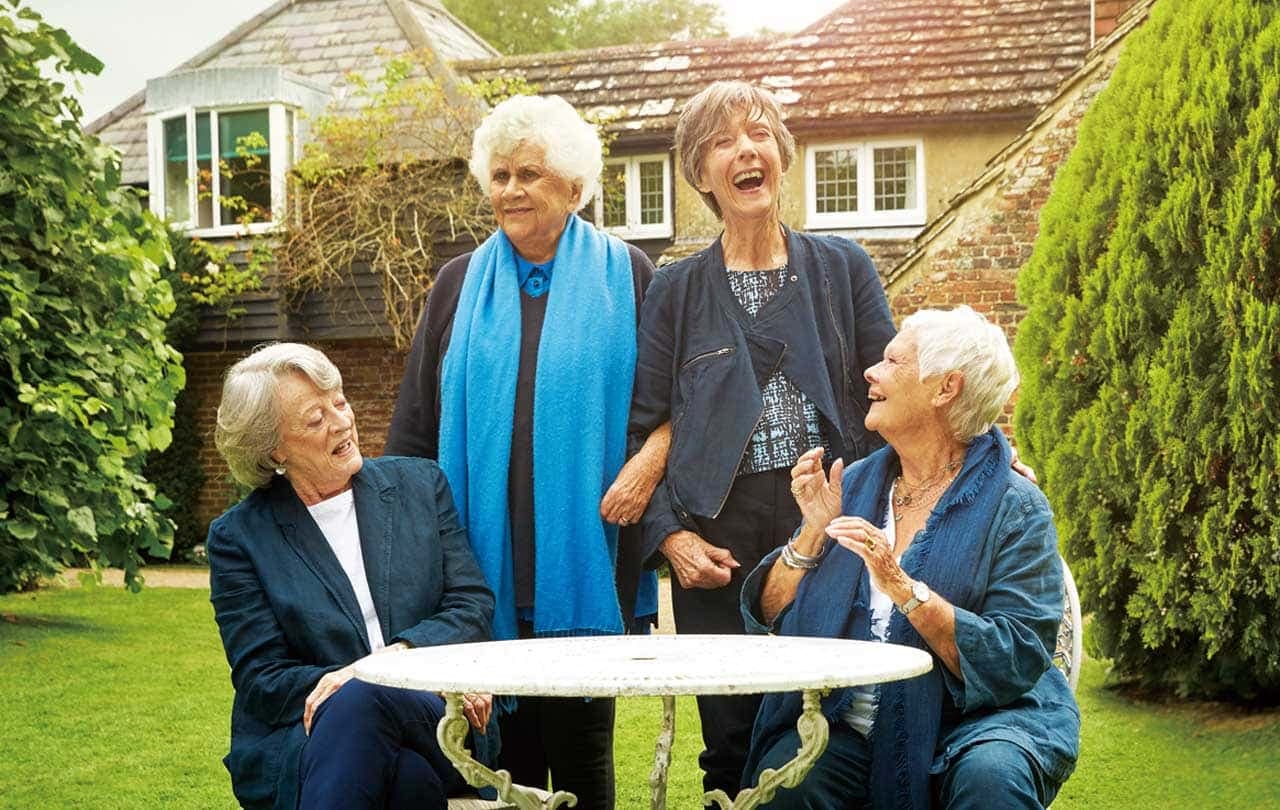
To me, both films and documentaries are gateways into the lives of others — ways to experience different realities without ever leaving home. In days when staying indoors becomes the norm, this form of vicarious satisfaction grows even stronger. Here are five films that helped me break free from the everyday: "Suzaku" captures the emotional currents of a forest-bound family with a gentle, meditative tone — a tribute to dreams that can only exist like bubbles, fleeting and beautiful. "Lack of Evidence" reconstructs the haunting testimony of a Nigerian boy who fled after his father, a shaman, tried to sacrifice him — a visceral, animated outcry against violence masked as tradition. "78/52" invites film obsessives to deconstruct one of cinema’s most iconic murder scenes, dissecting every frame of Psycho’s unforgettable moment. "Tea with the Dames" gathers four legendary British actresses for an afternoon steeped in gossip, memories, and unfiltered wit — an impromptu masterclass in presence and poise. "Green Line" presents a stark meditation on the Israeli-Palestinian conflict through the lens of nature — showing how, despite man-made borders and walls, landscapes continue to breathe and move freely.
A modern-day tragic woman who endures humiliation, sells herself, and even kills for love—branded with infamy and endless tears, yet still relentlessly pursues true affection. A free-spirited café waitress who casts wild and whimsical spells to rewrite her daily life. Four legendary actresses come together on camera for the first time, sharing laughter and stories from over half a century of friendship. A mysterious wandering nanny revealed to be the most iconic street photographer of our time. A drifter who gave up everything, carrying only a humble tent, living a lawless, homeless life at the edge of the world. These women all have one thing in common—they defy expectations and live life on their own terms.
"One is not born, but rather becomes, a woman." There is no such thing as a woman who is born confident and radiant — we all stumble, search, and grow into the body image and way of life that feel most like home, learning slowly how not to dislike ourselves so much. Documentary films quietly and honestly reflect women in their most unadorned states — ordinary, oppressed, loathed, awkward, or uninhibited — and all of these are part of who they are.

For many, love begins with a talent, and leads to another kind of brilliance—only to end in disaster. The finest artists are singular—they cannot be replicated. Perhaps the best kind of love is found in quiet admiration: a photograph, a frontline report, a song, a book, or a stage play.