2004
Yilan Green International Film Festival
入選

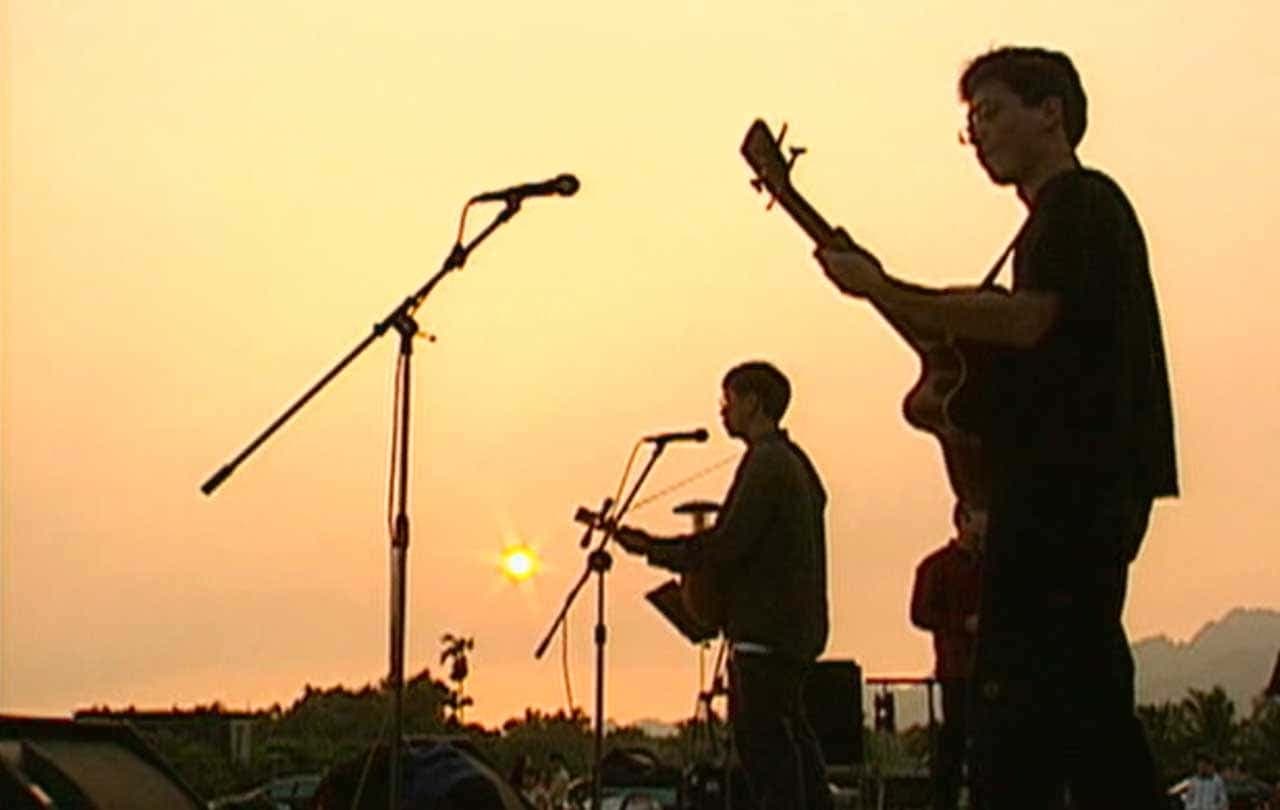
Directed by 賀照緹

第一次知道WTO是參加小學的社團,我還記得那都是在週三的午後,我苦惱要選什麼社團,母親說,試試看時事社呀,會很好玩喔。 現在想來,這是多麽日式溫柔的語法。 那時候弟弟無法適應一般的學制,以至於必須轉學到實驗性的小學,那是一所位於新竹縣寶山,在雲端的小學,我總是可以在學校看到霧,那所學校收留在一般學制的被淘汰者。 我們一週有三次的社團時間,老師不會干涉的可以自由選擇社團。 我在那所學校學會,原來一個人可以被好好對待,不是因為我成年或者我是小孩,而是我是人本身,就該被好好對待,我認為那是我對人權最早期的啟蒙。 我在12歲之前,就好好的看過所有白米炸彈客的新聞,我後來想到母親說的,去時事社看看啊,那有她做社運的人文關懷而有的引導。 在那個公因數跟公倍數還分不清楚的年紀,就被啟蒙了貿易逆差,以至於對台灣農民的苛刻,我很矛盾,那有點打壞我的二元論,我支持的陳水扁怎麼可以這麼沒有人文關懷的對待農民。 時事社的指導老師是學校的主任,我來想起,他很像我在哲學系會遇到的教授,總是鼓勵我們講一些沒產值的清談,就算他們看得出來我只是沒看文獻的講出一些小聰明,還是很寬容的引導我的思考,讓我無意間的幫我開啟思考的導航模式。 前幾天,看完生祥樂隊的表演,在後台抽菸時,生祥老師用我很熟悉的美濃客家腔講華語,他說著,這邊抽煙會被檢舉,後面巷子比較好抽。 那是對於人文關懷的長輩都會有的細細的溫,不會直接罵人,也不嚴厲的糾正,點到為止的優しい 後來我下一次問到時事社的主任,他殺死自己了。 很感謝在他活著的時候,在我11歲的時候,不計較我中二幼稚尖銳的,引導我,原來所有的人文關懷都是很堅強的優しい
【關於「交工」與「交工樂隊」】 「交工」這個詞起源於早期美濃菸業全盛時期,採收的農忙時節、處理菸葉需要大量人力投入,並非單一家庭所能負擔。因此有親緣或地緣關係的菸農們會各出幾名人丁組成「交工小組」,輪流採收小組成員各家的菸葉,即「交換工人」之意。 交工樂隊成立於1999年,由林生祥等幾個美濃返鄉青年組成。1999年,交工樂隊的成員們回到美濃的菸樓錄音室,開始錄製「反美濃水庫專輯」。美濃鄉親們把這專輯的錄製當作自己家的大事,秉持「交工班」精神,為《我等就來唱山歌》這張專輯提供了最佳的製作條件。專輯完成後,大家決定要向「交工」學習進步精神,因此將樂隊定名為「交工樂隊」。
4:57 【關於「美濃反水庫運動」】 「興建美濃水庫」為的是解決高雄、台南及屏東等地區之遠程龐大用水需求。1992年美濃民眾獲知政府預備興建美濃水庫以提供高雄地區用水。由於水庫壩址預計建設在斷層上,有安全疑慮且會嚴重破壞黃蝶翠谷熱帶母樹林之生態環境,並衝擊美濃的村落內維持已久的傳統客家文化等因素,因此,在1992年底由曾貴海、鍾永豐等人籌組美濃愛鄉協進會,並在1993年發動「反水庫大遊行」繞行全鎮。1999年美濃反水庫人士動員前往立法院陳情,一週後美濃鄉親北上監督美濃水庫預算審查,立法院將美濃水庫兩億五千萬元預算全數刪除。後於2000年,陳水扁當選總統,隨後宣佈任內不興建美濃水庫。
【關於「菸樓」】 菸樓始於日治時期,在菸酒專賣制度下,美濃以佔四分之一強的比例成為全省最主要的菸葉生產區,鼓勵人民種菸、製菸,使得菸草種植面積大增。而菸草屬於高經濟作物,有「綠色黃金」之稱,因此菸樓的數量也成為富裕程度指標。 而「菸樓」是什麼呢?它是燻烤菸草葉與儲存的空間。建築挑高,用土埆磚砌造而成,結構堅固耐用。
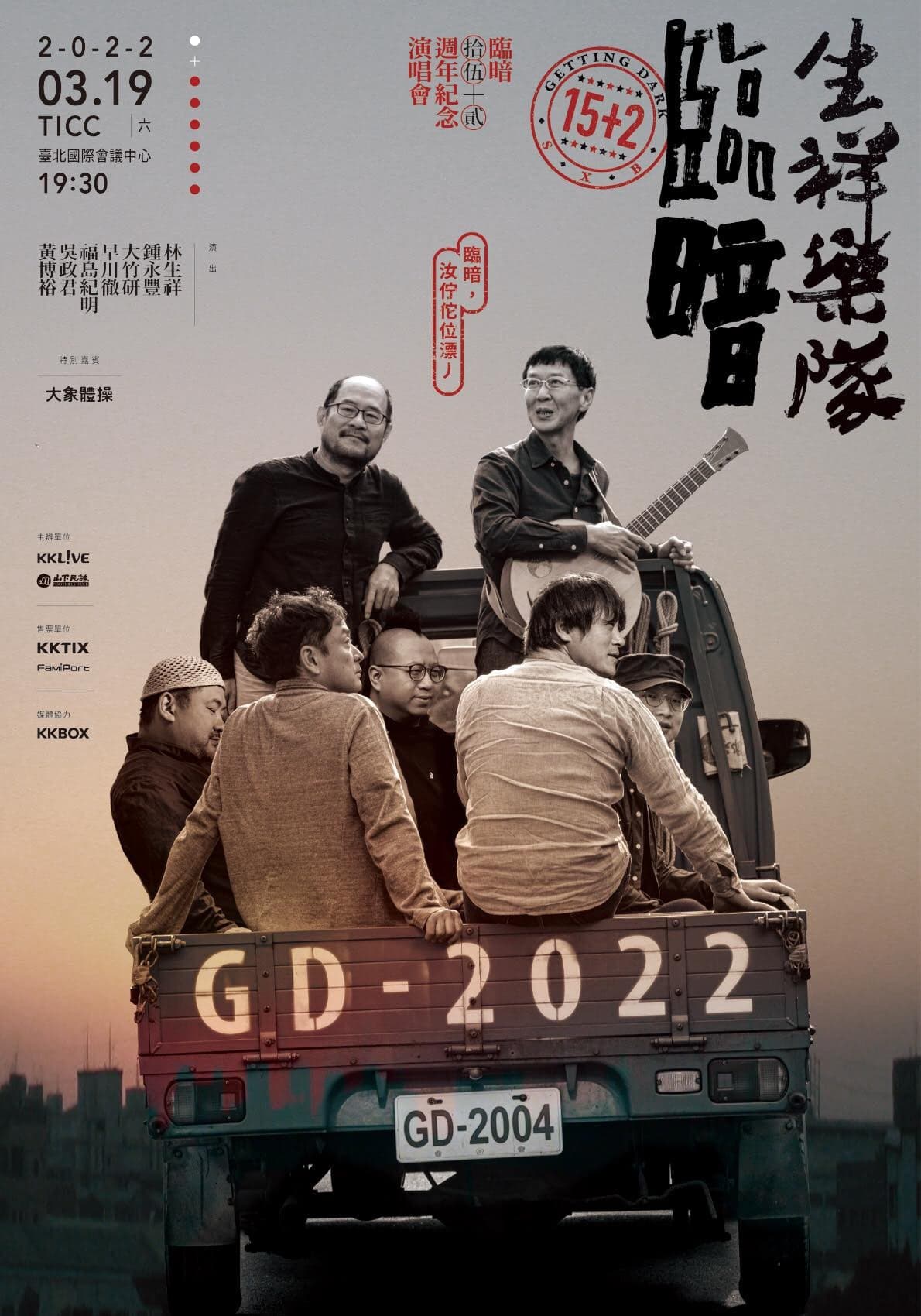
26:30 在2017年,生祥樂隊曾在台北國際會議中心舉辦《菊花夜行軍》15週年紀念音樂會,原「交工樂隊」團員們以不同形式聚首,重現當年的感動與熱血,不禁讓我懊悔認識他們認識得太晚了xD,這邊也分享因應十五週年紀念而拍攝的《重返縣道184》,也可以配本片對照來看,非常非常感動ㄛ!
 重返縣道184《菊花夜行軍》十五週年紀念短片 (完整版)
【交工樂隊後日談】 因理念的不相同,交工樂隊於2003年解散(PTT有留存較詳細的說明與原因,可點連結) 團員們也踏上不同的道路繼續向前走著。像是由陳冠宇、郭進財、鍾成達及其他成員組成的「好客樂隊」之後也為同一位導演的紀錄片《炸神明》(Giloo站上有!也推推)創作配樂。由生祥為首組成的不同時期的樂隊,也創作出許多膾炙人口的音樂,與電影主題曲,像是《大佛普拉斯》、《陽光普照》、《男人與他的海》(站上也有喔!也推!)都有他創作的軌跡。
[轉錄]Re: 交工樂隊解散了今年是生祥樂隊《臨暗》專輯發行的17週年,生祥樂隊日前宣布了「生祥樂隊 2022 臨暗拾伍+貳週年紀念演唱會 」消息。詳見:https://www.facebook.com/photo?fbid=465263124960865&set=a.223920722428441
拍謝少年曾在Giloo的訪談中推過這部紀錄片,他們認為:「生祥在音樂之外,也會身體力行參與社運,讓我覺得音樂可以做更多事,不只是唱歌給大家聽,甚至可以用歌曲影響議題,這是我覺得很珍貴的價值。」
 Giloo紀實影音/7月焦點人物|拍謝少年:台灣土產搖滾樂團的「台式美學」精神片單 | Giloo紀實影音
交工樂隊與生祥樂隊的成員之一,亦是生祥作品中的填詞人鍾永豐,日前出了一本新書《菊花如何夜行軍》,書名取自生祥樂隊的《菊花夜行軍》的專輯。
 菊花如何夜行軍
創下台灣樂團募資史上最高紀錄的拍謝少年,5月發行了全新台語專輯《歹勢好勢》,睽違四年發專輯的他們,只唱了一場live就碰上三級警戒,後續練團及演出只好暫時停擺。疫情下居家工作的拍謝少年,日常生活都在忙些什麼?待在家裡不能出門的日子,都會看些什麼作品?
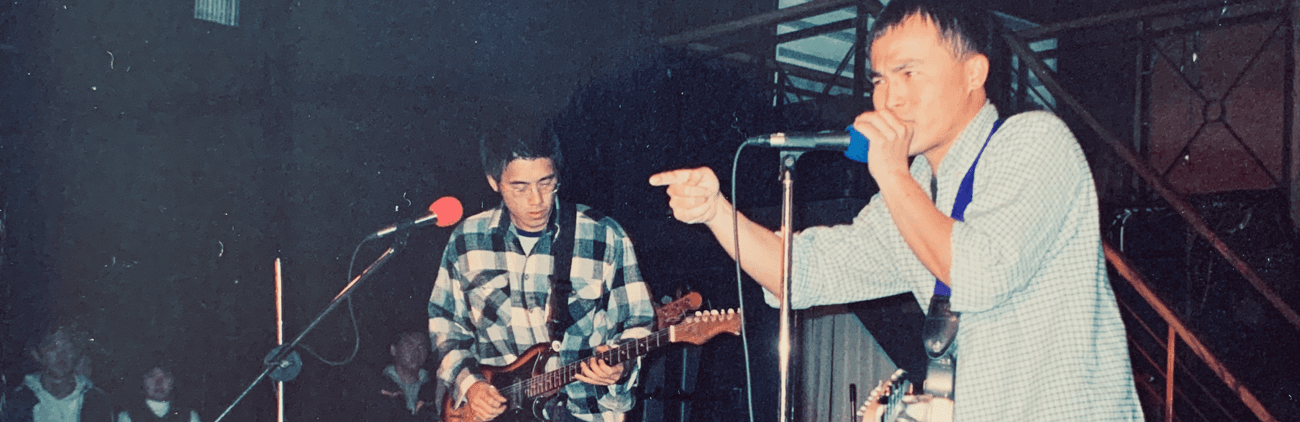
Music is the voice of a generation’s thoughts. For the singers who give voice to stories, dreams and resistance are etched into every lyric. Independent bands have forged raw energy from hardship, using sharp, unrelenting melodies to challenge and disrupt the dominance of mainstream music in Taiwan. Giloo presents a selection of documentaries spotlighting the independent music scenes of Taiwan and China—tracing how underground bands rose from the margins to reach wider audiences, and how their songs gave voice to grassroots struggles, shaking the system with sound.
Rock isn’t just a genre—it’s a culture, a way of life. Some may seem bizarre or outrageous, but they’re actually artistic geniuses. Some pioneered new sounds that shaped generations. Some wielded the pen like a sword, turning rock into a cultural force. Some stood tall against oppressive regimes, refusing to unclench their fists. Giloo presents 11 essential rock documentaries. So if anyone ever asks you what rock is, just tell them: watch these films. Don’t ask me what rock means—feel it.

Taiwanese native rock band Sorry Youth shares their exclusive and personal film picks! Lead vocalist Winnie re-watches The Chronicle of Oyster Village every six months—it captures a vivid snapshot of those formative years. County Road 184: East, which portrays The Labor Exchange Band’s passionate musical devotion to the land, is Ginger’s top choice. Drummer Chung-Han strongly recommends Lantouke: The Story of the Loh Tsui Kweh Commune, a raw and powerful look at music as a tool for social resistance—its rebellious spirit still shapes Sorry Youth’s music and mindset today. These five carefully selected documentaries are perfect for fans stuck at home during lockdown—especially indie music lovers and theater people. Let these moving images sharpen your sense of place, and offer a glimpse into the roots of the “Sorry Youth” sound.
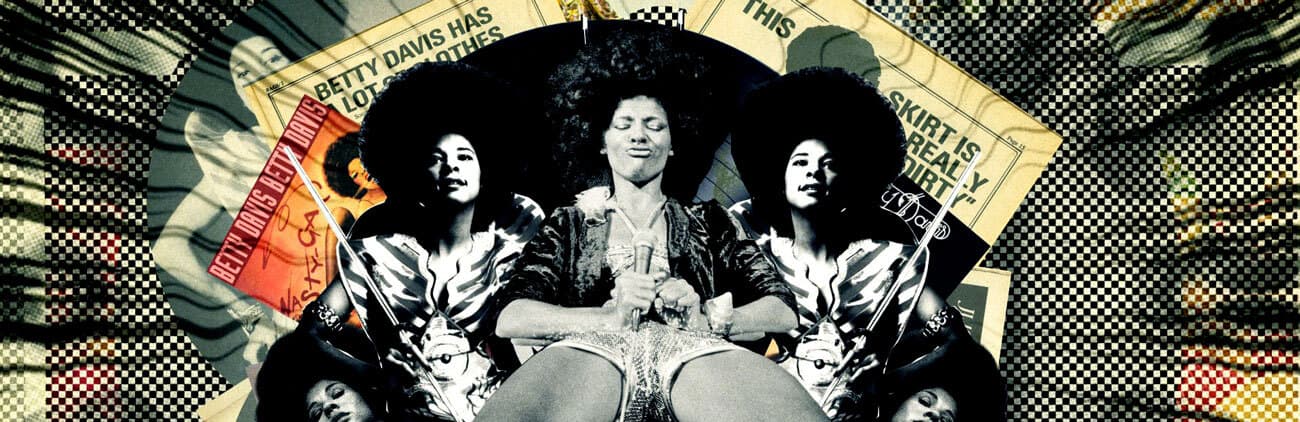
Music and sound may seem fleeting, yet they leave lasting impressions in the hearts of listeners—sometimes even becoming songs passed down through time. Beyond sensory pleasure, the act of creating sound often carries a message shaped by a specific social context. Whether it is to resist mediocrity or to resonate with the land of daily life, sound conveys cultural memory and helps bring individuals together.
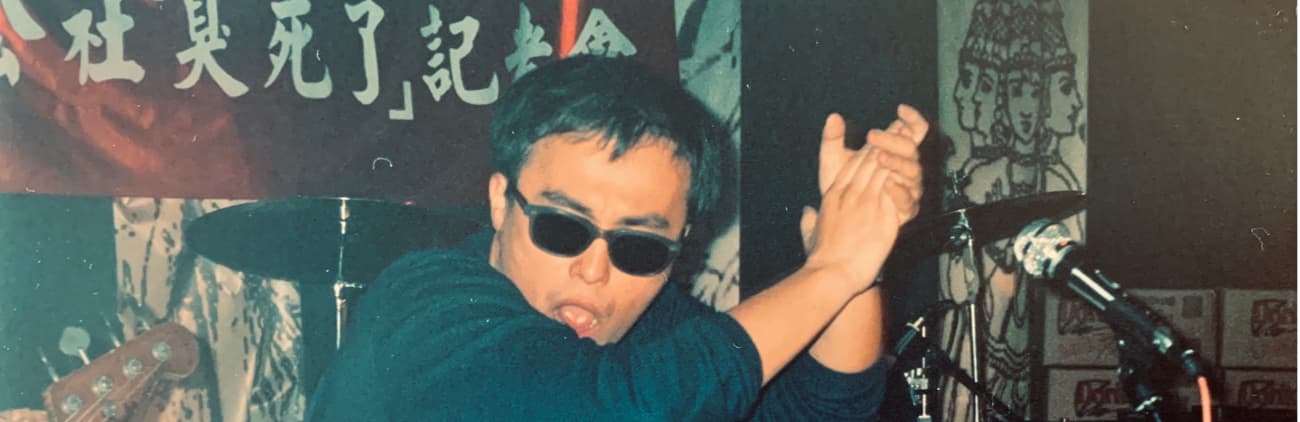
Music is more than melody and rhythm—it’s a moment in time, an infinite space where collective memories are stored. As we temporarily part ways with Megaport Festival, Giloo invites you to revisit the electrifying spirit of the stage. Return to the passion and protest of bands like Fire EX., LTK Commune, and Labor Exchange Band—homegrown voices that gave shape to grassroots dreams and rebel hearts, shaking up a Taiwan once dominated by mainstream music. So let’s set sail again—sing our dreams, our defiance, and everything in between. Raise a glass as the lights fade. Until we meet again.
A boy who survived ethnic cleansing, a sled athlete pushing the limits of the body, a protester labeled a rioter, a former firefighter painting cat graffiti on the streets of Tamsui… These individuals, each carrying their own story, leave behind glimpses of life through the camera lens — and in doing so, offer living proof of their communities' existence. Follow Giloo on a journey through lives of every kind — there's always a greater story waiting to be discovered.
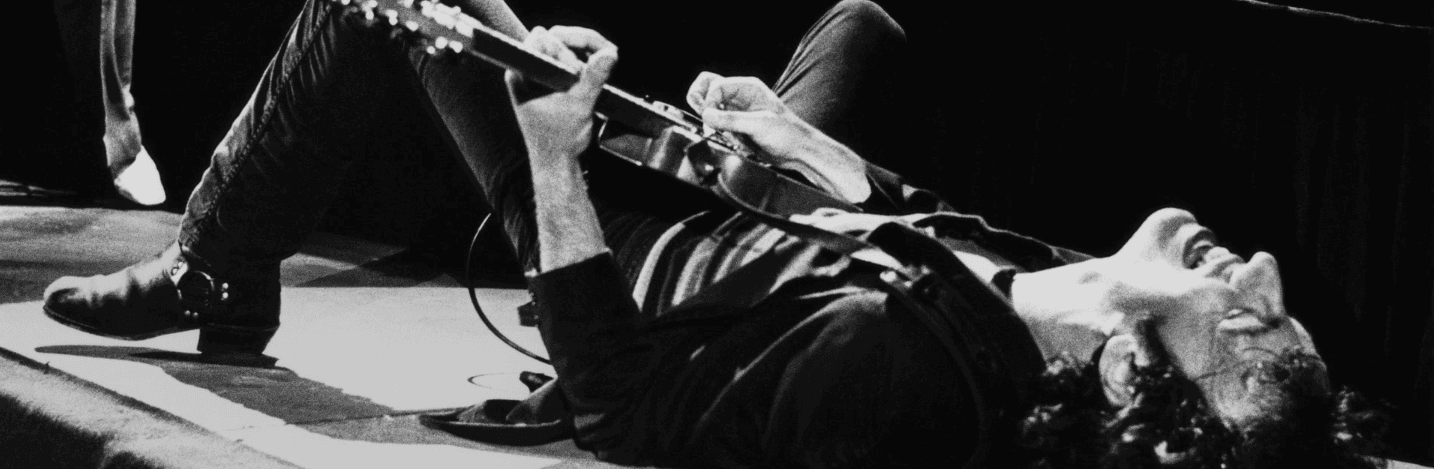
What Did Taiwan’s First Pop Songs Sound Like? How did a group of young people returning to the countryside turn an old tobacco-curing shed into the birthplace of a classic album? How did one small indie record label become the cradle of Taiwan’s biggest rock bands? In collaboration with Blow (吹音樂), Taiwan’s leading independent music media outlet, we've selected 9 films exploring the roots and evolution of Taiwan’s music scene—alongside a powerful documentary on Rolling Stone, the iconic U.S. music magazine born in an era of rebellion. From the golden age of modern Taiwanese pop to the rise of underground and alternative bands, these films span nearly a century of music history. For fans stuck at home and missing the thrill of live gigs, let these moving images bring you back to a time when legends were just getting started.