1991
Golden Horse Awards
最佳劇情片、最佳原著劇本|最佳男主角、最佳女主角、最佳導演、最佳女配角、最佳攝影、最佳美術設計、最佳錄音、最佳造型設計提名

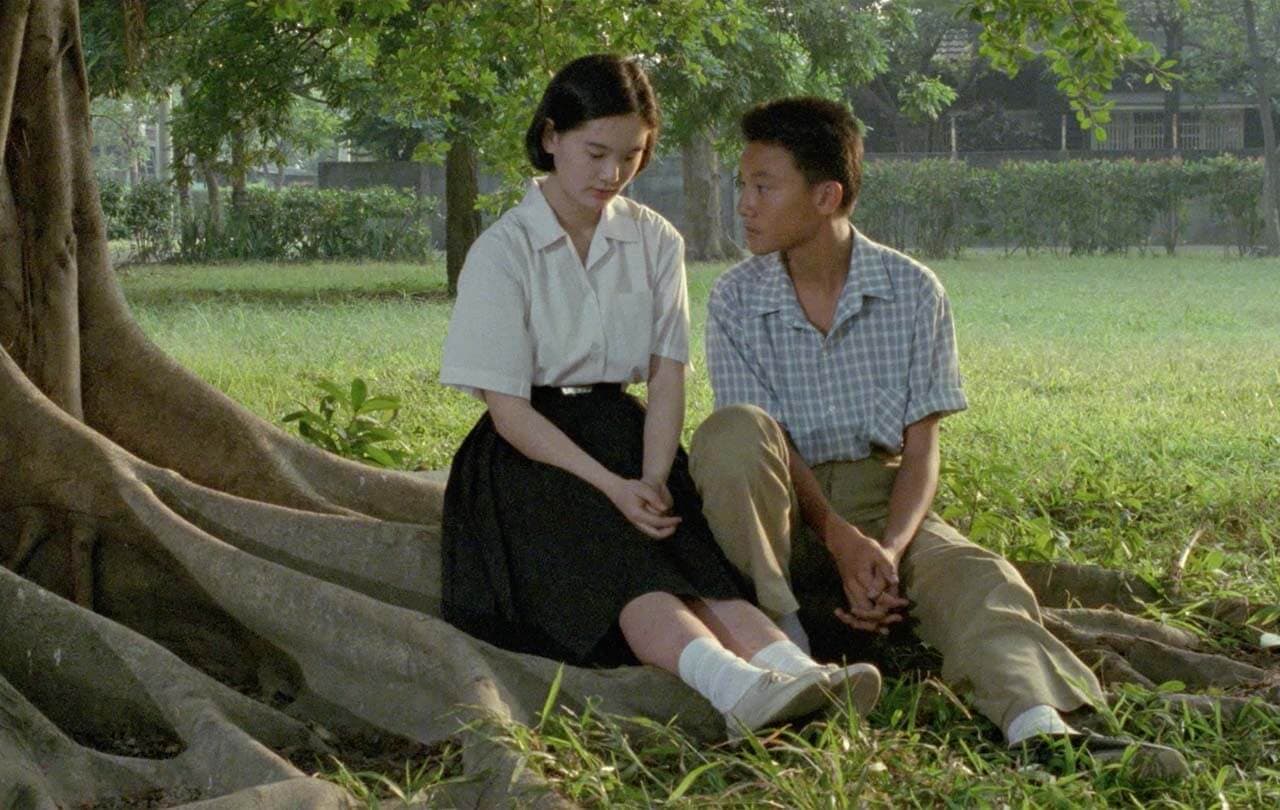
Directed by 楊德昌
最佳劇情片、最佳原著劇本|最佳男主角、最佳女主角、最佳導演、最佳女配角、最佳攝影、最佳美術設計、最佳錄音、最佳造型設計提名

對於青春的迷茫暴戾,時代的壓抑,以及少年對於戀愛的憧憬,皆有很深的刻畫
一九八七年七月,台灣正式解嚴,楊德昌開始籌劃《牯嶺街少年殺人事件》(下稱《牯嶺街》),並在一九八九年八月成立自己的電影工作室「Yang and His Gang Filmmakers」(楊德昌電影公司)。一九九〇年八月八日,《牯嶺街》正式開拍,一幫人靠著對電影天真的熱情,從北拍到南,在九〇年代的屏東建構出了六〇年代劇變中的的台北。《牯嶺街》的英文片名「A Brighter Summer Day」取自貓王〈Are You Lonesome Tonight〉,除了貓王,電影中也用了幾首瑞奇尼爾森的歌作為插曲,在楊導就讀建中的六〇年代,西方的搖滾樂、電影等流行文化成為青少年在閉塞時代裡的救贖,影響著那一代對思想的追逐。 楊德昌曾說:「我們何其幸運地生長在這個不幸的時代。」A Brighter Summer Day 所代表的一瞬之光和《牯嶺街》的現實黑暗相互矛盾,但正是在那樣的黑裡,楊導澄澈的眼光洞穿了封閉的年代,在三十二年後的今日,仍舊純真、年輕。
1:31:18 在楊德昌的鏡頭下,場景時常沐浴在和煦的陽光下,反而襯托出大時代之下,校園中男女之間的複雜情感、青少年和大人們的鬱悶、男人之間的成群結黨,更顯抑鬱、愁苦。尤其喜歡一幕鏡頭(【01:31:18】)停留在保健室的門上,門上倒映出小明和小四對話的身影,奶油色的木門、少年少女的模糊身影,彼此訴說著煩惱;還有另一幕(【02:02:18】)在嘈雜的器樂演奏聲中,小四對小明大喊出自己的心情,也分外青澀可愛。從那些細碎的美好畫面中,對比出其他佔多數的危險暴力場景,彰顯出青少年無法自由自在成長的狀態,讓人對於戒嚴時期之於人們生活的影響有了更完整的想像。
在楊德昌的鏡頭下,場景時常沐浴在和煦的陽光下,反而襯托出大時代之下,校園中男女之間的複雜情感、青少年和大人們的鬱悶、男人之間的成群結黨,更顯抑鬱、愁苦。尤其喜歡一幕鏡頭(【01:31:18】)停留在保健室的門上,門上倒映出小明和小四對話的身影,奶油色的木門、少年少女的模糊身影,彼此訴說著煩惱;還有另一幕(【02:02:18】)在嘈雜的器樂演奏聲中,小四對小明大喊出自己的心情,也分外青澀可愛。從那些細碎的美好畫面中,對比出其他佔多數的危險暴力場景,彰顯出青少年無法自由自在成長的狀態,讓人對於戒嚴時期之於人們生活的影響有了更完整的想像。
楊德昌攤開年少時代的記憶,讓觀眾直面茅武/小四的殺人事實,並於其中堆疊時代內盪的戾氣和相似動機不穩定的殺人事件。本片多次提到的書籍《戰爭與和平》,正呼應著臺灣軍事戒嚴、白色恐怖的背景,在戰爭的陰影、高壓的統治之下,學校成為國家暴力縮影,也是小公園和 217 兩個幫派角力的場域,無法超越大環境的宿命,任何人都可能是另一個「小四」。
本片改編自發生於牯嶺街的真實命案,1961 年 6 月 15 日晚間十點,位於牯嶺街 5 巷 10 號後門,一名女學生劉敏(山東人)被七刀奪命,兇嫌則為建中初二男學生茅武(浙江人)。由於兇殺現場在美國新聞處附近,而且撫養孤女的國軍遺孀企圖吞金自殺,國軍裡還有大量被拉伕而來的山東農民(如後來犯下土銀搶案的李師科)。 這些情節具高度政治敏感,所以情治機關將此定調為單純的「情殺」,然而背後的動機其實源自白色恐怖之下,更為龐雜的外省人與本省人的文化衝突,以及外省第一代離鄉背井的徬徨不安。
電影中一幕在巨型冰磚上書寫的畫面,其實是白色恐怖時期的刑求方式之一「跪冰塊」。 除此之外,在當時還有利用性、性別的刑求手段,例如「螞蟻上樹」是使人裸身淋糖水丟室外招螞蟻咬;或以尖細鋼琴線穿過乳頭;甚至讓懷有身孕的女性政治犯長髮高高懸吊在樑柱,並持續遭受刑求導致胎盤剝離等殘忍行徑。
提到白色恐怖相關的影視作品,除了《牯嶺街少年殺人事件》外,還有萬仁執導的《超級大國民》,以及侯孝賢執導的《好男好女》、《悲情城市》等,其中《悲情城市》也在 2023 年修復後經典重映。
這部片最打動我的一幕是小四在暗夜之中,原本要拿磚頭攻擊某一位對他們家十分惡劣的鄰人,為父親出氣,躲在陰影之中等待鄰人走過的時候,鄰人卻突然身體不適(心臟病發?)倒地。結果小四一怔,放下磚頭,跑上前去救人。青少年的心思真的就是如此變化莫測,殺人救人一秒之間。因此,小四走向最後的悲劇結局的過程中,是否有轉寰的餘地,在哪裏、何時、誰又能夠修復他的心智像巧手伸進精密鐘錶的動力內核,成為了我觀影最大的懸念。
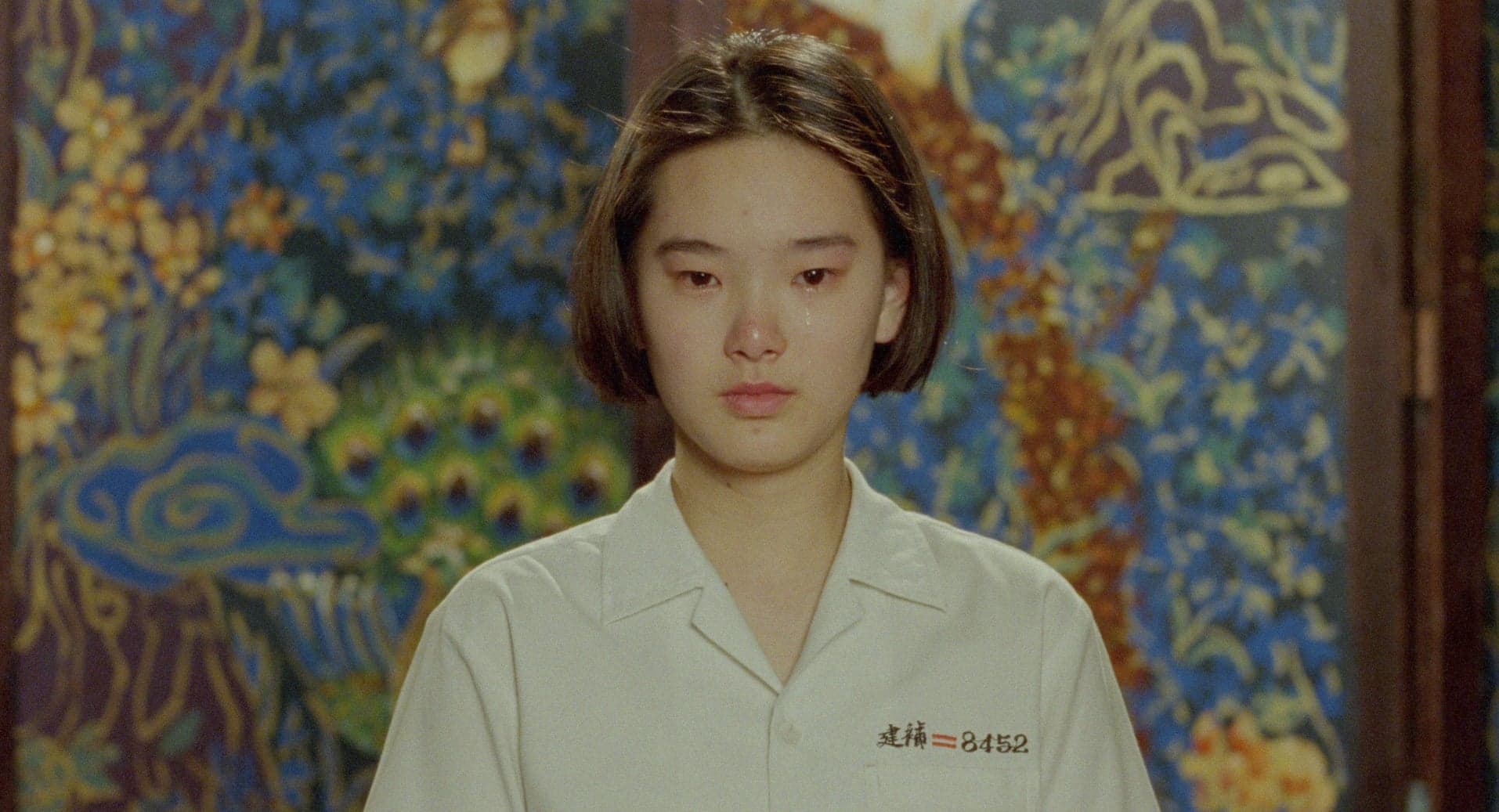
看《牯嶺街少年殺人事件》需時時提防,畫面嚇人(小四兒和小明都把槍對著鏡頭),聲音也嚇人(你時不聽到,砰的一聲),電影狠在,楊德昌提供太多可以殺,必須殺,能夠殺的原因。小四夜歸時看到雜貨店胖叔又喝醉了顛顛倒倒甚至碎嘴他幾句,便從後繞近並悄悄拿起了磚頭。別笑柯南有鼻屎般的殺機便引發汪洋般的殺人案,小四兒是連在路邊都能狠下心腸的,這個時代的台北太擁擠了,所有人都應該死,雜貨店老闆也不能放過。但為什麼最後死的必須是小明?
Compared to his contemporaries, Edward Yang was more evidently influenced by European auteurs. His films are often set in contemporary Taipei, characterized by sharp, articulate dialogue and scenarios that reflect a distinctly urban sensibility and a strong sense of modernist aesthetics.
On August 28, 1982, Time Story premiered, marking the beginning of the Taiwan New Cinema Movement. In the summer of 2022, HIDE & SEEK AUDIOVISUAL ART released The Time Ahead: A Memo to 40 Years of Taiwan New Cinema, revisiting this pivotal era through 20 key concepts. In the fall, the Taiwan Film and Audiovisual Institute will present a special retrospective titled When New Cinema Begins Again: 40 Years of Taiwan New Cinema, uncovering many long-overlooked gems hidden in the corners of film history. Between summer and fall, TFAI and HIDE & SEEK AUDIOVISUAL ART join forces to present 16 titles—films both representative of Taiwan New Cinema and those reflecting on the movement itself—inviting audiences to engage with its legacy and imagine the decades of cinema still to come.
Period of Martial Law began in 1949 and lingered in Taiwan for nearly 40 years. While maintaining the overall situation, legal, political, and military forces have also left indelible scars in society. Martial law was lifted in 1987, but the scars will not recover automatically. We should always look back and remember how those painful memories led us to freedom. Taking this as a theme, we selected four Taiwanese films to describe the suffering and impact of Martial Law. Also, the classic Blind Chance by Polish director Krzysztof Kieślowski was chosen to present how human beings are at a loss for fate under the cross-national totalitarian rule.
.jpg&w=3840&q=75)
In pursuit of happiness, we sometimes end up unhappy. Youth is always dazzling—and cruel. Family ties are always volatile—and tender. Yet it’s often only in the aftermath of youth that we begin to understand: happiness cannot be frozen in time. This sticky, sun-drenched summer, Giloo presents 11 masterworks on family and fleeting joy—beginning with Shunji Iwai’s All About Lily Chou-Chou and closing with Edward Yang’s Yi Yi. From Ang Lee’s Father Knows Best trilogy to Tsai Ming-liang’s Water Trilogy, with appearances by Hou Hsiao-hsien and Hirokazu Kore-eda along the way, each film explores the paradox of happiness, or perhaps the quiet truth that happiness—like memory—can never be held still.
Loneliness and restlessness, the beauty and cruelty of love, the confusion and longing around gender—so much of adolescence grows in secret, tucked away in quiet corners of school life. But when secrets come to light, does that mark the end of youth? And is growing up inevitably a slow unraveling of the self? Giloo presents five poignant coming-of-age films that capture the ache and wonder of adolescence: Edward Yang’s A Brighter Summer Day, Yee Chih-yen’s Blue Gate Crossing, Chen Cheng-Tao’s Eternal Summer, and two Japanese classics by Shunji Iwai—All About Lily Chou-Chou and Hana and Alice. Step into these cinematic portraits of youth, and relive the beautiful, painful process of becoming.
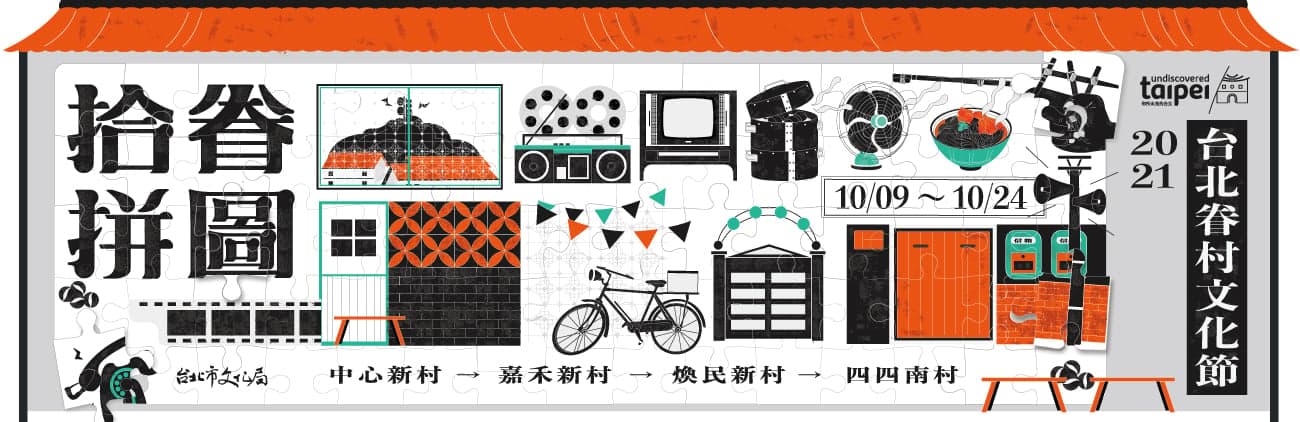
As time passes, generations of military dependents’ village residents have gradually moved away from the homes they once knew. Yet even after leaving, many have found personal ways to preserve and document the memories of the juàncūn—Taiwan’s unique military dependents’ villages. Among these methods, filmmaking stands out as a powerful act of memory—freezing time, bringing vanished buildings, objects, and moments vividly back to life. This year’s Taipei Military Dependents’ Village Cultural Festival: Online Film Showcase invites you to travel through time via the small screen, exploring the evolving faces and unseen stories of the juàncūn through film and documentary.