1994
Venice Film Festival
金獅獎、國際影評人費比西獎

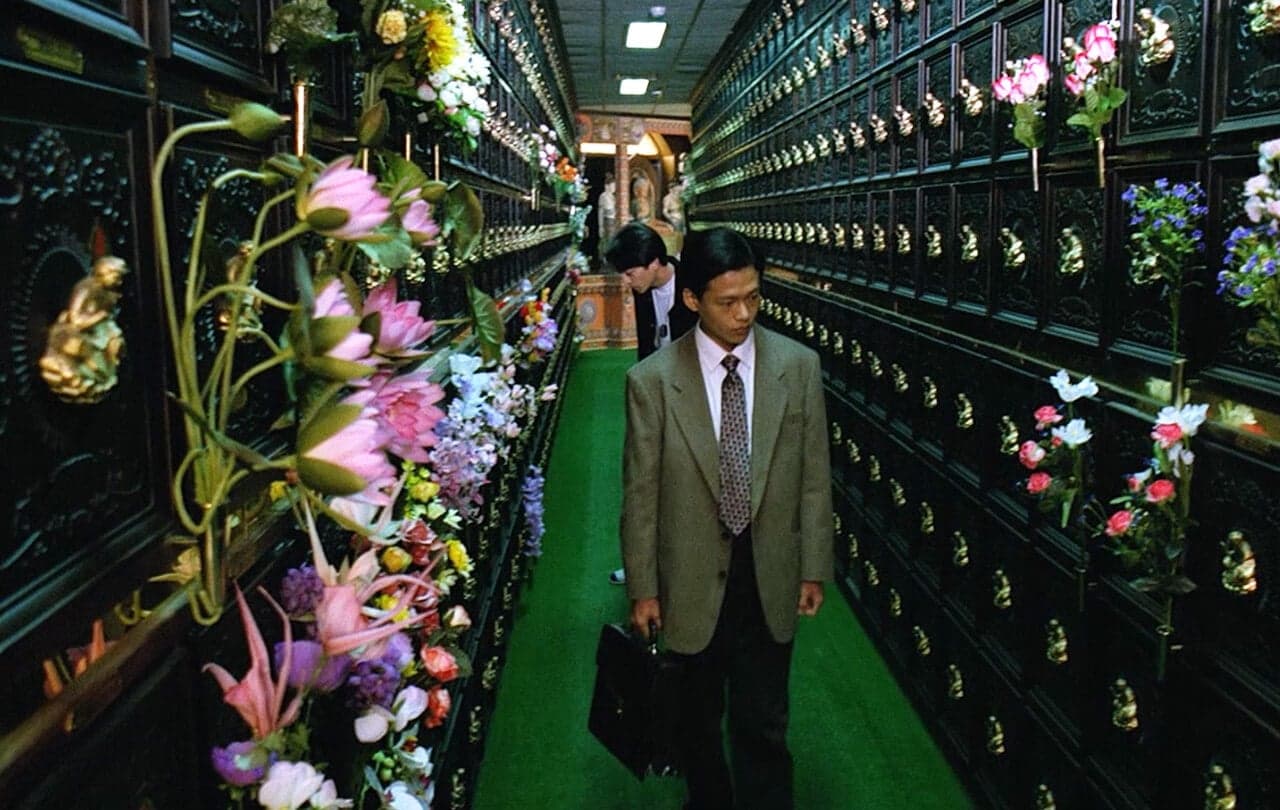
Directed by 蔡明亮
金獅獎、國際影評人費比西獎

從以前就喜歡歡蔡導的電影,北上之後覺得自己又更貼近電影一些。蔡導總是能夠從小動作精準描繪人孤獨時的狀態,與繁榮的都市中人與人之間的疏離。 去年在大安森林公園看《愛情萬歲》度過2024的最後一天,在那樣的場域裡電影中的疏離、徬徨、孤獨、寂寞、無力,彷彿都有了宣洩的空間。 聽著群眾的歡呼聲、交談聲、哭泣聲配著手上的啤酒,一群因蔡導的電影在安森聚集的人,最後一起大喊著愛情萬歲,以前看來諷刺的片名,此刻卻格外令人相信「愛情萬歲」!
三個寂寞的靈魂,卻販賣著不同形式的家,身體的家,靈魂的家,肉體的家,但寂寞的心卻飄盪在這個大台北,異性的,同性的,即使孤寂,卻還是想大喊一聲:愛情萬歲!
《愛情萬歲》上映30週年,這部經典電影的影響力再次被證明。2024年的跨年夜,超過3000名影迷齊聚大安森林公園,與導演和演員一同重溫這部作品。這不僅是一場電影放映,更是一場跨越時空的對話,讓電影的生命力得以延續。 Some cheer and toast to welcome the New Year. In Taiwan, people cry their eyes out https://edition.cnn.com/travel/taiwan-new-years-eve-crying-tradition-vive-lamour-intl-hnk/index.html
1:15:50 Food is not love
1:43:03 好棒的眼神,都是慾望
蔡明亮聰明地運用「電影」的糖衣去包裝一部「紀錄片」,尤其是當我在觀看《愛情萬歲》及《河流》,我能充分感受到那份「如坐針氈」的難安感——那是來自於都市人的寂寞,他用聰明的手法,在近乎沒有台詞,僅有凝視的狀態下,紀錄了這份寂寞。而我的不適,是來自於自己與電影的極其相似與共鳴,讓偽裝與逃避現實的我,必須在三小時的時間裡靜默,並且凝視自己的寂寞。不斷向下流的水柱、即將滿溢的水盆、沈默到嚎啕大哭,蔡明亮確實地抓住所有會令人焦躁不安的要素,全部濃縮在自己的長鏡頭之中。
1:51:45 生活堆疊著許多無可迴避的悲傷,如同隨風飄散的髮絲,只能任由它們拍打臉龐。斗大的淚珠滑落臉頰,紫紅色的唇一張一合,你明白他的哭泣,因為你明白的他不明白。風繼續吹,淚繼續留,日子也得繼續過。
1:01:18 你是誰,你又是誰,兩男一女成了無法相見的家人。女子扒著燒臘,男子剛起床,巨大的紅色售字,巨大的綠色植栽,三個人在兩層樓共65坪的空間,顯得格外微小。
21:26 吃力地墊著踩著高跟的腳,以臉就著紅色的招牌,上面賣的是家,和與家有關的所有夢境:兩層、國小旁、賠售、安和路。血是紅彤彤的,夢想是紅彤彤的,慾望是紅彤彤的,家是紅彤彤的,連這城市都變得紅彤彤的,
漫畫家/插畫家高妍創作的長篇漫畫作品《綠之歌 -收集群風-》,近日入選了日本寶島社2023年度《這本漫畫真厲害!》票選「男性篇」的第9名,成為首位登上排行榜的台灣漫畫家。這本描寫台灣少女在接觸音樂與文學的大學生活中,一邊感受戀愛悸動、一邊慢慢成長過程的作品,引用了《一一》、《青春電幻物語》等台日經典電影元素。趁著年底大選,Giloo紀實影音邀請到目前旅居日本、快閃返台投票的高妍參與全新節目「Giloo Podcast」,與我們分享她喜愛的電影,以及這些養分如何長成創作時的無數靈動瞬間。
蛋堡總說自己是個任性的人,這個頭銜出現在自立門戶的廠牌和專輯外盒,那句「他這個人就是很任性啊」的叨念更被做成 Signature Sound。去年摘下金曲歌王的他,不同於先前時隔七年的沉澱,這次沒讓聽眾苦候太久,便端出任性的人出品的第二張專輯《LOOPS for LIFE VOL. 1》。
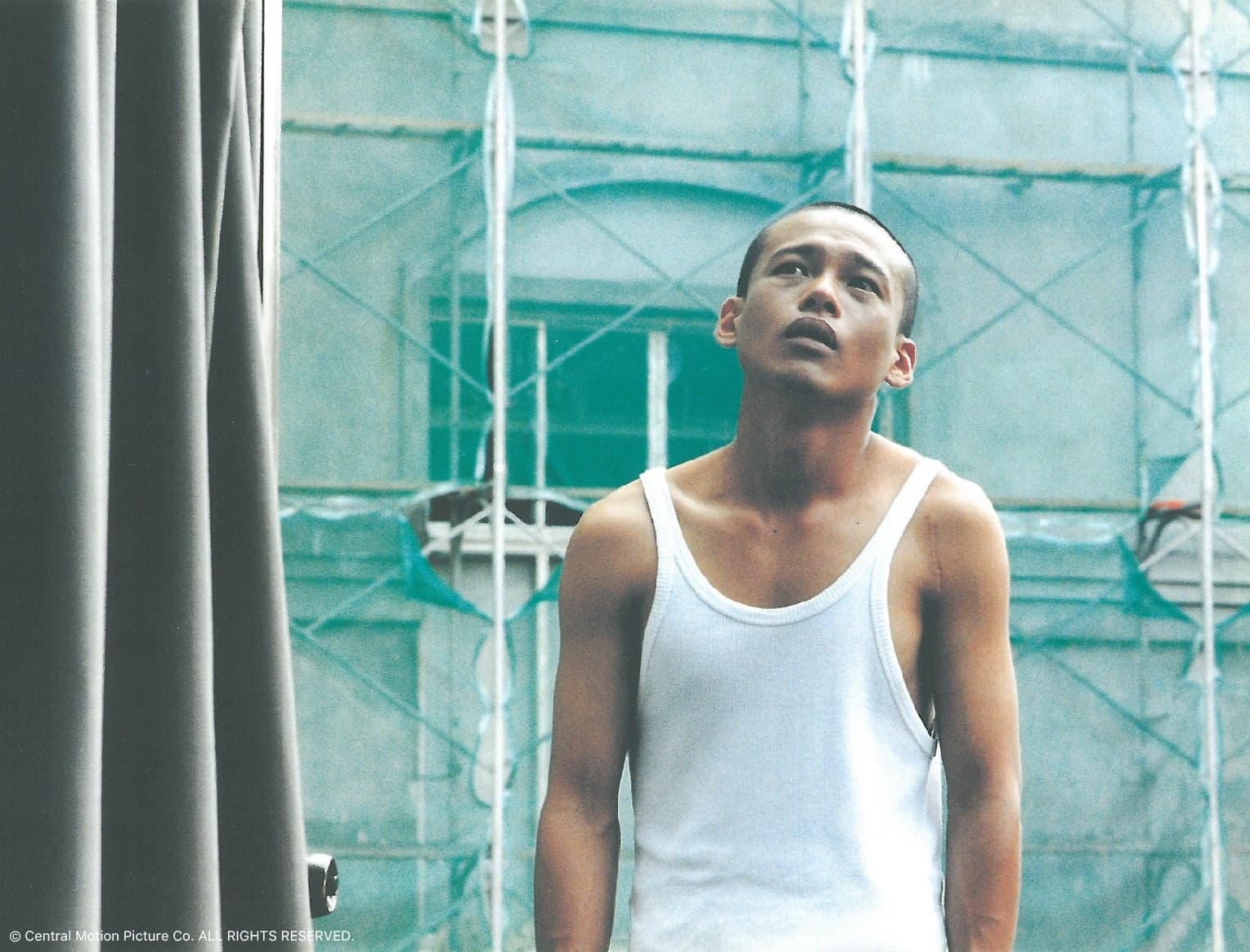
作為蔡明亮電影世界的原型,處女作《青少年哪吒》對於小康之家的塑造,非比尋常。老夫少妻的雙親來自不同省籍與歷史文化的婚姻結合,孕育了李康生——這位蔡明亮電影永遠的繆思——格外與眾不同的體質與稟氣。
A story is a journey, with both its beginning and end unfolding before the screen. Yet each story calls for a different way of being read—through the eyes, ears, nose, mouth, hands, and feet. And at the end, like a white curtain of light, it’s as if a dream was gently dreamt atop a tree. Moonlight, sifted into fragments by the leaves, spills softly onto the body—only then do we realize that the self at the starting point has quietly changed… An unnamed kind of fullness.
Ming-liang Tsai is often regarded by scholars and critics as a key figure in the tradition of slow cinema. His characters are frequently silent or reserved, and he is known for using long takes to observe them in stillness. Through the passage of real time, Tsai explores the subtle emotional responses of his characters, allowing their inner worlds to unfold in silence and space.
As a comic artist whose work takes root in personal experience and carries the qualities of a novel, I often find myself searching for traces of the narrator within other people’s stories. No matter the genre, the people, events, and objects that appear in a story are never entirely “fictional.” From the central plot or a pivotal incident, to something as subtle as a character’s temperament or quirks—these nuances often stem from the long-term observation and quiet accumulation of a sensitive soul. In this light, film is, in many ways, a series of sugar-coated documentaries. They’ve been made sweet and easy to digest—but if you truly chew on them, you’ll come to realize: beneath that coating lies a core made up of the very life that unfolds around us, every single day.

As time passes, generations of military dependents’ village residents have gradually moved away from the homes they once knew. Yet even after leaving, many have found personal ways to preserve and document the memories of the juàncūn—Taiwan’s unique military dependents’ villages. Among these methods, filmmaking stands out as a powerful act of memory—freezing time, bringing vanished buildings, objects, and moments vividly back to life. This year’s Taipei Military Dependents’ Village Cultural Festival: Online Film Showcase invites you to travel through time via the small screen, exploring the evolving faces and unseen stories of the juàncūn through film and documentary.
I used to be drawn to those who leapt without hesitation. Of course, such fascination in youth often carries a trace of naivety. Only now, having walked further down my own path, do I feel confident enough to say I understand— Understand those who, despite spending their entire lives on a single road, hold within their eyes and hearts an entire universe. Understand the kind of resolve they’ve made, the kind of philosophy they’ve found, that allows them to stop overthinking, to throw themselves wholly into one person, one thing, one idea, one yearning. This playlist is a personal offering—a collection of beautiful leaps I’ve tucked away with a trembling heart, now carefully shared with you.
.jpg&w=3840&q=75)
The masters of cinema have walked through the river of light and shadow, leaving behind traces that time cannot erase. Their reflections on film are already sealed within every frame they captured. Giloo presents a selection of restored classics from Taiwan—films that carry not only cinematic legacy, but also fragments of memory, identity, and land. Whether these works are part of your earliest film awakenings or a first encounter, they invite you to rediscover your connection to both self and home. Step aboard the reel, and journey back to the golden years—belonging to both Taiwan, and to cinema itself.