1998
台灣國際紀錄片影展
國際競賽單元提名

國際競賽單元提名

【校園大使】 線上策展計畫 靈魂共時性 souls in sync by 葉芷妍 ▍策展線上看:https://giloo.ist/topics/40117 想像事物的輪廓,鏡頭於是有了語言。 拋擲聲光、擊響字彙、拓印記憶的幕景。五部片,五位創作人靈魂共時的鳴動,讓我們從觀者的席位起身,乘藝術之心共渡,到達美與靈光的彼岸。 侯孝賢畫像 達利:不朽之旅 城市時裝速記(數位修復版) 他們在島嶼寫作|楊牧:朝向一首詩的完成 坂本龍一:終章 —— 策展人 葉芷妍 @by_0807 2003夏,島之北,喜歡夢,清晨,珊瑚色火鶴。寫詩、設計、觀影及其一切美的枝節。 曾獲台積電青年文學獎、全球華文學生文學獎等,作品散見於聯合報副刊、鏡文學等報章刊物。
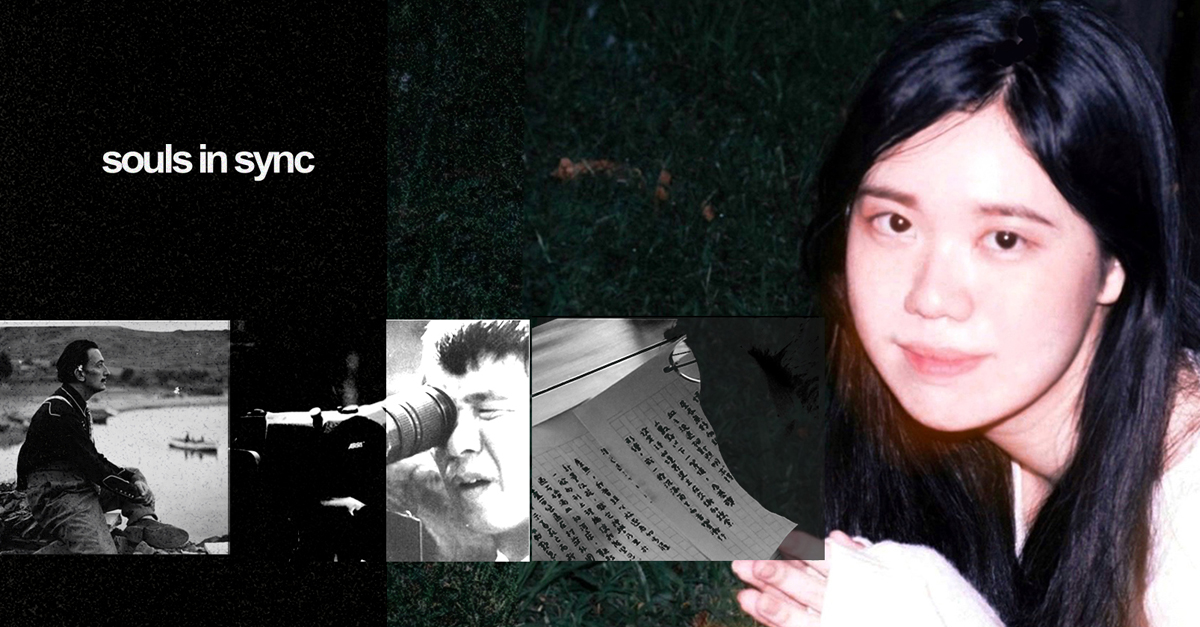 【靈魂共時性|校園大使 葉芷妍】線上影展 - Giloo紀實影音|電影線上看
1:25:02 這段把侯導拍得好可愛,像是小熊或是小狗狗一樣
看了才知道這是法國電視紀錄片系列 Cinéma, de notre temps的其中一集,就我之前看過同系列訪賈克希維特的那集,感覺這紀錄片的風格或許有某種一貫性。這大概是為什麼感受到這部訪侯孝賢的紀錄片,「說」出來的並沒有很多,導演阿薩亞斯的聲音和位置並沒有很突出,只有少數幾個時刻他提出問題做為引子。對熟悉台灣新電影脈絡的影迷大概也不會聽到太多新鮮的洞見或內幕。 當然這比較是帶領觀眾去「看」的紀錄片,開場的《童年往事》片段後,就接到已過50歲的侯孝賢領著訪問者重回高雄鳳山家鄉,介紹鄉里和故友,透過話語和環境、時間的疊合,讓侯孝賢的形像在電影內與外呼應下逐漸鮮活起來。最後影片收尾在侯導於KTV大唱《跟往事乾杯》也是一絕。 這整部紀錄片於我而言沒太多的所謂訪談電影作者時可能試圖展現的神秘性,鏡頭下台灣的一切正提供給西方觀眾適量的異國想像,但就台灣觀眾如我也沒有侯孝賢和台灣被奇觀化、陌生化的感受,這大概是阿薩亞斯試圖控制展現的透明風格。 還是有幾段讓我特別有感覺,比如朱天文出場時流露出來的少女味。又或是侯導特地論述他如何從沈從文小說和帕索里尼電影中,體會出拍攝內容所需要的形式與觀點,他拍攝自傳電影時所企圖拉出的距離感。最後KTV一段他對著鏡頭談著他著迷懷念於「像一群狗般」的雄性競爭文化,即使他認為未來會是女性超過男性的時代。這些大概是這次重看侯孝賢可以參照的作者觀點線索。
帶領台灣新電影打入國際影壇的侯孝賢,以冷靜深邃的長鏡頭,開創獨樹一格的影像美學。他曾說過,「所謂黑色,是從真實和荒謬而來。」反對矯揉造作的他,總能以最貼近日常的眼光,捕捉讓你我共感的片刻。 凝視侯孝賢|導演專題影展 Hou Hsiao-Hsien Retrospective ▍影展線上看 ☞ https://bit.ly/3S0dawe
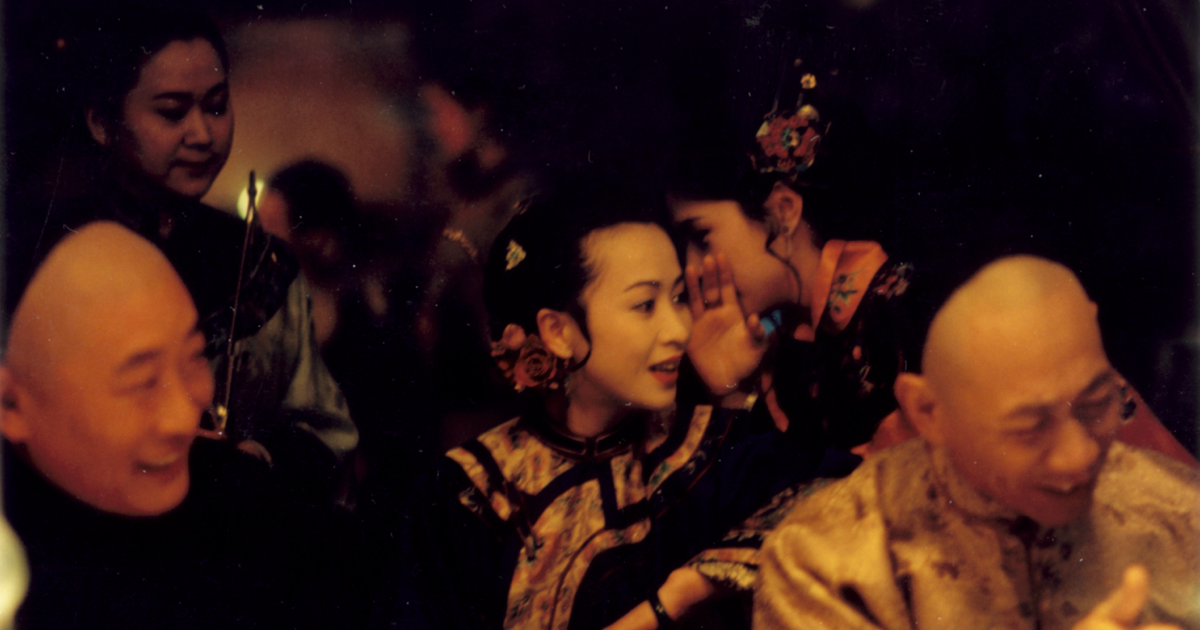 【凝視侯孝賢|導演專題影展】線上影展 - Giloo紀實影音|電影線上看
拍電影這麼久,整個過程只有一個念頭,心甘情願,拍電影是我的工作、我的夢想,也是我一輩子永遠做不完的。—— 侯孝賢
如果這部片朱天文也去KTV唱歌應該會不得了,突破滿分。 之前有看侯孝賢在北影的訪談,其實大多是很多往事和他的價值觀都有提過。但是導演和攝影機跟隨侯孝賢的腳步踏入那些他以前的故居鄰里,捕捉到一路上碰到的那些故人,包含平溪火車的奶奶。談及那些在或不在的人和事。那個非常有力量。從談自己的過去隔著距離的層次,到自己談及創作時如何保持距離觀察著現代,那個層次也很好。侯孝賢本身就很會說故事和敘事,所以這部紀錄片不用很麻煩的方式只要讓侯孝賢說就很夠了。陳國富談台灣新電影時期的氛圍,和創意在腦袋裡巔峰的時刻,陳國富是很有感觸和情緒渲染的,侯孝賢談及自己所有往事包含台灣電影都是滿平靜內斂的道來所有事。
1:25:53 侯導很愛唱歌,影片後段拍他與同事唱KTV,對比前段他說道自己當兵前的生活是一團亂,兄姊都視他為不可救藥,但他將當兵入伍視為一個斬斷過去的契機,後來他想當演員,還去參加歌唱比賽;可以佐證這些說法的,就是楊導拍的《青梅竹馬》,這片是侯導出資給楊導拍,自己還當男主角,片子裡還有他和唐諾唱卡啦OK的鏡頭──這無異也是台灣新電影「最好的時光」之一。
26:28 侯導自言父親自廣東梅縣來台灣只是應工作及生計之邀,心態上還是存著隨時有可能回去的準備,所以家裡的家具都是買最便宜簡單的竹製品;對比朱天文受訪時說道她的銅鑼娘家,很多東西都是用了四、五十年還在用,「有一種長期、穩定的感覺」,這個差異可能是侯導長期與朱天文合作編劇的原因。
37:15 看完《侯孝賢畫像》你會了解在所有侯導電影中《童年往事》為何是最重要且必看的一部。吳念真說《風櫃來的人》是侯導跟他過去的電影告別,那個差距「好像從一樓跳到八樓」,但他隨後便立刻說《童年往事》是至今最好的台灣電影。阿薩亞斯讓侯導自己說出原因:他回想自己少年時偷採芒果時的回憶,不是採了一堆帶回家吃,而是在樹上就先吃起來了,那個在芒果樹上一邊吃一邊觀望四周的回憶,讓侯導產生一種很寂寞的感覺,同時他好像也找到一個觀察人生的角度。
1982年8月28日,《光陰的故事》上映,為台灣新電影運動揭開了序幕。2022年夏天,害喜影音出版《未來的光陰:給台灣新電影四十年的備忘錄》,以20個關鍵字重訪台灣新電影。秋天,國家電影及視聽文化中心將推出「再新電影出發的時候:台灣新電影四十年回顧」專題影展,尋訪歷史角落中許多已被世人遺忘的逸作。夏秋之間,影視聽中心攜手害喜影音,邀請觀眾透過16部我們熟知的台灣新電影與關於台灣新電影的電影,為四十年後行將到來的未來,預作準備。
帶領台灣新電影打入國際影壇的侯孝賢,以冷靜深邃的長鏡頭,開創獨樹一格的影像美學。他曾說過,「所謂黑色,是從真實和荒謬而來。」反對矯揉造作的他,總能以最貼近日常的眼光,捕捉讓你我共感的片刻。無論是北漂謀生的青梅竹馬、碌碌無為的義氣流氓,還是身懷絕技的刺客,都在侯孝賢的電影中留下最生動的模樣。跟隨Giloo定焦此刻,凝視侯孝賢眼中的島嶼寫實,以及他對這塊土地的無盡深情。
朱家姊妹的長女朱天文,不僅是台灣當代重要的小說家,更是台灣名導侯孝賢的御用編劇。朱天文曾撰寫侯孝賢的電影劇本15部,並三度獲得金馬獎最佳改編劇本及最佳原著劇本。Giloo紀實影音精選五部由朱天文編劇的侯孝賢電影,帶大家走進他們打造的最好的時光。
「透過共時性,主觀與客觀世界能連結起來,使心靈與物質世界產生共鳴。」 想像事物的輪廓,鏡頭於是有了語言。 拋擲聲光、擊響字彙、拓印記憶的幕景。五部片,五位創作人靈魂共時的鳴動,讓我們從觀者的席位起身,乘藝術之心共渡,到達美與靈光的彼岸。
導演透過故事的力量形塑電影,電影亦為他們的創作靈魂留下不可抹滅的痕跡。跟隨Giloo造訪鏡頭裡外的大師名導,看侯孝賢在放下導演筒時的平凡可愛,大衛林區娓娓道來私密歲月,安妮華達以赤子之心留下最美的吿別⋯⋯探尋他們的真實樣貌以及電影心路,還有對藝術的執著、熱情,和一些瘋狂。
電影因人而生,影史因他們發生變化-Giloo 精選七部電影大師紀錄片,一起感受電影變化的軌跡。