2010
Cannes Film Festival
最佳編劇獎、基督教評審團獎|金棕櫚獎提名

Directed by 李滄東
最佳編劇獎、基督教評審團獎|金棕櫚獎提名
最佳女演員

漂亮衣服,但背景卻是領著政府救濟金與照護工作維生,連自己好像是在一種遮掩下過活。 想生命的本質殘酷,美的後面是層層疊疊的潰敗,所有人的表面與內裡都是不同套說法,連帶自己也逐漸消亡。美子想尋求全然的善與美,卻是越找越迷茫,發現自己其實也成為共犯的一員,甚至主動地褻瀆了自己。 山茶花,其實是人造花。 看到後面覺得好痛,平淡的日常鏡頭敘事下,沒有任何暴力元素,可是每個人在做的事都無比殘忍,傷害自己,傷害他人。
為什麼不罵小孩?為什麼不和孩子的母親討論?為什麼要用這麼沒有保障的方式解決問題?雖然知道這些都是人在那種壓力情境下很正常的反應,但看了卻仍然無法同情主角,只覺得煩躁。又是一個只有女人受傷的世界。 這種切身的鬱悶或許正代表一部好的社會寫實片。但我只感到掛在「生命之詩」的名下,卻沒有一絲美的蹤跡,只有醜惡,醜惡,醜惡。
年近30終於開始理解K-POP,看著newjeans的MV心想:「難道這就是生命力嗎?」 (週末有空再把電影補完)
生命之詩 收看李滄東的第三部作品,面對不斷讓人失望的現實,不義的世界繼續運行,緩慢的敘事附註著壓抑和平靜,無解的日常荒唐譜出的詩,讓人看完五味雜成沉默不語
【名人策展】 台灣新生代演員吳子霏 吳子霏線上策展:萬花筒之心 ▍前往片單頁面 ☞ https://bit.ly/3ShNAmy ❝ 這個世界沒有絕對值,無論是對於生命或是環境,期許我們都能擁有一雙美麗的眼睛,去看見不同的真實,去思考不同的價值。如萬花筒般的心,擁有許多面向。 ❞ —— 吳子霏
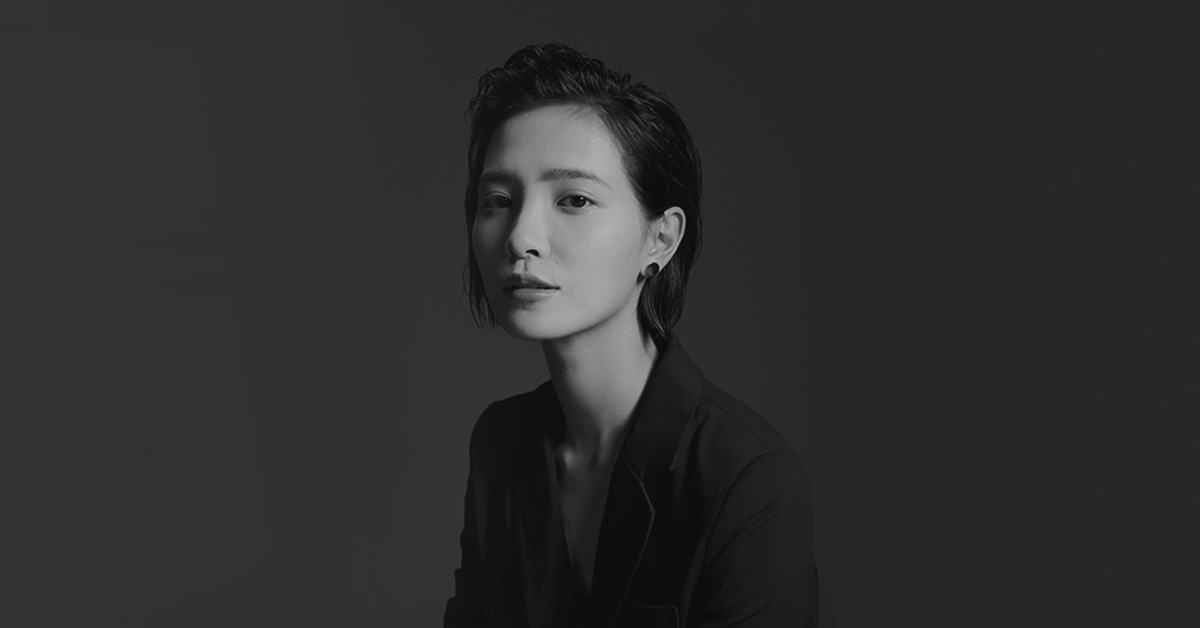 【萬花筒之心:演員 吳子霏 線上影展】線上影展 - Giloo紀實影音|電影線上看
2:12:17 在孫子被警察帶走之後,美子完成了一首詩。最後的畫面搭著美子外婆的口白,漸漸變成那遇害的女國中生,兩人的命運從平行線宛如變成在同一個焦點上。這首詩的寫成,猶如一段生命故事的結局。 也許正是那些充滿皺褶的歷練,才讓我們的人生走得更加豐富,卻也令人感嘆,活著啊,真是不容易。
1:17:23 選擇回應雇主「會長」的請求,是不是一種強迫自己去嘗試某些事物,藉此獲得感受,還是因為知道自己的病症將越來越嚴重,轉而同情起會長的處境呢?我不知道確切答案是什麼,但我知道從這一刻開始的美子,內心似乎開始起了變化。
1:16:55 我所看到的美子外婆,總在自欺欺人,無論是對於自己患有阿茲海默症,孫子所犯下的錯,或是與自己女兒的相處,她總是逃避面對。尤其是孫子所犯下的錯,她不知所措,也沒有辦法將這樣的事情告訴女兒,是害怕自己對於孫子照顧的失職而讓女兒生氣,抑或者是母親與女兒之間的問題,都讓我想得很糾結。 這樣的情節,也讓我想起了某些時刻的媽媽,也是那樣逃避的心態,直至被逼迫著面對,才願意去說出心裡真正的感受。
1:05:06 美子外婆在朗誦詩歌會上,詢問著旁人:「怎麼樣才能寫出詩呢?」旁人道:「我一開始寫詩的時候,也是一直找尋著靈感,但是那樣反而寫不出來,我覺得重要的是感覺,只要有了感受就能寫得出來」 這番話宛如是在對美子外婆喊話,雖然她一心想寫詩,但卻寫不出來,也許是因為美子一直選擇逃避面對許多事情,也逃避了感受,以至於她無法寫出那些詩。 看到這裡,對於作為演員的我來說,也非常能夠理解,表演的重點不該執著於「如何演戲」而是去「感受」,必須要有「感覺」,讓感覺帶著角色一起前進與成長,那樣的表演,更能打動人心。
Acclaimed Korean filmmaker Lee Chang-dong is often described as a “poet of cinema.” A novelist before becoming a director, he is known for his restrained yet penetrating gaze on lives pushed to the margins by harsh social realities. Oasis portrays a misunderstood relationship between an ex-convict and a woman with severe cerebral palsy, finding a fragile refuge in love amid an unforgiving world. Poetry follows an elderly woman taking a poetry class as her life begins to unravel, confronting the uneasy coexistence of beauty and cruelty. The documentary Lee Chang-dong: The Art of Irony looks back on his creative journey and body of work, exploring how literature, social realities, and human struggle have shaped his cinema. Revisit Lee Chang-dong’s classics on Giloo, and discover how his uncompromising honesty reveals the rawest textures of human life.
Answer the call of instinct—leave behind the trivialities of daily life and embark on a pilgrimage of encounters with nature and literary exploration. On these journeys of adventure, where limits are tested and boundaries redefined, the soul is transformed. These inseparable life experiences continue to inspire others to move toward distant light. As we listen to their stories, may we too be moved to shoulder our backpacks—and set out to meet a new version of ourselves.
In times of turmoil, I find myself drawn to documentaries. There’s something profoundly moving in watching people carve out a sense of “home” amid chaos—guarding a fragment of peace and expanding the inner landscape of the heart. I’ve always loved the phrase “a heart set on distant meaning.” We are born into constraints and often stumble through thorns, but perhaps it’s precisely these entanglements that awaken our yearning for freedom and for becoming. With that in mind, I’ve selected three documentaries. Some feature lives caught in inescapable webs; others portray souls that remain free, even when the body cannot move.
There are no absolutes in this world—not when it comes to life, nor to the environment. May we all be granted a beautiful pair of eyes—to see different truths, to reflect on different values. Like a kaleidoscope, the heart holds many shifting facets. And in that ever-changing view, we learn to see more fully.