1995
Cannes Film Festival
金棕櫚獎提名

Directed by 侯孝賢
金棕櫚獎提名
最佳導演、最佳改編劇本、最佳錄音|最佳影片、最佳女主角、最佳剪輯提名

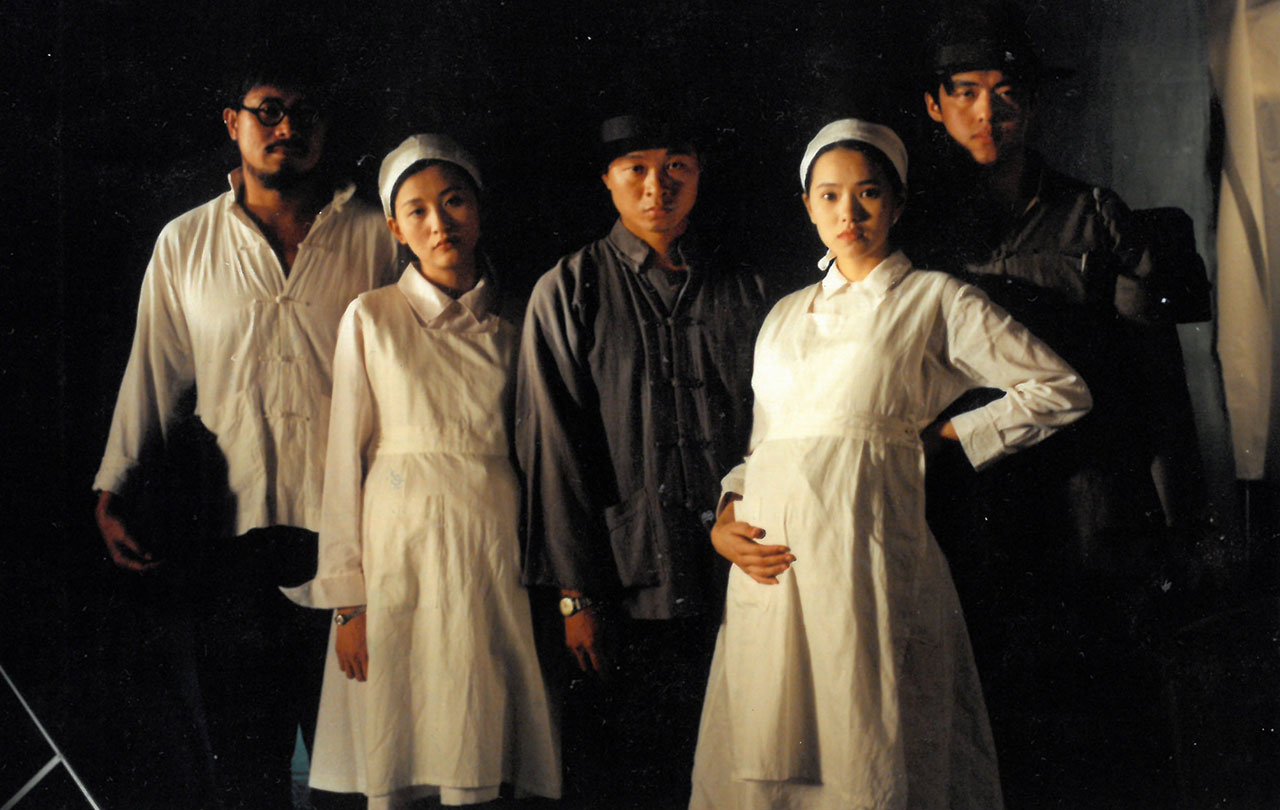
電影中有兩條明顯的敘事軸線,一條是當代梁靜的故事,一條是過去蔣碧玉與鍾浩東的故事。兩條軸線截然不同,比如在敘事上當代較為破碎,過去則是線性發展;當代的影像是彩色,過去則是黑白。這兩條線在劇中仍有較為明顯的交會,比如梁靜飾演的蔣碧玉,在為鍾浩東的死去送別的那場戲,梁靜或許是因自身遭遇而痛哭,此時畫面由黑白轉為彩色,也是在指涉兩者就算時代不同,卻也有著同樣的悲傷。
《好男好女》涉及敏感的政治議題,而侯孝賢導演在拍攝《好男好女》之前的作品《悲情城市》,更是解嚴後第一部探討二二八事件的電影。《悲情城市》對歷史的詮釋或政治立場都引起不少爭論,但在當時成功的票房無疑也成功喚起社會對於過往白色恐怖時期的關注。
電影中提到一個地方建設:「湖內焚化爐」,並提到建設過程中有民眾抗議,而台北的「內湖」也有著類似的事件。內湖過去有一個知名的「垃圾山」,位於基隆河旁的窪地,但是因為台北市政府沒有在期限內找到新的垃圾掩埋場,於是垃圾越積越高,成了一座垃圾山。根據當時報導指出,掩埋場的新地點也是選在內湖,因此內湖民眾就曾抗議內湖「要捷運,不要垃圾。」
電影中的歌曲《我們為什麼不歌唱》,其實也是一部紀錄片的片名。這部紀錄片也是侯孝賢電影社出品,主要是拍攝白色恐怖時期,在極權政府底下行動的台省籍、台省原住民,與外省籍中共地下黨及同路人的過往。 我們為什麼不歌唱 | TaiwanDocs台灣紀錄片資料庫 https://docs.tfai.org.tw/zh-hant/film/3688
 我們為什麼不歌唱
《好男好女》是改編藍博洲的小說《幌馬車之歌》,內容是白色恐怖受難者鍾浩東與他的妻子蔣碧玉的故事。2019 年,改編自同名遊戲的電影《返校》上映,其故事也同樣是以鍾浩東的經歷為改編基礎。
【影評分享】三明治人侯孝賢:重看〈悲情城市〉與〈好男好女〉by 陳平浩 〈好男好女〉對於歷史書寫的後設反思和鮮明的形式實驗,儘管符合了1990s台灣對於解構主義和後設歷史熱烈的引介和辯論,但今日觀之,其最可貴但也似乎被忽略的價值,也許在於把一段左派運動史帶入了台灣意識型態二元對峙(統 / 獨、藍 / 綠、外省 / 本省) 的歷史討論中,使我們重新憶起了先是被國民黨獨裁統治所腰斬夭折、後來在「黨外」轉成民進黨的政略辯論過程中變成末流路線,以至於今日顯得如此微弱和艱辛的台灣左翼傳統。 全文閱讀: https://funscreen.tfai.org.tw/article/5871
 三明治人侯孝賢:重看〈悲情城市〉與〈好男好女〉 | 放映週報
拍電影那麼久,整個過程只有一個念頭,心甘情願。—— 侯孝賢
【全台獨家上架】 好男好女 侯孝賢「台灣三部曲」最終章,由伊能靜、高捷和林強主演,講述白色恐怖時期鍾浩東與其妻蔣碧玉的故事。 ▍好男好女 ▍全片線上看 ☞ https://bit.ly/3OesvWU 故事從三個時空展開。一段戲中戲,講述四十年代的台灣熱血青年蔣碧玉與鍾浩東,歷經艱險投奔抗日隊伍,將他們純真的愛獻給祖國;九十年代的現實中,女演員梁靜遺失了日記本,裡面記載她在名利場上剪不斷理還亂的人際關係;回到現代,染有毒癮的梁靜有過一段轟轟烈烈的愛情,但這段記憶卻苦苦糾纏著她⋯⋯
 好男好女 - 正版電影線上看|Giloo紀實影音
2:12 當悲哀的昨日將要死去,歡笑的明天已向我們走來,而人們說,你們不應該哭泣,我們為什麼不歌唱。——《好男好女》
Period of Martial Law began in 1949 and lingered in Taiwan for nearly 40 years. While maintaining the overall situation, legal, political, and military forces have also left indelible scars in society. Martial law was lifted in 1987, but the scars will not recover automatically. We should always look back and remember how those painful memories led us to freedom. Taking this as a theme, we selected four Taiwanese films to describe the suffering and impact of Martial Law. Also, the classic Blind Chance by Polish director Krzysztof Kieślowski was chosen to present how human beings are at a loss for fate under the cross-national totalitarian rule.
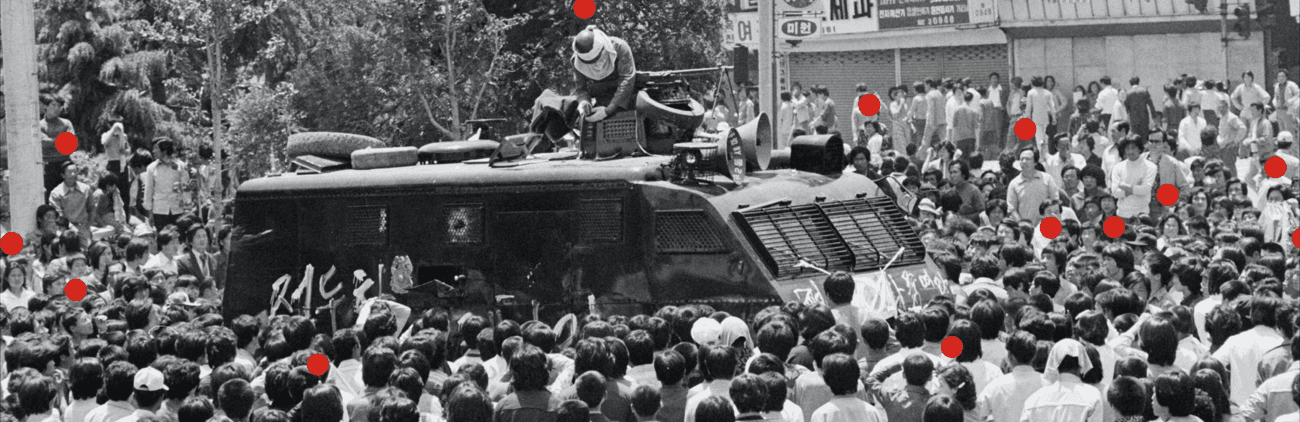
In the process of democratic transition or operation, it is crucial to examine how past regimes or collective atmospheres have violated human rights. Tracing a nation’s dark history is not about seeking revenge, but about rewriting collective memory to reflect on systemic failures and prevent history from repeating itself. It is also a way to restore the innocence of victims and begin a dialogue of reconciliation through the wounds torn open by past atrocities—so that we may learn to coexist. Giloo Documentaries presents a curated selection of films on transitional justice, hoping that those of us living in today’s democracy will better cherish the hard-earned freedom in Taiwan.