
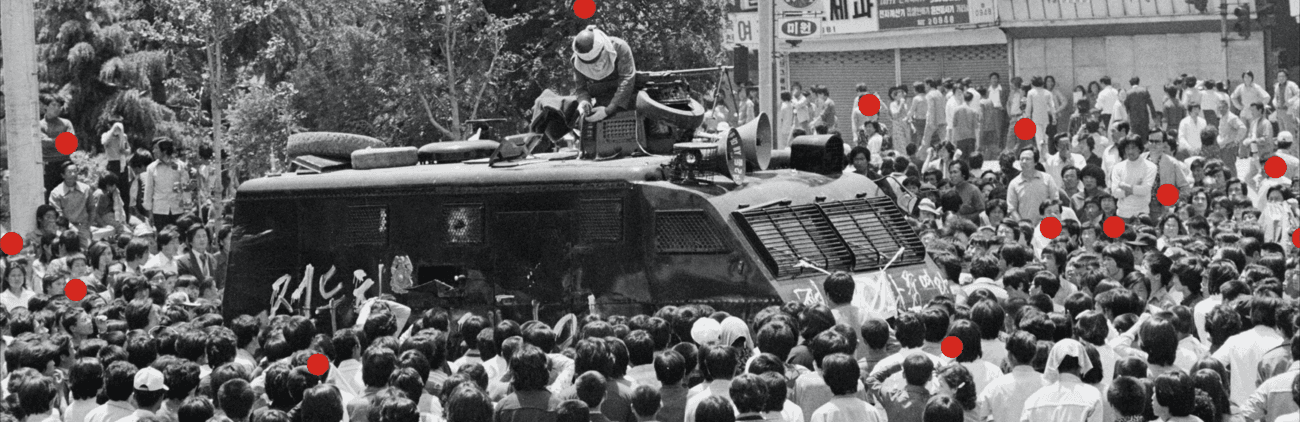
Memory and Transitional Justice
In the process of democratic transition or operation, it is crucial to examine how past regimes or collective atmospheres have violated human rights. Tracing a nation’s dark history is not about seeking revenge, but about rewriting collective memory to reflect on systemic failures and prevent history from repeating itself. It is also a way to restore the innocence of victims and begin a dialogue of reconciliation through the wounds torn open by past atrocities—so that we may learn to coexist. Giloo Documentaries presents a curated selection of films on transitional justice, hoping that those of us living in today’s democracy will better cherish the hard-earned freedom in Taiwan.
 AuthorGiloo紀實影音
源自於「紀錄」的發音,是台灣唯一以影展及議題為導向的影音平台,搜羅台灣與全世界最重要的電影,致力打造影迷與知識影像的文化社群。
9 films

Freemale
Good Men, Good Women
Detention
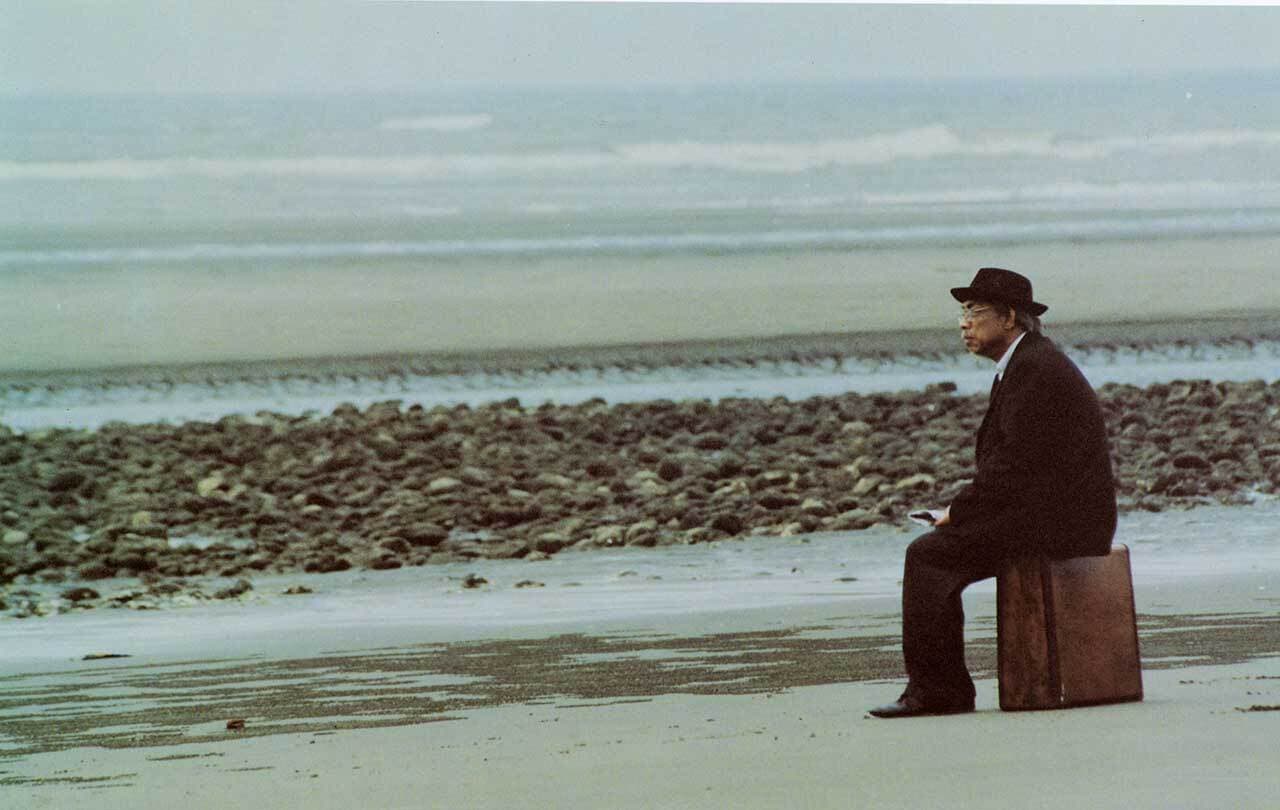
Super Citizen KO

Letter #69

Spring: The Story of Hsu Chin-Yu

The Kingmaker
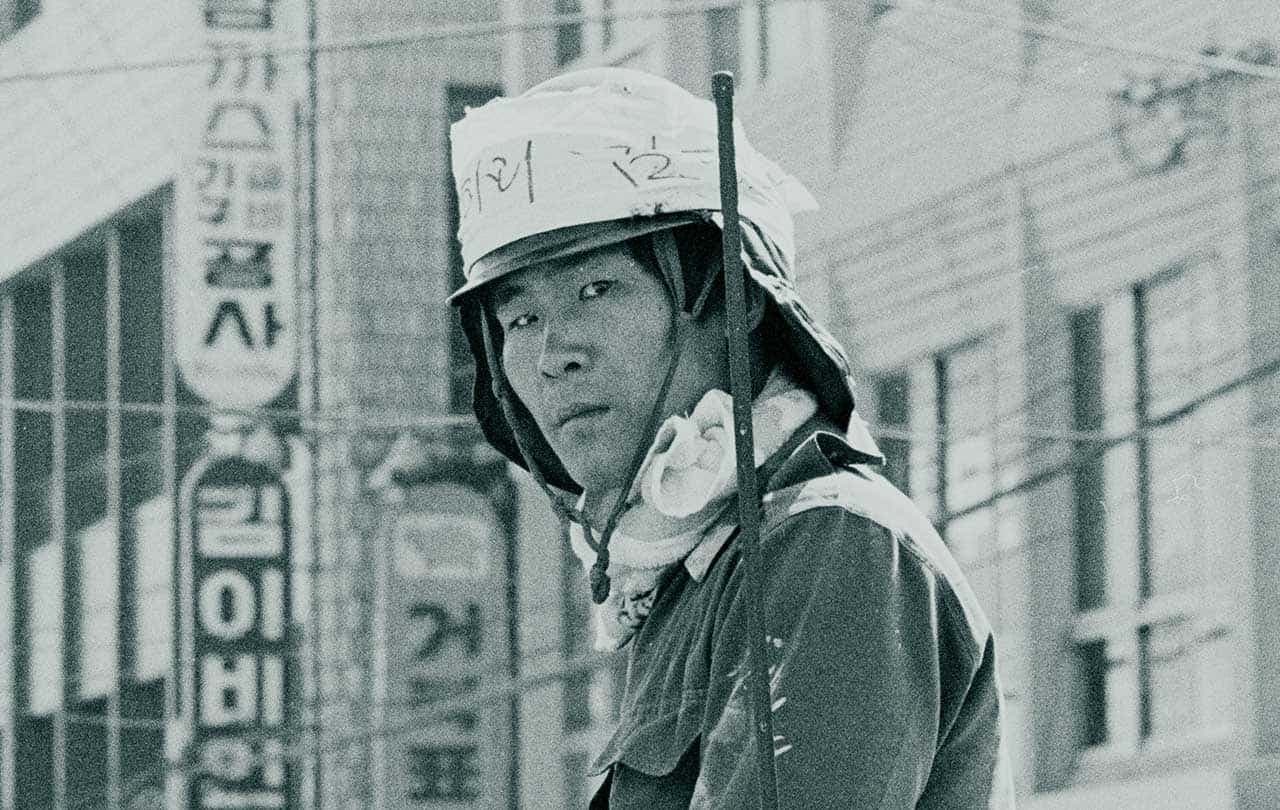
Kim-Gun
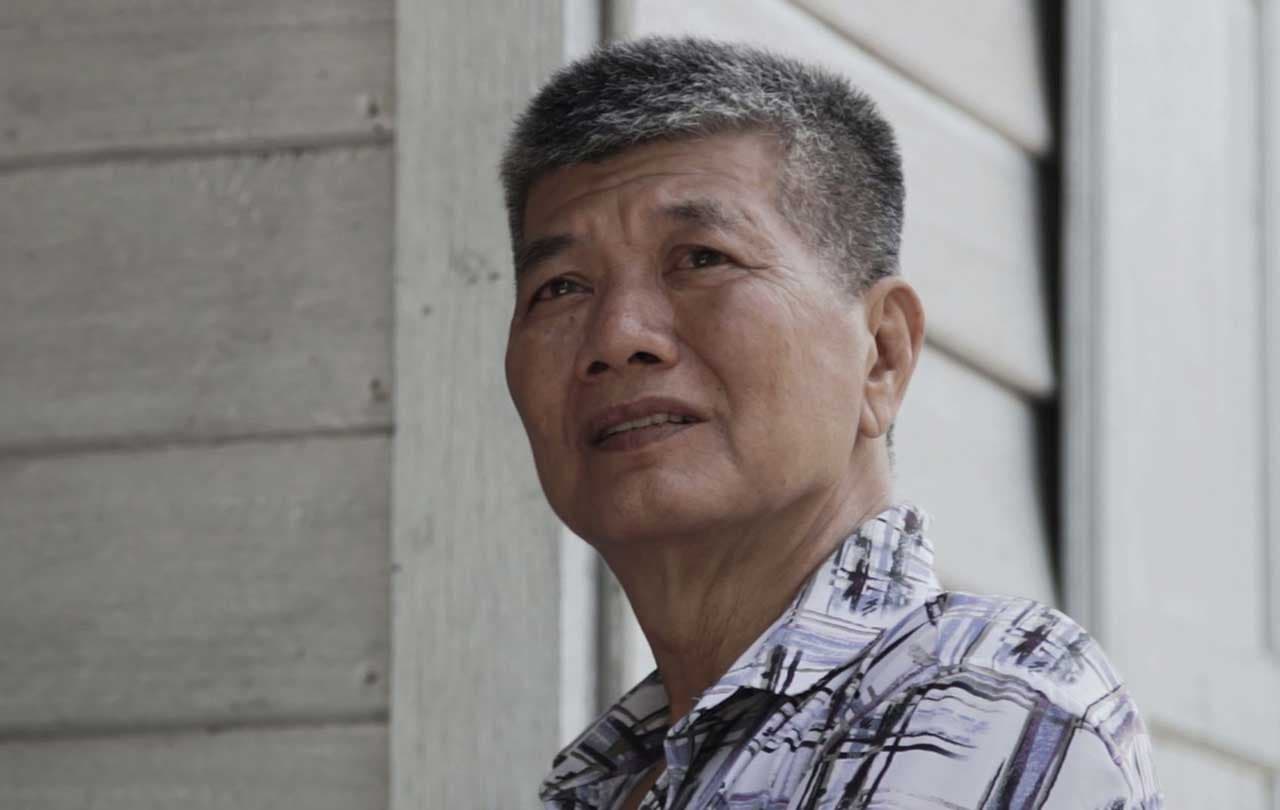
Absent without Leave
Popular
Kinda Loser-ish, But Kinda Nice
“Lu-se” (魯蛇, Taiwanese internet slang borrowed from the English word “loser”) seems to have become a dead word. You rarely hear anyone say it anymore, and I’m not sure why. I don’t think the term can be understood simply as the English “loser.” In the way it’s used in Taiwan, it seems to carry a touch of self-deprecating humor, and that’s a quality I really love. The films above are the ones that, to me, have that feeling.