2018
(Pusan) Busan International Film Festival
超廣角單元

Directed by 姜相宇

自由民主的可貴 值得大家好好守護
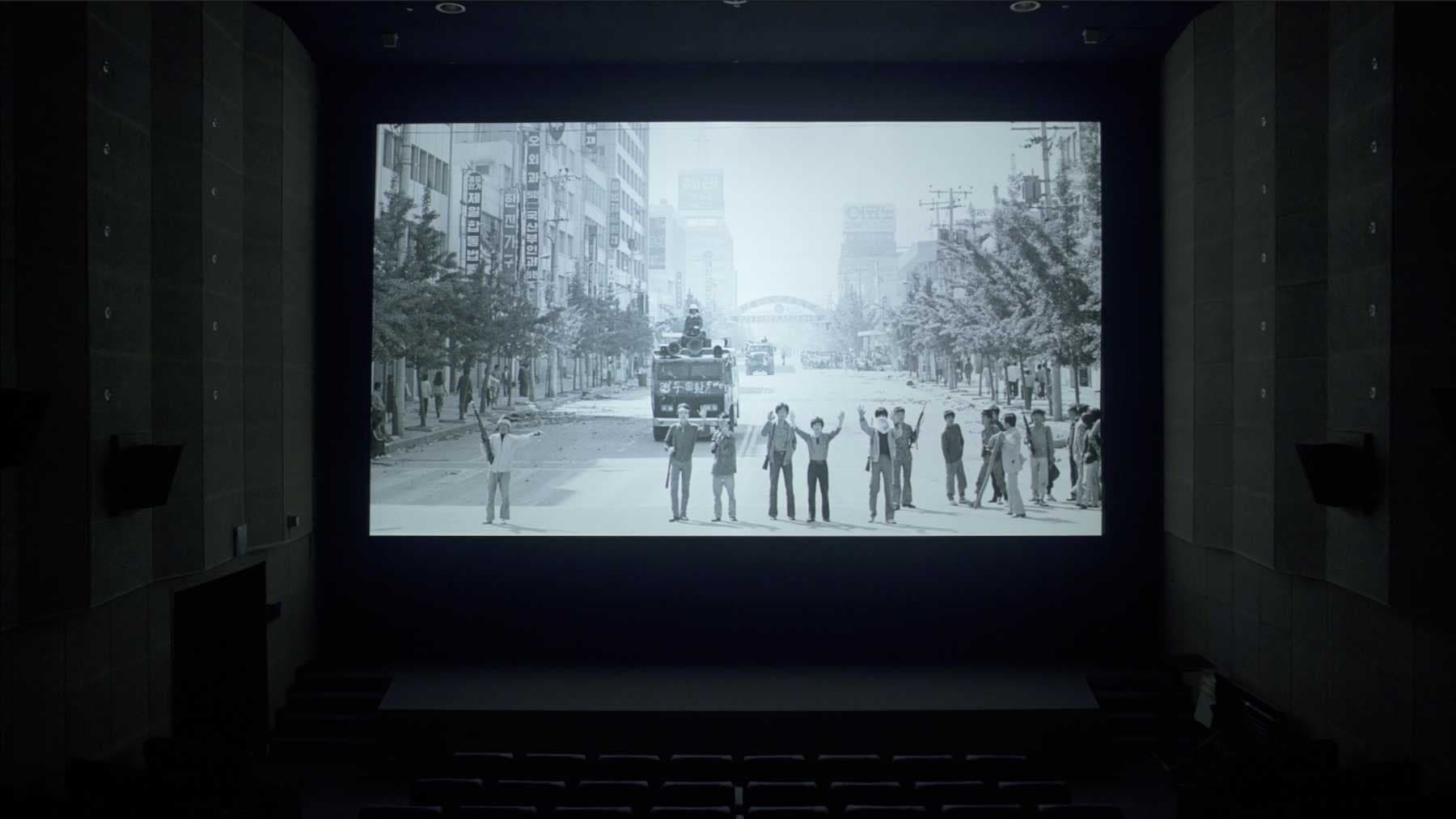
片中堆疊了許許多多的照片,照片是事件的重要見證紀錄,相較於熱血又危險的市民行動,紀實攝影一直扮演著冷靜旁觀的一道視線。噴水池邊的人群隨著時間推移而人滿為患、軍人毆打市民至血濺當場、軍人逮捕市民,有的從高處遠遠的拍攝、有的透過全副武裝的軍人之間的間隙拍攝。不難想像當時的市民兵們,抑或是現代的每一個人,對於攝影鏡頭難免有股敵意,攝影總是一個讓人覺得有點狡猾的存在,有時你願意跟在我們旁邊,彷彿跟我們站在一起,但你又隨時好像能夠全身而退,退到遠處的高樓上紀錄。然而,回頭看這些記錄歷史的照片時,攝影記者的敬業讓人敬佩,跟在街頭發飯糰的大姊所做的其實一樣,大家都在用自己的方式付出。 對紀實攝影有興趣的話,另外推薦 William Eugene Smith的攝影作品給大家: https://moom.cat/tw/item/minamata https://moom.cat/tw/item/w-eugene-smith-a-life-in-photography
 W. Eugene Smith: A Life in Photography(日文版) - William Eugene Smith | moom bookshop - 攝影書與雜誌
藉由與不同的光州事件受難者牽上線,可以聽見受難者們對於轉型正義的不同看法。許多受難者至今仍活在恐懼之中,在生活習慣中隱藏起自己對過往的恐懼,甚至已成為他們的日常,重啟調查只是讓他們回憶不願回想的苦痛罷了;同時,也有受難者同樣身陷苦痛之中,被事件之後的罪惡感纏身數十年,相信要直視怨恨,才能找到真相,而找到真相,才有機會和解;此外,亦有受難者提到,並不後悔當時所為,只是出獄後找工作非常困難,等等非常現實的困境。在在都讓人想到也許身在現代的我們,對於社會共同的歷史創傷,能做的還有很多。
片中抗爭者在抗爭當時,並不希望自己的身分曝光,這點也能在香港近幾年來的社會運動中看到。而香港政府為了阻止社會運動,曾經根據《緊急情況規例條例》頒布《禁止蒙面規例》,這件事引起許多正反討論,包括蒙面可能因為「去個人化」激化衝突,或者在暴政底下人民需要自保等等。
韓國知名音樂團體「防彈少年團」在其作品《Ma City》中也曾提到光州事件。歌詞中的「518」、「062」,其中 062 光州的區碼,518 則是光州事件的代稱「五一八民主運動」。
若是看完紀錄片想要接觸更多不同類型的轉型正義作品,韓國對此有很豐富的成果,比如早期的《華麗的假期》、《總統的理髮師》、《薄荷糖》,以及較為近期的《正義辯護人》、《花樣奶奶》、《1987:黎明到來的那一天》等都是很精彩的作品。
M023_光州事件之謎:誰是金君? 2022.08.08 【簡介】 在南韓社會中不斷有聲音說,當時光州事件是由北韓特工潛入並策畫的,電影團隊用自己的力量,一個一個找到當時照片中的人物。並藉由當事人與當時在事件發生地附近的人的訴說,拼出在光州事件中,那些要求民主化的學生遭遇的種種不公,以及他們面臨多麼恐怖的對待,以致於幾十年過去,他們仍未走出那些陰影。 . 【感想】 這是在Giloo紀實影音平台 @giloo.ist 上觀賞的電影,謝謝讓我看到很棒的電影。 民主從不是唾手可得的,民主是需要人們用鮮血與汗水,加上運氣,拚盡全力才能換得的。而民主也很容易就失去,假新聞的操弄、政客們的擴權等,都可能讓民主國家瞬間回到獨裁專制國家。因此,在政治學上,民主化的過程中,「民主鞏固」的過程才如此重要。透過持續、穩定且和平的政權轉移,民主才算是在該國扎根。 而在民主化的過程中,抗爭幾乎可算是無法避免的過程。在以前的台灣和南韓,以及近期的香港與緬甸,人們為了民主付出了無數的鮮血與生命。我們現在自由的生活,都是那些勇敢的前輩們爭取來的,一想到這點,讓我充滿感激與尊敬。不用說光是從香港與緬甸的新聞畫面,或是在我之前看過的電影《 #時代革命 》、《 #我只是個計程車司機 》和《 #薄荷糖 》中,我都能感受到站在抗爭的前線,那要面對的心理壓力有多大,以及被抓捕後,警察的審問會有多痛苦。革命前輩他們用一輩子的傷痛,為我們留下了光明的未來。 況且即使國家民主轉型成功,一切也尚未結束。在歷史上仍會有當初的反民主派不斷試圖以扭曲的方式,來重新論述那段歷史。所以轉型正義才如此重要,因為歷史從來都是掌握在當權者手裡的。如何尋找挖掘更多證據,去更貼近史實,以及如何讓更多人了解那段被扭曲的歷史,都在轉型正義中是很重要的課題。只有正是過去的錯誤與傷痛,我們才能更理解自己是誰、從何而來,以及才有更好的底氣來面對未來的機會與挑戰,不是嗎? . #Burnink_電影 #Burnink_Movie @burnink_98 #光州事件之謎誰是金君 #KimGun #김군 #姜相宇 #SangWooKang #강상우 #南韓 #SouthKorea #光州事件 #518광주민주화운동 #GwangjuUprising #民主 #Democracy #Giloo紀實影音 @giloo.ist #紀錄片
以前在段考考卷看過《我只是個計程車司機》的摘要,光是看改編電影簡述的情節,就覺得十分觸動。但這個電影也只是一個事件,看了紀錄片去了解整件事的背景與立場後,那些混亂的、極端的、獨裁的政治操作,都讓人無法苟同。這是一道歷史傷痕,人人皆是金君。
由此紀錄片才明白,對光州事件的認識只經由電影《我只是個計程車司機》太淺了。找出「金君」身份的過程中,抽絲剝繭瞭解光州事件的歷史背景,原來有保守派主張是「北韓陰謀論」,擁護下令鎮壓的全斗煥。對此我無法認同,無論事實為何,暴力都不應該被允許、被支持作為改變現況的手段。
2018 年 4 月 3 日韓國總統文在寅於濟州四三事件 70 週年悼念儀式上的致詞,收進了日籍韓裔導演梁英姬於 2021 年完成的作品《雞湯與意識形態》(Soup and Ideology)中,成為這部紀錄片的註腳,而該片也是梁英姬首次將鏡頭從北韓轉向南韓,從父兄的經歷拉往母系的敘事。
.jpg&w=3840&q=75)
COVID-19疫情爆發後,《人類簡史》三部曲作者、以色列歷史學者哈拉瑞撰文提出他的擔憂。此次疫情殘酷地曝露出早已存在人類社會的各種問題,一如《微物之神》作者阿蘭達蒂.洛伊(Arundhati Roy)所形容的,疫情照亮了本來被遮蔽之物。當商店、餐廳、工廠和建築工地關閉,富人和中產階級將自己隔離在他們的安居之所時,城鎮開始擠壓出其中的勞動和底層階級,移工、難民首當其衝。此外,疫情亦明顯曝露出,全球最大的公共衛生治理機構世界衛生組織(WHO),在面對COVID-19此類全球大流行的疫情時,無法協助會員國及早建立應變機制的失能狀態⋯⋯
事實上,如何定調光州事件,南韓國內一直存在著「北韓陰謀論」的主張,部分保守派認為光州事件是北韓一手策畫的傑作,藉機擾亂國內秩序、打擊南韓政府,再趁勢南下一統朝鮮半島。軍人獨裁時期的南韓,為了消除任何追求民主自由的聲音,最方便的手段便是將之標籤為「赤色份子」⋯⋯
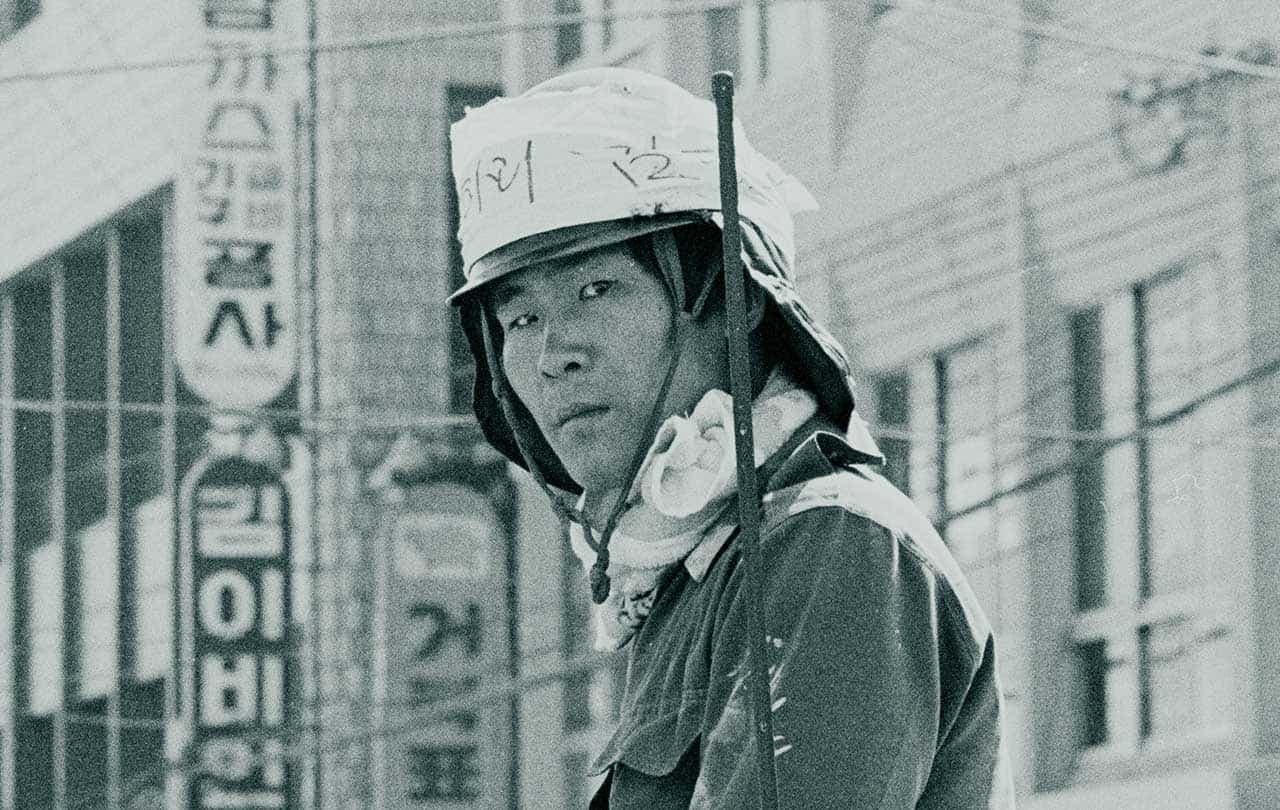
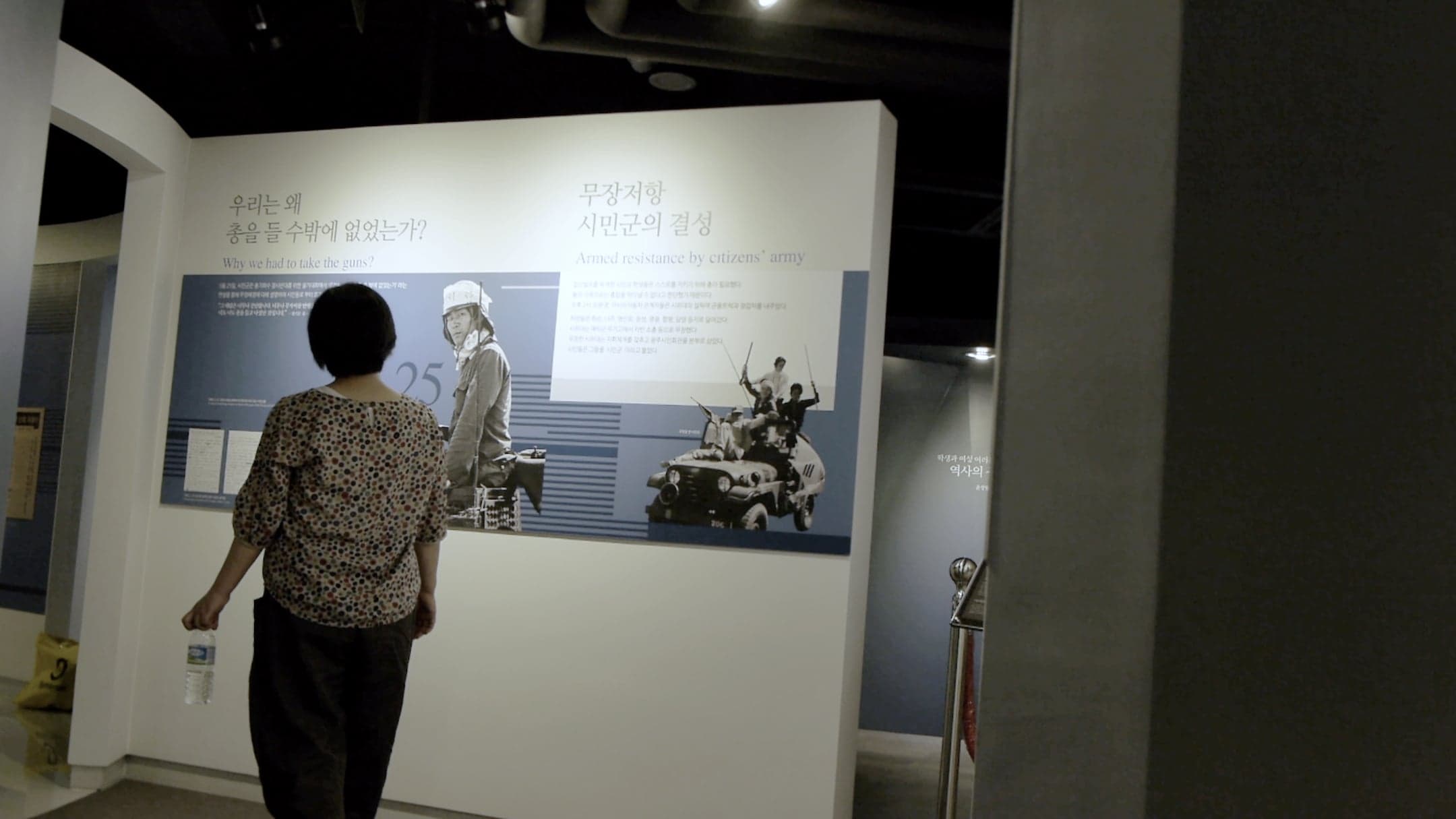
上述提到的大家所熟知的作品,多少免不了為了視聽效果而進行改編,但近期的紀錄片《光州事件之謎:誰是金君?》,可說更真實地處理了光州事件。它試圖從保存下來的影像文件,和許多當事人的記憶,逐一爬梳,填補事件的全貌。這部紀錄片從一張照片開始:當年中央日報記者於光州現場,拍攝到一片狼藉的抗議街頭裡,有位⋯⋯
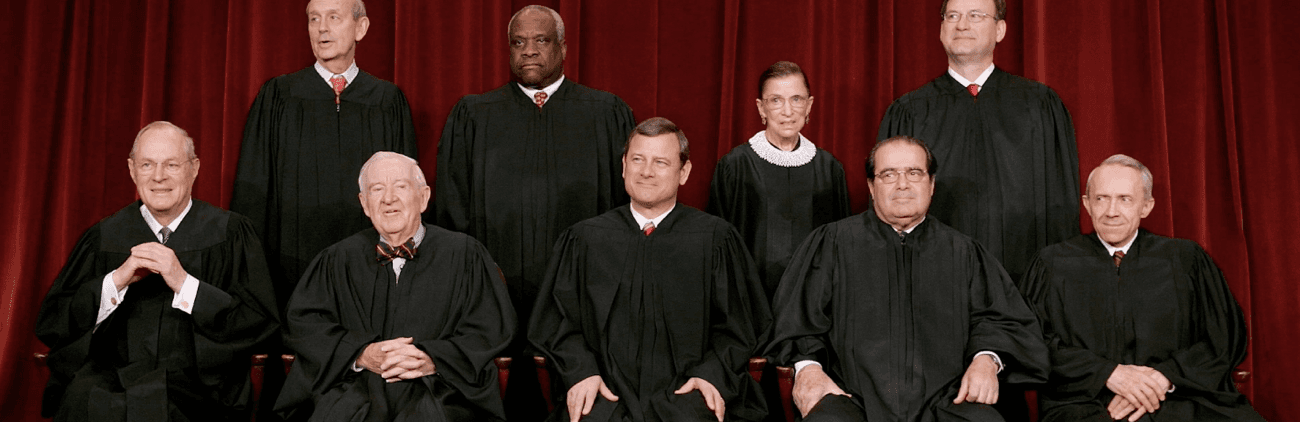
Is justice truly equal for all before the law? Like a queen’s chastity once deemed unquestionable, what happens when rigid systems confront the complexity of human nature and circumstance? Who ultimately defines fairness and justice? A wrongful conviction that dragged on for two decades, a protest movement that pitted flesh and blood against authoritarian rule, a death row inmate executed to the cheers of the public—what role did the “law” play in each of these cases? Should we rise up to question the banality of evil, or quietly submit to it? “Judiciary Class” is a name adapted from the popular Korean series Itaewon Class, drawing on the dual meaning of “classroom” and “course.” It symbolizes a shared space for audiences to learn and grow through the films and writings featured in this program—inviting thoughtful debate, diverse perspectives, and deeper exploration of legal and ethical ideas.
Since 2020, the world has become a little different. Every morning, I find myself immersed in a mountain of emails—feeling the pulse of the world, exchanging encouragement with filmmakers and distributors across continents. This has become part of my daily ritual. I’ve always believed: the small screen is not a temporary shelter for homeless films. In fact, within the modest window of online streaming, perhaps films can reveal their essence more flexibly, and even forge deeper connections with audiences. Just like in Nomad: In the Footsteps of Bruce Chatwin, where the childhood image of a beautiful thunder lizard skin hidden in a cupboard would later become a vital, recurring symbol in a writer’s life—stories can begin anywhere, with anything. This time, I’ve selected five stories: A traveling backpack, a mountain range, a photo of an armed youth, a utopian farm, and an open-plan apartment—each sparking imagination and opening new narrative journeys. May these films nourish your life with inspiration and wonder. And as for tomorrow, I will return—quietly—to my ordinary routine of sending and receiving letters once again.
Period of Martial Law began in 1949 and lingered in Taiwan for nearly 40 years. While maintaining the overall situation, legal, political, and military forces have also left indelible scars in society. Martial law was lifted in 1987, but the scars will not recover automatically. We should always look back and remember how those painful memories led us to freedom. Taking this as a theme, we selected four Taiwanese films to describe the suffering and impact of Martial Law. Also, the classic Blind Chance by Polish director Krzysztof Kieślowski was chosen to present how human beings are at a loss for fate under the cross-national totalitarian rule.
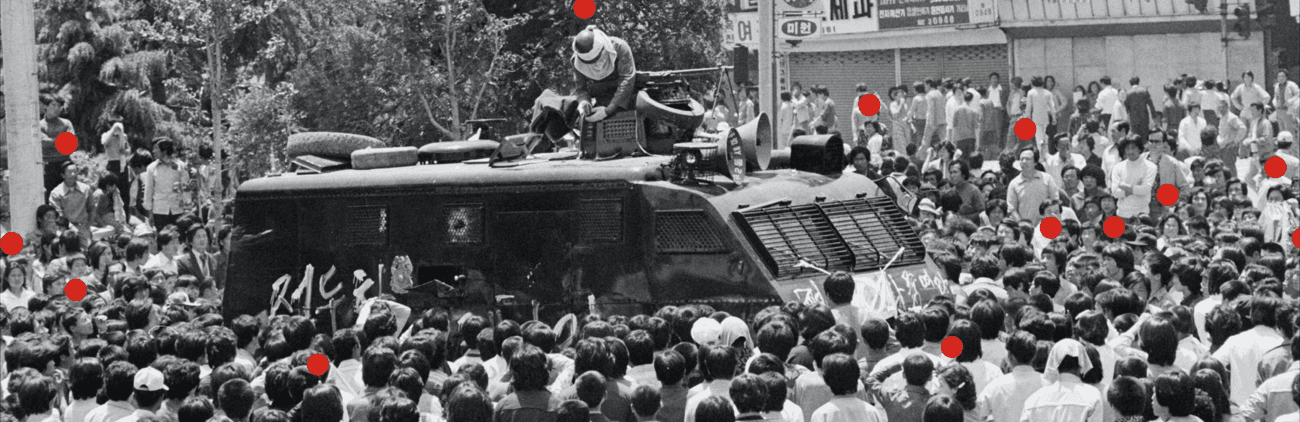
In the process of democratic transition or operation, it is crucial to examine how past regimes or collective atmospheres have violated human rights. Tracing a nation’s dark history is not about seeking revenge, but about rewriting collective memory to reflect on systemic failures and prevent history from repeating itself. It is also a way to restore the innocence of victims and begin a dialogue of reconciliation through the wounds torn open by past atrocities—so that we may learn to coexist. Giloo Documentaries presents a curated selection of films on transitional justice, hoping that those of us living in today’s democracy will better cherish the hard-earned freedom in Taiwan.
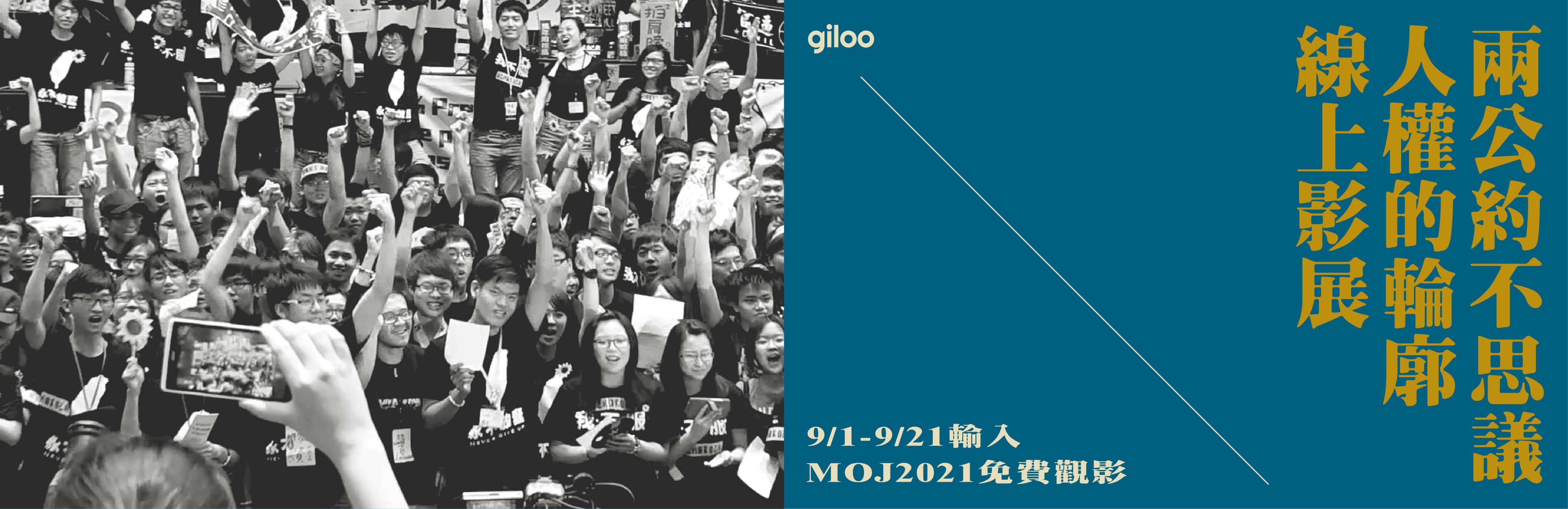
The "Two Covenants" refer to the International Covenant on Civil and Political Rights (ICCPR) and the International Covenant on Economic, Social and Cultural Rights (ICESCR), which have been in effect in Taiwan for over a decade. At their core, both covenants aim to protect human rights. But what exactly are human rights? And what rights do these two covenants cover? The answers are far too complex for a quick explanation—so why not start with a film? The right to life, children's rights, environmental rights, freedom of assembly, rights of the elderly… The scope of the Two Covenants is as diverse as this film program itself. By watching any of the featured films and filling out a short questionnaire afterward, you’ll gain a deeper understanding of the human rights principles within the covenants—and you’ll also have a chance to enter our prize draw! Let’s begin this journey together— and explore the many dimensions of what human rights truly look like.