2002
Golden Horse Awards
最佳紀錄片

最佳紀錄片
台灣獎首獎

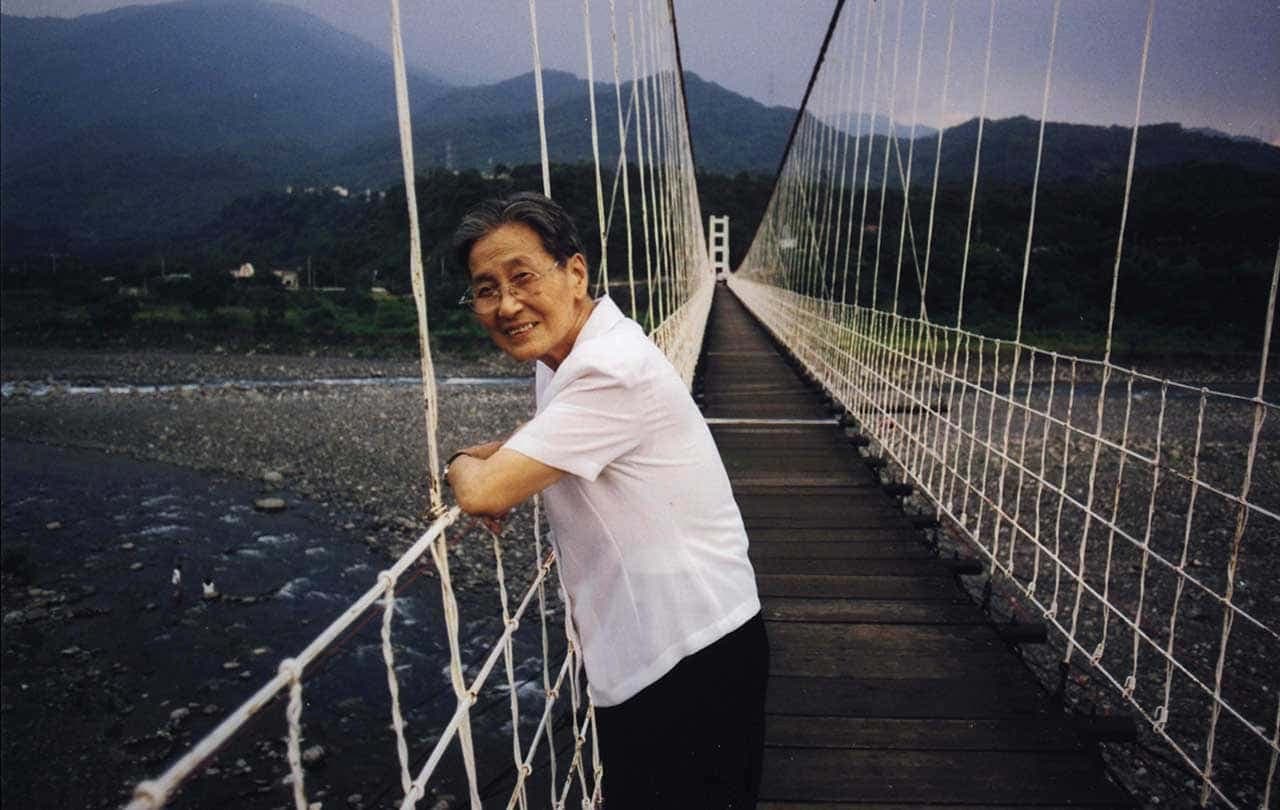
1:02:36 這一段是在馬場町紀念公園舉辦的白色恐怖秋季活動,由與會的受難人及其家屬,手持鮮花向土丘獻花,表達對犧牲志士的哀思。
48:53 批評陳水扁上台之後,政治、經濟、治安都不好。讓我聯想到,許金玉認為即使在政權交替後,社會上階級之間的對立、對勞動階級的剝削問題依舊存在。她認為要繼續為了不平等而去鬥爭,團結群眾的力量來爭取。影片顯示許金玉參加街520和平大遊行活動的畫面,雖不知道遊行的團體、隊伍、訴求為何,只見到畫面有要和平、要統一的聲音,旗幟上寫著停止對美軍購、振興台灣經濟、創造就業等標語
45:03 辜金良年輕時是愛國的反日份子,曾學習社會主義。一九四七年被控參加叛亂組織,兩次入獄,被判刑十七年。 受訪者陳明忠表示,二二八後台灣的年輕人左轉,對政府的認同從認同白色祖國,改變成紅色祖國。因為左派,是反對強權,跟弱小站在一起。大家開始對社會主義研究,主要1950年代白色恐怖就是因為二二八作一個轉類點向左轉
43:09 許金玉用辜金良的賠償金成立基金會,幫助工人農民。同學之一OOO說,基金會主要延續辜先生未完成的理想「照顧弱小」,用賺來的錢支援政治受難者互助會
41:16 1998年,立法院通過戒嚴時期不當判斷暨匪諜審判案件補償條例,對白色恐怖受難者進行國家賠償。許金玉幫先生辜金良聲請冤獄賠償。然律師解釋,軍法局對於當初辜先生是一個案子還是兩個案子,還不是很清楚,還要再查明當初到底是怎麼樣去執行,要等軍法局的回函,才能確定。許金玉也說,對賠償並沒有抱很大的希望,主要是希望政府給他們一個公道。尤其是過去那麼多年,我們受難者的事情都不敢講出來,也沒有人敢問。在賠償的時候,政府也沒有真正誠懇地對待我們。這使得許金玉想站出來向社會大眾講話。她還跟同學說,我們的歷史(應該要)有空間講出來,這比國家給我們的賠償更寶貴。
41:16 提到因為自己和先生都經歷過工人的生活,本身也嘗過這種苦,所以到屏東開皮蛋行的兩夫妻,會照顧工人。雖然經營皮蛋行很辛苦,這些工人來工作時,因為能夠同理勞工階級的辛苦,他們一定會照顧工人的營養,他們擁有健康才能工作賺錢。 員工也說,他們來工作時,老闆會供應午餐,吃飽後還有水果,下午還有點心,老闆夫妻對他們很好。 許金玉說,蛋行的收入變好之後,他們開始有能力去幫助同學做更多事情
31:41 唱了一首勞動階級的歌,尤其是女性最困苦、最下層的心聲。勞動階級的人,都不知道這些原因是如何來的;她的辛苦是從哪裡來。使許金玉認為,不管是什麼樣的階級,如果有受教育,她就知道該怎麼走、怎麼做
21:22 自述台北郵局和郵電工會是她的人生的起點,從這裡開始她的人生完全改變了。我覺得可能是(作為被殖民者的)主體意識、(作為勞工的)階級意識、與一點點(作為台灣傳統女性的)性別意識的覺醒。她說「從此應該想做什麼(就)要去做什麼」。她對計梅真、錢靜芝的想法是「如果沒有老師,沒有我們今天」
17:50 在計梅真的鼓勵下,郵電工會發動台灣工人運動史上第一次請願遊行,許金玉被選為工會的代表,要求政府解決「改班」問題,將本省員工薪水調整與外省員工一樣
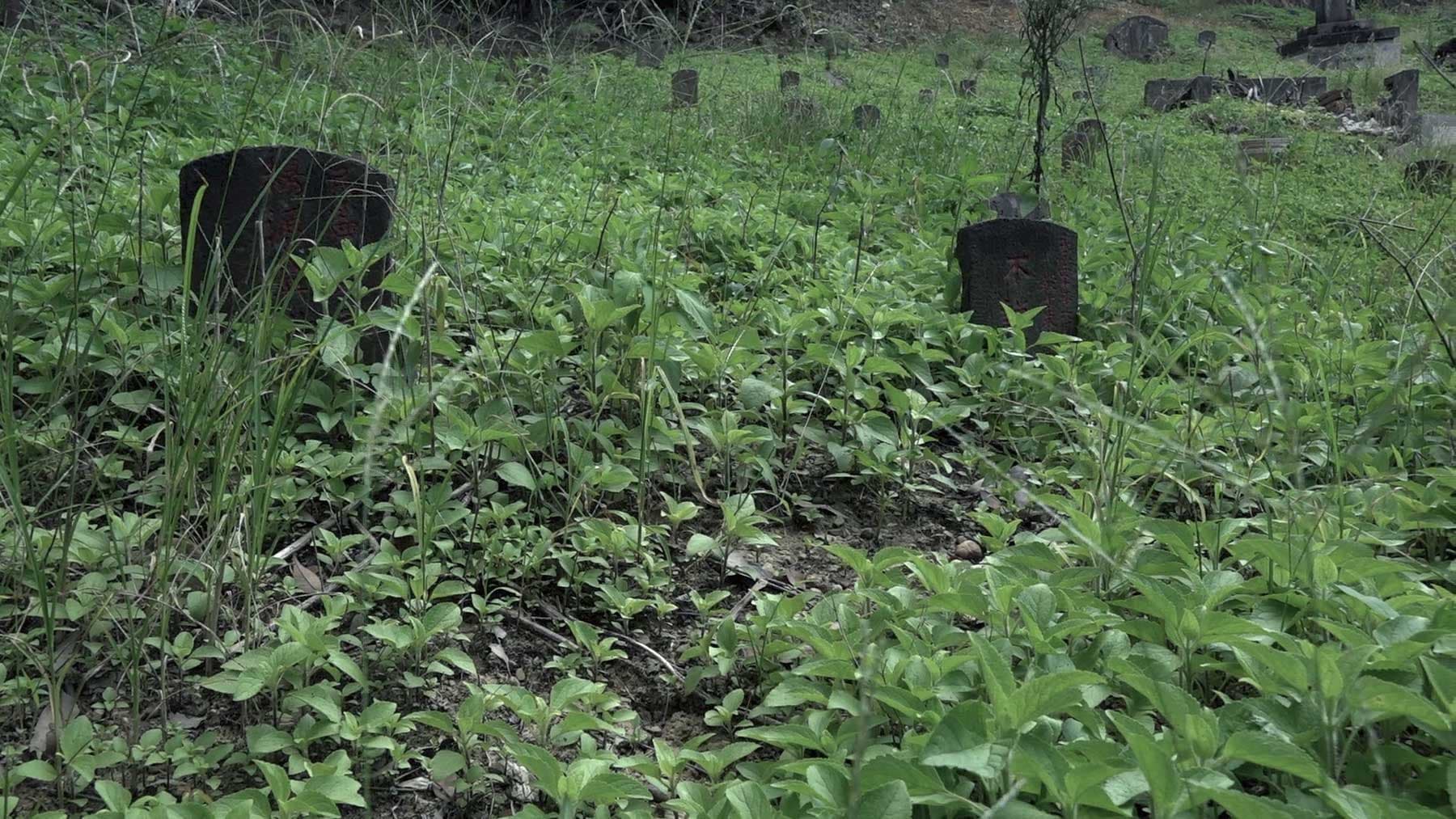
持續不斷的膠卷跑動聲,暗示了林欣怡的書寫、紀錄檔案行為。面對失語的受害者,導演不用旁白訴說書信內容,而是採用多重並置,將文字轉印在模糊的底片上、顯影在影像上,或成為字幕,唯一的聲音是無法辨識、倒轉播放的喃喃自語,時現時隱,猶如被遮蔽、無從理解,亦無處伸冤的闇黑歷史⋯⋯
No matter where you are, not just in Taiwan, international movie fans can easily watch too! The first wave of films from emerging creators are now live in our international section. Featuring top selections from prestigious film festivals like Golden Horse Awards and Golden Harvest Awards, as well as many highly anticipated emerging works for you to explore anytime, anywhere!
Giloo presents award-winning festival favorites, buzzworthy films, and thought-provoking documentaries, bringing together diverse themes and compelling stories. Step into the Spotlight Screening selection and discover films that have captured attention, sparked discussion, and are well worth revisiting.
Wherever you are, in Taiwan or abroad, you can watch with ease! Discover acclaimed films from the Cannes, Venice, and Golden Horse film festivals, plus a lineup of highly anticipated works from emerging filmmakers waiting for you to explore. Start watching anytime — no borders, no limits.
What is Taiwan? What does Taiwan have? Our imagination of Taiwan’s future depends on how we choose to read Taiwan. The Taiwanese documentaries selected by Giloo aim to offer a multifaceted and in-depth perspective—allowing us to empathize with the struggles and efforts of the Taiwanese people, uncover the richness of this land, confront its challenges, and analyze the issues that shape life on this island.
“Walking with flair, gentle yet proud / Refined in taste, strong in mind.” — Lyrics from Siri Lee’s “Taiwan Gal” What does a Taiwanese Tsa-bóo-kiánn taste like? A little sweet, a little salty; youth can be sour, and life occasionally spicy. Mixed in are the flavors of the land, sea breeze, sweat, and love. Even the feelings that are hard to put into words slowly deepen with time. From girlhood to womanhood, life is never cooked by following a recipe. Sometimes shy, sometimes stubborn—and that’s perfectly fine. Recipes are passed down from one generation to the next, but in different hands, there is always one more flavor added. The longer it simmers, the richer it becomes; the longer we live, the more distinctly our own the taste becomes.
This year, Giloo teams up with TIDF to curate a special selection of past TIDF nominees and award-winning films. While you're enjoying the festival in person, don’t forget to sneak in a little break and relive (or... redeem?) some of the unforgettable works from previous editions—now available online.
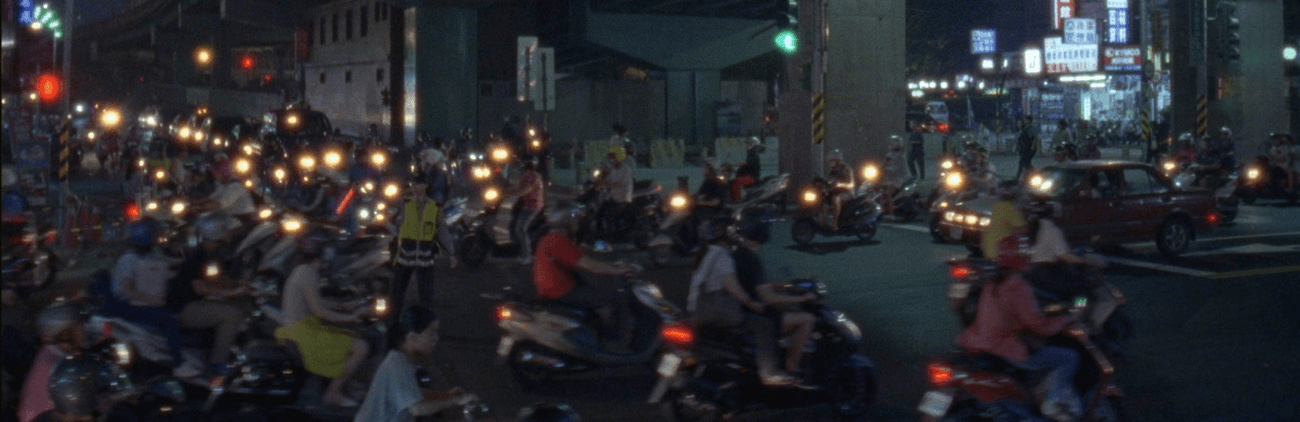
When the slogans fall silent and the crowds disperse, the events do not truly end. They remain in gravestones, letters, streets, and bodies, finding their voices again through the gaze of each new generation. Rather than closing the book on the past, these moving images ask: How do we remember those who were forced into oblivion? And in this unfinished present, how might we continue to imagine the possibility of living together?
Taiwan — a small island bearing the memories of centuries. Taiwan — a land that has seen bloodshed time and again, and now stands as a democracy. What is Taiwan? What will Taiwan become? The answers depend on how we understand the past, and how we imagine the future.
How does legendary actress Jane Birkin reveal her many faces under the lens of French New Wave icon Agnès Varda? Filmmaker Singing Chen holds intimate conversations with 30 women, listening as they share stories about their bodies—stories that are often unspeakable, unheard, or never before told. Director Huang Hui-chen turns the camera on her mother, capturing what seems to be an ordinary “conversation” between them. Another filmmaker begins with the passing of her aunt, and through interviews with her mother and grandmother, uncovers untold narratives of the women in her family. These films trace the hidden textures of female experience—tender, raw, and deeply human.