2018
Taipei Film Festival
最佳紀錄片提名

最佳紀錄片提名

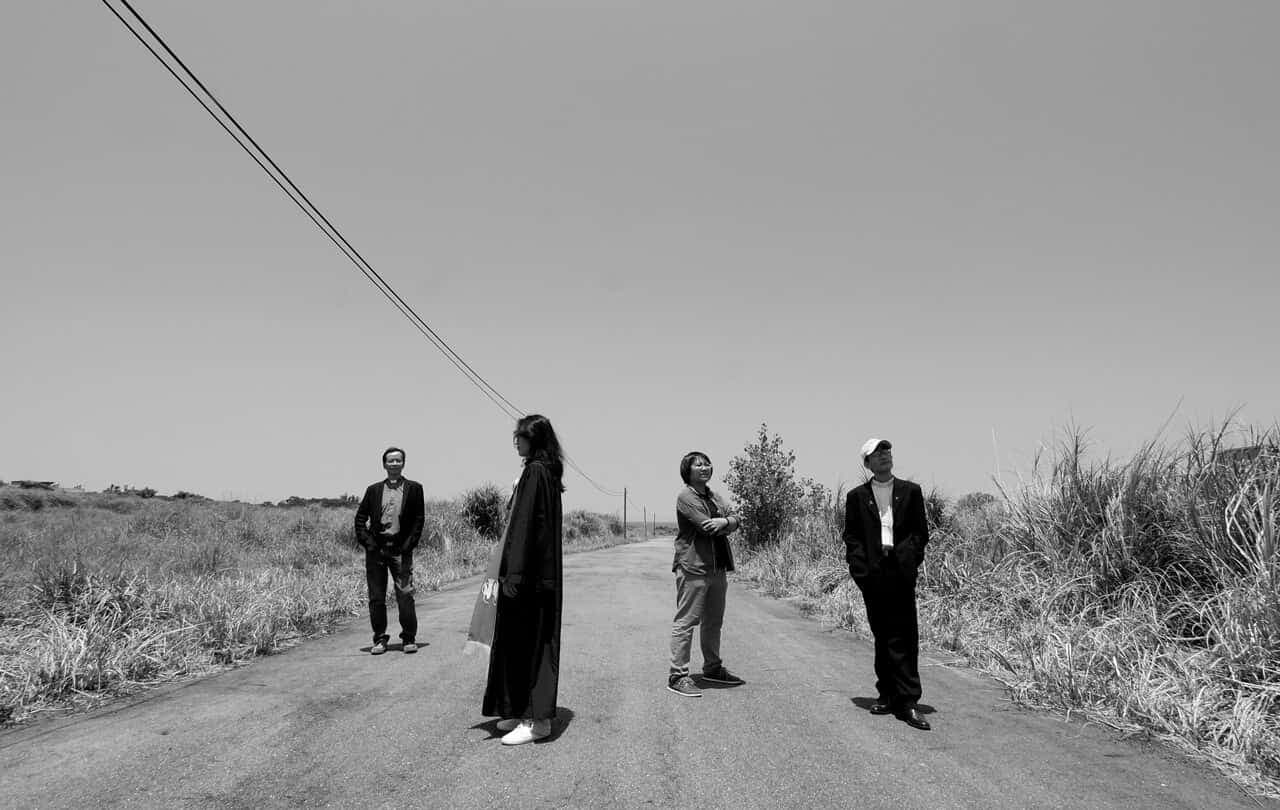
從此刻回望,748施行法也是所謂的同婚專法已通過三年多,本片於2018年入選第五屆台灣國際酷兒影展,同年末保守勢力和護家盟支持的第十案公投,將近八百萬人同意民法的婚姻限定一男一女的結合。 平權運動的路還很漫長,在專法實行之前就陪著同志基督徒和直同志的牧者們,一直試著告訴眾人,神愛世人的真理,卻因此被視為異端⋯⋯ 也許牧者們認為這是他們使命,但對很多人來說是一種信仰的救贖。
南方影展在 2012 年起至今由「財團法人育合春教育基金會」 贊助創辦「人權關懷獎」,期望鼓勵當年度挖掘人權議題、促進社會平等的入圍影片,曾獲選作品包括觸及同志婚姻平權的《牧者》 與《我和我的 T 媽媽》、推進司法改革的《徐自強的練習題》、紀錄原住民認同與部落文化的《排灣人撒古流:十五年後》等。 —— 節錄自王振愷《光源下放電影:南方影展二十年》,頁167 https://www.books.com.tw/products/0010926050
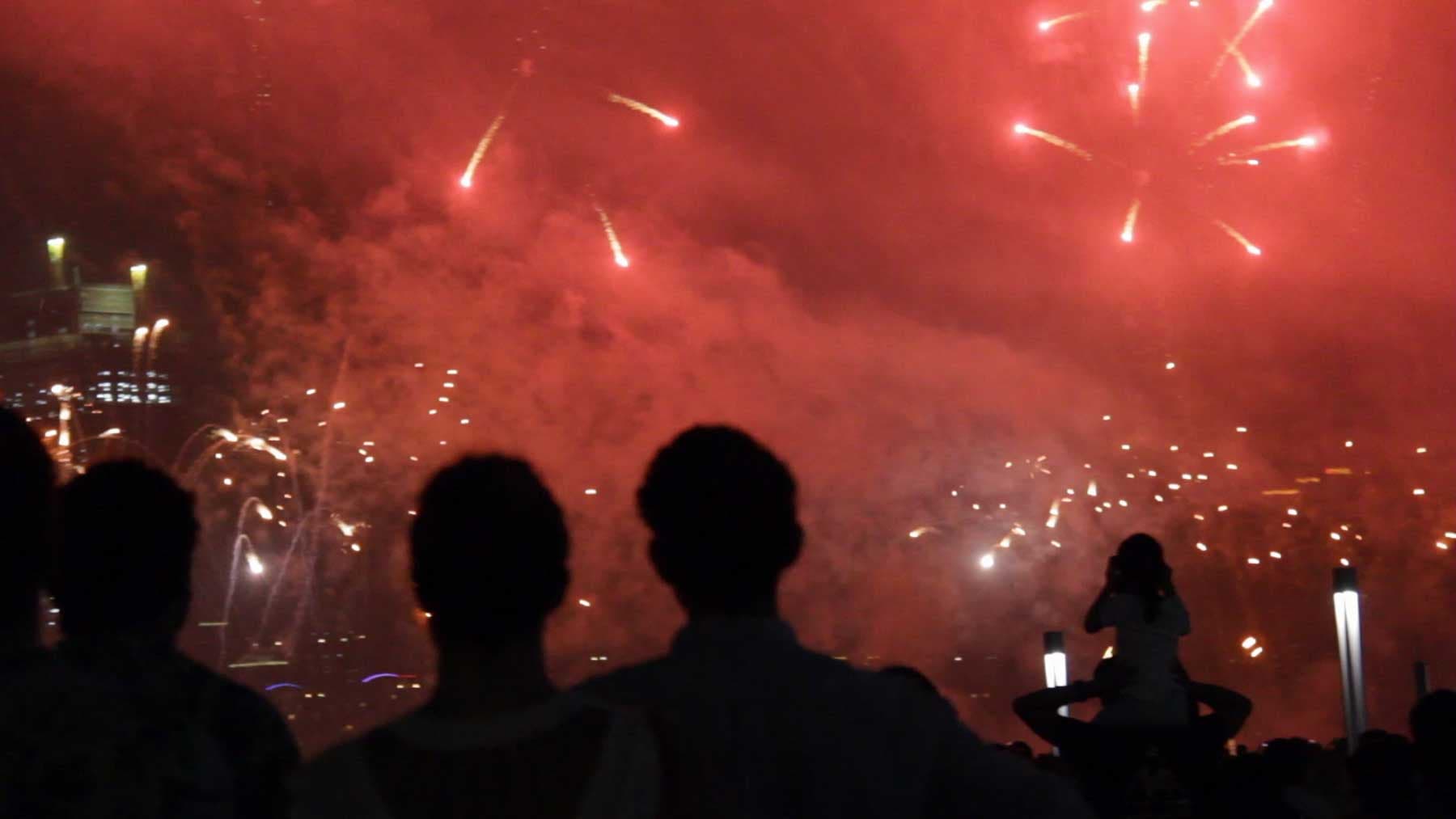
2014 年,繼台灣的太陽花運動後,香港的雨傘運動也震撼世界。這個以「真普選」為訴求的公民運動,以年輕人為中堅主力,引發數十萬人上街聲援,許多人都是首次走上街頭。幾年之後,多部相關紀錄片陸續問世,毫無疑問,陳梓桓的《亂世備忘》仍是其中最⋯⋯
2022年台北電影獎百萬首獎、入圍本屆金馬獎最佳紀錄片及最佳剪輯、現正熱映中的《神人之家》,由《牧者》導演盧盈良執導。本片以自身家庭為故事主軸,講述嗜賭的父親、乩童哥哥阿志、一生含辛茹苦的母親,與導演阿良之間的愛與恨。本次專訪,我們邀請到導演本人聊聊這部片的拍攝過程,以及拍攝自身家族題材的糾結,更透露了他當年起心動念成為影像工作者的起點。
No matter where you are, not just in Taiwan, international movie fans can easily watch too! The first wave of films from emerging creators are now live in our international section. Featuring top selections from prestigious film festivals like Golden Horse Awards and Golden Harvest Awards, as well as many highly anticipated emerging works for you to explore anytime, anywhere!
Giloo presents award-winning festival favorites, buzzworthy films, and thought-provoking documentaries, bringing together diverse themes and compelling stories. Step into the Spotlight Screening selection and discover films that have captured attention, sparked discussion, and are well worth revisiting.
Other than observation from the center, the South Taiwan Film Festival serves as reflections on social stereotypes, the perspectives of locality; of course, there are over two decades of expectation of avant-garde spirit. By a serious of recommendations of South-Award and panorama programs, along with Giloo, we feast you with the most vivid spirit of the South.
What joys, struggles, dreams, and doubts shape the everyday lives of queer individuals? As they strive toward self-realization, what vibrant colors do they bring to the world? To celebrate the spirit of Pride, Giloo presents a curated selection of films and documentaries centered on LGBTQIAPK experiences. While you take to the streets for the Pride Parade, we also invite you to step into the love, lives, and stories of queer communities—on screen.

Faith is a dwelling place of the heart—a quiet sense of belonging, of ease, of return. Do you believe the world is kind to you today? Have you ever wondered why you were born into this world? As a part of nature, of all living things—where do you stand?
This year’s Queer Film Festival poses a timely question to society: Boundless, limitless, borderless—can gender, and the existence or absence of it, become a plural possibility? Under the theme of “Endless Love” and “Infinite Love,” the festival explores diverse expressions of love and sexuality through cinema. Whether grounded in reality or born in the virtual, gender will be redefined and renegotiated. Through the performance and context of gender, the body becomes a vessel of both flesh and spirit. Humanity expresses its desires, orientations, and identities—blending, shifting, and converging into the infinite (∞): the limitless, the boundless, the ever-expanding potential of plurality. These shifting terrains of the body, desire, gender, and the fluid interplay of yin and yang give rise to a multitude of gendered possibilities. In this reimagined world, love, sexuality, and human connection are no longer subjects of discrimination, distortion, or stigma. Instead, we envision a new and beautiful future of infinite love—one that celebrates what it means to be fully, freely human.
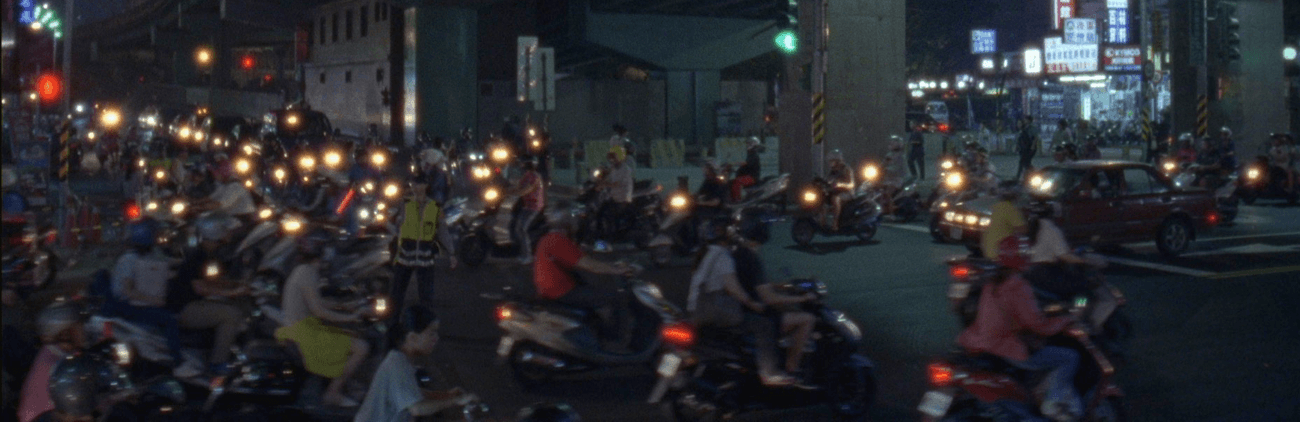
What is Taiwan? What does Taiwan have? Our imagination of Taiwan’s future depends on how we choose to read Taiwan. The Taiwanese documentaries selected by Giloo aim to offer a multifaceted and in-depth perspective—allowing us to empathize with the struggles and efforts of the Taiwanese people, uncover the richness of this land, confront its challenges, and analyze the issues that shape life on this island.
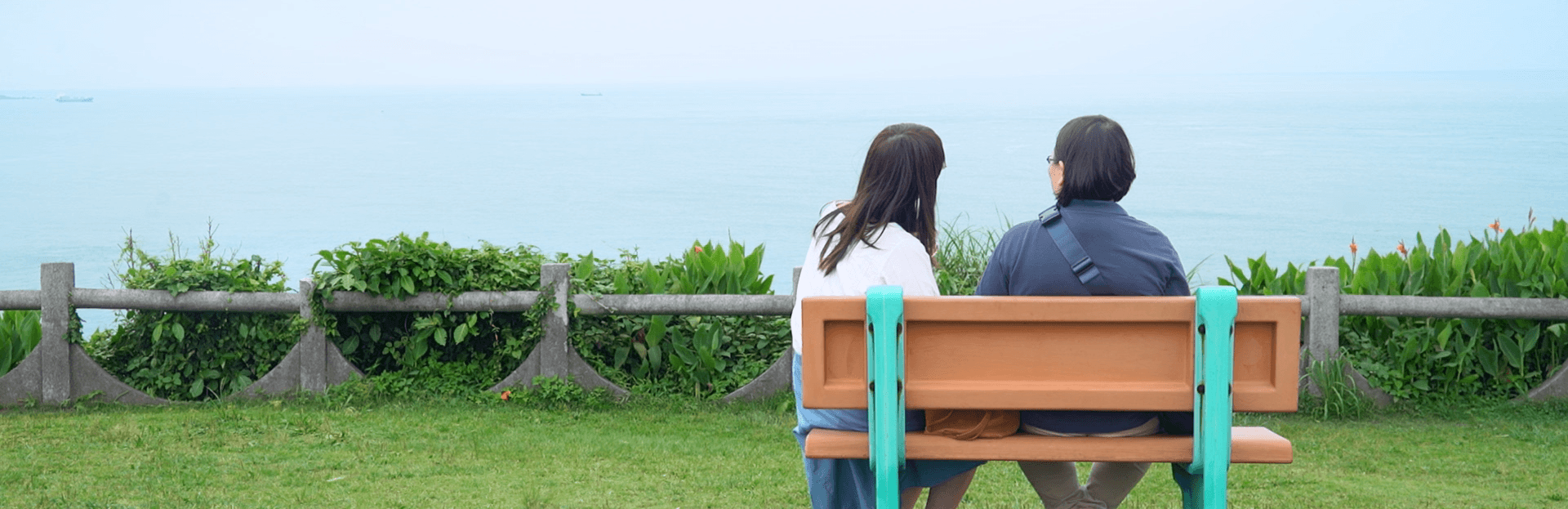
In 2021, two years after the legalization of same-sex marriage in Taiwan, nearly 6,000 same-sex couples have tied the knot. That same year, Japan saw a historic breakthrough when the Sapporo District Court ruled that banning same-sex marriage was unconstitutional—the first such ruling in the country’s history. Today’s East Asia may appear to be making epoch-defining progress, but every step forward has been paved by those who came before—people who have lived boldly and brilliantly through eras of repression, exclusion, and shame. It is through their relentless struggle that society has opened up, however slightly. From The Wedding Banquet (1993) to Until Rainbow Dawn (2019), what has Taiwan and Japan gone through over the past 26 years in terms of gender and societal shifts? And as children of these histories, how much of ourselves do we see reflected on screen?