2016

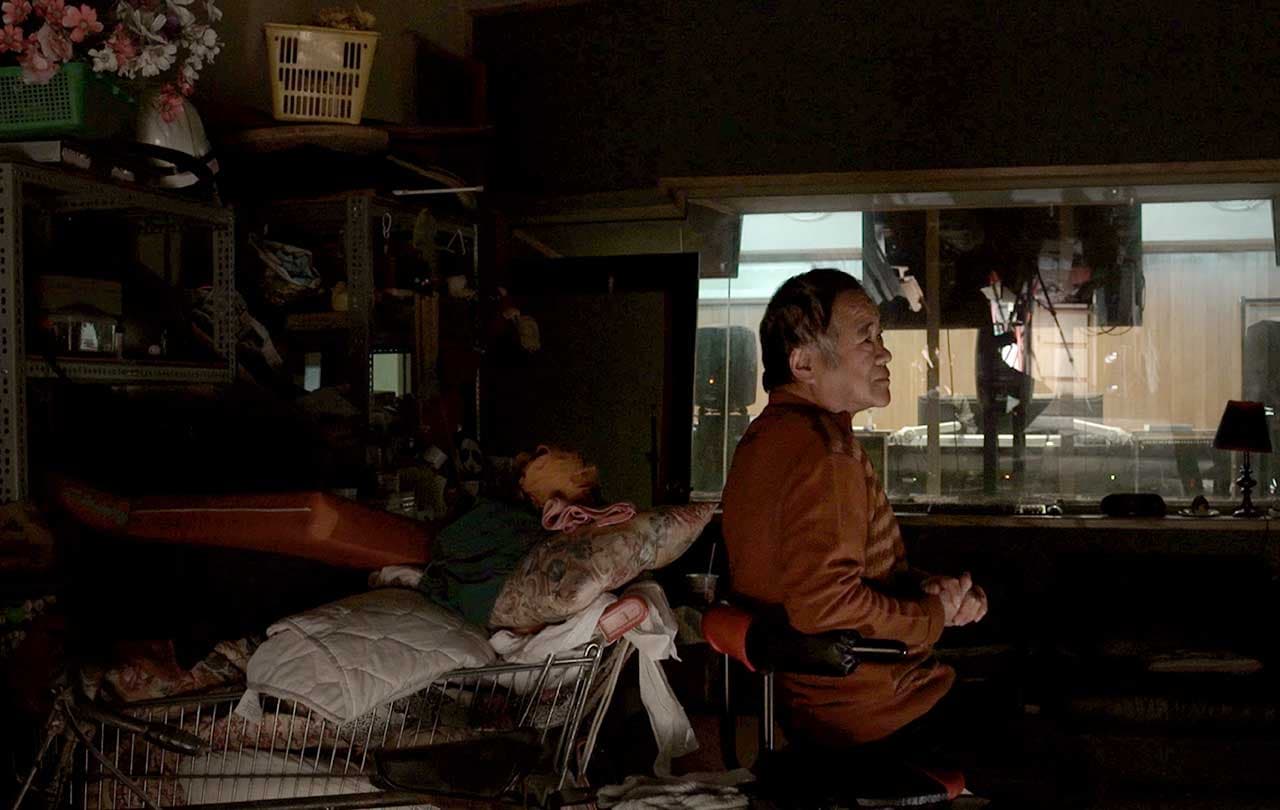
Directed by 王婉柔

1:33:30 不論電影業是否沒落,胡先生的「聲音」將永遠留在觀眾與你我的記憶裡。致敬台灣偉大的 Foley Artist——胡定一先生
52:05 1970 年代是香港電影的新浪潮,導演們不再拍攝不食人間煙火或與現實脫節的情節。至於新浪潮如何誕生、又為何誕生? 影評人李幼鸚鵡鵪鶉說到,每個新的潮流,很可能都是對上一個發展到極致的潮流的回應和反響,這些舊潮流可能已經被濫用、被消費到了極點,為了找到新的出路,導演們嘗試不同的手法重新詮釋電影,新潮流也因而誕生。
32:16 知名電影評論——李幼鸚鵡鵪鶉說到,我們總以為電影中「畫面」的重要性遠過於「聲音」,但聲音絕非畫面的附屬,實際上,電影中的聲音和畫面可以不一致,而聲音也能夠單獨地演出讓劇情繼續推展下去;這些實驗性的敘事我們都可以在雷奈、高達和安東尼奧尼的電影中看見。 不論是電影中的配樂、音效還是配音都至關重要,它們不僅扮演著醞釀電影情緒的角色,還能昇華演員的表演,讓整部電影變得更精彩,更「入味」。不只李,其他電影從業者也表達了類似的觀點: 「有些時候,配音員會幫你加分。甚至有很多演員,他們其實一大部分都是靠配音員來幫他們加分。」——演員 / 導演張艾嘉 「如果可以現場錄到(腳步聲)比較好⋯」「⋯因為我覺得現場演員的情緒,每個腳步都是有情緒的。它不會只是叩叩叩的離開,它有快有慢,它有沈重它有開心。」——現場錄音指導郭禮杞 「⋯電影工業不是只是找到一個環境可以拍,它要想到四周的問題。」「⋯聲音會破壞你的進度,你一定要想到拍片除了視覺,那個空氣間的外圍有沒有影響到你的聲音。」——導演王瞳 好可惜《電影配樂大師》已經在 Giloo 下架,這兩部搭配起來一起看,對電影配樂和電影音效肯定會有更全面的認識。
1:09:00 這裡曹老師提到因為大環境的新科技或是新方法而造成的世代衝擊,的確也存在在許多不同的行業中,很多傳統藝術工作者可能也有類似經驗。 譬如歌仔戲棚文武場,小時候還聽得到現場師傅在演奏,現在有的時候都用電子鼓。或是一些宮廟出陣時,部分的樂器改成用音響播放的,所以看到這段也是滿感慨的,究竟我們在所謂的進步和專業技藝的保存之間,能否達到更好的平衡呢。
37:50 現在因為錄音設備器材和軟體都變得進步許多,再也不需要用盤帶,還隨時可以另存新檔,當時的藝術工作者肯定非常羨慕我們現在這麼方便。 但反而現在的我們,會想在創作中找回過去的復古感,很多人也會用軟體刻意模仿製造盤帶的特性,或是利用舊的盤帶機再把聲音處理過一次,這可能也是以前的人想不到的事吧。
32:30 有關歌手純純的相關故事,可以欣賞紀錄片「跳舞時代」
30:56 不曉得這是什麼東西,但非常喜歡他發出的聲音,感覺也很適合用在一些科幻片,或是星際大戰裡面的雷射槍之類的。而且這個東西很神似一種叫做 Helix Bowl 的打擊樂器
忘記從何時開始對電影的聲音工作非常著迷,不論是配樂、擬音、還是音效,身為音樂創作者,在欣賞電影時也會特別觀察他們如何和影像畫面相輔相成。非常難能可貴有機會一窺台灣 Foley 大師們工作的景象。
聲音,是電影電視中不可或缺的一環。Foley更是類比時代中重要的技能。拍片這行真的很辛苦,需要很多很豐富的熱情才能堅持下去,我覺得胡定一老師在電影聲音行業幾十年如一日的創作非常能鼓舞現在的年輕人。我們常常說「斜槓青年」,其實有時候專注地做同一件事也未嘗不可。
No matter where you are, not just in Taiwan, international movie fans can easily watch too! The first wave of films from emerging creators are now live in our international section. Featuring top selections from prestigious film festivals like Golden Horse Awards and Golden Harvest Awards, as well as many highly anticipated emerging works for you to explore anytime, anywhere!
For those of us who love music, beyond immersing ourselves in listening and appreciation—have we ever wondered what sounds and music have gone through in their journey of development? From modern-day film sound designers to distant Cuban musicians, we trace the evolution of music back to the origins of Taiwan’s pop music in the 1930s—before it was abruptly silenced by war. We continue through the political upheavals of the 1950s, and finally return to the most intimate sound we all encounter: conversations with our family. (Photo courtesy of: Taiwan Beats)

Some films stay with us because of their music— a great score can breathe an entirely new soul into a story. Think of your favorite movie. Chances are, the first thing that comes to mind is a melody. Giloo presents five carefully selected films that explore the creative worlds behind unforgettable film music. We hope one of them strikes a chord with you.
After an eight-year hiatus, Echo is back, continuing to praise the essence of life with their beloved rock music. Yet, behind the music, each member has undergone different life experiences. Through this film selection, we aim to offer a deeper understanding of the unique Echo Band. Literature, North Korea, and Ryuichi Sakamoto are all keywords that each band member has embraced. Through these visual records, you'll also get a glimpse into the members' private film preferences.
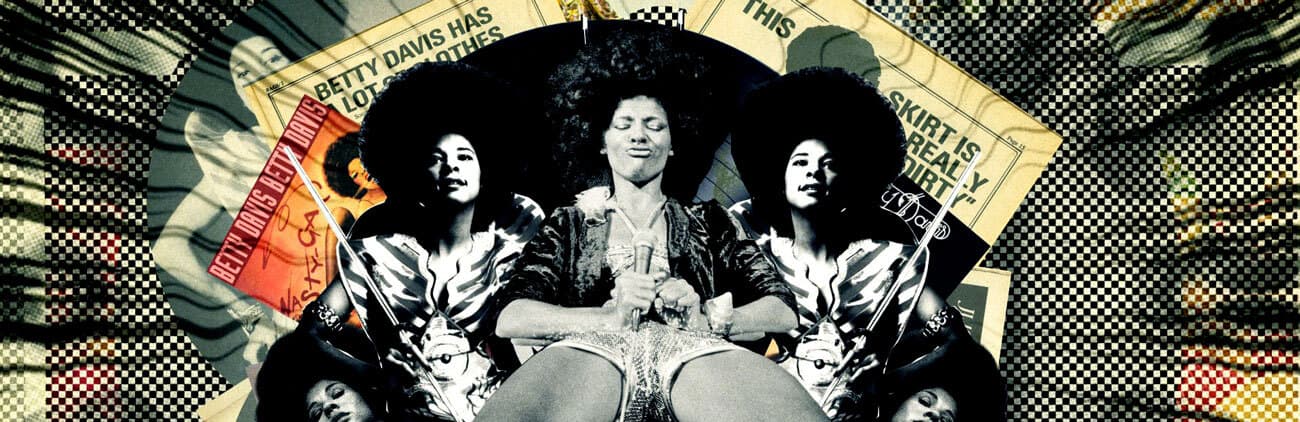
Music and sound may seem fleeting, yet they leave lasting impressions in the hearts of listeners—sometimes even becoming songs passed down through time. Beyond sensory pleasure, the act of creating sound often carries a message shaped by a specific social context. Whether it is to resist mediocrity or to resonate with the land of daily life, sound conveys cultural memory and helps bring individuals together.
I want to understand the why, the when, and the how behind these people and these stories. The more we know, the clearer we become about what we want—or don’t want—and where we’re headed. For me, knowing is a form of pleasure.
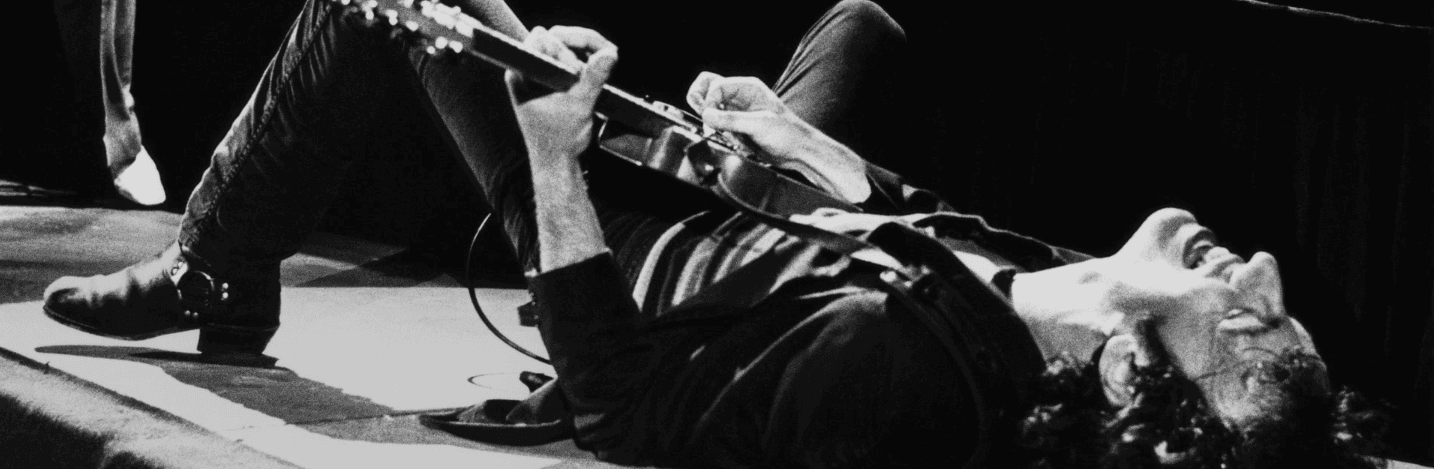
What Did Taiwan’s First Pop Songs Sound Like? How did a group of young people returning to the countryside turn an old tobacco-curing shed into the birthplace of a classic album? How did one small indie record label become the cradle of Taiwan’s biggest rock bands? In collaboration with Blow (吹音樂), Taiwan’s leading independent music media outlet, we've selected 9 films exploring the roots and evolution of Taiwan’s music scene—alongside a powerful documentary on Rolling Stone, the iconic U.S. music magazine born in an era of rebellion. From the golden age of modern Taiwanese pop to the rise of underground and alternative bands, these films span nearly a century of music history. For fans stuck at home and missing the thrill of live gigs, let these moving images bring you back to a time when legends were just getting started.