2019
Venice Film Festival
最佳紀錄片提名

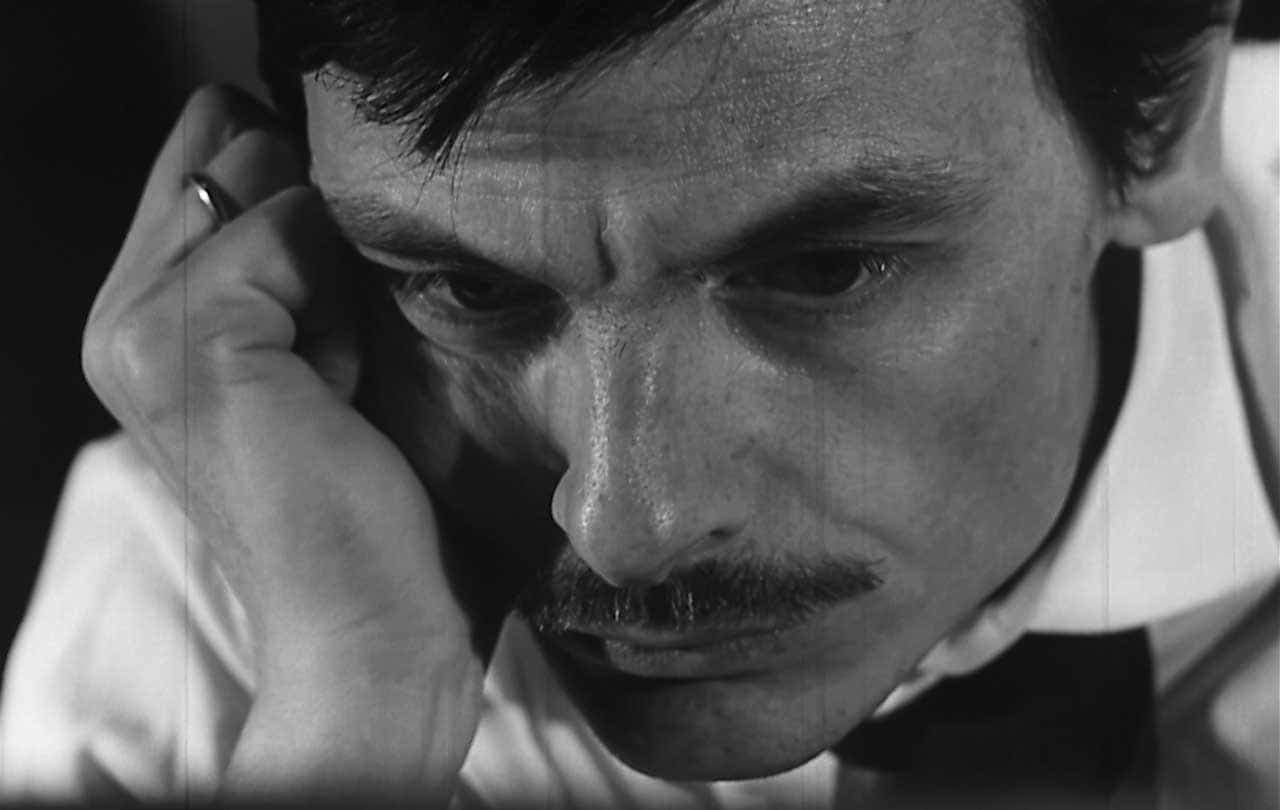
Directed by 安德烈・安・塔可夫斯基
最佳紀錄片提名

34:17 俄國性格是親近大自然的。從屠格涅夫《獵人筆記》到《路邊野餐》,似乎能感覺到這點。但除此之外,沒有哪個國家會承認自己疏離於自然。 我想荷蘭也是如此,斯賓諾沙的《神學政治論》帶起了上帝即自然的討論,不受待見。之後荷蘭又接收了不少因為俄共瓦解而分裂的南斯拉夫民族。集便是這樣的荷蘭仍然在自然內發展了自然力量的民生經濟。
28:26 象徵在一定程度上是反藝術的,而形象結構是絕對的不可知狀態,沒有謎底。「象徵」在觀者個體裡具有限時間性,一旦觀者解碼並宣告認為「完成解釋」,象徵就終止了。 整體來說,藝術是無限的「象徵」。 模糊反映我們的生活。
26:48 形上學預設的談論:對他來說作品形象反映著一個外部實在的無限理念。
25:03 形象是什麼? 一種不可分割、完全無法捉摸的東西。形象有它想表達的世界特質。絕對真理看待我們單向思維的方式,有不可知的神秘傾向。
14:00 在《花生》裡,莎莉布朗容易用錯詞而被糾正。這個拉小提琴的畫面讓我想到莎莉總是說錯的一句話:"Violin break out." ( Violence break out )
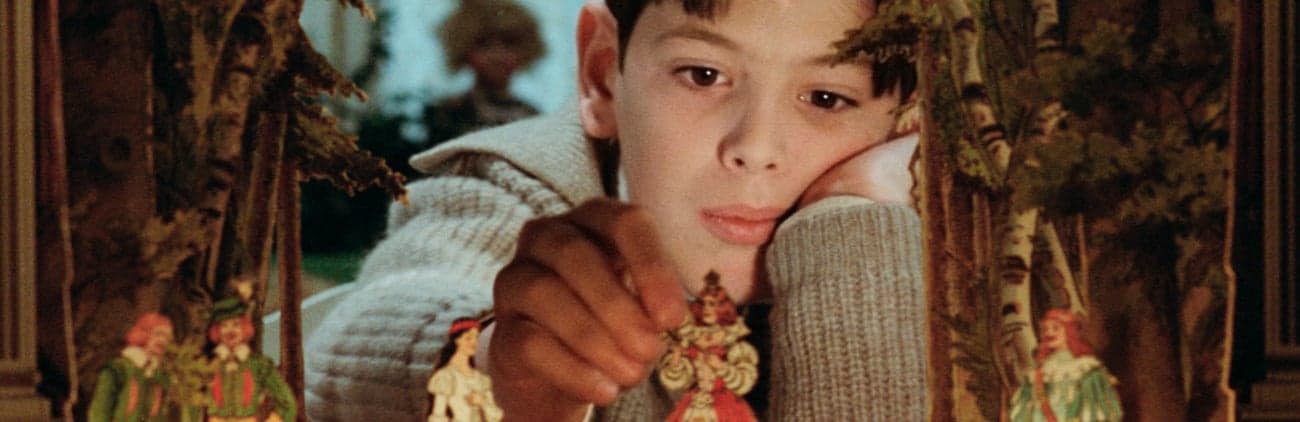
12:48 小孩看出去的世界會與我們不同,在於重新陌生畫我們所處的環境。與既視感不同,透過孩子的視域,我們重新檢視了僵化的日常。
📣 Giloo Podcast 本集來賓:詩人 鴻鴻 Hung-ya Yen 片單主題:在不正常的社會,做一個正常人 ▍Podcast 收聽連結 ☞ https://bit.ly/3wTklxp ▍前往片單 ☞ https://bit.ly/3LeMC7f 在三級警戒的生活中,「正常生活」似乎離我們非常遙遠。在許多人焦躁、恐慌、怨天尤人之際,也有很多人試圖維繫身為一個「正常人」的價值判斷和人生信仰。 這次策展我選了五部影片, 分別記錄了中國、美國、前蘇聯、香港、台灣的五種人生, 面對極權政治、或資本主義的利益壟斷,嘗試維持一個人的心靈與個體自由。有人是藝術家,有人不是;有人成功,有人失敗;更多人在無所謂成敗的世界浮沉。 然而,不論體制多麼龐大幽暗,不論身處多麼底層邊緣,當一個「正常人」的卑微願望,卻支持著我們繼續摸索。而互相理解,就是前進的最大動力。
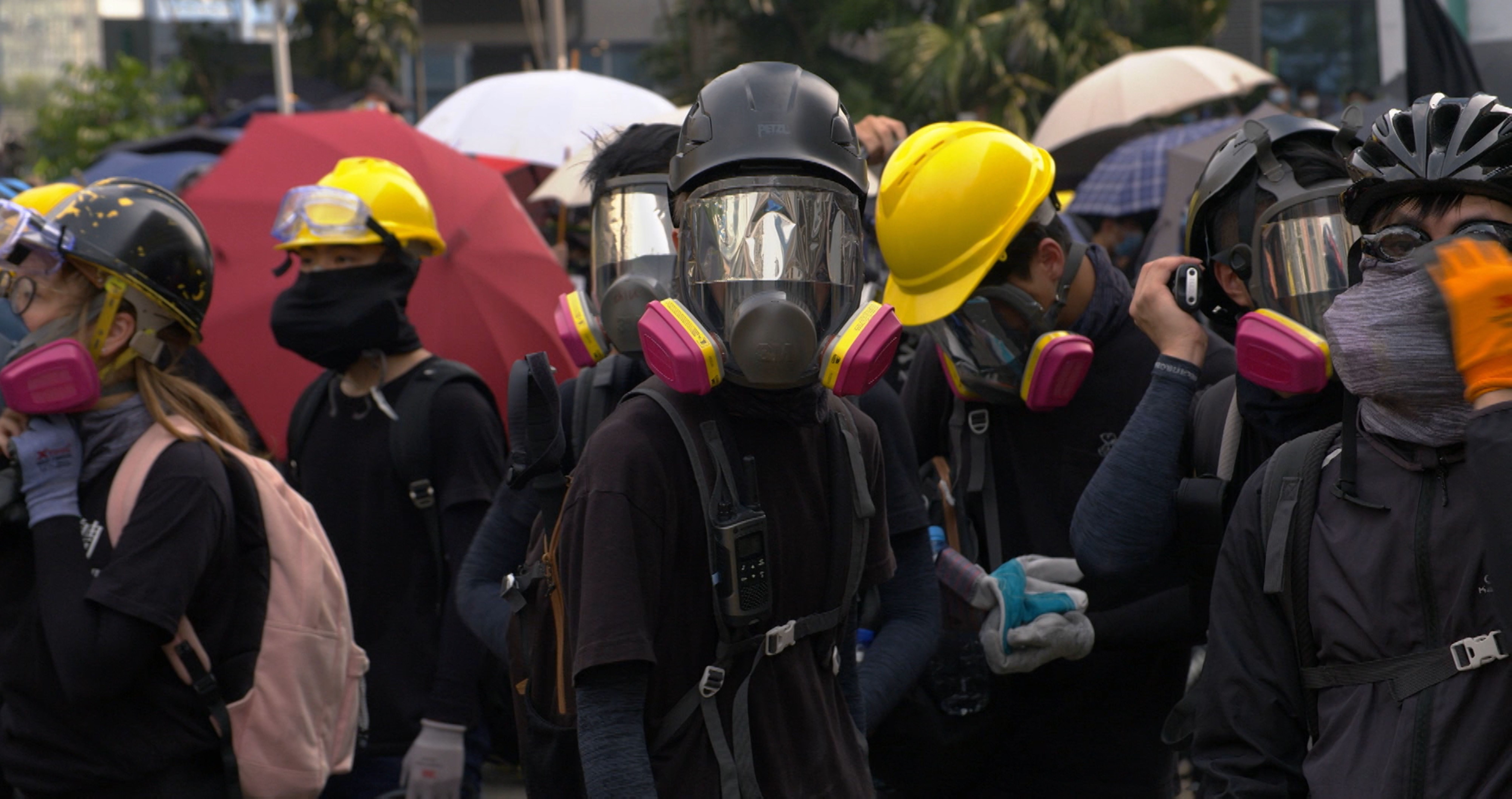 【在不正常的社會,做一個正常人 by 詩人 鴻鴻】線上影展 - Giloo紀實影音|電影線上看
1:20:42 人何以為人
1:08:12 愛、障礙

這部由塔氏一家共同組成的紀錄片,幾乎可以說是理解塔可夫斯基,理解其作品、精神、祖國的媒介。或許許多影迷都曾下定決心要好好補完這位俄羅斯電影大師的作品,卻總是撐不住下垂的眼皮。本片會是一個好好理解塔可夫斯基的橋樑。

觀者一邊觀賞那些難得的影像:劇本手稿、場景繪圖、片場剪影,還有他與演員溝通的過程,耳朵一邊聽著塔可夫斯基訴說自己對電影的看法。我們環繞在導演絮絮叨叨的訴說之中────他的聲音出乎意料地自信又鏗鏘,每一句話皆發自肺腑,而面部表情沉靜專注,雙眼靈動有神。看得出導演在飛舞流動的思緒中,努力要將自己的想法清楚表達⋯⋯
From international politics and music to film industry professionals and cultural icons—this curated selection of biographical documentaries offers intimate, eye-level encounters with influential figures across diverse fields. Through the lens, we gain rare insights into their lesser-known sides, and follow them as they navigate cultural clashes, personal revelations, and shifting global contexts. Each film invites you to explore contemporary issues through the lived experiences of extraordinary individuals shaped by history.
Through the power of storytelling, directors shape films— and in return, those films leave indelible marks on their creative souls. Giloo invites you to step inside and outside the frame, visiting the lives of master filmmakers both behind and beyond the camera. See Hou Hsiao-hsien’s quiet charm when he sets down the director’s baton, hear David Lynch reflect on the hidden corners of his past, and witness Agnès Varda’s final farewell—infused with childlike wonder and grace. These films reveal the true faces of iconic auteurs— their artistic journeys, their obsessions, their passions, and yes, a touch of beautiful madness.

During Taiwan’s Level 3 Alert, the idea of a “normal life” felt impossibly distant. While many responded with anxiety, fear, and blame, others quietly held onto their values and beliefs—trying to preserve what it means to be a “normal person.” This curated selection features five films from China, the United States, the former Soviet Union, Hong Kong, and Taiwan—each portraying a life caught between individual freedom and overwhelming systems: totalitarian regimes or capitalist monopolies. Some are artists, some are not. Some succeed, others don’t. Most drift through a world where “success” has no real meaning. And yet, despite immense, shadowy powers and marginal existences, it is the modest desire to live as a “normal person” that sustains our will to move forward. In the end, mutual understanding remains our greatest force of momentum.
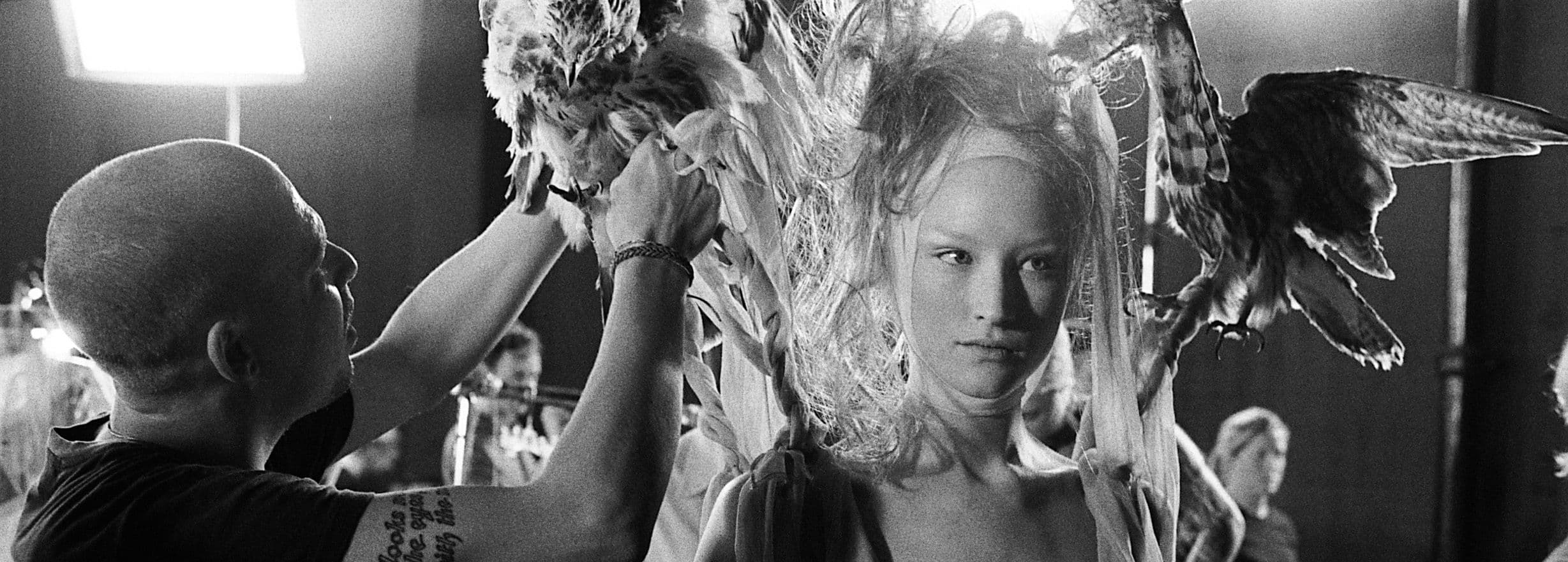
Drawing from Nietzsche’s concept of the “untimely” (Unzeitgemäß), Giorgio Agamben reinterprets the question of the contemporary. For Nietzsche, to be contemporary is to place oneself in a state of rupture and disintegration: “Those who truly belong to their time are those who neither conform to its demands nor adapt to its rhythms. Precisely through this misalignment, they perceive and grasp their era more acutely than anyone else.” Visionary artists often belong to this untimely realm. From the tragic brilliance of fashion icon Alexander McQueen, to Chinese photographer Ren Hang’s raw, poetic gaze; from the transcendent cinema of Andrei Tarkovsky, to the solitary grandeur of Austrian writer Peter Handke, and the provocative anti-totalitarian performance of Laibach—these creators exist where genius borders on madness. Watch how they spark moments of radiance within the mundanity of flesh—the fleeting glow of existence.
Cinema is made by people—and film history has been forever shaped by them. Giloo presents a selection of seven documentaries on legendary filmmakers, tracing the evolution of cinema through their lives and visions.

I think I’m falling more and more in love with documentaries. Choosing two films about Takuma Nakahira might feel a bit indulgent—but I can’t help it. On one hand, I genuinely love his work; on the other, these two films approach the same subject in completely different ways, and watching both reveals a richer, more layered experience. Andrei Tarkovsky: A Cinema Prayer and Greenaway Alphabet are not just fascinating because of the artists themselves. The former, directed by Tarkovsky’s son, feels like a poetic homage; the latter, a playful and profound conversation between Peter Greenaway and his daughter, offers a very different kind of parent-child dialogue. Both are worth savoring. And as for Suzaku… do I even need to say anything? Just—breathtaking.