Director

Directed by 呂柔萱

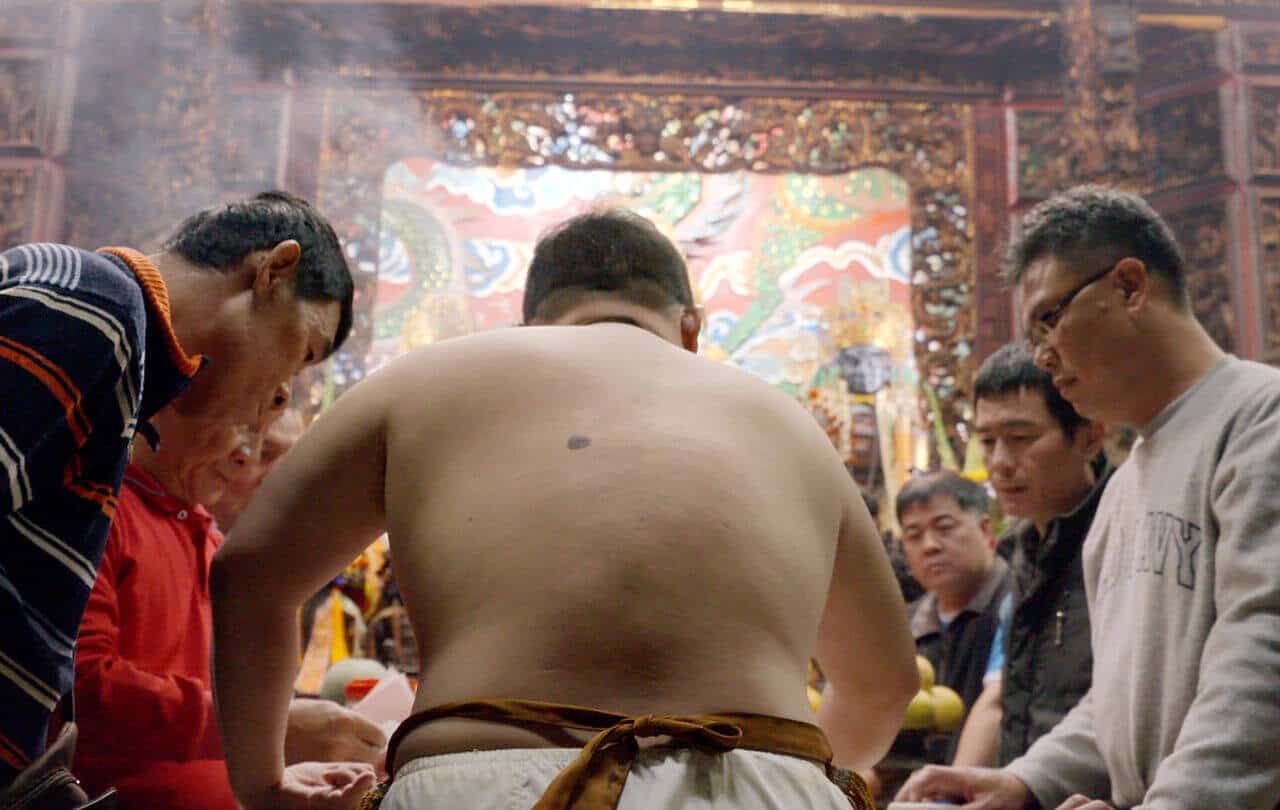
台灣小說家星子筆下的乩身,飛簷走壁、降妖伏魔,不像人倒更像個脫胎罪人。而《神明事務所》裡日夜辦事的他們,脫去神聖不可侵犯的外衣,多半流露出生而為人的一面。 那些儀式的繁瑣、禁忌的意義與身旁家人的不諒解,實際構築成台灣民俗文化極為重要的一環,不光光是祈福祝禱,更告慰生者你們已經做得足夠多了。
3:04 南廠水門宮: 主祀七府千歲:李、池、吳、朱、范、吳府二鎮、張,共七位王爺。南廠水門宮的小法團是目前府城進行較多科儀之小法,除常見的清壇祝壽、開光儀式外,最常見的就是打城儀式。
9:26 車關煞: 跟交通及車有關的煞都可稱為「車關」。片中小妹妹因是車禍過世,她媽媽聽葬儀社建議要打「車關城」,按照主角許一允查證後的說法,應是殯葬業者為謀取利益才有的儀式。正常而言,意外死亡或枉死者要做的祭典是打(破)「枉死城」。
10:07 破枉死城: 道教中超度科儀,又稱「破城」。民間信仰中認為,人不幸遭遇車禍、天然災害等意外,或是自殺而死,死亡時陽壽未盡,則靈魂會被關在枉死城直至真正的死亡時間才會被釋放。而打枉死城即是將冤魂救出枉死城,以讓死者獲得真正的解脫。
呂柔萱,世新廣電畢業,以新北市紀錄片比賽展開創作、在台南街頭意外開展對台灣傳統文化的一連串觀察。「⋯⋯,安哲毅導演曾經說過:『戲劇的根本,是從紀錄片開始,要學會觀察人,才能寫出生動劇本』這句話深深影響著我。」(呂柔萱,《九Ο後導演鏡頭下的真實人生》,小日子)
 九Ο後導演鏡頭下的真實人生 | 小日子
童乩一詞,雖然限於臺灣及福建等地民間社會,但是就其職司的工作性質,其實淵遠流長,可以上溯到人類文明發源初始的「巫」。每一個文明,幾乎都有「巫」的存在,「巫」必須負責解釋各種社會與自然現象,傳承族群的歷史給下一代,並且治療各種身心疾病,換言之,初始社會中一個人一生當中碰到的大小問題,都可以向「巫」求助。因為童乩的法事帶有濃厚的神祕經驗,自日本統治臺灣開始,就不斷有人想用科學的方法來解析童乩被神鬼附身的現象,究竟是真是假。然而即使科學未能證實乩童的真實性,仍不影響民間對其信仰的盛行不墜。(節錄與改編自《臺灣童乩知多少(一):他們的小歷史》)
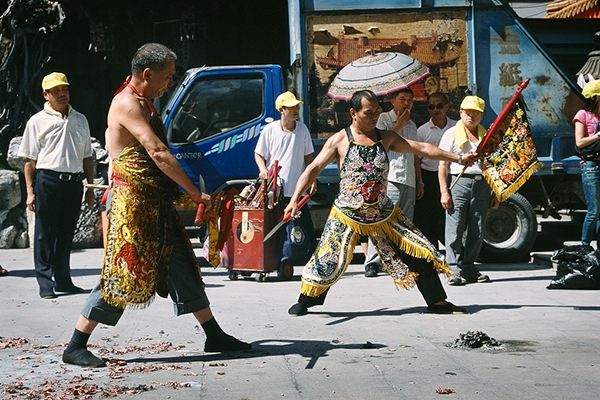 臺灣童乩知多少(一): 他們的小歷史 | BIOS monthly
整部片雖以許為核心主角,但承載了來自三位母親不同的目光: 許一允之母,對兒子(與丈夫)這份神職感到無奈和心疼; 求助者之母,對逝去女兒的不捨與不懈; 許一允妻子。 這個角色是我最困惑的角色,他一直隱藏在鏡頭之後、直到許說出「沒時間陪伴兒子」才被知悉(原來還有位妻子/母親)。對許而言,當他承接了自己與他人母親的脆弱後,是如何理解自已的妻子的?
20:54 延伸觀影:【似水華年】導讀 - 神明事務所,謝哲青,大愛電視台 「⋯⋯臺灣電視影集《通靈少女》,是一部以臺灣民間信仰,宮廟文化為背景的故事,或許我們也可以用這兩個角度,來看今天的這一部紀錄片,一位子承父業的『乩童』,為何願意以做志工的方式,服務信眾。」
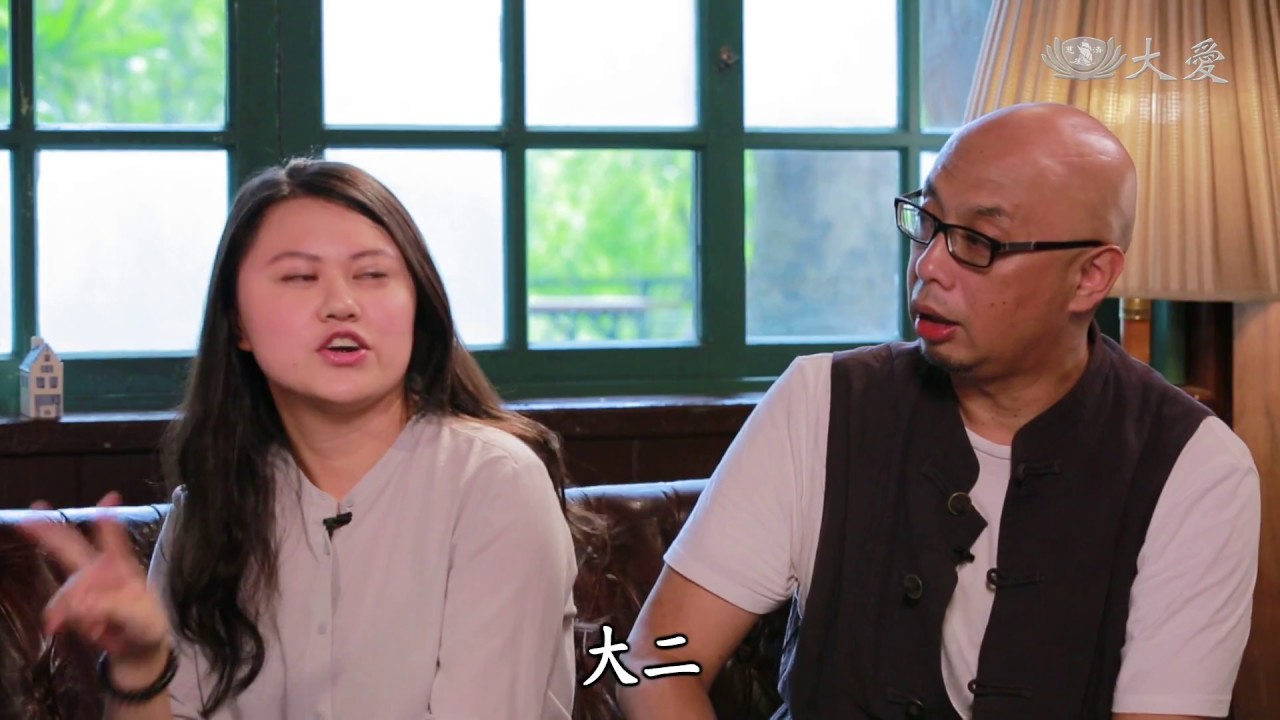 【似水華年】導讀 - 20171022 - 神明事務所
延伸觀影:許一允訪談,侯俊明「背令旗的人– 乩身訪談創作」吳府二鎮乩身 - 水門宮 「許一允年少夢中辦事。踩刀梯,即預知其乩童人生。二十八歲,感念神明庇佑二兒子健康,遂接續父親在水門宮辦事服務神明。」
 侯俊明「背令旗的人– 乩身訪談創作」吳府二鎮乩身 - 水門宮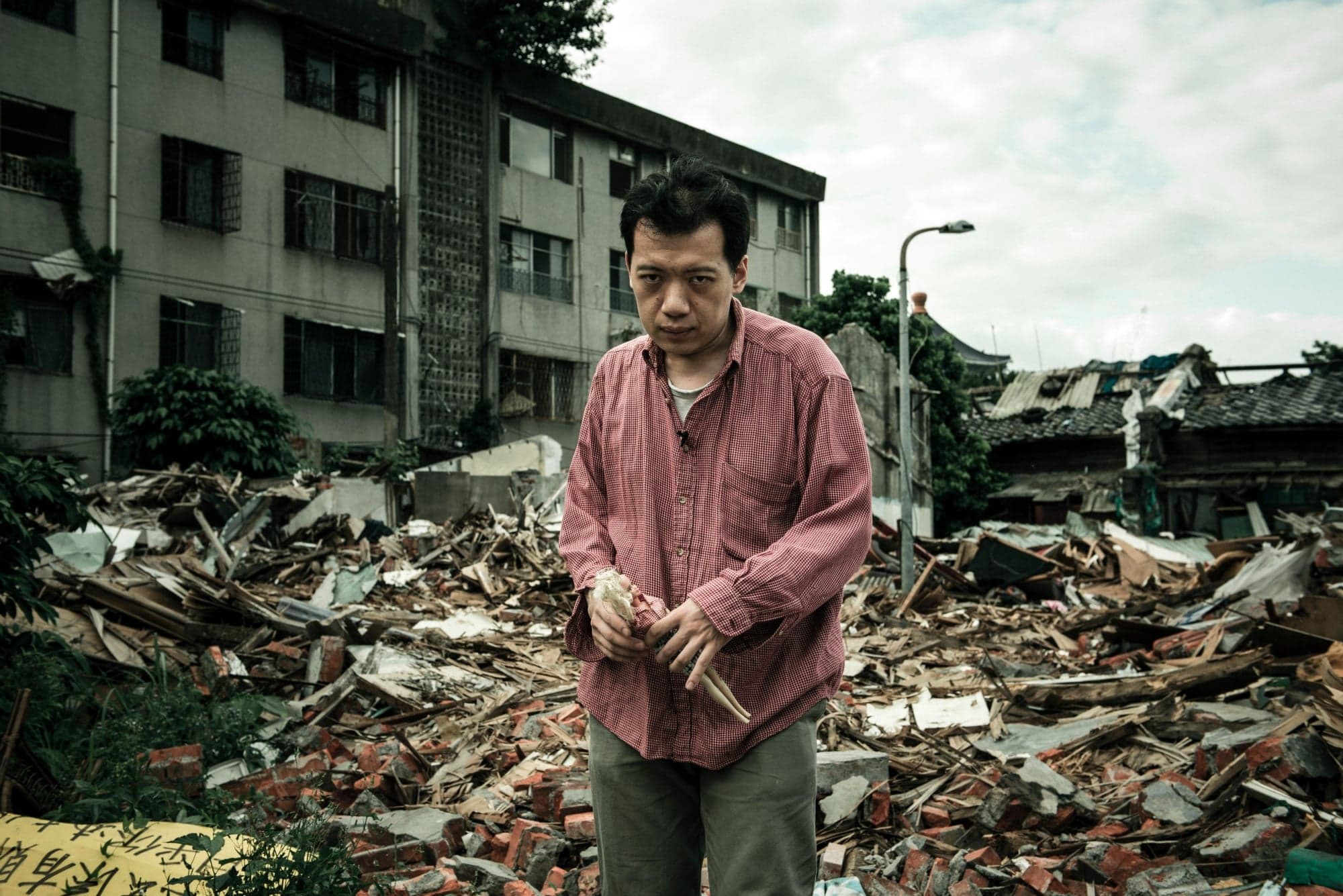
「越境身體」的五部影片藉由三種迥異有別的影像類型,輝映著某種足以僭越各種邊界甚至交互滲透的身體形態:一,紀實影片的蓄勢身體(《台北抽搐》、《神明事務所》、《默默行》);二,劇情影片的失能身體(《綠洲》);三,錄像藝術的重演身體(《女性的復仇》)。
No matter where you are, not just in Taiwan, international movie fans can easily watch too! The first wave of films from emerging creators are now live in our international section. Featuring top selections from prestigious film festivals like Golden Horse Awards and Golden Harvest Awards, as well as many highly anticipated emerging works for you to explore anytime, anywhere!
A single grain of rice nourishes a hundred kinds of people—though rooted in Asia, each land holds its own distinct character. Giloo presents ten handpicked documentaries on customs and religions, journeying from East Asia to Central Asia to reveal the countless faces of this vast continent.
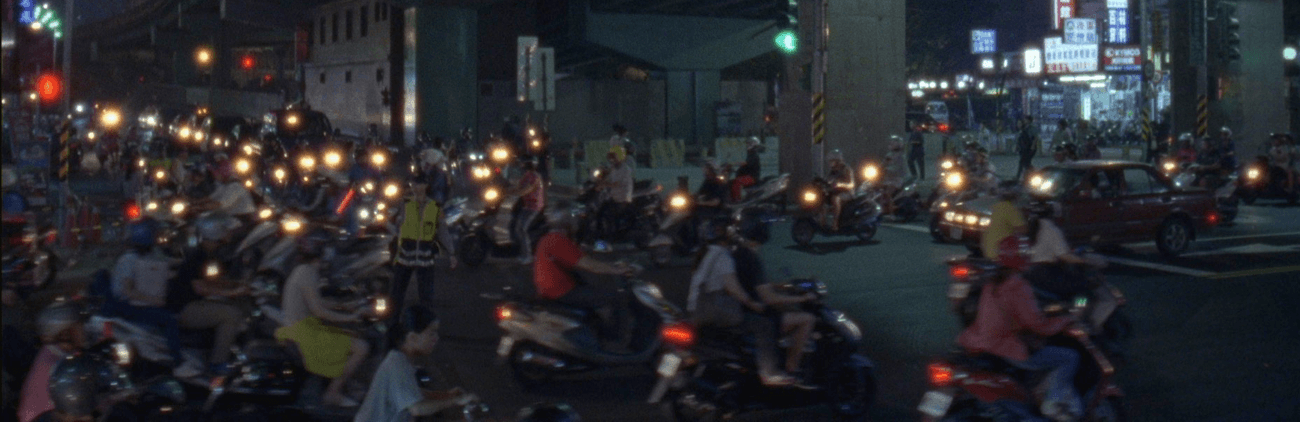
What is Taiwan? What does Taiwan have? Our imagination of Taiwan’s future depends on how we choose to read Taiwan. The Taiwanese documentaries selected by Giloo aim to offer a multifaceted and in-depth perspective—allowing us to empathize with the struggles and efforts of the Taiwanese people, uncover the richness of this land, confront its challenges, and analyze the issues that shape life on this island.
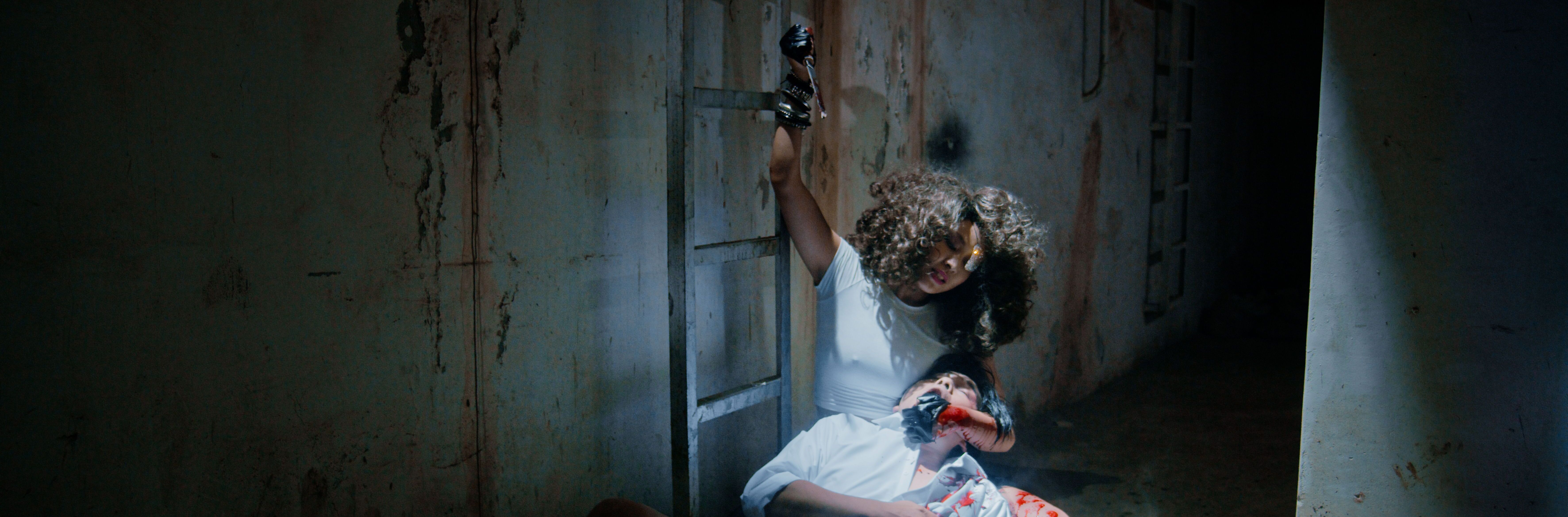
The body is a vessel—its contents, unspeakable. Encased and bordered, the body is never entirely one’s own. It is governed—by nations, by societies, by ideologies. A body may be incomplete from birth. It may only reveal itself in a fleeting moment. It may only feel whole when it sings. Its darkness becomes whole when it finally takes revenge. Five distinct films illuminate the tension between the body's inner desires and outer image. In Oasis, a woman with cerebral palsy dances and sings with an Indian elephant—if only in a dream. In Silent Steps, Ah-Chung tosses aside his crutch, holding up an entire theater with just his hands. In Miracle, a spirit medium’s quivering, closed-eyed body breaks into another dimension. In TPE-Tics, Huang Da-Wang owns his body only while singing onstage. In The Women’s Revenge, a woman in an eye patch strikes back inside a slaughterhouse, leaving male bodies in blood and shreds. Silent or twitching, imprisoned or forbidden—only when the body crosses a border does it become truly, differently embodied.

Faith is a dwelling place of the heart—a quiet sense of belonging, of ease, of return. Do you believe the world is kind to you today? Have you ever wondered why you were born into this world? As a part of nature, of all living things—where do you stand?
This curated selection features short films highlighted in the "Golden Harvest Awards: The Talk" series. From the debut works of emerging directors to the sophisticated dialogues of mature cinema, we sincerely invite you to revisit the core insights from the talks through these selected films and explore the boundless creative vitality of short-form filmmaking.