1955

Directed by 安妮・華達

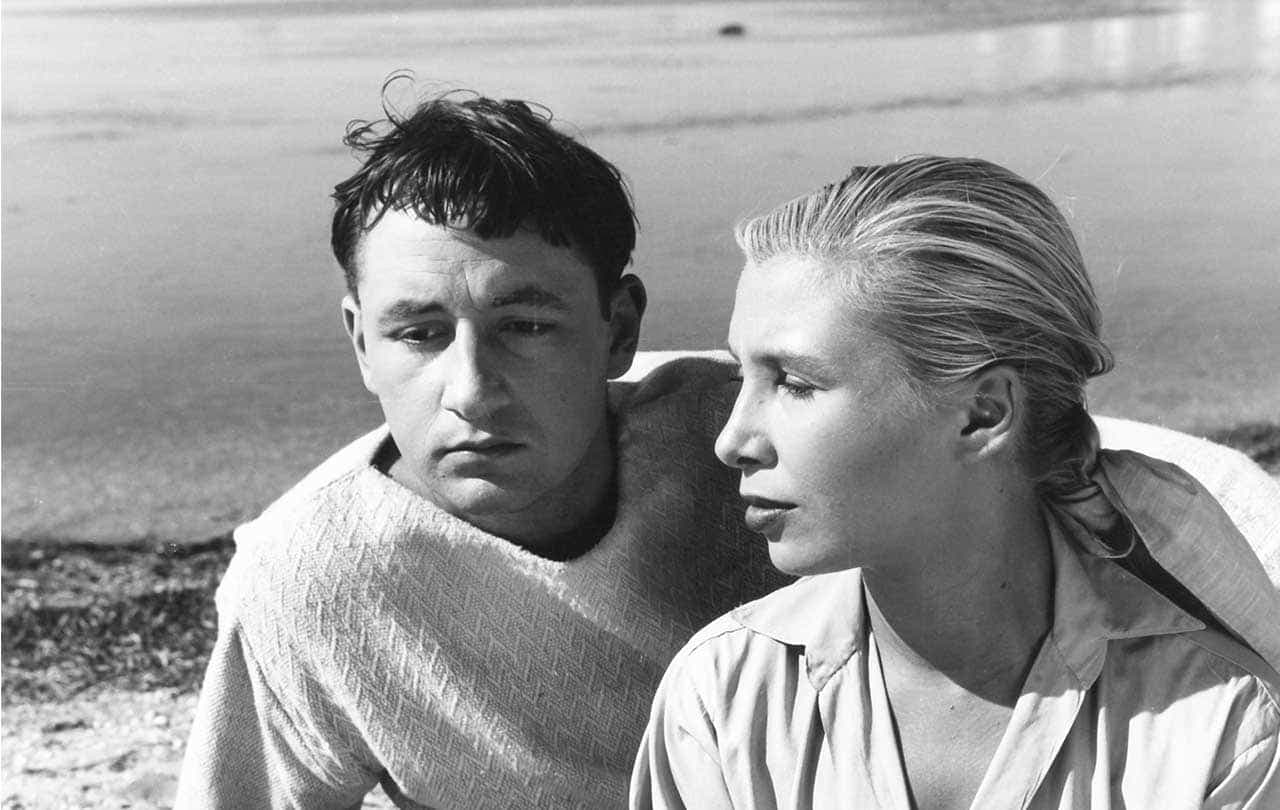
短角情事 故事以一對夫妻進入複雜關係和小鎮的生活面呈現,兩邊的鏡頭對比顯現夫妻的格格不入,現實生活瑣碎的麻煩對比夫妻的關係抗拒與拉扯,雖然對現在看片的大眾而言或許不是很好消化,但後面會感覺漸入佳境‧
• 愛是一種選擇 安妮 • 華達被譽為法國電影新浪潮的教母,本片是她的處女作,可以發現整部電影預算極低,但卻不影響導演完成本片,並好好傳達其題旨。 整部電影可以分為兩條主線,一是主角的愛情、二是漁村生活。拍攝手法上有不少地方都帶著紀錄片的常見影子,但同時也可以發現很多取景、鏡頭、情節是經過精心設計的,細節處的巧思令人莞爾。 巴黎女孩與短角男孩相戀四年的關係遇上了瓶頸,於是兩個人來到男孩成長的村落「度假」,經過幾次的談話、磨合,重新定位彼此的關係。設定上並不算是稀奇,不同的成長背景透露出兩人不同的價值觀,從充滿詩意的對話中可以更清楚的發現雙方對於感情的認知歧異。處在一段關係時難免會有所期待,愛情被包裝得神聖、激情、理想,女主角頻頻被兩人關係的改變感到焦慮,而男主角則是認為這是理所當然。 記得曾在呱吉的電臺中聽到,「愛是一種選擇;愛是有可能會消失的」這樣的認知非常透徹,在追求永垂不朽的當下或許就會忘記要好好正視關係的經營,說到底現實生活不可能真的是兩人世界,總會有其他瑣事值得被放在心上,倘若兩人能夠彼此擁有共識的往前行、一起攜手看見世界的不同面貌,也就足矣。電影中主角兩人在對談時的特寫手法很有趣,藉由重疊兩人的面孔,距離感的放大與縮小,更凸顯了愛情的牽絆,兩個靈魂拉扯、交合,獨立的同時又難以分離。 男主角坦承婚外情的經歷讓他更看清自己喜歡的、想要的究竟是什麼,他的快樂從來不是全然圍繞著戀人,但他希望戀人可以與他一起快樂——這樣的想法相對而言是比較健康的,然而感情從來沒有正確與錯誤可言,女主角對於愛的執著也讓人動容,從她的眼神裡彷彿可以看穿一切的憂傷與幸福。 另一方面,在拍攝漁村生活十可以輕易意識到孩童的存在感頗高,他們沒有什麼臺詞,但卻得到許多的鏡頭。串流可以看出這是村落人們作為共同體的寫照,也可以想像男主角過去是否也是與他們過著類似的生活?孩子們嬉戲玩鬧,大人們談論的複雜事實不在他們的理解範圍內,卻對他們造成了影響。同時也藉由一個男子對另一名女子的追求作為點綴,適時的把焦點從主角們身上挪移開來,這樣的方式也像是在訴說「情侶也不過就是這世界上的其中一組搭檔」,處處都有別的故事在上演。 —————————————————— ░ ░ ░ ░ ◤ 你不能硬説我們的愛沒有讓人老去,這就足以讓人哭泣了。
一對結婚四年的夫妻,婚姻生活日趨平淡。妻子來到丈夫的故鄉,打算向丈夫提分手,卻在與丈夫的對談以及小鎮寧靜的氛圍影響下,心境有了轉變... . 安妮華達(Agnès Varda)的首部劇情長片《短角情事》,探問愛情該要轟轟烈烈,或者穩定更重要?人們要如何確定一段關係的維持是出於習慣或是有著深情愛意?《短角情事》的趣味,在於影片一邊呈現主角夫妻的對話,提供觀眾思考的空間,一邊描寫小鎮風情畫。妻子在小鎮待上幾天,覺得小鎮純樸的生活改變了她對婚姻的想法,但事實上,小鎮有經濟困境、漁民偷偷在違法區域捕漁以增加收入,必須跟警方諜對諜、各種平凡家庭生活必備的悲喜劇戲碼每日輪番上演。丈夫的故鄉帶給妻子的「美好想像」,像極了戀人對於新生愛情的想像,因為不熟悉而有激情有了錯誤期待,唯有真正花時間在當地生活,才可能看見背後的「真相」。 . 「我們的愛不再青春,失去了騷亂、新鮮感、慾望、激情,令我無法釋懷,但成熟的愛是基於了解,這種激情比較不外放,沒那麼脆弱,有點像母愛,什麼都傷害不了。」妻子 「妳確定這一切都與我有關?」丈夫 「沒錯,就是你。現在我知道我有多愛你,沒人能解放我。」 「解放?我可從沒綁著妳。」 「當然沒有,不過我們也許不會永遠生活在一起。」 「如果妳像妳說的那樣愛我,我再也不會放妳走。」 「在不在一起,什麼都拆散不了我們,你靜靜愛我,靜靜地生活,然而,你和我一樣被困住。」 「我不覺得被困住。」 「你會的。」 . 《短角情事》用一段愛情來隱喻人們對於土地的情感:在故鄉長大成人,為了追夢(或逃離變得乏味的家園)而選擇離鄉,年紀更增長一些後,發現最美最撫慰人心的所在地,仍是最初逃離的那塊土地。《短角情事》的敘事不特別地流暢,也沒什麼高潮起伏的情節,但這部片有著讓人一直看下去的魔力,攝影極美(修復版畫質真好),人物表演也很樸實動人。 . 話說,我完全沒有認出飾演丈夫的男演員,居然就是《新天堂樂園》的放映師 Philippe Noiret,這應該是我第一次看到他這麼年輕時期的作品,有夠清秀的啦!
女演員的選角我覺得可以看出女性導演跟男性導演選角上的不同,女演員很有自己味道。1955年的電影,卻讓我有些時刻有著之後安東尼奧尼、法國新浪潮等既視感。漁村的日常讓我想到風櫃來的人,兩部電影都有種文學感,但完全不一樣。兩人邊走邊聊的背景,是那些法國新浪潮不太會出現的漁村。背景的怪異和有點疏離的對話,還有怪異的剪輯手法,綜合下來成為一個記憶點很強的片子。剪接是亞綸雷奈,感覺他嘗試得很高興。
《短角情事》被許多人稱作開啟法國新浪潮的先鋒電影,以兩條故事線相互穿插呼應的形式敘事。導演安妮‧華達說這是從有著相似敘述結構的小說《The Wild Palms》(by William Faulkner)得到靈感而創作出來的。
「我以自己的準則做事,不以男人為準則。」—— 安妮華達
50:32 我熟知你的氣味、怪僻、一舉一動,你的習慣成為我的,再也沒有驚喜。——安妮華達《短角情事》
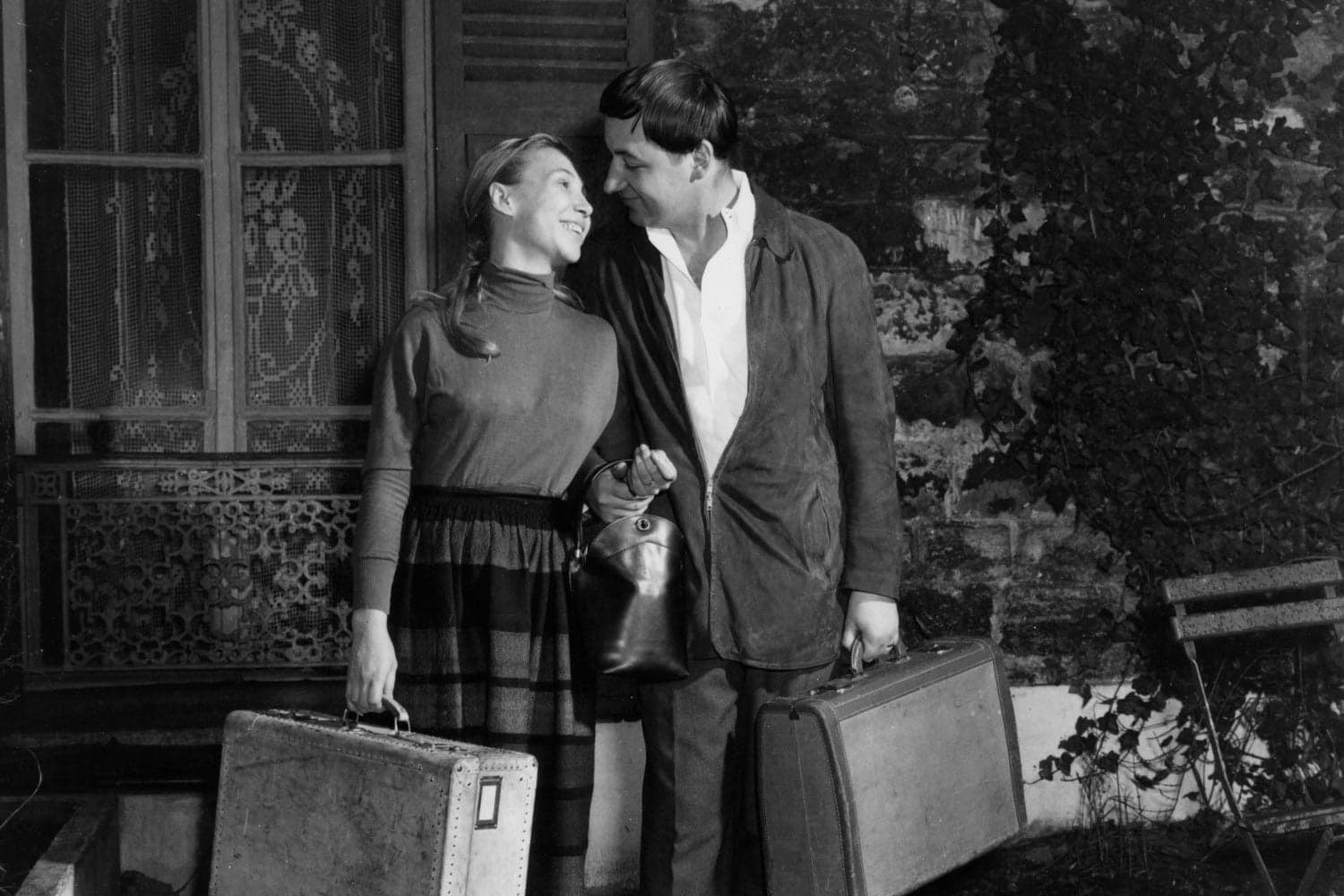
如果能夠,輕輕撕開——新浪潮教母生涯首部劇情長片,早於楚浮與高達的新浪潮先驅之作——這些深深黏附在電影上的另一層皮膚,我們會怎麼觀看、理解,並且描述安妮華達導演的《短角情事》這部電影血肉。或許我們會看到,電影本是一禎禎,精心編排的畫面,就像安妮華達說的,「我拍照或拍電影,或將電影放到照片去,又或把照片放到電影裡。」
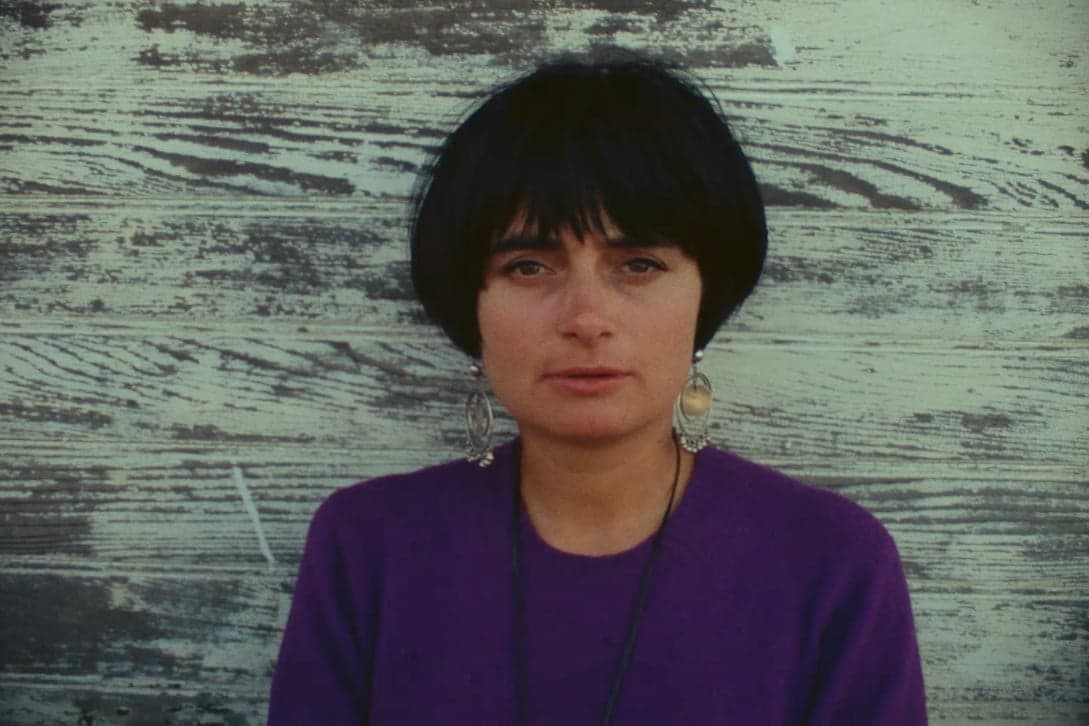
當時的法國電影圈從製片、導演、工作人員,再到影評人、電影史學家,清一色是男性,華達是 1958-1962 年間唯一一位拍攝長片的女導演。成名作《五點到七點的克萊歐》距離她第一部作品隔了七年(期間三部短片有兩部是觀光局委製),正是因為她不被看重,找不到資金,最後不得不靠先生傑克德米引薦當時新浪潮電影的製作人博勒加德。
When dazzling colors fill the screen, black and white becomes strikingly radiant.
Love can bear the sweetest fruits, or plunge life into the deepest abyss. How do you face the questions that love brings? Will you choose to move forward hand in hand with your partner— or walk away, once and for all?

“I live by my own standards—not by men’s.” She was a director, a cinematographer, a poet, an installation artist, a key figure of the French New Wave. She was a woman. She filmed her muses, scavengers, drifters, distant uncles, lost lovers—and herself. She wandered through the Left Bank of Paris, strolled down Rue Daguerre, flew to San Francisco and Cuba, and eventually returned to the beach she loved most. She was Agnès Varda. This August, Giloo presents 14 handpicked works by Varda—black and white, color, documentary, fiction, film stock, and DV. Two years after her farewell, we invite you to once again meet her—at her sharpest, and her kindest.