2001
Vienna International Film Festival
維也納電影獎

Directed by 瑪汀娜・庫德拉塞
維也納電影獎

1:29:00 這段話表面上談及電影創作本身的各種現實困境,但瑪雅黛倫談論此卻並非在分享工作花絮,而是指出攝影機這個大到不能忽視的機具,以其量體的存在和操作上的身體性,本質性地介入了創作出來的事物本身。
1:23:00 紀錄片中陸續出現的著有《英雄旅程》的神話學家喬瑟夫坎伯、人類學家米德、和巴蘭欽、阿什顿齊名的安東尼.都鐸、前衛音樂家約翰凱吉......等名字,除了是瑪雅黛倫生平裡一些際遇,亦以各個領域的匯聚透露了她作品的多層性,也還進一步地呈現當時對於實驗與藝術的創新氛圍。
23:00 flower children指60年代舊金山懷抱理想主義的年輕人,他們身上戴著花、送花給路上的行人,用花來指涉愛與和平,這個意象來自當年反越戰示威的遊行者遞給武裝警察花而的影像。金斯伯格的作品中也曾有「flower power」一詞指和平地對抗戰爭的殘酷。在這裡用這個詞,滿切題地表達了友人眼中瑪雅黛倫的純真卻充滿力量。
18:00 藝術經銷商Galka Scheyer和康定斯基、克利、亞倫斯基在1923年成立了〈藍騎士〉團體的後繼者「四藍者」(Die Blaue Vier)(藍四人),是很重要的一場藝術運動。
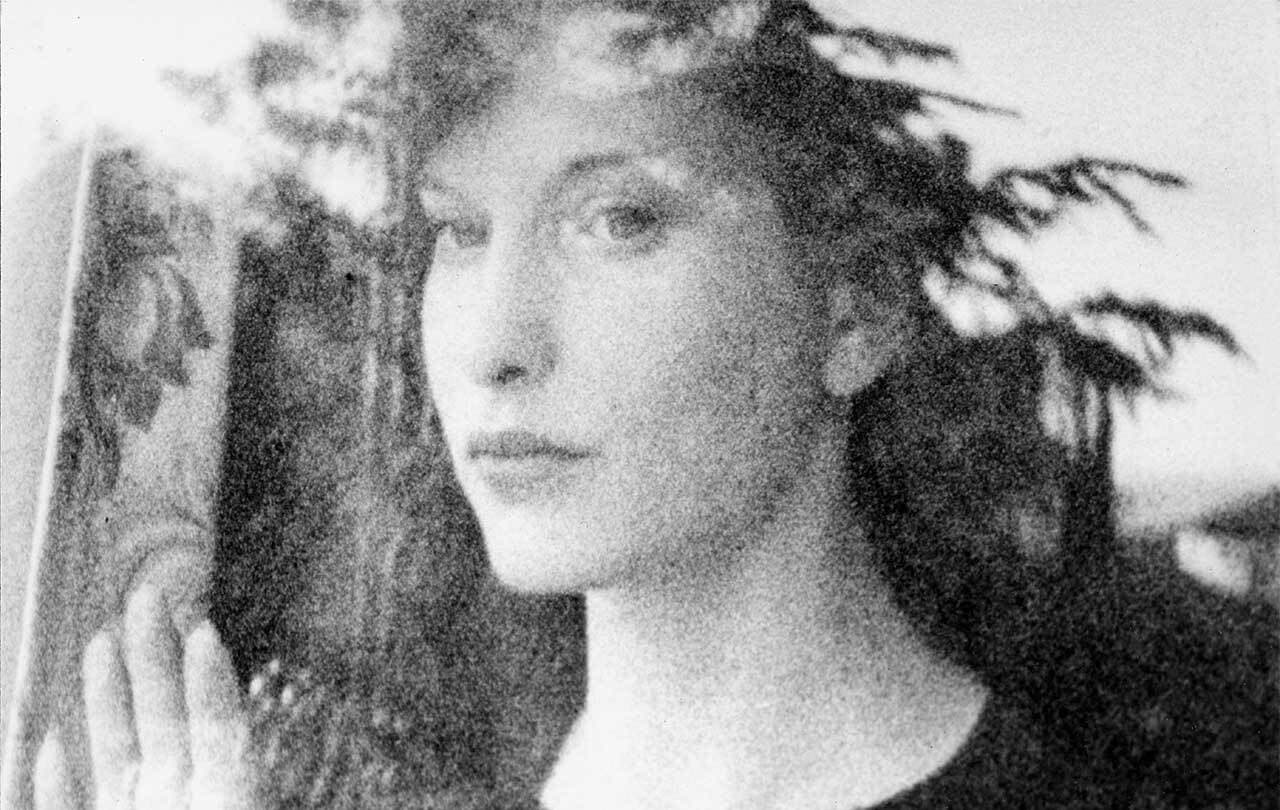
4:00 《午後的迷惘》Meshes of the Afternoon又譯「午後的羅網」,這部實驗電影沒有劇本,卻不斷幻變、交錯層疊地作為複雜迷宮,這其實也回應著電影中那個一層又一層的夢境--無法事先規劃,只能在絞揉的繁複中持續長出新一個世界。
《瑪雅黛倫之鏡》以「揭開面紗,裡面有我們不知道的東西」起頭,以「我們對她的每一種猜想和詮釋」作結,我們試圖趨近瑪雅黛倫的生命和電影,就像貫穿全片的流水意象,從具體的波動形貌,逐漸轉為抽象的光點閃爍。神秘、無解、令人暈眩。意識震顫的某些瞬間,我們完全懂得她的執迷和漂浮。如果我們不試圖說出來,我們就不會醒來。
瑪雅.黛倫現實裡不顧一切奔赴的偏執,電影中不斷背離或應和的命題,同樣使我傾心。她是詩人、舞者、前衛電影之母,她的創造力和她的傳聞一樣繁盛,留下巫毒祭司的美艷形象與啟發美國實驗電影深遠的作品。《瑪雅黛倫之鏡》最令我難忘的是她說話的節奏和韻律,還有撐起每一個字的情感和信念的份量。而這一篇報導,摘錄了瑪雅.黛倫對於生命和電影的探究和省思,可以親近她的心靈結構。 https://www.themarginalian.org/2015/01/23/maya-deren-advice-on-film-letter/
瑪雅.黛倫企圖以主觀直覺來發展抽象結構。她認為電影如同詩歌,對主體或情境做的是垂直的剖析。她在〈Cinematography: the creative use of reality〉一文提及:「電影中,我們從辨識某一現實開始,而後緊跟著知識及態度開始演動,只有這樣,對此一現實的觀點才開始產生意義。」她放棄了水平開展情節或關係的敘事模式,而是透過影像中的時間去延伸空間,也以空間去創造時間,呈現「人的精神脫離時間宰制」的存活狀態。
瑪雅.黛倫在她早期的作品裡自編自導自演,她和她的眾多分身相互追獵:《午後的羅網》她拿起手上的刀子,刺向沉睡中的另一個自己。《陸地上》的她偷了棋子,有人也跟她一樣。一個追逐一個,直到轉過身來,發現自己在追逐自己。她的電影像是心緒或意念憑藉發生的一處傷口:女人是永恆分裂的主體,自己包覆自己、跟從自己、失落自己。
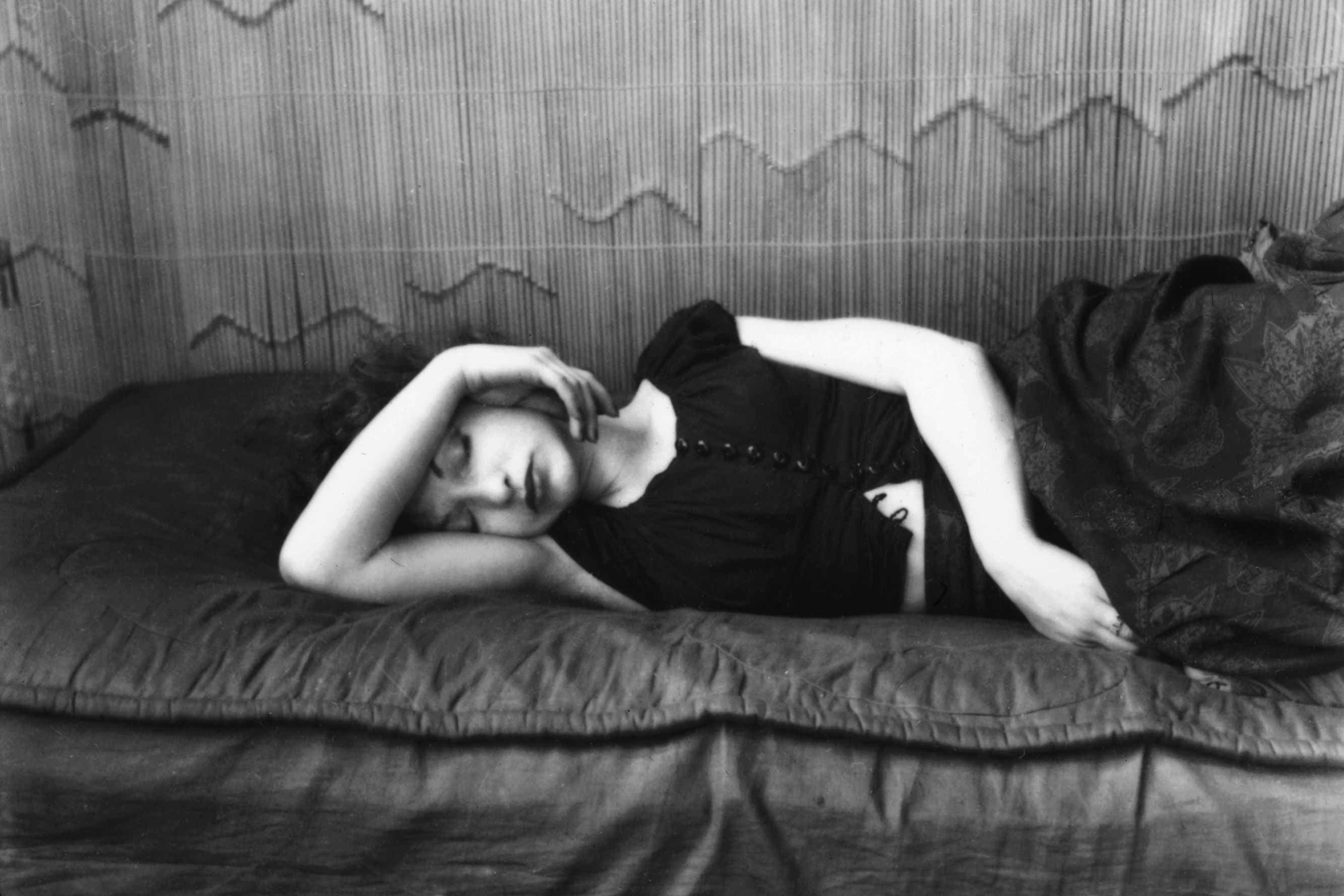
瑪雅黛倫(Maya Deren)以前衛電影聞名,一生作品不多,共七支短片。她以生命的向度,編織關於夢、女性及身體的羅網,在思緒與影像被時間解散之際,輕輕地將其網羅。而《瑪雅黛倫之鏡》(In the Mirror of Maya Deren, 2001)是捕夢網的一種形變(metamorphosis),它將圓框內的絲線填滿,成為明鏡,映照瑪雅黛倫一生的所思所緒,折射出她創作內涵的多重光芒。
Movement arises from the everyday—originating from the body. The relationship between body and daily life influences our emotions, perceptions, and connections with others. Through the lens of documentaries and the eyes of an observer, we revisit the messages often overlooked in our fast-paced lives. These films explore how the body shapes our sense of being, inviting us to reflect on different ways of living. "Memory of the Body – The Rhythm of Life Film Festival", co-curated by Cloud Gate Dance School and Giloo, invites you to rediscover the rhythm between body and life. Awaken your senses and reconnect with the essence of living.
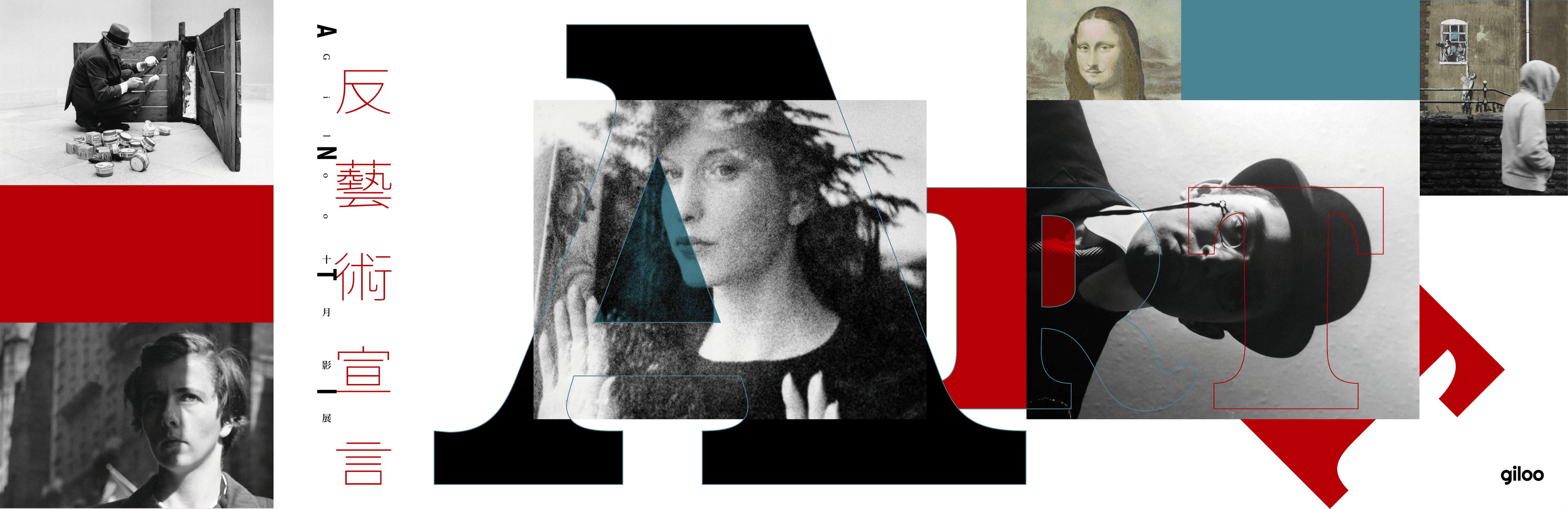
"I force myself to contradict myself—so as not to follow my own taste." For over 30 years, no one has truly known the identity of the world-renowned street artist Banksy. A mysterious nanny turned out to be one of the greatest street photographers of our time. Duchamp shocked the world by placing a signed urinal in a gallery and drawing a mustache on the Mona Lisa—his so-called “anti-art” exploded all previous definitions. And the pioneers of the Fluxus movement? They insisted they weren’t against art, but against pretense. So what is art? And what isn’t? Giloo presents 8 documentaries on radical artists who broke every rule to ask that very question. And perhaps, as Duchamp once said—everything is art.
When dazzling colors fill the screen, black and white becomes strikingly radiant.
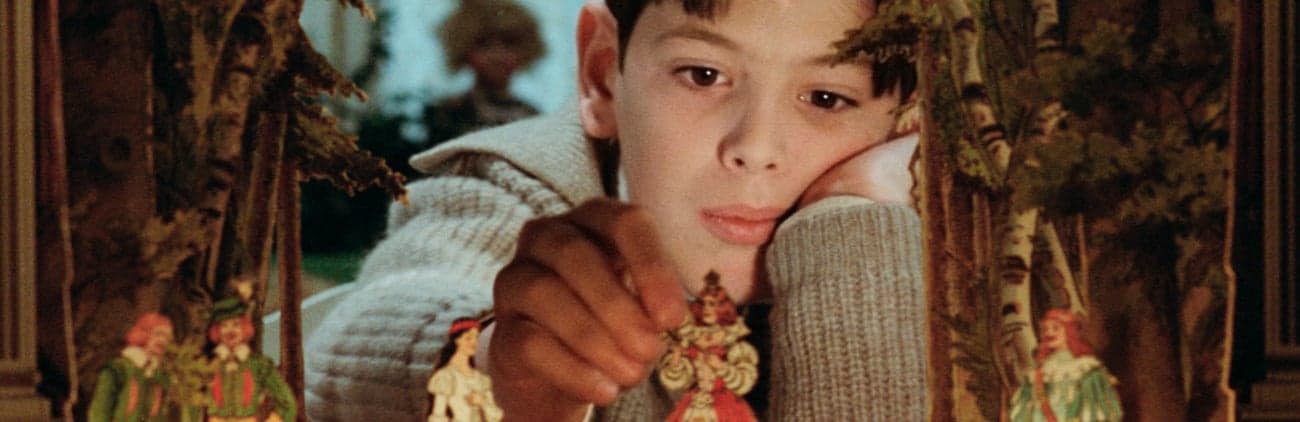
Cinema is made by people—and film history has been forever shaped by them. Giloo presents a selection of seven documentaries on legendary filmmakers, tracing the evolution of cinema through their lives and visions.