1995
Golden Horse Awards
最佳男主角、最佳原創電影音樂|最佳劇情片、最佳導演 、最佳女配角、最佳原著劇本、最佳錄音提名

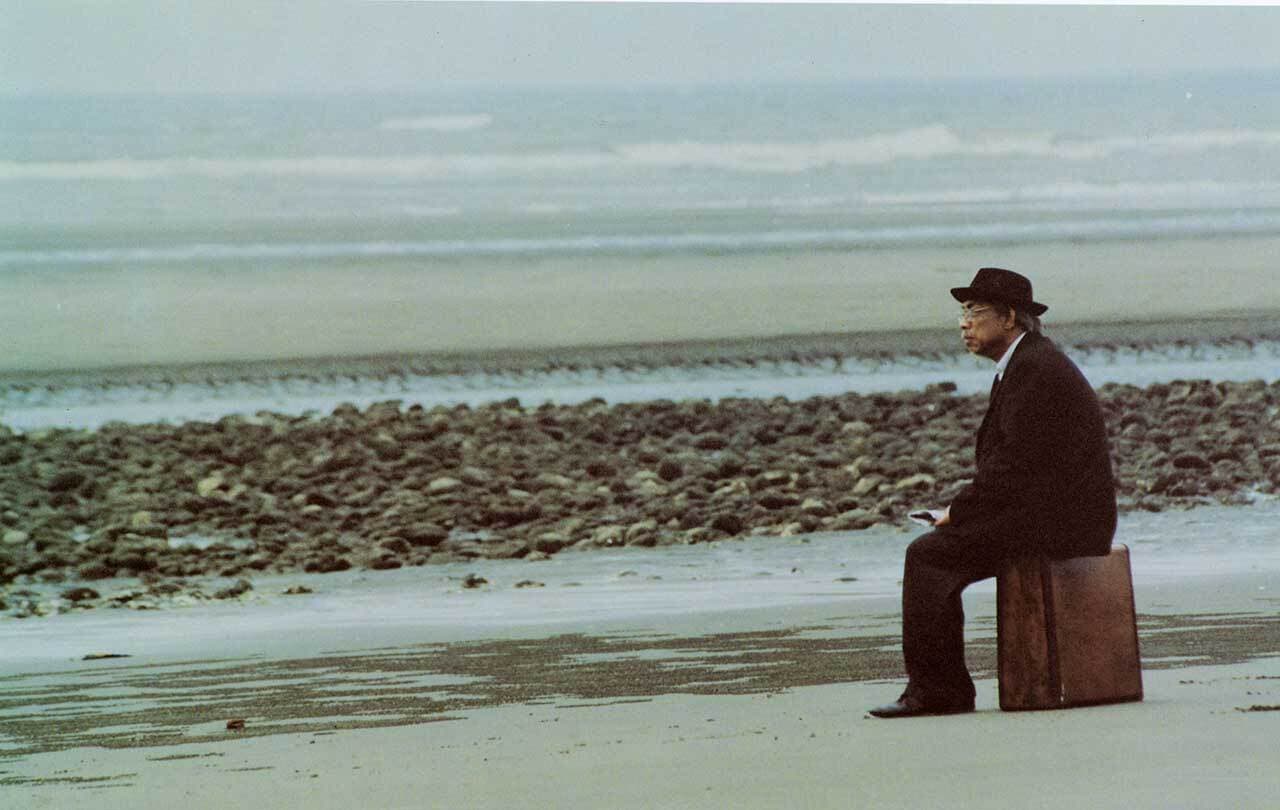
Directed by 萬仁
最佳男主角、最佳原創電影音樂|最佳劇情片、最佳導演 、最佳女配角、最佳原著劇本、最佳錄音提名

看完《超級大國民》,心裡最糾結、最難過的,是活下來的人與家屬所受到的二次傷害。許毅生背負著害死摯友的罪惡感活了三十年,但對他的女兒來說,這個父親帶給家庭的卻是名譽破滅與長年的缺席。再去探望老友之墓前女兒的控訴,無比心酸。 這部電影不只呈現了個人靈魂的折磨,更血淋淋地揭開了白色恐怖下被時代碾碎的無數家庭與熱血青年。看著昔日為理想犧牲的鮮血,對照如今嘈雜的現代社會,心中滿是沉痛與不捨。
再次看見萬仁導演的作品...依舊對於敘事手法感到相當敬佩 全片平淡的情緒,彷彿代表著這段無法言說的歷史以及長年壓抑的情緒及不公 大家都值得一看的白恐紀錄片,觀後會陷入深深的思考
深具歷史和情感深度的電影。不僅是一部個人故事,更是對台灣歷史創傷的深刻反思。
又是以白色恐怖為題材的佳作。電影以許毅生找尋陳政一葬身處為主線,中間插入大量男主角的回憶,幫助觀眾捋清主線的前因後果。 我印象深刻的是青年公園,原名馬場町,原是追求理想政治之青年流血之地,現以青年公園命名,甚是諷刺。 政治究竟是什麼?片中許毅生的女婿給出了他的答案:政治是生意。反映了戒嚴後台灣政治環境的混亂,各界暗潮洶湧,想從政撈取利益。
《超級大國民》以「夢」的敘事結構,從 1950 年代青年入獄、槍決的白色恐怖時期,跨越至 1990 年代出獄後的黑金政治。政治犯許毅生因參加讀書會而被警總逮捕,並在殘酷刑求之下招供另一位讀書會成員陳政一。許桑在六張犁亂葬崗的獨白「活著的人,除了比你們多了一口氣之外,命運和你們一樣。」在本片也可以看到政治犯女性家屬(妻女),她們是「獄外之囚」被貼上「叛亂家庭」的污名標籤,承受戒嚴時代社會集體的歧視和鎮壓。
你一定會注意到電影海報中,陳政一高舉「2、1」那雙引人注目的手勢。就是暗指臺灣史上最惡名昭彰的法律「二條一」。 1949 年時,政府頒布《懲治叛亂條例》,其中第 5 條規定:「參加叛亂之組織或集會者,處無期徒刑或十年以上有期徒刑。」白話來說,你只要被認定參加「叛亂組織」(像是讀書會),就有可能被判無期徒刑。 如果又曾有「顛覆政府」的言行,則是直接適用「二條一」,也就是《懲治叛亂條例》第 2 條第 1 項:「犯刑法第 100 條第 1 項、第 101 條第 1 項、第 103 條第 1 項、第 104 條第 1 項之罪者,處死刑。」 在當時,只要犯了上述的罪名,通通從普通法的刑法,改為適用特別法的「唯一死刑」。
武裝接管臺灣的中國國民黨政府保安司令部(警備總部前身)保安處接收日治時期的「東本願寺」(現為西門町獅子林百貨公司),用以訊問、關押政治犯。 可以騎單車、欣賞新店溪的「馬場町」河堤邊(現為青年公園一帶),是戒嚴時期的刑場。 警備總部軍法處、日據時代的陸軍倉庫(現為台北喜來登大飯店)。
在《電影裡的人權關鍵字:超級大國民》一書中,挑選了十二個關鍵字: 戒嚴體制、思想犯、二條一、獄外之囚、馬場町、不義遺址、負罪生還者、幻肢痛、台籍日本兵、補償條例、平反運動、黑金政治。
2020 年國家電影及視聽文化中心與韓國映像資料院(Korean Film Archive, KOFA)合作「電影中的城市:臺北」。其中《超級大國民》被選入「轉變中的臺北」,作為 1980 至 1990 年代中期的新浪潮電影代表之一。 https://punchline.asia/archives/56196
 哪部電影最「台北」?影視聽中心選了這 17 部讓韓國影迷線上看
On August 28, 1982, Time Story premiered, marking the beginning of the Taiwan New Cinema Movement. In the summer of 2022, HIDE & SEEK AUDIOVISUAL ART released The Time Ahead: A Memo to 40 Years of Taiwan New Cinema, revisiting this pivotal era through 20 key concepts. In the fall, the Taiwan Film and Audiovisual Institute will present a special retrospective titled When New Cinema Begins Again: 40 Years of Taiwan New Cinema, uncovering many long-overlooked gems hidden in the corners of film history. Between summer and fall, TFAI and HIDE & SEEK AUDIOVISUAL ART join forces to present 16 titles—films both representative of Taiwan New Cinema and those reflecting on the movement itself—inviting audiences to engage with its legacy and imagine the decades of cinema still to come.
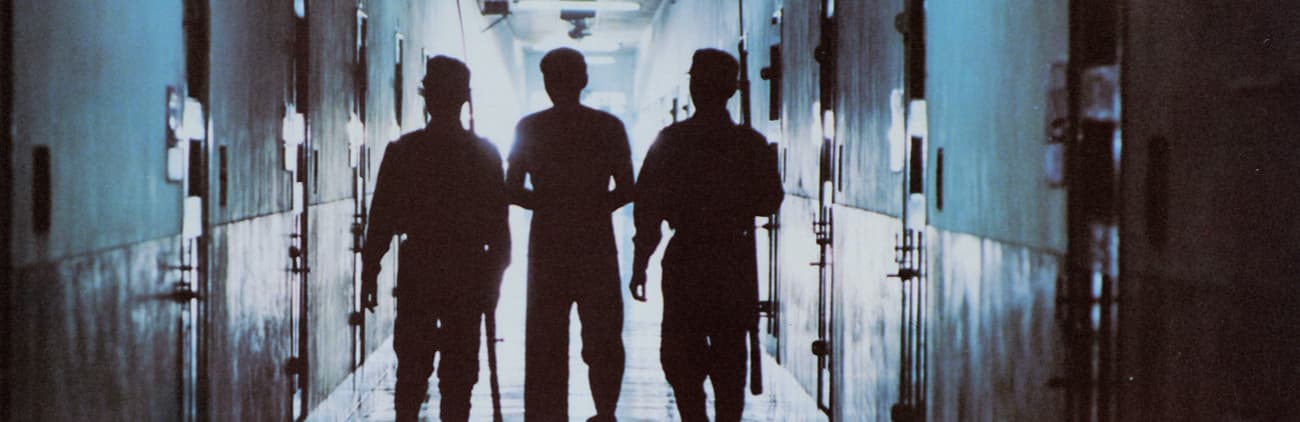
What is Taiwan? What does Taiwan hold? The answer depends on how we understand its transformations. Giloo presents a curated selection of ten documentaries tracing Taiwan’s political evolution—offering multifaceted, in-depth perspectives on the island’s past and present. Through these films, we witness the struggles and resilience of the Taiwanese people, uncover the richness of the land, confront long-standing issues, and face the challenges that continue to shape Taiwan’s identity today.
For those of us who love music, beyond immersing ourselves in listening and appreciation—have we ever wondered what sounds and music have gone through in their journey of development? From modern-day film sound designers to distant Cuban musicians, we trace the evolution of music back to the origins of Taiwan’s pop music in the 1930s—before it was abruptly silenced by war. We continue through the political upheavals of the 1950s, and finally return to the most intimate sound we all encounter: conversations with our family. (Photo courtesy of: Taiwan Beats)
Period of Martial Law began in 1949 and lingered in Taiwan for nearly 40 years. While maintaining the overall situation, legal, political, and military forces have also left indelible scars in society. Martial law was lifted in 1987, but the scars will not recover automatically. We should always look back and remember how those painful memories led us to freedom. Taking this as a theme, we selected four Taiwanese films to describe the suffering and impact of Martial Law. Also, the classic Blind Chance by Polish director Krzysztof Kieślowski was chosen to present how human beings are at a loss for fate under the cross-national totalitarian rule.
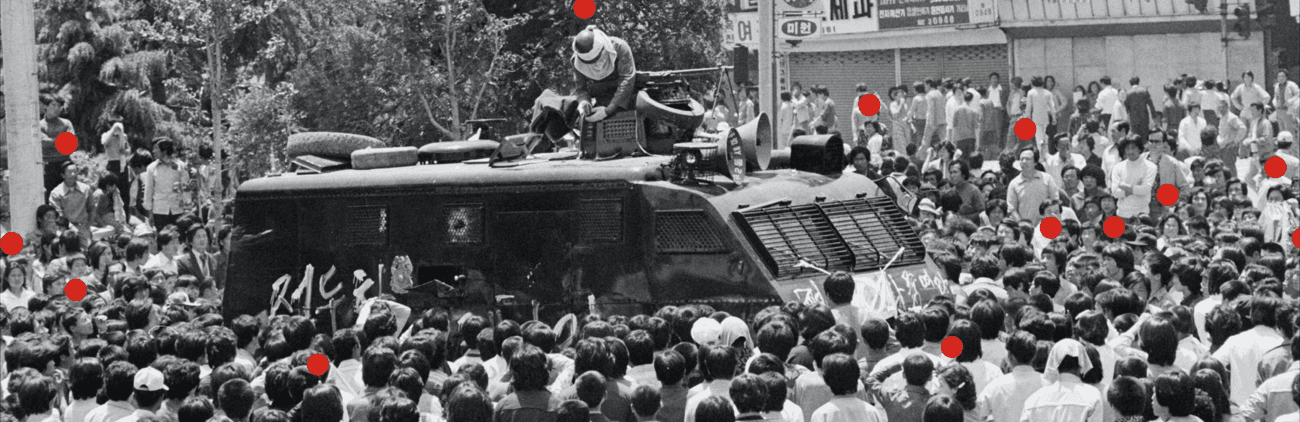
In the process of democratic transition or operation, it is crucial to examine how past regimes or collective atmospheres have violated human rights. Tracing a nation’s dark history is not about seeking revenge, but about rewriting collective memory to reflect on systemic failures and prevent history from repeating itself. It is also a way to restore the innocence of victims and begin a dialogue of reconciliation through the wounds torn open by past atrocities—so that we may learn to coexist. Giloo Documentaries presents a curated selection of films on transitional justice, hoping that those of us living in today’s democracy will better cherish the hard-earned freedom in Taiwan.
The recent buzz around “the multiverse” ultimately points to something simple yet profound: our lives are shaped by the choices we make—big or small, moment by moment. Each film in this selection invites you to reflect on your own path. Was there a decision you made at a certain time that led you to become who you are today? And have you ever found yourself wondering— what if I had chosen differently? What would my life look like now?
.jpg&w=3840&q=75)
The masters of cinema have walked through the river of light and shadow, leaving behind traces that time cannot erase. Their reflections on film are already sealed within every frame they captured. Giloo presents a selection of restored classics from Taiwan—films that carry not only cinematic legacy, but also fragments of memory, identity, and land. Whether these works are part of your earliest film awakenings or a first encounter, they invite you to rediscover your connection to both self and home. Step aboard the reel, and journey back to the golden years—belonging to both Taiwan, and to cinema itself.
It all started as a joke: “Will people say this is too Taiwanese?” After all, we’re the ones always afraid of being boring or too slow— and yet here we are, gritting our teeth and programming a lineup of gloriously slow cinema. But some stories can’t be skipped. Some lessons, no matter how painful, you just have to get through. Taiwan’s inner angst is like a deep bruise beneath the skin—long-settled and hard to press out. Sometimes, you just need a hot young masseur to work it loose. Whether you end up loving, hating, or feeling nothing at all about Taiwan, we invite you to revisit its joy, rage, sorrow, and everything in between. This film festival is like a sketchy pair of hands passing you crib notes under the table—an attempt to loosen what refuses to unclench, to summarize the unsummarizable.