2014
Academy Awards (Oscars)
最佳紀錄長片提名

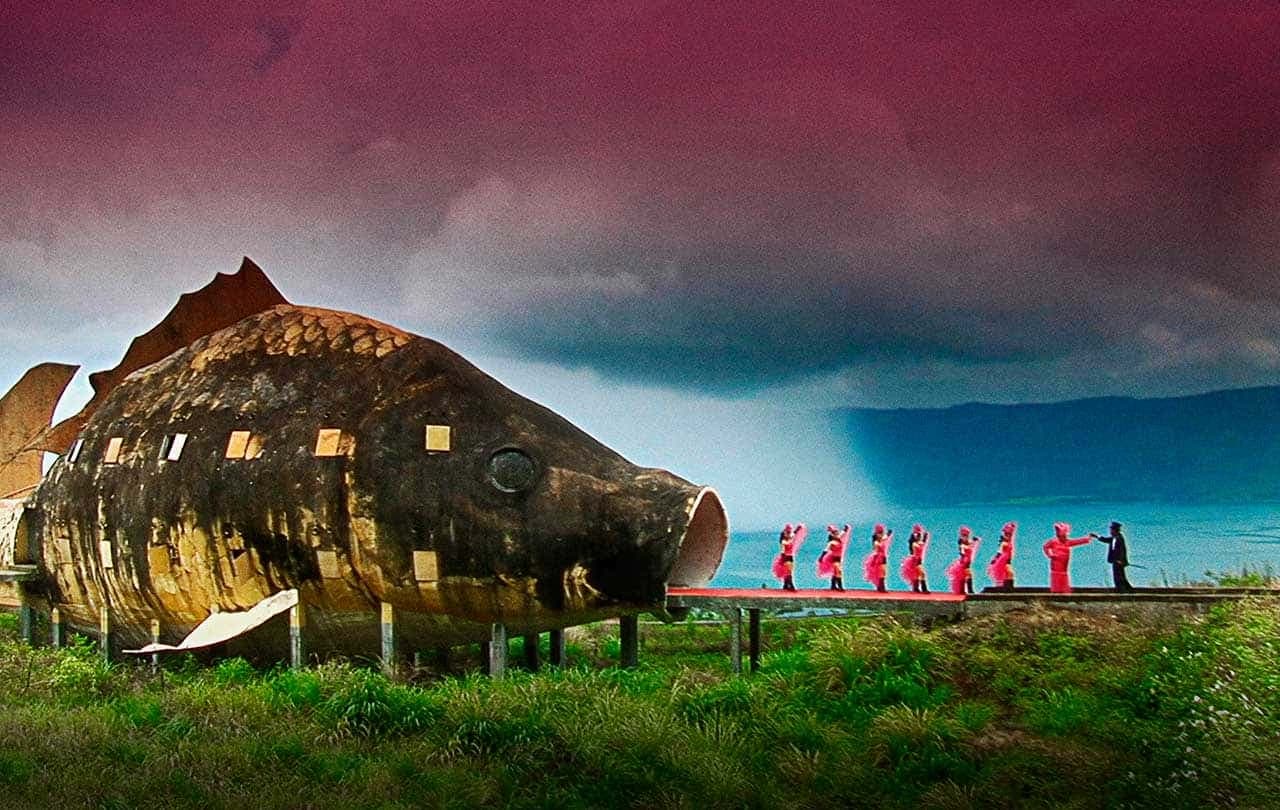
Directed by 約書亞・奧本海默
最佳紀錄長片提名
國際競賽單元首獎|市長獎

關於東南亞冷戰與排華的作品 與台灣相同,二戰後的東南亞在美國與中國勢力的包夾之下,成為冷戰體系的一份子。非屬共產黨國家的新加坡、馬來西亞、緬甸、印尼、泰國等,若非軍事統治,就是揮舞國家安全大旗,鎮壓左翼份子,其中,充滿各種無以名之的鎮壓行動與事件。東南亞紀錄片創作者漸漸以此為題,將這些晦暗仍不見光的歷史紀錄下來,包含泰國的《空洞的時間》、新加坡的《星國戀》、馬來西亞的《還有一些樹》跟《浪漫情懷》(Romantik ISA),前三部影片皆於TIDF放映過。
因930事件,無法進入印尼的美國人 導演約書亞歐本海默在印尼拍攝時,一直受到軍人和警察騷擾,拍完後,也不斷受到激進份子的威脅恐嚇,而無法進入印尼。但不只他如此,以印尼為田野的知名學者Benedict Anderson就曾質疑1965年9月30日當晚的軍事政變與共產黨無關,只是印尼軍方內部的矛盾與鬥爭,因而與康乃爾大學同事共寫了《康乃爾報告(The Cornell Paper)》,自然遭到蘇哈托政府駁斥,他也因此被禁止入境印尼長達30年。
印尼的轉型正義 2007年,蘇西洛擔任總統期間,印尼人權委員會針對930事件進行首次調查,2012年才公布報告,距離事件發生已將近五十年,但僅只是公布調查結果,官方無所表示。而正也是這一年,《殺人一舉》問世。另外,2014年,《沈默一瞬》上映那年,總統候選人佐科威曾經承諾當選後會認真處理這個議題,但就任總統後,佐科威政權仍然是迴避了責任追究的問題,就只是舉辦了官方的研討會,以及鼓勵大眾多拍930事件題材的電影。轉型正義遙遙無期。
審查 擔心遭禁,《殺人一舉》並未送審,但也無法進行商業上映,只能透過民間團體在印尼境內小規模播放──而《沈默一瞬》亦循此路,但被警方檢舉後,被印尼電影審查機構(Film Censorship Institute, LSF)裁決為禁片,須補充的是,LSF前身電影審查委員會(Film Censorship Board ,BSF)正是930事件發生那一年(1965)蘇卡諾所創。而《殺人一舉》的加害者安華,也與電影、戲院相關,在劇中談述如何透過電影洗腦。
930事件 《殺人一舉》的背景是發生於1965年的930事件,印尼稱為G30S/PKI(9月30日印尼共產黨)。此一事件指的是當夜至10月1日凌晨的軍事政變行動。印尼軍方宣稱政變是由印共主導,讓左傾的軍方勢力得以殺害最高軍事將領。親共的印尼建國者蘇卡諾不久遭到推翻,由蘇哈托取得權力。政變發生後,蘇哈托立刻針對境內的共產黨、左翼份子、華人展開「反共清洗」,不久即取得政權。而鎮壓左翼的行動,則長達十年之久。死亡人數估計有五十萬。此外,根據2017年的解密檔案,這一事件的發生,和美國有關。
《殺人一舉》片中受訪的行刑者安華參與此計畫時,相信他們要拍一部關於大屠殺的愛情電影,甚至這部片還有個片名叫《Arsan and Aminah》。2007年安華接受電視台受訪時,這部不存在之電影的海報還掛在牆上。
《殺人一舉》最常受到的外界批評有三: 批評之一,只呈現加害者觀點。 因而導演奧本海默於2014年完成的另一部片《沈默一瞬》某種程度回應此批評,轉而聚焦受害者和倖存者觀點。然而,此拍攝計畫的研究與訪談工作,乃是從大屠殺的受害者展開的。導演在訪談過程中發現受害者相當抗拒說出過去的經驗,且在當前的印尼社會氛圍下,說出受害經驗乃是危險的。因此讓他開始思考另一個問題:在多大程度上,呈現加害者的聲音是可被接受的? 批評之二:電影重演喪心病狂之事。 但正因為屠殺歷史的缺席與不可見,使得「重演」讓消失的歷史現身;而重演的過程也像是某種(揭示罪狀)的「告解」——此種告解主要透過加害者的肢體語言和眼神,而非口語和文字。也正因為印尼此種「加害者未曾被審判與檢視」的社會氛圍下,或許透過此方式才能夠某種程度將邪惡「定罪」。 批評之三:導演立場的缺席。 由於整部電影幾乎是由加害者的詮釋組成,沒有任何針對其行徑的批評和譴責。但導演解釋他的目的乃在於「為創傷的歷史開啟對話」,並認為若要認識所謂的邪惡、理解人類如何行惡,必須先真正地深刻望向那為惡之人。
《殺人一舉》雖然關於印尼重要的歷史事件,但未曾正式在印尼的院線放映,因為影片觸及的議題被官方電影審查部門查禁。印尼境內僅有由製片方、人權組織等獨立籌劃的小型放映。關於這部電影在印尼境內的相關討論,只有三家主流媒體持正面的態度,包括兩家英文媒體《Jakarta Post》、《Jakarta Globe》,以及一家印尼媒體《Tempo》。
1960年代的印尼共產黨(Partai Kommunis Indonesia,PKI)是當時以蘇聯為首的社會主義陣營(Communist bloc)之外最大的共產勢力,擁有三百萬黨員,一千八百萬支持者。930事件與後續發生於1965-1966年間以反共為名的大屠殺,印尼官方未曾設立任何紀念碑或紀念館,沒有審判與裁決、沒有任何轉型正義的過程,更沒有行刑者被制裁、定罪。蘇哈托的「新秩序」獨裁統治印尼超過三十年,許多當年犯下罪行的人仍升官進爵。唯一與此事件相關的紀念碑乃是紀念七名親蘇哈托的軍官在鱷魚洞(Lubang Buaya)被謀殺。
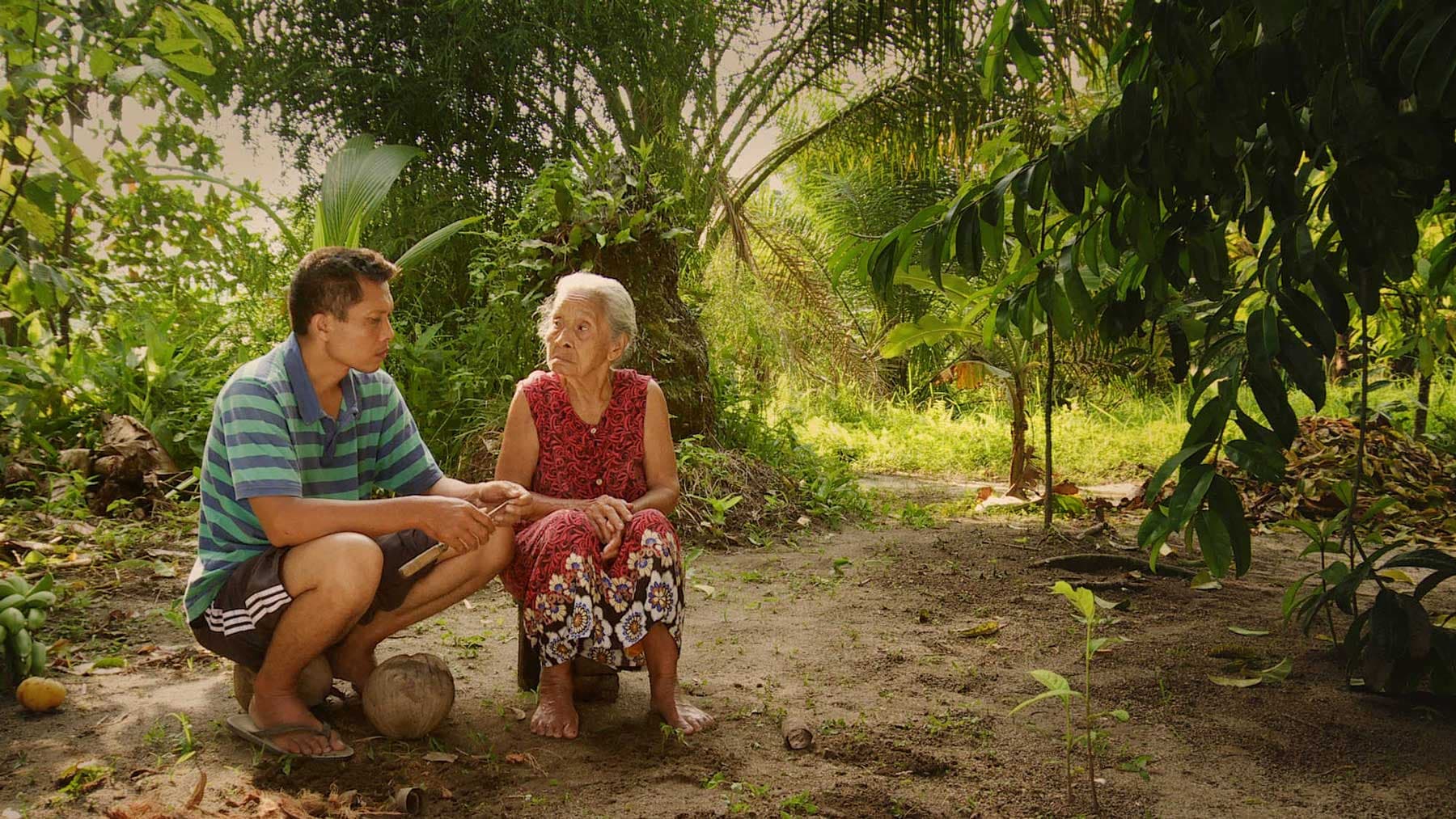
在我家,媽媽說的不是三隻小豬、龜兔賽跑這類的童話故事,而是輾轉住到別人家,那家人如何慷慨施捨,在她上學的課本夾了鈔票、救濟其他難民、最後仍是家道中落⋯⋯這些故事沒有道理可言。等到我長大以後,才開始有了更多細節,問她那些沒有親戚可以投靠的難民有多少,「大概可以睡滿一個小公園。」我母親一家從印尼加里曼丹鄉下⋯⋯
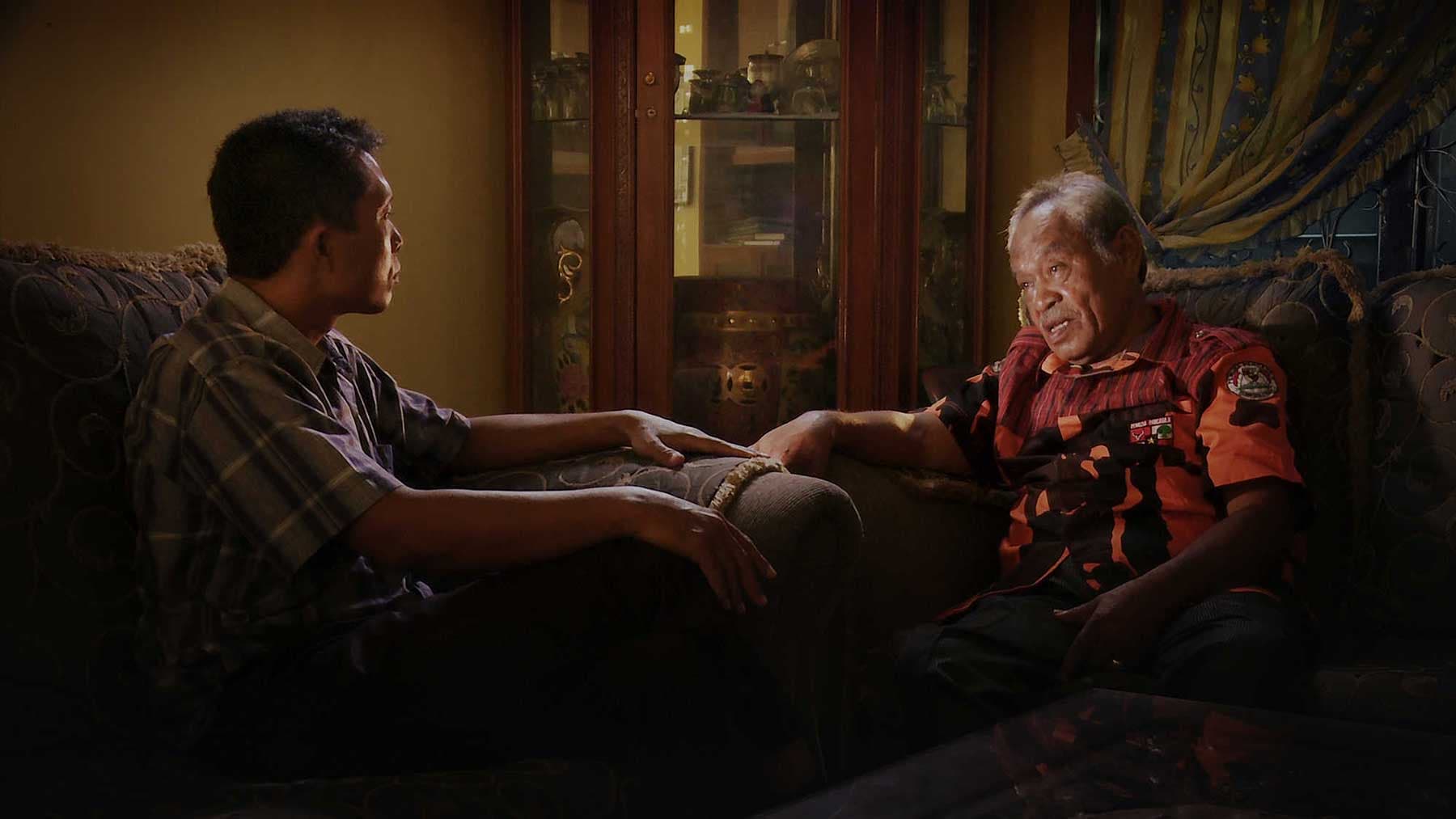
美國導演約書亞・歐本海默(Joshua Oppenheimer)拍攝印尼「930事件」大屠殺加害者與被迫害者的兩部紀錄片《殺人一舉》(The Act of Killing)與《沉默一瞬》(The Look of Silence),都是令人看完久久無法言語的重量級作品。首部曲《殺人一舉》於2012年發表,鏡頭下印尼前軍閥頭子安華・剛果異想天開將屠⋯⋯

Southeast Asia is rich in culture, rooted in the mainland’s embrace along the Indochinese Peninsula. Emerging from the shadows of colonial rule, many of its nations have blossomed—independent, yet bearing the deep scars of history. Amid the lingering wounds of empire and the continued suppression of free expression, creators transform discontent into poetic language—subtle yet sharp—delivering reality through the lens of documentary. Why not join us on this elusive journey—to experience the magic realism of Southeast Asia, where beauty and resistance intertwine?

This is a labyrinth of underground caves—each one distinct in style, each both a hidden space and a form of revelation. In The River, the cave takes the shape of secret doors—behind each, encounters that are either redemptive or forbidden. In The Act of Killing, the entrance is brutally exposed: a body split open, revealing cruelty with no filter. Before the Dawn offers a cave of mazes—guided by clear narration, and yet, we fall into a thick fog of disoriented images. A Morning in Taipei is a time-traveling cave—Lim Giong’s soundtrack transforms the past into a self-contained cosmos, where even fleeting moments feel eerily contemporary. Marina Abramović in Brazil leads us inward—to the cave within. Through extreme rituals and faith-fueled intensity, she seeks peace, confronting energies too blinding to look at directly.
I want to understand the why, the when, and the how behind these people and these stories. The more we know, the clearer we become about what we want—or don’t want—and where we’re headed. For me, knowing is a form of pleasure.

“Truth” is an eternal theme in many forms of artistic creation—and in documentary filmmaking, it lingers like a ghostly shadow, both elusive and indispensable. Sometimes, it must be borrowed for its power and allure. Yet “truth” never takes on a single form. It resists capture and depiction, and most often, only reveals itself through relentless excavation. In other words, truth is dynamic—shaped by the creator’s deliberate force of expression. The deeper the dive, the clearer the image. Truth in the human world can be inspiring, but it can also be unbearable to witness. That is exactly what these five films in this special program attempt to show us.

Images that appear real—once cut, rearranged, and reassembled—reveal a world flickering with firelight and illusion. A game, a dream— a documentary can also be just that: a dream. In this realm of moving images, where creators weave dreams from fragments of reality, are you the one dreaming? Or have you become part of the dream itself?