2003
Golden Horse Awards
最佳紀錄片

最佳紀錄片

1:27:37 我純派!
1:16:59 喝咖啡、跳舞、開咖啡店......真的是你阿祖比你還潮。所以這也可以想像,這批台灣年輕人戰後受到國民黨統治,感到那種國境(肉身、物理的)和思想的閉塞,有多麼厭煩。甚至可能有點瞧不起?
9:36 愛愛阿嬤!!!!
8:06 這裡字幕不可以這樣翻,愛愛阿嬤明明是說「日本時代」,但它翻「日據」。經理,經理,幫我叫Giloo經理出來!
7:52 看完這部片後,那個學期,我的大一國文老師,也是敝所現在的張所長,就帶我們到波麗路去期末聚餐。去大稻埕碼頭散步、吹風--也就是朱天心〈古都〉最後崩潰大哭的地方!(你很戲劇化耶,是馬錦濤嗎)
7:33 OMG我的女神純純!!!!!
6:37 而且片子裡說得滿好的,雖然殖民時代的文學的確有很多台灣人被日本人欺負的血跡斑斑,但難以否認的是,也有這樣自由自在的文明空氣,第一次進入台灣人的五臟六腑,甘甜酥爽,立地清涼。這種「殖民現代性」的課題仍然很難解,的確現代性帶來許多美好,但卻是基於殖民需要、符合殖民者框架的自由。加上嗣後國民黨政府的「連續殖民」,讓日本時代在國家層次被批評、在民間卻受褒美。複雜複雜啦。
4:28 李坤城就是之前「爺孫戀」的主角,人家在2003年也是很飄撇的。我是不認識他,但如果你知識這麼淵博,對喜好有所鑽研,有小妹妹甚或小弟弟願意赤誠以待,誰云不宜?好吧這亦是奴家的夢想啦。固然皮相很重要,青春亮麗誰不愛,但青春不再的人就沒資格戀愛嗎?靠自身過硬的才華在關係市場中屹立不倒,難道不才是硬底子真功夫嗎。
3:08 才開場三分鐘我已經寫這麼多筆記,Giloo加錢加錢(亂喊亂叫)。沒啦,剛好跟炫霖聊到,其實戰前台灣人的視野非常大,畢竟整個西太平洋半壁江山都是日本帝國的領土,高校生的卒業旅行可以從庫頁島開始一路南下北海道等日本本土,到朝鮮,到中國,到南洋,再回台灣。知識版圖也是,必修外語分英法德,所以除了讀日譯洋書接觸第一手新知,還能直接以外文吸收。
電影和紀錄片,從來都不只是娛樂。相較於純粹的觀者,願意投身其中的熱情,更需要豐厚的理念支撐。Giloo 邀請到甫以《該死的阿修羅》入圍台北電影獎最佳男配角的莫子儀擔任本月焦點人物。長年關注紀實作品的他,除了飽覽群片,更曾親自演出「他們在島嶼寫作」系列作品。疫情期間仍心繫劇場的莫子儀,在五月的 Live session《夢遊的人》順利落幕後暫時卸下重擔,並接受了 Giloo 的文字訪談,和我們聊聊他眼中的紀錄片,以及影響最深遠的那些作品。
For those of us who love music, beyond immersing ourselves in listening and appreciation—have we ever wondered what sounds and music have gone through in their journey of development? From modern-day film sound designers to distant Cuban musicians, we trace the evolution of music back to the origins of Taiwan’s pop music in the 1930s—before it was abruptly silenced by war. We continue through the political upheavals of the 1950s, and finally return to the most intimate sound we all encounter: conversations with our family. (Photo courtesy of: Taiwan Beats)

There’s something deeply captivating about the light and shadow of a bygone era. Classic and vintage films carry the spirit of 1980s and 1990s Taipei—woven with memories, youth, and the passage of time. Through these images, you’ll catch glimpses of everyday life and the sense of freedom that belonged to that time.

Finding Stillness in Uncertain Times: 10 Curated Films from Our Resident Artists During the pandemic, we’ve found more quiet moments to truly appreciate the beauty of everyday life. Resident artists from the National Theater & Concert Hall have each handpicked a film that resonates deeply with them—inviting you to slow down and reflect during this period of working from home. ▍Huang Yu-Ching: “With limited movement, we are asked to listen more closely to the inner voice of our bodies. Want to watch two snails slowly form a connection? There’s no better time for something this soothing.” ▍Wang Chao-Chien: “The pandemic has made us all more aware of distance—the distance of time, the distance between becoming and performing a role, and the strange moments that define legendary bands. These films help us sit with those feelings and reflect.” ▍Chien Chieh: “They are storytellers, writers, dancers, filmmakers. Documentaries capture an era or linger on a single figure, guiding us closer to ourselves.”
The Women Make Waves International Film Festival in Taiwan is Asia’s first issue-based film festival focusing on women. Since its founding 29 years ago, it has been dedicated not only to promoting women's work in cinema but also to introducing Taiwanese audiences to films rich in gender discourse and humanistic vision. Giloo presents a curated selection of award-winning and officially selected films from the festival — both fiction and documentary — inviting you to revisit and celebrate these powerful works.
Movement arises from the everyday—originating from the body. The relationship between body and daily life influences our emotions, perceptions, and connections with others. Through the lens of documentaries and the eyes of an observer, we revisit the messages often overlooked in our fast-paced lives. These films explore how the body shapes our sense of being, inviting us to reflect on different ways of living. "Memory of the Body – The Rhythm of Life Film Festival", co-curated by Cloud Gate Dance School and Giloo, invites you to rediscover the rhythm between body and life. Awaken your senses and reconnect with the essence of living.
This curated film list centers around the Time Travel Taiwan Series, featuring 13 Taiwanese documentary filmmakers who reinterpret officially archived footage through creative reimagining. By transforming historical images into new narratives, they breathe fresh life into decades past. Audiences are invited to step into a time tunnel — to explore Taiwan’s historical landscapes and witness the sparks ignited by cross-generational dialogue through these experimental visual works.
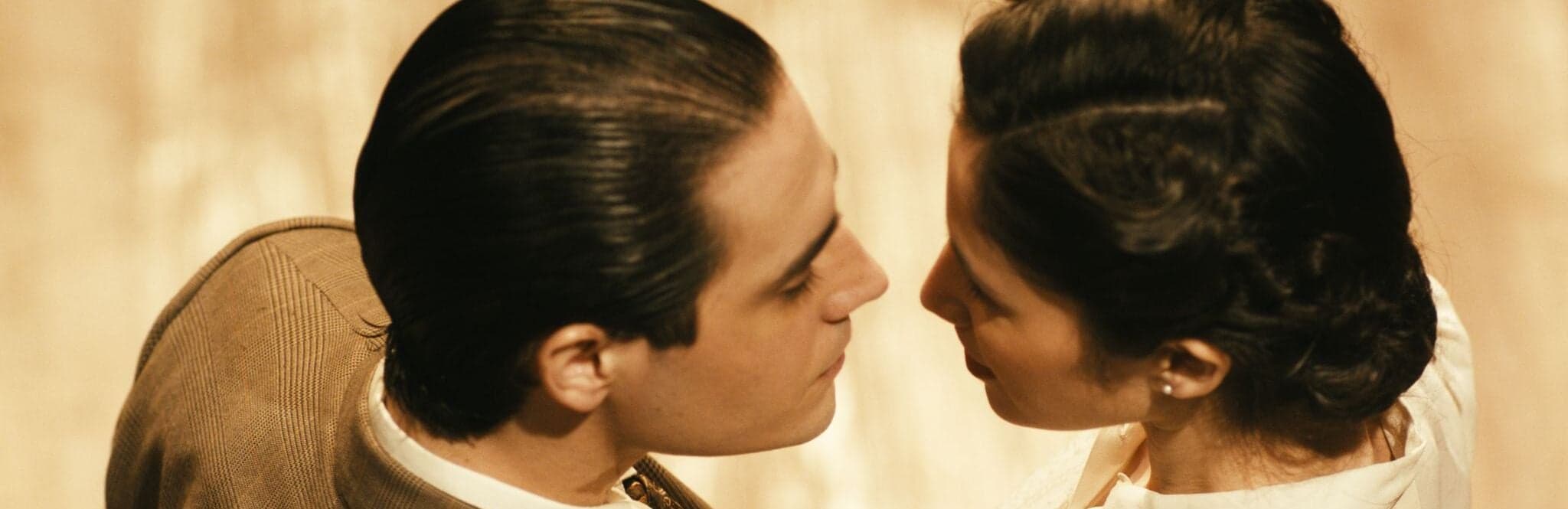
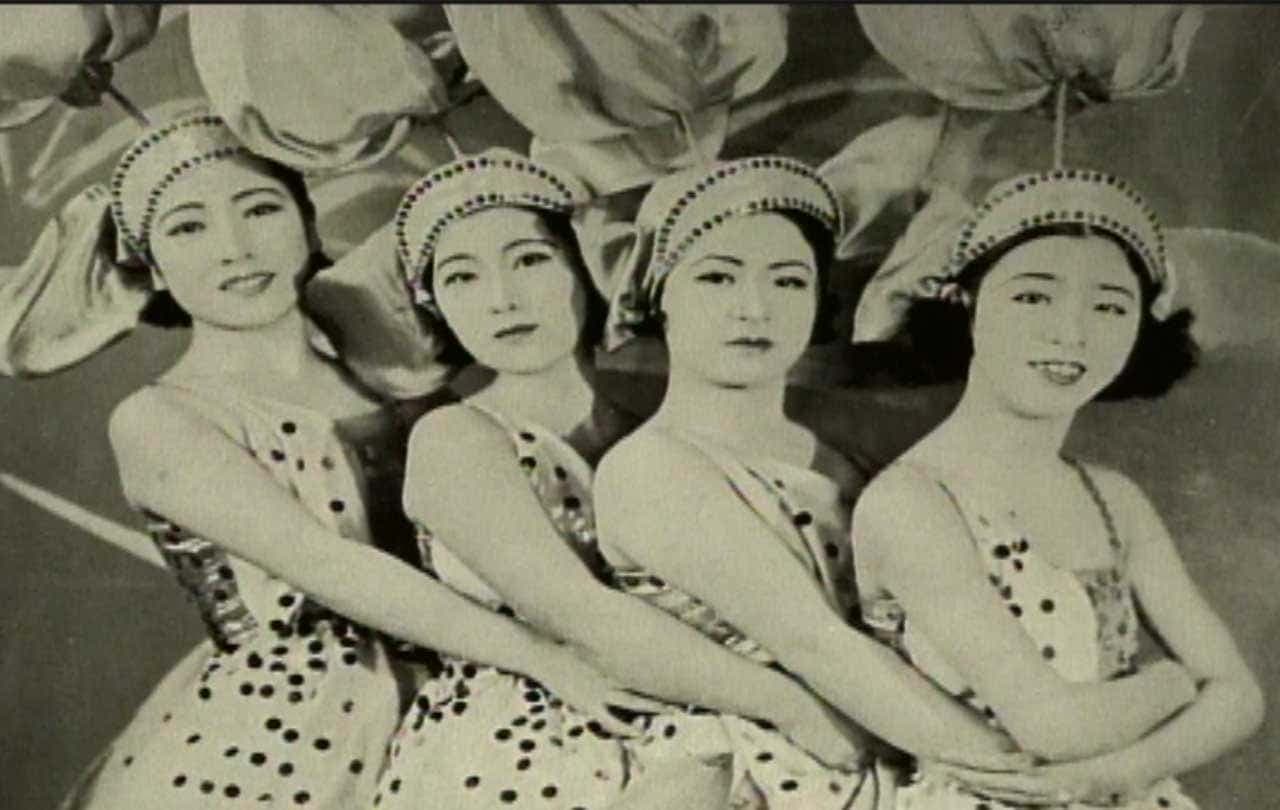
Because we have bodies—we dance. For all the fleeting emotions that language cannot carry, for the sighs that slip between chest and lips, for the searing songs that burn holes in our tongues, when words and sound fall short, the human body rises—our hands begin to speak, our feet begin to move. In the early 20th century, the phonograph arrived in Taiwan from Japan. Records traveled by train to Yilan. In Shanghai, Tokyo, and Taipei, stylish men and women danced the foxtrot. Desires became modern, love became free—by the riverside, in spring dreams, we declared: We are civilized women. Taiwan had entered the age of dance. But dancing isn’t always freedom. Japanese dancer Genjyu Hanayagi woke a sleeping dog with her body. She hadn’t yet shed the kimono—the garment shaped by a feudal system that once bound women. But the kimono would never devour her. As long as she danced, she could swallow discrimination whole. Argentinian tango queen María Nieves put on her flowing dress and danced her way out of poverty, out of the milonga halls, onto Broadway. It took her half a century to reclaim her steps—through deadly embraces and long gazes, through love and hate, intimacy and estrangement. Only when the music stopped did she find her freedom. When women aren’t dancing, is the body a work of art? A doll? The women photographed by the bad boy Helmut Newton dance even in stillness. He stares through the viewfinder—at them, at himself. Their gazes meet, a tango of vision. To gaze is to reclaim space for the body. Snails need no eyes to stake their claim in the world. They dance a love never known before—pure, entangled, silent. They lick the edges of dusk and morning, drawing desire in trails of slime. I love watching dance—sometimes I dance wildly myself. In these five documentaries, in their movements, I feel it again: the body being born. And with it, connection.
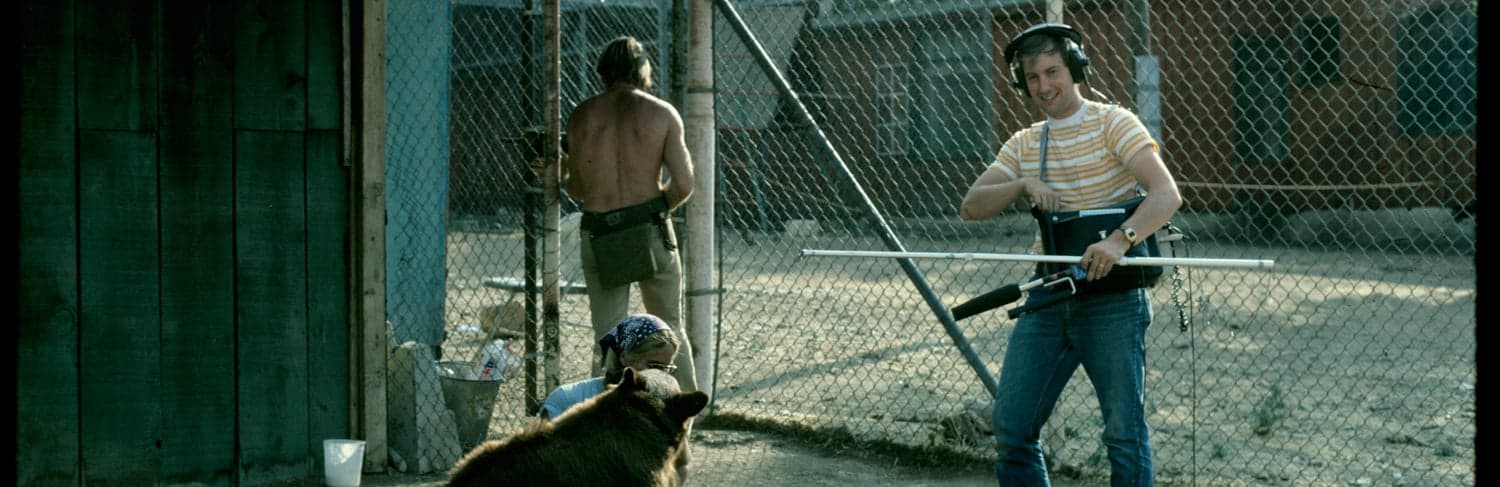
When you think of your favorite film, chances are the first thing that comes to mind is its unforgettable music. A film’s score breathes life into its story—it is the soul beneath the visuals. Behind each moving melody lies an extraordinary level of artistry, craft, and emotional labor far beyond what we see (or hear) on screen. In conjunction with Hans Zimmer: The Sound of Hollywood, a special concert taking place at the Taipei Music Center from April 21 to 24, 2022, Giloo Documentaries presents a curated playlist celebrating the magic of film scores. Join us as we journey into the imaginative world of cinematic music.
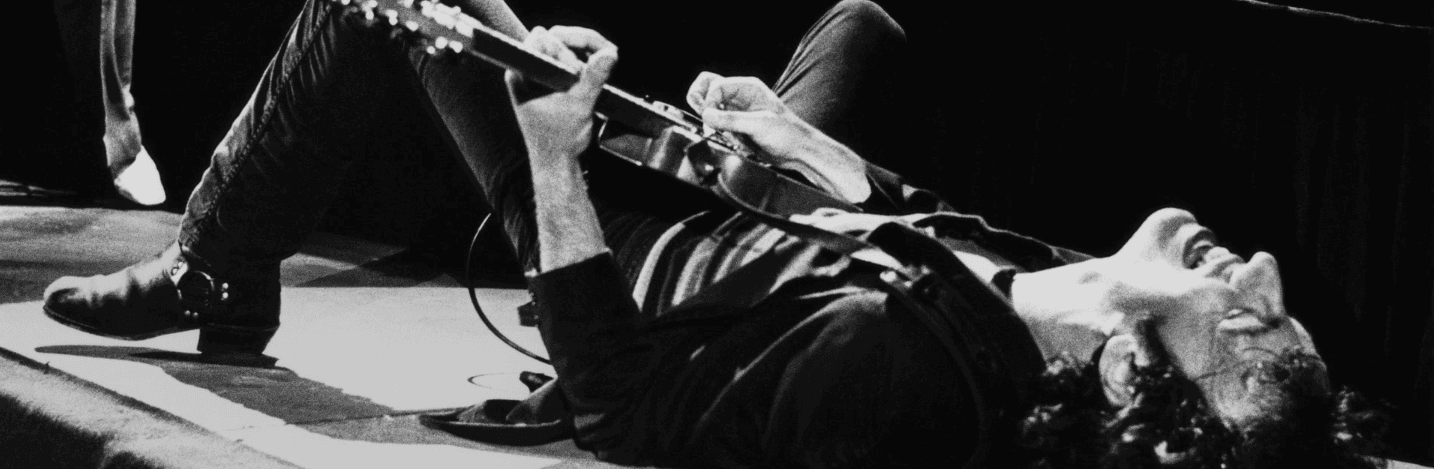
What Did Taiwan’s First Pop Songs Sound Like? How did a group of young people returning to the countryside turn an old tobacco-curing shed into the birthplace of a classic album? How did one small indie record label become the cradle of Taiwan’s biggest rock bands? In collaboration with Blow (吹音樂), Taiwan’s leading independent music media outlet, we've selected 9 films exploring the roots and evolution of Taiwan’s music scene—alongside a powerful documentary on Rolling Stone, the iconic U.S. music magazine born in an era of rebellion. From the golden age of modern Taiwanese pop to the rise of underground and alternative bands, these films span nearly a century of music history. For fans stuck at home and missing the thrill of live gigs, let these moving images bring you back to a time when legends were just getting started.