2015
Academy Awards (Oscars)
最佳紀錄長片提名

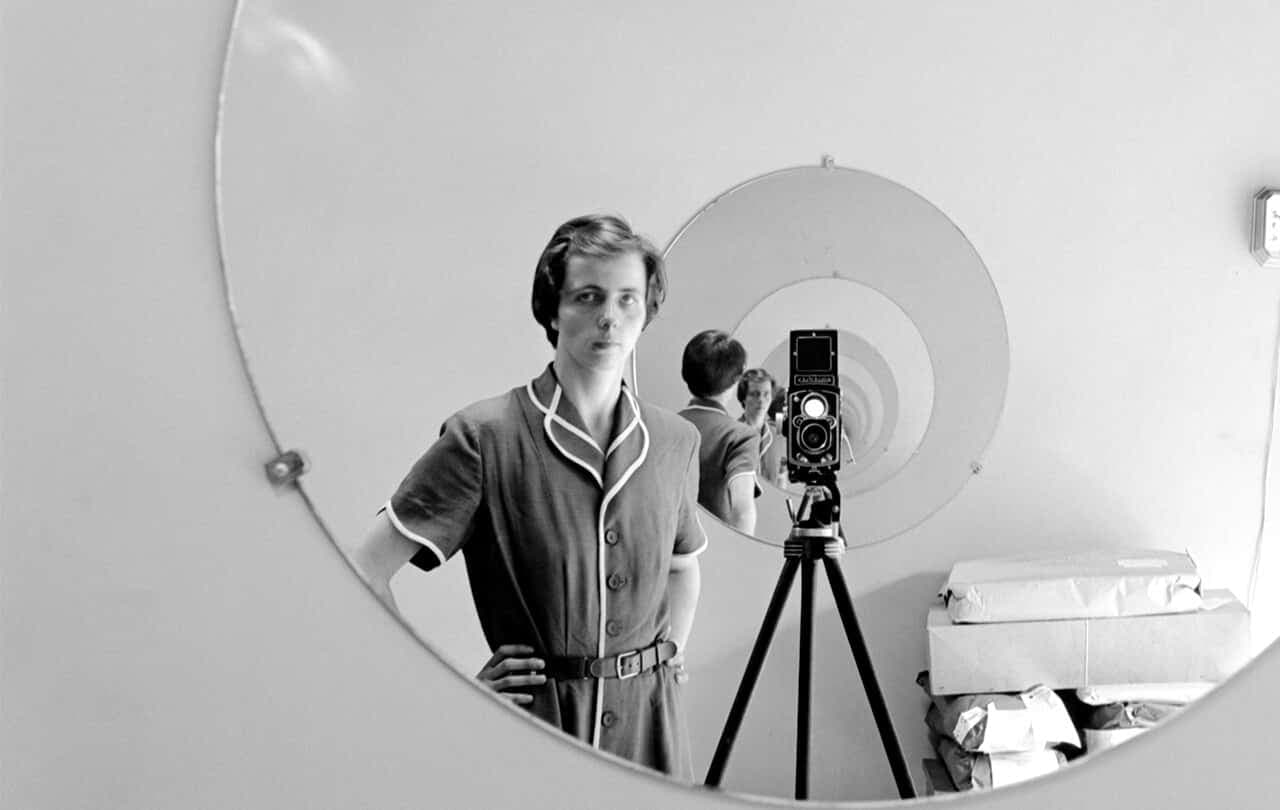
最佳紀錄長片提名

「我覺得當中的神秘之處,比她的作品本身更有意思,我想要更加了解這個人,但我不認為你能透過她的作品了解她。」 . 紀錄片導演 John Maloof 在拍賣場上發現一箱底片,拍攝者叫做薇薇安邁爾斯,一個行事低調神秘的女性。John 深被薇薇安的作品所吸引,他搜刮薇薇安的作品與遺物,試圖從中找尋線索,理解薇薇安是個怎麼樣的人... . 《尋秘街拍客》藉由薇薇安友人或鄰居或雇主的訪談,讓觀眾得以粗略地拼組出薇薇安的生命樣貌。只是我們終究不會知道真正的薇薇安是誰:她在想什麼、為何如此熱愛攝影、為何從未發表過作品、為何行事如此地低調神秘?所有旁人描述的薇薇安,所有物件與影像作品拼湊出來的薇薇安,究竟跟真實的薇薇安有多接近?直到電影落幕,這個謎依舊無法被解開。然而,薇薇安作品的美麗構圖、迷人的光影與生命力,以及精準捕捉到被拍攝者瞬間神采的魔力等,觀眾就算不知道拍攝者是誰,依然能被這些作品所感動。藝術的渲染力與影響力,確實是可以超越創作者而獨立存在。
街拍幾乎是所有攝影師或攝影愛好者的一個起點,在Vivian Maier的時代,人們對於相機的防衛心並不如現在。 我過去曾經在拍攝中被人喝止(當然是未經同意...),有幾次不太舒服的經驗,但反過來想,拍照即是"Shooting",是具有強烈攻擊性的行為,被攝者因受到我的攻擊,肯定更不舒適吧! 我認為街拍行為含有一定的「獵奇」心態,帶著相機在街上打獵,有什麼奇異沒見過的,就打回家,有如掛在牆上的動物屍首,是否有些野蠻?也許這是Vivian Maier生前不願將底片沖洗出來的原因?
攝影史學家Geoffrey Batchen認為我們甚至該扔掉「業餘者的攝影」(vernacular photography)這種詞彙和分類思考,直接將其陳述為「攝影」。如此,至少能讓我們把批判性的注意力全然集中於攝影的作用上,無論它們是在哪裡被發現的,而不是它們是什麼,或它們曾經是什麼。(Geoffrey Batchen, “Whither the Vernacular?”, 2020)
說到底,攝影並不大是本片關注的主題,不然,片名應該是「Finding Photography」,甚至是「Found Photography」,而不是「Finding Vivian Maier」。從這部片裡,我們會發現一個攝影者的秘密與傳說,但是比較少讓我們去發現關於攝影的秘密。
假設我們仍然不知道Vivian Maier的存在(就像在這部紀錄片與眾多以她為名的展覽之前),而這批影像被找到時也已無法證實誰是拍攝者,那麼我們或許反而能藉由這些意外被發現的影像,更聚焦地探索這些照片/攝影的意涵,而不是去揣測Vivian Maier究竟是什麼樣個性的人,並努力試圖重建她的整個人生(而且這顯然也與她生前所試圖保有的個人隱私相悖),也不是去尋找攝影史中可以安插她的某個位置。這樣會否更有趣呢?
在Vivian Maier「被找到」並重新描述為一位神秘古怪但才華洋溢的攝影家之後,Maier的攝影遺產很快在藝術收藏界成為一項具有獲利潛力的可升值資產。然而,這部影片來不及交待的是,伴隨人們對於Maier的強烈興趣(包括商業上)到來的,是對於Maier未留有遺囑的這批私人物件,究竟可以由誰繼承的典型財產訴訟之爭。事實上,後來的一場所有權法律混戰,可視為這部影片的續集。攝影總能巧妙地與市場資本主義不斷連結。(視覺絕對是資本主義最喜歡的感官。)
作為Vivian Maier在1980年代的僱主之一,出版人Curt Matthews回憶,有一次他請Maier給他看幾張她拍的照片,發現這些照片極好,於是問她,照片拍得那麼好,為何不去當一個職業攝影家呢?Maier回答,如果她不將她的影像秘密地保管好,人們就會竊取和胡亂挪用它們。(Curt Matthews, “Vivian Maier & Independent Publishing”, IPG blog, 2013)
<Vivian Maier: A Photographer Found>收錄Vivian Maier的生平,以及精選250張攝影作品,由紐約時報暢銷書作家Laura Lippman撰寫推薦序。此書收錄的作品多數拍攝於1950年到1970年的紐約、芝加哥以及其他旅行土中的地方。 https://www.eslite.com/product/1002151192496403
 Vivian Maier: A Photographer Found | 誠品線上
附上約翰馬魯夫架設的Vivian Maier 作品集網站,就像片中Marry Ellen Mark所說的,她的照片有幽默感,也有種悲劇感、美麗的生命感,以及環境感。 http://www.vivianmaier.com/
Photography is a kind of magic—one that captures fleeting beauty and frames a way of seeing the world. Even after losing his memory, Takuma Nakahira continued photographing daily life, preserving its shifting shape. The wildly unrestrained Nobuyoshi Araki turned tender and intimate, documenting the luminous presence of his beloved wife Yoko. And a mysterious nanny—who left behind over 100,000 negatives—was later revealed to be one of the most legendary street photographers of our time. Giloo invites you to journey across time and space, through the viewfinders of master photographers. Step into their gaze, and witness the moments of eternal light they captured—fragments of life, stilled and glowing.
"I force myself to contradict myself—so as not to follow my own taste." For over 30 years, no one has truly known the identity of the world-renowned street artist Banksy. A mysterious nanny turned out to be one of the greatest street photographers of our time. Duchamp shocked the world by placing a signed urinal in a gallery and drawing a mustache on the Mona Lisa—his so-called “anti-art” exploded all previous definitions. And the pioneers of the Fluxus movement? They insisted they weren’t against art, but against pretense. So what is art? And what isn’t? Giloo presents 8 documentaries on radical artists who broke every rule to ask that very question. And perhaps, as Duchamp once said—everything is art.
A modern-day tragic woman who endures humiliation, sells herself, and even kills for love—branded with infamy and endless tears, yet still relentlessly pursues true affection. A free-spirited café waitress who casts wild and whimsical spells to rewrite her daily life. Four legendary actresses come together on camera for the first time, sharing laughter and stories from over half a century of friendship. A mysterious wandering nanny revealed to be the most iconic street photographer of our time. A drifter who gave up everything, carrying only a humble tent, living a lawless, homeless life at the edge of the world. These women all have one thing in common—they defy expectations and live life on their own terms.