2016

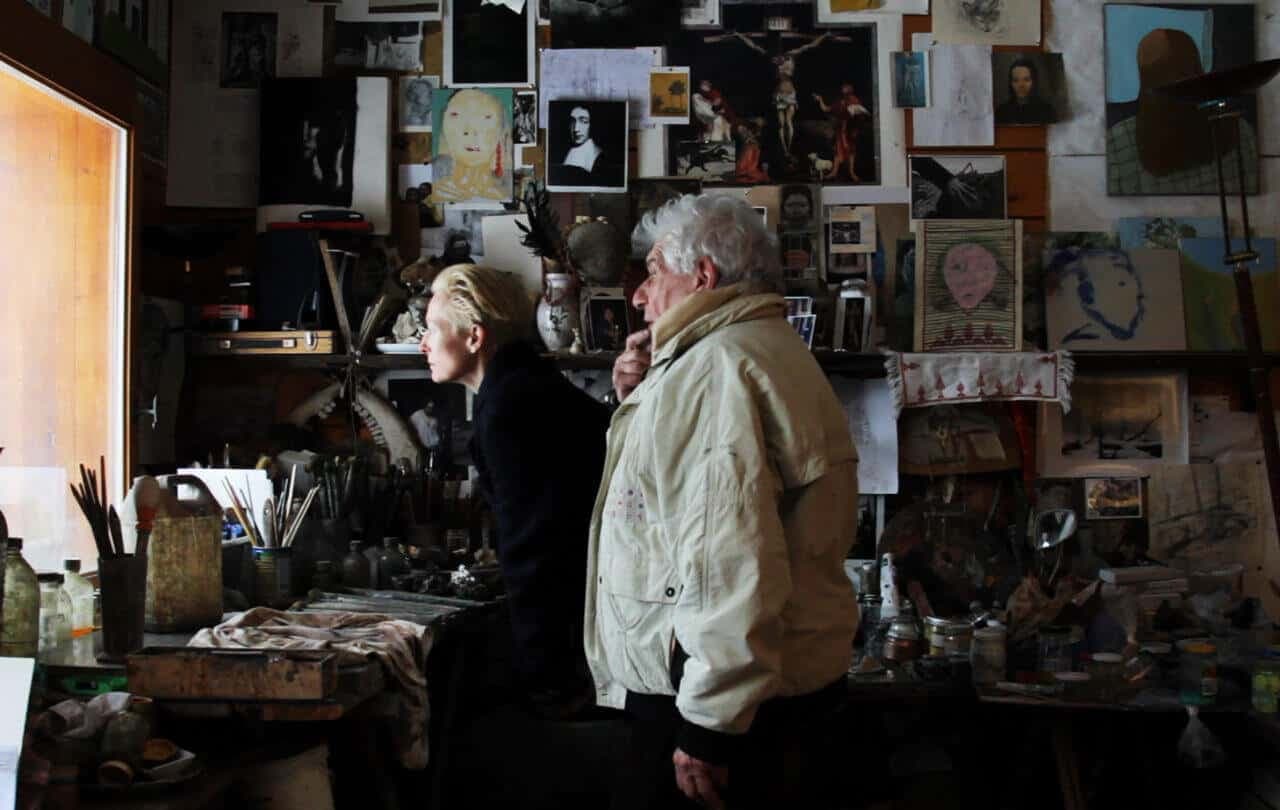

第二次看,但不曉得為何,第一次深深留下的印象是如何削蘋果,特別是皮的部分。這次留下很深的印象是約翰講到父親和Beverly我以為的泫然欲泣,還有那個你們的快樂也會帶給她(Beverly)快樂的可愛隆重儀式。這是一部一半理性,一半感性的電影。但或許區分理性感性本來就是一件很蠢沒必要的事。冬春夏秋:一對老朋友、動物和我們該所思地、約翰伯格對當世(政治)的深思和提問,我們都該有的深思和提問和爭辯,如他所說的不(和當權?)爭辯是可恥的、回到一個循環,他的兒子和兒子的兒女,她的一雙兒女,兒女和兒女的互動,這一切的傳承,像春夏秋冬一樣延續時間和空間的傳承。這是一部生活的,理想的,跟所有在兩者之間的紀錄片。
《約翰·伯格的四季肖像》這部紀錄片讓我反思我們如何與世界連結以及生命中最重要的價值。影片的攝影風格平靜而崇高,讓人彷彿能從中感受到呼吸。影片提出了許多值得深思的話題和現象,讓我花了很長時間去消化和理解。這部紀錄片不僅是一場視覺盛宴,更是一個引人深思的旅程,啟發我重新審視生活中的種種價值與聯繫。
《約翰伯格的四季肖像》這部紀錄片以隨興又精準的文字口白,及豐沛的影像敘事建構出真摯的紀實散文,透過每個思路的章節流動,帶出John Berger的觀看面向,將自己呈現給閱讀此片的人們,以敏銳的視野從生活延伸到世界的觀看表述,在每一段關係的思辨之中引出豐沛的人生哲思。
53:24 2008 年的這一份「偽裝的紐約時報」相當著名,那時我還是研究生。這件事曾讓我想起古希臘作家琉善(Lucian)的一個作品:《真實的故事》(Alēthē diēgēmata)。這個作品也是用來戲擬當時的歷史家著作,也就是「偽裝的真實歷史」。琉善在這樣的作品中,將各種荒誕古怪、天馬行空的情節全都寫了進去(例如太陽國與月亮國人等等)。在看這樣的作品的過程中,人們也會從「期待著要看到真實的事情」慢慢轉而變成「意識到這是虛假的故事」,緊接著反思當初自己乃是追逐著自己關心的真相才跑來這裡閱讀。這種預期讀者將會從失落、憤怒到反省甚至開懷自嘲的諷刺性著作,從琉善開始,一路到拉伯雷的《巨人傳》、斯威夫特的《格列佛遊記》直到影像中的這份偽裝紐約時報。 這種戲擬的諷刺性創作——正如斯威夫特在《格列佛遊記》或《木桶的故事》當中呈現的那般——往往都藉由高超的寫作技巧去展現創作者本身對於政治的立場與關切。透過故事講述的技巧,深深被文本吸引的人們,不得不與作者設計的鋪天蓋地而來的隱喻系統周旋,從而對於特定事件產生了截然不同的理解。這些截然不同的理解,其實會大幅度的影響人們在政治、在經濟、在社會上的選擇與行動(正如羅伯‧席勒在經濟敘事上所注意到的那樣)。
42:08 這個時間點的前後,有數顆拍攝動物的鏡頭,其中還包含幾張特寫。這種凝視,瞬間讓我想起了很多的片,首先是前面提到的《來自西伯利亞的信》裡面,關於狐狸、老鷹、羊、馴鹿、熊等等的鏡頭,甚至還搭配著由 Pierre Barbaud 作曲,由 Ella Timourkhan 演唱的非常有趣的歌詞。 「狐狸小公主,你溜上方舟又有何用?最後還不是成為船長皮衣上的衣領。」或是「老鷹啊老鷹,你一行走,我們就看到你的襪子。」在這些藝術歌曲體裁的歌詞中,動物的形象並不是寫實的,反而是帶有寓言的、口傳文學情狀的樣貌。 奇妙的是,配合歌詞的書寫,這些片段的、經重組的深思熟慮的詞彙,除了讓我們(人類)再認動物身上我們已經知道的特徵之外,未能使我們得知更多確實的嶄新資訊。 基於此點,如果我們再去看希區考克的《鳥》中對鳥的凝視,帕拉贊諾夫的《蘇拉姆城堡的傳說》(1984)裡面對於馬的凝視,以及最近《羊懼》(2021)中對羊的凝視的話,就會發現人們在凝視動物的過程當中,就算再怎麼把這動物當作宛若家人似的存在,實際上仍無法擺脫其中的神秘與恐懼。但在這恐懼(甚至是帶有娛樂性質的恐懼)當中,我們凝視的並非真的動物,而可能是一連串被揀選過的,計算過的,經過影像消化後放映出來的「立體透視模型」(以動態或靜態)。 在此,動物的像(imago)已經被分解成數個精確的、可解的詞彙與敘事單位,被有意識地編排並預期傳達給觀眾特定的訊息內容。意即這種恐懼已不再是來自動物對人的凝視——猶如在深山中被野生的熊凝視那般——而是來自創作者說故事時所動用的精美的道具。
8:54 約翰伯格為蒂妲繪製肖像的時刻在本片多次出現,並且也經常是將不同時刻的繪製之景況剪接在一起。有一件事情很重要:人在為另一個人,或為自己,繪製肖像時,輪廓與眼耳口鼻等「零件」,是在不同的時刻分別放置到紙上或畫布上的。繪製者選擇了五官在不同剎那的模樣,按序(這「序」相當神秘)陳列。這時也會讓人想到杜勒(Albrecht Dürer)為伊拉斯謨(Desiderius Erasmus)繪製的肖像。杜勒表示:他是根據鮮活的「擬像」(effigies)而繪製出了這幅肖像(imago)。蒂妲·史雲頓作為一為演員,她的表情充滿了纖細的變化,而每個變化又都俐落乾淨,這樣生動富變化的臉,本身就是一種身體的外部圖像。約翰根據這樣的圖像繪製出肖像時,好像是在將「蒂妲本人」與「外界」交界處的那組具有眼耳口鼻的動態之邊界,以浮動的、彈性的、即興的方式繪製出來。
4:45 在畫面的右上角掛著的海報上,是一位著名的詩人:Mahmoud Darwish。這海報上引用的詩句為: 在這塊土地上,有配得上生命的事物(中譯:薛慶國、唐珺譯) We have on this earth what makes life worth living」(英譯:Munir Akash、Carolyn Forché) 為了保險起見,我想提供兩種版本的翻譯供朋友們參考。其實這整部片,從藝術到政治的面相,似乎全都能與 Darwish 的這首作品彼此牽連。我想約翰伯格正是意識到這件事,才會將這海報掛在外牆上。 the hour of sunlight in prison, a cloud reflecting a swarm of creatures, the peoples' applause for those who face death with a smile, a tyrant's fear of songs. (英譯者同上) 從這幾句看過去,便能益發感受到約翰伯格勢必對 Darwish有著深刻的理解。說起來也有趣,約翰伯格是這樣願意去理解他人言說的內容及其用意,當他迅速捕捉到對方的話語所指時,會出現一連串表達真摯地贊同,轉瞬又進入思索與沈吟的動作,此事顯然被拍攝者與剪接者注意到了,因此觀眾便會多次看到鏡頭捕捉約翰做出這些動作的時刻。
我一開始就想先講點話。我掙扎過是否要把這筆記錨定在本紀錄片片尾的時間點,但最後還是覺得要放在開頭,尤其是正片開始之前。 這是一部充滿口頭言說的紀錄片,其中包含大量的對話、旁白、朗誦及其他運用到口語的行動。我非常喜歡這種大量言說的,講個不停的紀錄片,很像邀請了一、兩位樂意針對主題滔滔不絕地講話的人來作客,並且無意打擾自己的生活。這使人想到諸如荷索的《Gesualdo Death for Five Voices》(1995)或克里斯·馬克的《來自西伯利亞的信》(Lettre de Sibérie,1957)等等。這樣的片我會看數十遍,直到自己對裡面對話或旁白的節奏掌握到一定的程度之後,我就會開始畫畫。「聽人講話的時候畫畫」一事極其幸福,以畫畫為中介,我似乎能夠更沈浸到介於說話者(例如約翰伯格本人)與觀眾(這邊是我)之間的訊息傳遞空間中。 稍晚,各位朋友只要稍看本片一會兒,便會發現約翰伯格在與蒂妲·史雲頓對話時也在動筆畫畫。初次看本片注意到這件事時,我相當高興,好像遇到了知音。說起來,昔日會講又會寫的普希金(Alexander Pushkin)也畫,波特萊爾(Charles Baudelaire)也畫,薩替(Erik Satie)也畫。普希金的畫充滿了人的側臉,本紀錄片也是,有各式各樣的銳利的、柔軟的、沈思的側臉。側臉的好處在於除了明顯地看出一個人猶如皮影戲似的剪影輪廓外,保留了彷彿向著虛空凝視的眼神:被繪者可能意識著或並未意識著自己的模樣正被繪製,且擺動在這兩種傾向之間,好像一下子處於某種「呈現出自然的自己」的狀態,一下子又處於某種「表演」的狀態。攝影機在對著人拍攝的時候,被攝者也會有這樣的擺動,只是每個人適應攝影機的程度不同。而這種擺動,會使得人本身掩藏的東西不慎洩露出來,但是面對這種洩漏,若人沒有惡意,則其中便有使人珍重的親密感。我想約翰在與蒂妲對話並執筆畫畫時,或許也是因為熟知此事。 總而言之,在看這部片時,我經常在畫畫。我雖然畫畫,卻看得更專心。
1:29:02 [「Faces of John Berger」論壇] 賈曼實驗室於2016年11月舉辦「Faces of John Berger」活動,邀請近70位讀者、學者與曾與約翰伯格合作過的人,一起觀賞《約翰伯格四季肖像》電影放映,並參與論談活動,談論了約翰伯格的藝術教育電視節目、藝術相關論述與社會參與立場,並於網站收錄完整論壇紀錄音檔。 參考資料: 賈曼實驗室「Faces of John Berger」論壇活動紀錄
Faces of John Berger – A celebration of John Berger on screen and page
事事要求「功效」的當今社會,不斷要求與質疑「藝術」與「做藝術」的效益。「藝術能做的是」主題片單,揭示做藝術無法被量化的KPI。藝術創造經得起「價值導向」的挑戰,只要我們願意重新思考「價值」二字,皆是從「人」字寫起。
以鏡頭為不凡的心靈作傳,總會陷入是否周全的兩難。如何以影片的有限時間捕捉人生長河,考驗對拍攝對象的理解及切入的眼光。與其全面,不如多點,細細凝視令人眼神一亮的切面。攝影機既是為了穿透對象,也是在與他們進行懇切的對談。

你我為何書寫?當文字從腦海迸出、心中湧入,意象與獨白便取代日日繁瑣、無趣跟惱人的現實;然而對某些寫作者而言,寫字,不僅是抒發,更是救贖或不可不為的使命。我們以「文學」為主題,介紹關於各類寫作者的紀錄片。他們或以詩、小說、評論,以筆(或打字機)為矛,勇敢無畏地描述這世界的真相。而時間在他們創作心靈中所留下的沉澱,更是無庸置疑的徽章。
從非典型到開拓者,上個世紀的藝術家們,如何改變觀看的意義與樣貌?經歷世界大戰的秩序摧毀,人們對於重塑新價值的渴望,呈現在達達主義的反主流、學生運動的反權威、嬉皮的反戰爭與平權運動。多變的社會風潮滋養著藝術思維,一種反傳統的狂躁症於各地蔓延。這些藝術家挑戰約定俗成的社會標準,將藝術的既有形式拓展至感知與視域的邊界。本片單以激浪派成員的彩虹藝術家靉嘔Ay-O作為靈感來源。
對話需要練習,不論是跟別人或跟自已。價值觀的差異怎麼找到最大共通點?我又如何跟感到陌生的那一面共處?藉著對話,在認識、靠近對方的同時,也對自己在關係與世界中的位置,有了更清晰的輪廓,更願意與他人攜手並行。
遵從本能呼喚,拋下瑣碎日常,感受與自然相遇、文學探索的朝聖之路。那些探險之路上突破極限與框架的生命體悟,將靈魂淬煉成了另一個人;那些無法切割的生命經驗,時刻鼓勵人們朝向光亮的遠方,期盼在聽他們的故事之餘,也能揹起背包,展開與全新自我相遇的旅程。
我們都用自己方式和世界和解,而人人都有他的閃光處,但如何在生活泥淖裡做顆發光的石頭?去愛所有前路的未知, 就像住在電影的眾生群像,在不同時代和場域,因為片刻相似情感共振了,然後會發現,畫面裡那些美麗或疲憊的臉龐,原來會是你,也會是我, 而我們的臉龐都將被同一陣風輕撫過,原來,我們就是為了這些時刻存在。
每一天,我們都在重新定義時間:測量走路或搭車到某處所相距的時間、星期一或星期五社死瞬間、氣候異常讓紅楓早到晚退、製作一杯外帶咖啡的時態、歐洲夏日白晝太長、深夜慢跑河堤或操場時區、紐西蘭與法國太難遠距戀愛的時差。時間萬象時間複數時間博物館。我喜愛思考藝術家如何思考時間:旋轉、跳躍、閉著眼;有時睡醒之間,更多時候,收藏時間。
「每樣東西都散亂各處,但每樣東西卻也都恰如其所。」——《鐘錶師的哲學課》。常被問什麼片好不好看,但好不好看很主觀,通常與每個人的生命經驗有很大的連結與投射。沒什麼特別原因,看完Giloo幾乎90%的影片,這些是現在回頭看到片名依然有怦然心動感的精精精精精選片單。