2018
Academy Awards (Oscars)
最佳紀錄長片提名

最佳紀錄長片提名

46:19 整個宇宙就是我安身立命的地方,能想像嗎?我的人生如此富饒。
37:49 只要看到朦朧,你就會感到開心。你總是躲在墨鏡後,才會感到安心。因為每個人看景物的方式不同,還有看待的距離不同,甚至看待的高度也不同。
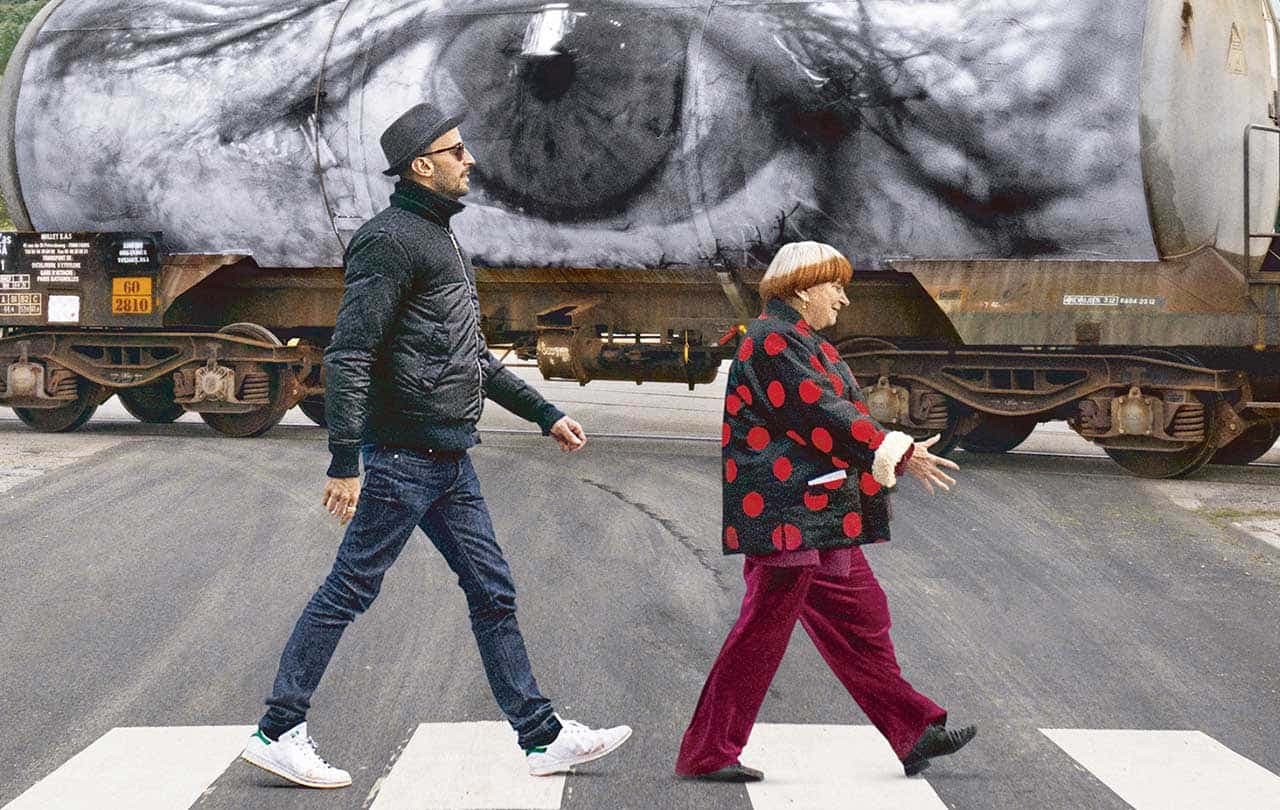
#臺大電影節 我們從未相遇,卻忘不了彼此的作品。 安妮・華達和JR終於見面後,決定合拍一部電影,兩人開車到訪許多村落,搜集故事、照相紀錄。我想,說故事與聽故事,是陌生的兩方相遇並相識最好的方式了。有些故事源遠流長,有些故事瑣碎日常,說故事者定格成一幀照片貼在牆上後,卻都顯得簡單而不凡。 華達說:「⋯⋯遇見新的臉孔,然後幫他們拍照,這樣他們才不會掉入我的記憶黑洞裡。」相機的出現,讓旅行多了新的意義,紀錄掙脫文字與口述,化為圖像,人們獲得讓瞬間成永恆的新方式,每一張都裝載某一刻的奇幻。有時候人們用相片追憶,就像華達和JR在聖瑪格麗特島被推落的德軍堡壘,貼上華達拍攝的蓋伯丁——即便很快潮汐就將照片沖毀殆盡、即便影像的創作總是稍縱即逝,但什麼東西不會消逝呢?如同這趟旅程不期而遇的朋友們、因為機遇這最棒的推手而相見的人們,以後也不一定見得到了,但此刻我們保存、我們照相。 每到訪一個村落後,他們倆都會並排坐在椅子上,聊著剛剛聽說的故事,由故事反思生活,或談生死。這些片段的場景佈置有時可愛詼諧得像話劇,兩人好像精心設計過般,出現在景框的某一隅,對話卻自然流暢,觀者沉浸其中,並同兩人期待下一次的拜訪。 片頭華達說JR戴著墨鏡讓她想起高達,他曾為她摘下墨鏡;片尾高達的拒訪,使華達難過,JR也終於摘下墨鏡,安慰華達。高達拒訪雖然不符合期待,卻也讓全片有了詩意的轉折;有點突然,但為兩段真摯的友誼下了美好註解。 「我誕生在星辰的影子下,母親和月亮給我以清涼,父親和太陽給我以溫暖,整個宇宙就是我安身立命的地方。能想像嗎,我的人生如此富饒。」每個人都有故事,每個人都會老去,身上的痕跡是歲月最深沉專注的雕刻,而影像再現了故事,記下過往也賦予新的定義與記憶。華達與JR不僅是彼此最酷的旅伴,也是觀者這趟故事採集之行最酷的旅伴,讓我看見人生即使有陰晴圓缺,卻始終豐盈富饒。
1:21:12 #臺大電影節 正如原文「Visages Villages」所指的,華達和JR拍的是關於人(臉)和他們所居、所工作、所生活的地方之間緊密的關係,而這之間存在一種有趣的體現和「再現」意義——不辭麻煩地開著大相機卡車在法國鄉野、村莊間偶遇各式人和故事,在不同的區域、港口、海邊、城鎮駐足,透過相機與攝影機看看環境如何在這些臉龐上鑿下痕跡,看這些villages如何再現於visages上。 於是,華達與JR的行為藝術和此紀錄片本身也展現「影像再現」的魔法,它不只將靜態與動態攝影結合,更透過靜態攝影張貼於城鎮中不同牆面上,辯證此一「再現」可能為「已死」和已離開的景框中人物,帶來的第二段生命,亦即「離開」(departure)本身就是「出發」。所以片尾當JR將華達的眼眸、腳趾頭微觀的局部特寫放大於火車車廂上時,他強調了這些被再現的影像,可能帶華達的「視線」和身體,看見她素未謀面的風景與人事,去到她未曾去過的遠方,而這就是他們透過(動態、靜態)攝影旅行的意義。 然而除了以上華達總能透過不同的實驗、紀實影像、裝置藝術辯證「影像」本身值得玩味,《最酷的旅伴》總是打動我更在於,近九十歲的華達自由自在出入在景框內外、攝影機前與後的從容。她的親自剪接更讓時而分離、時而同步的音畫起到可愛而幽默的互文作用。靜照攝影起家的華達,掌握靜、動態影像如此熟稔;一生作品觸及各類型電影的她,此次轉換在詩意散文、紀錄、和劇情敘事上更游刃有餘。高達最後的拒訪和摘下墨鏡的JR,就像完美、卻真摯動人的敘事收尾。然而即便有趣的紀實故事能被輕易轉化為敘事,華達依然保有她紀錄和提問那風趣、至情至深、而同時犀利的紀錄片工作者態度,因而總能在與平凡人物的對話裡,提煉那些情理之中、意料之外的靈光。 華達的紀錄裡有敘事,敘事中又有散文。而如果散文的最終意義是透過繞行抵達終點,並且繞行本身就是終點,那麼他們乘上的攝影機卡車,在法國鄉間小路、海邊、港口穿梭之際,就已觸碰了影像、行為藝術、以及愛的內核。
#臺大電影節 華達與JR是相當可愛的組合,無論是多次談話的內容,還是在美術館內嬉戲的情景皆深具魅力。 他們的作品承載著多道生命軌跡,使原本孤獨的臉龐顯得堅定而有力量,使平凡人物展現獨特的美,使不同的議題與人群得以被大眾窺見。 與眼睛相關的元素在片中反覆出現,華達的眼疾、JR堅持要戴著墨鏡,還有JR為華達的眼睛照相。電影結尾令人動容,看到JR像高達那樣為華達摘下自己的墨鏡,兩人之間的珍貴情誼顯得格外溫馨。
我有點難以用言語形容對這部片的喜愛,當年身為JR粉,先在電影院看了第一輪,之後又買了DVD,在平台看到太驚喜只好再看一次,藝術家和導演的相處實在是可愛了,兩個都很有個性的人相處時的幽默和小溫馨特別有一種反差萌,也很喜歡高達那段,帶著不完美向前走的滋味就像是人生。 最後,要不要和JR一起?Use art to turn the world inside out。
最近我的馬祖啟蒙暨馬祖語老師,西莒基因提供者劉金姊姊得道升仙,所以對阿嬤主題都很難抗拒。 我的馬祖阿嬤雖然是來自戰地的粗魯婦女,沒有受過教育,但妙語如珠卻是「有種的」(有傳承的),幾乎媲美單口相聲,站立喜劇——雖然她都坐著,用馬祖話偷罵路人。 如果你愛我,也很難不喜歡她。 我和劉金的年齡差,也接近電影裡的「祖孫檔」安妮和JR。我也幻想,如果我和戰地婦女可以結伴旅行,她如果有幸得到教育,我們該有多少天好聊啊? 朋友是自己選的家人,朋友是一顆靈魂散落在兩個人身上。如果還能跟阿嬤輩份結為知己,豈不既有依偎的懷念,又有新鮮的刺激,簡直把養生漢方做成氣泡飲料那樣雙重享受。 歐洲人是不是很熱愛對話式電影?好像對話本身就有哲學會浮現出來似的。安妮阿嬤一直想脫JR墨鏡,JR抵死不從。 如JR活在阿嬤堆裡,可能源於良好的阿嬤經驗,我對阿嬤的好感遠高於阿公。尤其看到胖嘟嘟、圓滾滾、樂呵呵、穿花布、在門口高喊晚輩回家吃飯的大鼻頭阿嬤,就想起我家那尊在戰火下成長的劉金姊姊。 最後祖孫倆也因為一個意外的反高潮,抵達了新的理解。JR為雙眼模糊的安妮脫下了神秘的墨鏡。 就像跟劉金拌過嘴、撒過氣,她依然是我最愛的老奶奶。謝謝她當過我的安妮,我這一生最酷的旅伴!
1:17:46 這一段也太喜歡了OMG!我覺得這一段才算是有走進(雖然也不是那麼深刻)這些人像的生命故事--雖然是對照於他們丈夫、陽剛的碼頭職工工作。前面的實在很浮光掠影,雖然較之他們拍攝和張貼的人像,顯然側重在安妮和JR兩人,但他們的對話也清湯寡水啊QQ
32:22 哈哈哈我也喜歡玩跟老奶奶假裝談戀愛的遊戲,一秒激發她們的少女心,大家可以試試。但女生跟歐吉桑會有點危險,歐吉桑如果當真就可怕掉了,先不要好了。
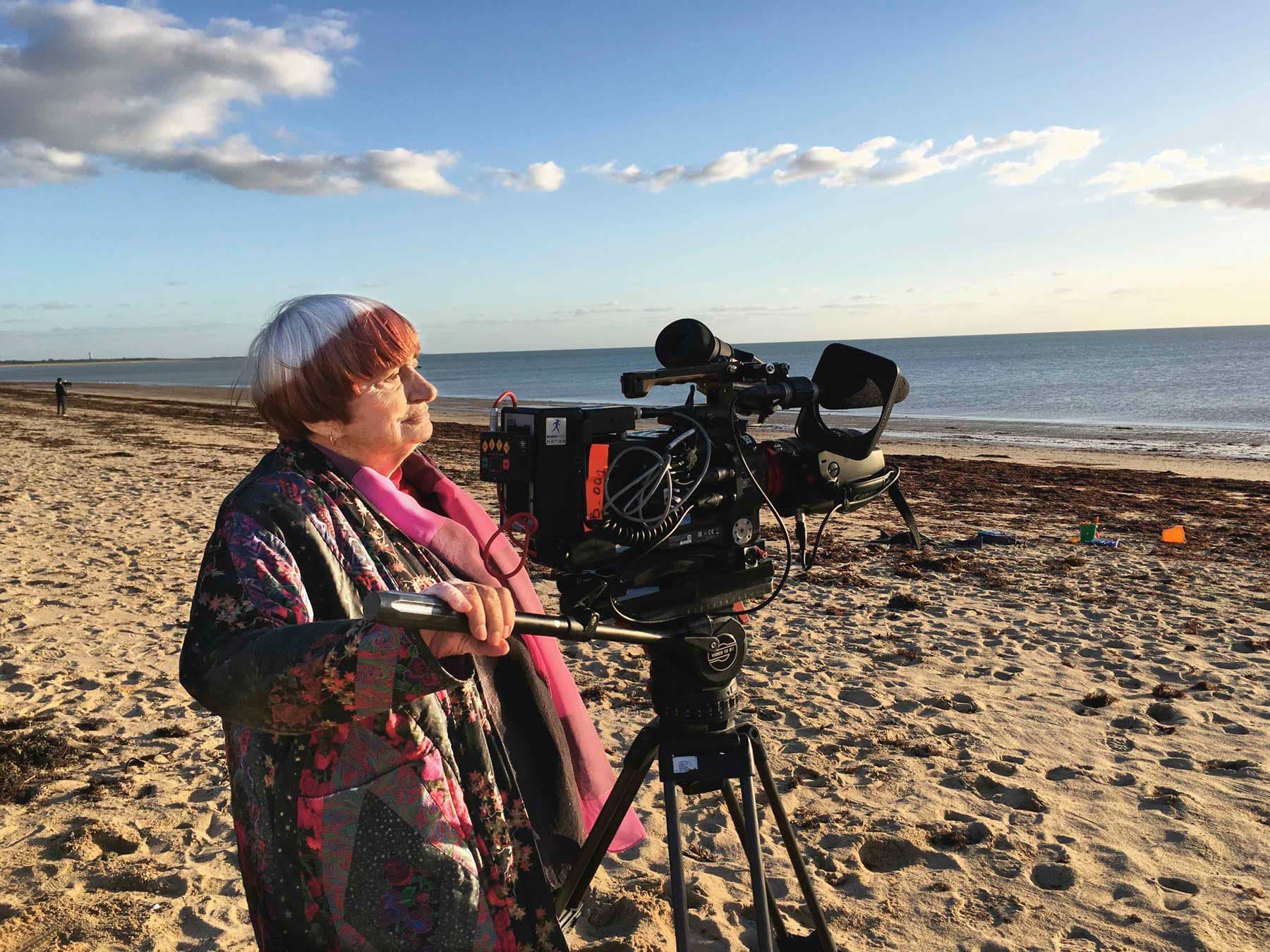
造成這明確轉向的原因,或許來自華達對於死亡態度的改變。原本,創作本身便涵納著一種抵禦死亡的衝動,但到了九十歲,她似乎已經真正如同片中她曾為《南特傑克》受訪時所說的,不再想要抗拒時間或暫停時間,而是想要融入時間之中。願意去面對死亡、直視死亡。所以,在這部夫子自道的紀錄片前半段,多屬於劇情片的那部份,她選入⋯⋯
Trying to become the ideal adult, only to realize that no matter your age, the fear of the unknown never truly fades? With limited life experience, we struggle to survive in an ever-changing world. We become parents, yet still carry the weight of our own upbringing. Here are five soul-nourishing cinematic “coming-of-age remedies” to help you rediscover your original self and strength—bring along your inner child and taste the essence of growth: Yi Yi, a Taiwanese New Wave masterpiece, reflects the quiet milestones of growing up. When dreams fall apart, All About Lily Chou-Chou captures the angst of disillusioned youth. Lost your way? Get gloriously drunk with Another Round, the Oscar-winning Danish hit. Feeling bound by your roots? Draw rebellious inspiration from Afghanistan’s maverick filmmaker in Nothingwood. And if loneliness creeps in, turn to the extraordinary lives of creators like Cheng Wen, Steve Jobs, Yayoi Kusama, and Agnès Varda. Sometimes, growing up isn’t about letting go of your inner child—but learning how to walk with them.
Film is one of the fastest ways to get to know a country. In just an hour or so, a movie can take you through its streets, speak its language, and tell its stories from the inside out. Don’t worry—we’re not here to dive into complex geopolitical debates. In this film program, you’ll meet a wild rock band raising chaos in North Korea, a group of Danish men who really love to drink, and witness the everyday madness of the Russian “warrior people” through dashcam footage. These films don’t aim to explain entire nations. Instead, they focus on the little things—the strange, funny, messy bits of daily life. And isn’t it exactly these small moments that, together, make up the kaleidoscope of a country?

22 Inspiring Films to Watch with Kids – A Giloo Family Collection Giloo presents a heartwarming selection of 22 knowledge-rich and emotionally uplifting films perfect for the whole family. Whether your child is full of innocent curiosity or navigating the early stages of adolescence, these films offer moments of inspiration and meaningful lessons to grow with. From a hilarious couple’s wild farming adventure that teaches the importance of sustainability and green living, to the sacred ritual of relocating the Ise Grand Shrine that reveals the harmony between humans and nature, and a touching story of a boy devoted to gymnastics and his steadfast coach that embodies the spirit of perseverance—each film opens a window to learning through storytelling. Stay safe at home and keep learning alive with your kids—education doesn’t stop when school does!

“I live by my own standards—not by men’s.” She was a director, a cinematographer, a poet, an installation artist, a key figure of the French New Wave. She was a woman. She filmed her muses, scavengers, drifters, distant uncles, lost lovers—and herself. She wandered through the Left Bank of Paris, strolled down Rue Daguerre, flew to San Francisco and Cuba, and eventually returned to the beach she loved most. She was Agnès Varda. This August, Giloo presents 14 handpicked works by Varda—black and white, color, documentary, fiction, film stock, and DV. Two years after her farewell, we invite you to once again meet her—at her sharpest, and her kindest.

Finding Stillness in Uncertain Times: 10 Curated Films from Our Resident Artists During the pandemic, we’ve found more quiet moments to truly appreciate the beauty of everyday life. Resident artists from the National Theater & Concert Hall have each handpicked a film that resonates deeply with them—inviting you to slow down and reflect during this period of working from home. ▍Huang Yu-Ching: “With limited movement, we are asked to listen more closely to the inner voice of our bodies. Want to watch two snails slowly form a connection? There’s no better time for something this soothing.” ▍Wang Chao-Chien: “The pandemic has made us all more aware of distance—the distance of time, the distance between becoming and performing a role, and the strange moments that define legendary bands. These films help us sit with those feelings and reflect.” ▍Chien Chieh: “They are storytellers, writers, dancers, filmmakers. Documentaries capture an era or linger on a single figure, guiding us closer to ourselves.”
“Film is the fastest way to get to know a country.” Following the online film program “These Countries, Those Stories”, Mindi returns with six new selections—films that take you through city streets and speak the language of a nation’s soul. From a dashboard camera in Russia capturing everyday chaos, to a young girl in China growing up surrounded by the world’s plastic waste, to a moving art project unfolding in the quiet French countryside—each story may seem small, but it’s through these small moments that a country’s kaleidoscopic identity takes shape.
“True freedom begins when each individual is allowed their own posture—when everyone can exist, in their own dimension, within a systematized and flattened world.” Looking back on 2021, we reflect on freedom and constraint in the midst of a pandemic, and on how new rhythms of life were quietly built in the tension between the two. The editorial team at Shopping Design presents a selection of six documentary films—some offer distanced observation, others a visceral, immersive jolt. There is rebellion and resistance. There is tenderness and remembrance. Each film is a response to life itself. From the seemingly small, we observe what truly matters. Through ongoing dialogue, we move forward—exploring freedom through order, life, creation, and coexistence. Together, we trace the contours of a shared realm of freedom.
Since childhood, I’ve often dreamed of being on the move—traveling along roads, crossing landscapes. Over time, I developed a habit of noticing similar scenes in films and documentaries. As long as we keep moving, stories and encounters will unfold naturally. Things begin to get interesting—or not. Who am I? Where am I? Where am I going? These questions hover around us like ghosts, always present. This playlist is dedicated to all travelers on Giloo. You don’t need to pack anything. Just hit the road. It’s time to go—Are you coming?
The exhibition takes “the human” as its central theme, reflecting on what it means to exist as a person in this world. It focuses on the intricate, interwoven relationships between self and self, self and others, and self and both physical and virtual environments. The exhibition title borrows from the existential concept of Dasein, or “being there,” to explore humanity’s presence in the here and now. Through this lens, the exhibition opens up multi-layered philosophical inquiries into the human condition and the nature of existence. In extending this curatorial theme, Jut Art Museum collaborates with Giloo, inviting participating artists to curate a selection of eight remarkable films that center on the question of being human. These works return to the essence of what it means to live as a person—interpreting, reflecting, and questioning the many dimensions of humanity, and inviting audiences to contemplate the meaning and possibilities of being born human.