1999

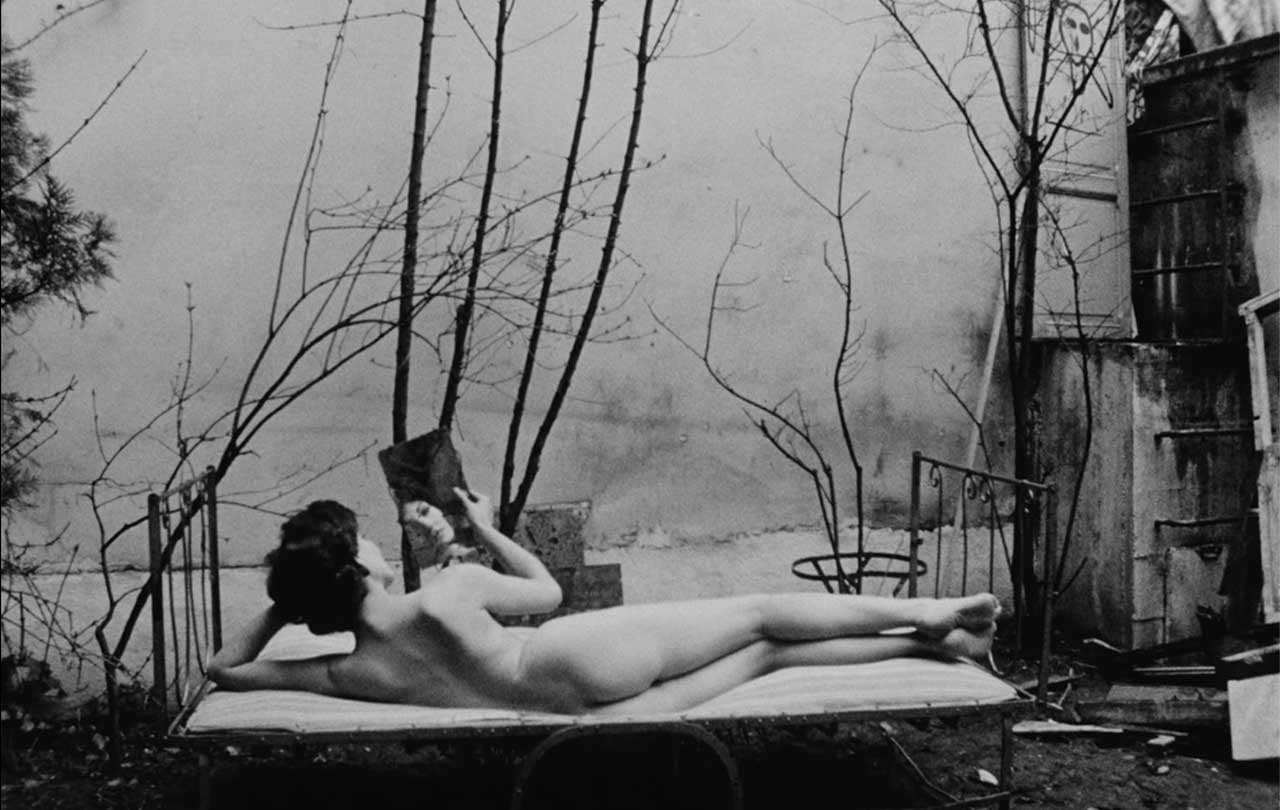
Directed by 安妮・華達

2:13 從這個剖開南瓜的段落愛上安妮華達,會很奇怪嗎?但我太愛這女子腦中的千奇怪想。翻遍歷史上關於女性孕育生命的陳述,男性眼光只建立起千篇一律的「偉大母性」或是「柔性光輝」。但當女性終於能自己訴說這段孕育生命的歷程,對於愛,對於性,對於身體每一處的微妙變化,對於生產的過程,對「生命」的重新理解,絕對是喜悅、恐懼、懷疑、期盼等等各種情緒的最大集合體,也充滿各式各樣的驚奇想像。 好愛安妮華達,那個孕婦對於生產的想像,多精彩的用一顆剖開的南瓜做了完美的隱喻。
[諧擬輕歌劇形式] 《懷孕女子的異想世界》原法文片名為「L'Opéra-Mouffe」,取自法國傳統輕歌劇「Opéra-Bouffe」的諧音。輕歌劇是娛樂性較強的一種歌劇形式,通常結構較為短小、簡單,並常設有一些歌唱對話的橋段。 在19世紀的法國作曲家賈克奧芬巴哈(Jacques Offenbach),以希臘神話裡音樂家奧菲斯的故事為靈感的作品《地獄中的奧菲歐》(Orpheus in the Underworld)開拓輕歌劇滑稽又諷刺的表演風格後,開始蔚為流行。 資料來源: 英格蘭國家歌劇團(English Natioal Opera)網站〈The Beginner's Guide to Operetta〉文章
The beginner's guide to operetta | English National Opera[法國作曲家喬治德勒呂] 《懷孕女子的異想世界》中的音樂是由為法國新浪潮的重要作曲家喬治德勒呂(Georges Delerue)所創作的,並而由華達親自譜寫歌詞。除本片外,德勒呂另與華達合作了《走近藍色海岸》(Along the Coast,1958)與《紀錄說謊家》(Documenteur,1981)兩部作品。 德勒呂曾為超過350部電影與電視作品創作配樂,曾被法國費加洛報譽為「電影界的莫札特」,如楚浮的《夏日之戀》(Jules and Jim,1962)、高達的《輕蔑》(Contempt,1963)等作品皆可見其創作的配樂。音樂家德勒呂的官方網站中,回顧了這位音樂家職業生涯創作的所有電影作品配樂作品,可見其豐沛的創作能量。 資料來源: 音樂家喬治德勒呂官方網站〈Le Cinéma De Georges Delerue〉文章介紹與CD曲目
Le Cinéma de Georges Delerue | Georges Delerue[華達的巴黎主題作品] 在美國標準收藏(Criterion Collection)出版的華達全集DVD中,將華達作品依小主題分類。從分類裡,可找到兩個與巴黎有關的主題:「Rue Daguerre」與「 Around Paris 」兩個主題,可將這兩個主題的電影一起觀看,感受華達眼中的巴黎街景與居民生活。 關於巴黎主題作品,除拍攝華達所居住的街道上的鄰居的《達格雷街風景》(1975)與取景於同在巴黎第十四區的丹費爾-羅什洛廣場的短片《Le lion volatil》(2003)外,其他與巴黎有關的作品包含《五點到七點的克萊歐》(1962)、《麥當勞橋上的未婚妻》(1961)、《懷孕女子的異想世界》(1958)、《女雕像物語》(1984)、《You've Got Beautiful Stairs, You Know...》(1986)。 對華達而言,她眼裡的巴黎是一座充滿可能性的城市,卻也籠罩著潛在的不確定感與危險。這樣豐富的感受,也讓華達能以獨到的眼光來看待巴黎這座城市。 參考資料: 美國標準收藏華達全集DVD介紹
 The Complete Films of Agnès Varda
[巴黎穆浮達街] 在《安妮華達最後一堂課》(2019)中,華達曾談及她的第一部短片《懷孕女子的異想世界》。這部影片當時是於以果菜市場著名的巴黎穆浮塔街取景拍攝。穆浮塔街位於巴黎第五區,是巴黎最古老的街道之一。而在華達拍攝這部作品的1950年代,是醉漢、街友匯聚的區域。 華達在本片中以懷孕女性的角度,融合紀錄與實驗影像形式,穿插字卡與詼諧音樂,將期待新生兒的希望與古老巴黎底層居民生活並陳,詮釋出虛實交融的實驗之作。 推薦資料: 《安妮華達最後一堂課》
 安妮華達最後一堂課 - 正版電影線上看|Giloo紀實影音
[重回穆浮塔街道的華達] 法國國立視聽中心( Institut national de l'audiovisuel)收藏了當時華達在1970年代漫步在穆浮塔街道,並介紹自己作品的影像畫面。當華達走在穆浮塔街道上,她想起了以前拍攝的兩部紀錄作品《懷孕女子的異想世界》與《達格雷街風景》(1975),皆以華達自身的角度,主觀地紀錄了當地居民與華達鄰居們日常生活與勞動的樣貌。 資料來源: 法國國立視聽中心「1979 : La rue Mouffetard d'Agnès Varda」影片
 1979 : La rue Mouffetard d'Agnès Varda | Archive INA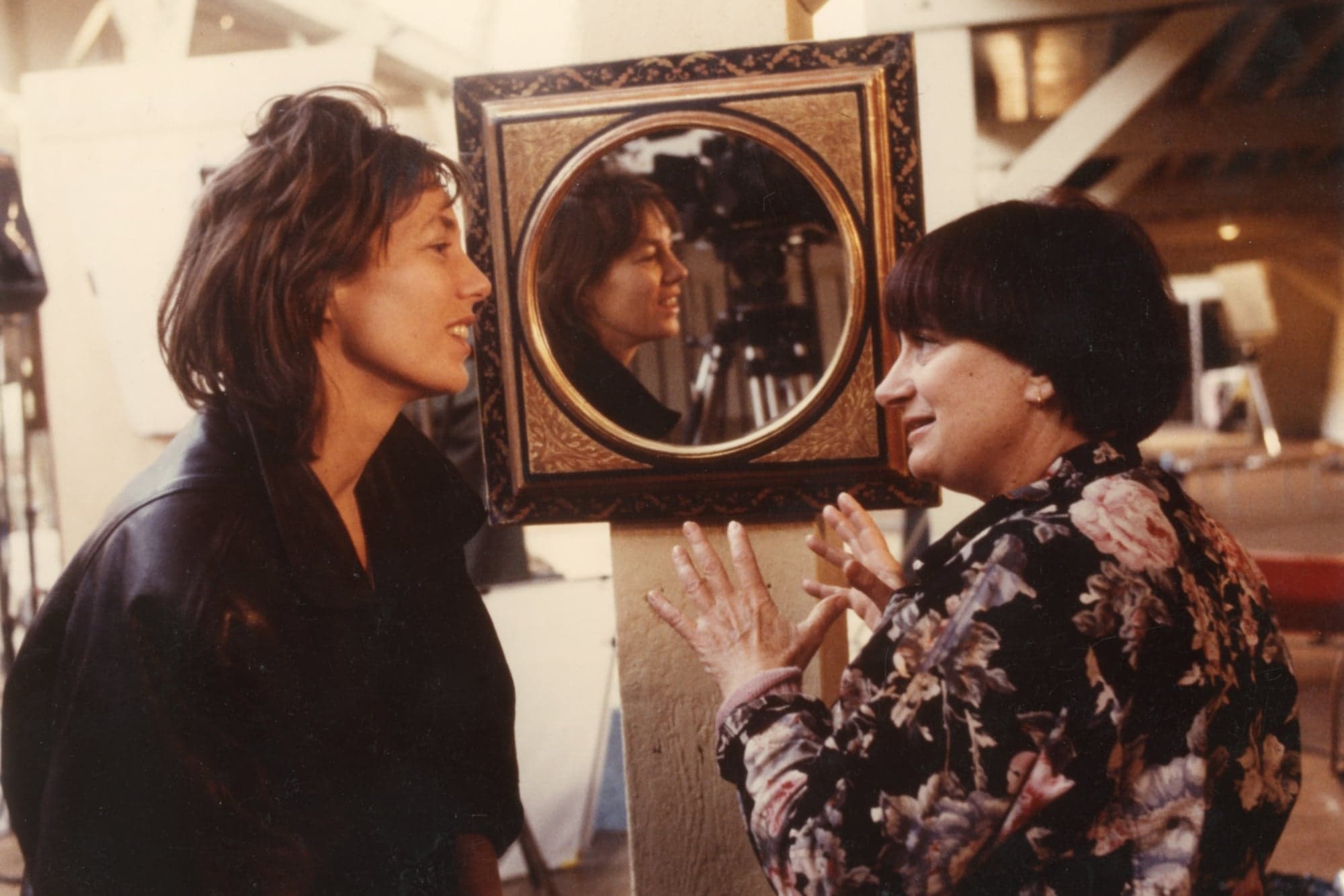
在這性別比例嚴重失衡的產業中,仍有許多女性工作者突破重圍,在一眾男性的舞台上站穩腳步。Giloo 精選 7 位女性導演作品,帶領觀眾領略只屬於她們的電影風貌。或許,也是時候摘掉「女導演」的頭銜——她們是優秀且當之無愧的導演。
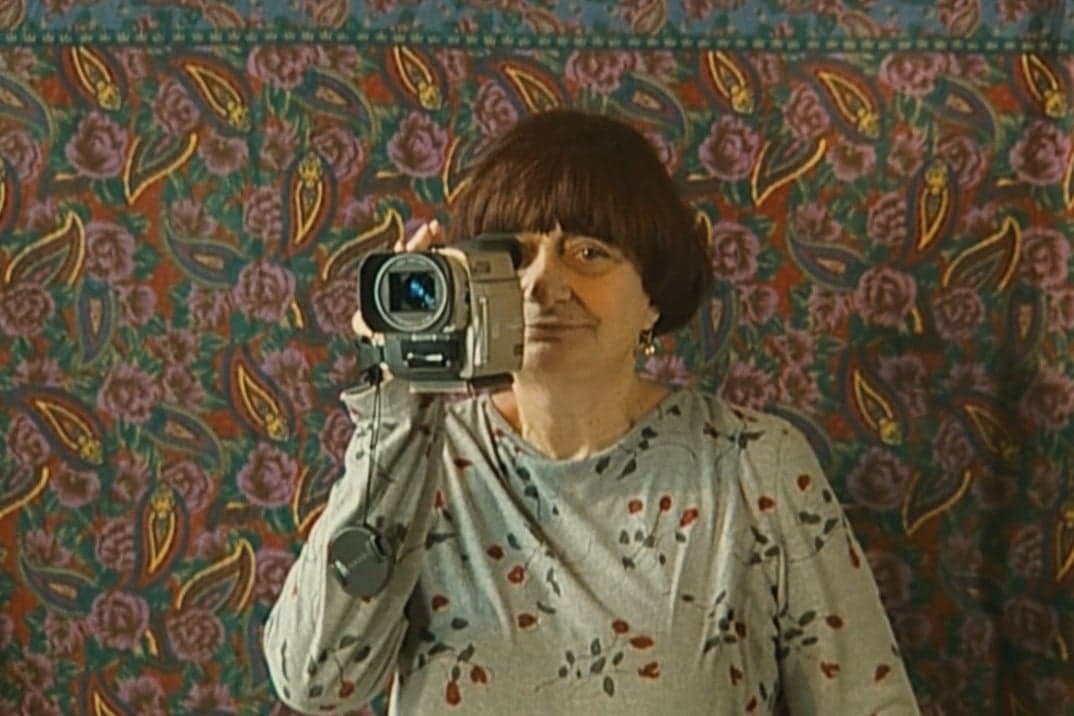
左岸派電影有幾個鮮明特色,其一是經常以意識流形式把人類的精神過程搬上銀幕,並放置回憶、遺忘及想像等潛意識活動。受伯格森直覺主義影響,左岸作品經常透過非理性敘事進入意識深處,並重新定義真實,藉此擺脫人類生活裡如法律、道德和習俗等等的理性約束。1954年,安妮華達拍出了具有意識流味道的初試啼聲之作《短角情事》,將一對男女散步、呢喃、煩惱及爭辯等過程推展成一部實驗電影。
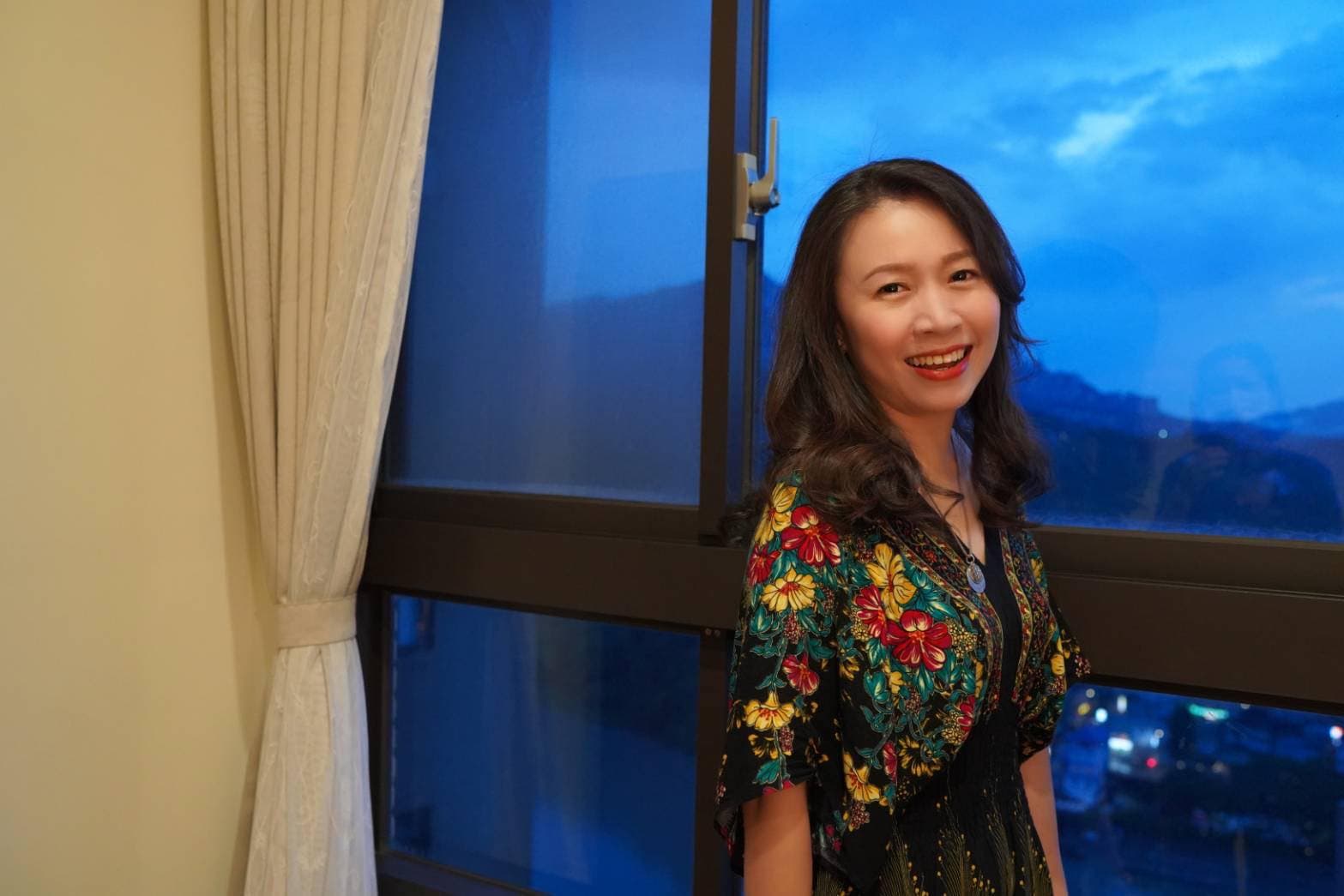
全城警戒降二級的某個下午,我們跟朱詩倩導演相約在後場音像紀錄工作室。這次的專訪企畫原先只能在線上進行,所幸警戒降級,才有機會一訪催生出《非法母親》、《愛別離苦》、《新宿駅,東口以東》、《紅盒子》等紀錄片的傳奇工作室。抵達工作室,一打開門就聽見楊力州導演爽朗地跟人通著電話,朱詩倩導演從房門後走出來迎接我們,小兒子在房裡寫著功課,而工作室的窗景,是新店的碧潭。
When dazzling colors fill the screen, black and white becomes strikingly radiant.

“I live by my own standards—not by men’s.” She was a director, a cinematographer, a poet, an installation artist, a key figure of the French New Wave. She was a woman. She filmed her muses, scavengers, drifters, distant uncles, lost lovers—and herself. She wandered through the Left Bank of Paris, strolled down Rue Daguerre, flew to San Francisco and Cuba, and eventually returned to the beach she loved most. She was Agnès Varda. This August, Giloo presents 14 handpicked works by Varda—black and white, color, documentary, fiction, film stock, and DV. Two years after her farewell, we invite you to once again meet her—at her sharpest, and her kindest.