2004
Chicago International Film Festival
最佳紀錄片金雨果獎提名

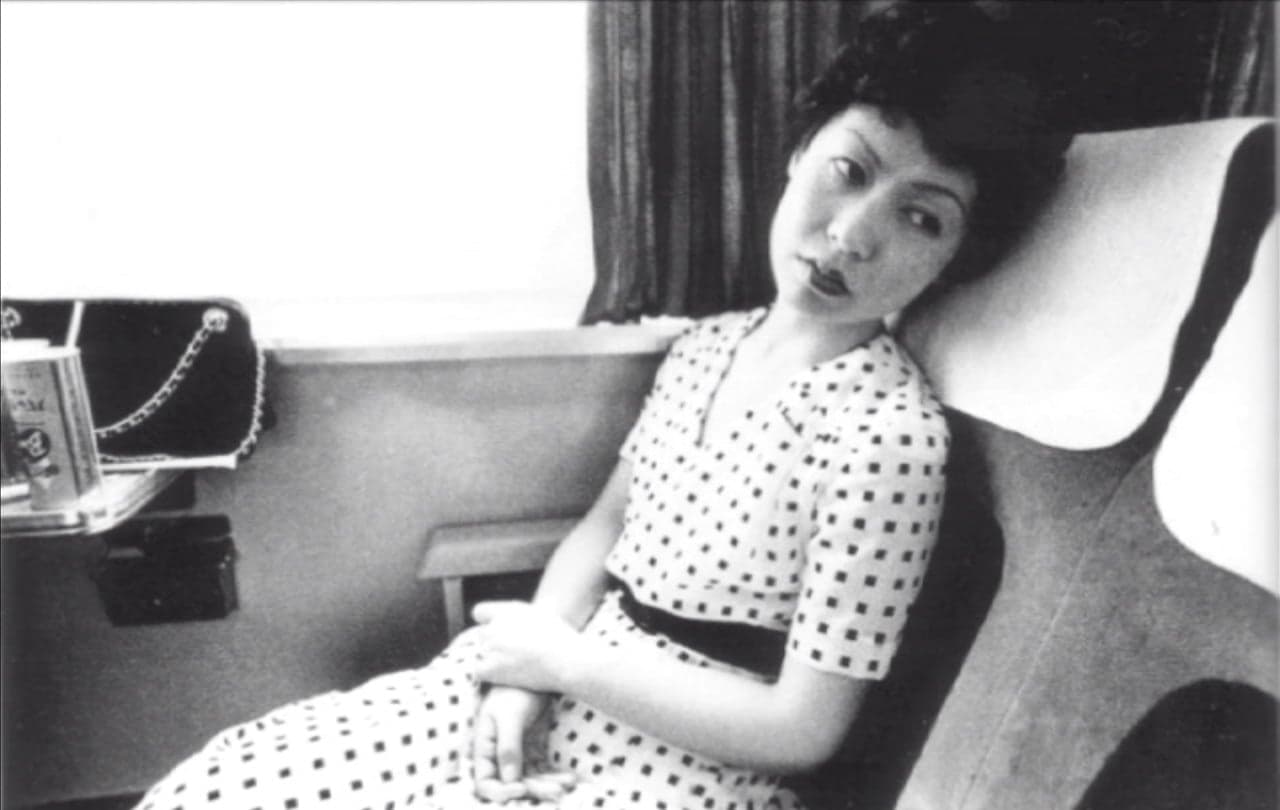
Directed by 特拉維斯・克洛澤
最佳紀錄片金雨果獎提名

《荒木經惟:愛的寫真術》的節奏輕快,像荒木散發出的氛圍一樣,能讓模特們敞開心胸。 全片看完後,比起裸體的女性們,更印象深刻的是荒木跟妻子陽子之間難以言說的感情,從《感傷之旅》寫真與文字中能夠感受到兩人的親密,再看到荒木對著鏡頭說,他帶著含苞待放的花束去看妻子,花正好在她死去的時候綻放,不禁讓人動情。 我想,荒木就像其他傳統日本男性一樣,把自己的軟弱藏了起來,用活潑開放的個性面對他的作品,將花、女性跟死亡都融進寫真之中。究竟是色情和藝術都不重要,他只是拍自己想拍的,卻能造成如此大的迴響,大概是時代跟社會沖刷下的結果吧。
在我眼中,攝影作品常給人荒誕、享樂、情色的荒木經惟,在可愛與玩世不恭的外在下,掩飾的是內心對生命和愛的嚴肅看法。女性主義和人權團體批評他的作品,他在鏡頭前也不止一次公開邀請模特兒開房間,片中的模特兒說:這些事從來沒發生過。一個創作者之所以出色,除了擁有勇氣、實踐力與源源不絕的熱情,肯定有一些能讓人尊敬的地方。 透過美國導演Travis Klose 的鏡頭,和北野武、森山大道、碧玉多位藝術家的訪談,讓我們認識觀景窗後面那位既傳統又不羈的荒木經惟,成為今日樣貌的歷程與原點。
「觀景窗」 荒木經惟有的時候會一直盯著觀景窗拍照,那個瞬間特別讓人覺得他只關心那裡面的畫面。即便很多時候人們更關注他在方框之外的人生,譬如跟妻子的感情,跟拍攝者的互動,或是他如何經營自己的事業。但是關鍵還是在於荒木經惟想要看見事物在照片之中的樣子。這讓荒木經惟的熱情舉動顯得有點冷酷。因為這麼多的玩笑、體貼、戲謔與誇張的肢體,只為了成就那一張照片,在那之後一切都歸於寂靜。我在想荒木是否也害怕那個安靜的聲音,所以他在沒有拍照的時候,還是要不停地講話。
「快門」 荒木經惟會很戲劇性地連按快門,像是在進行一個表演。我不確定他是不是看見眼前的模特兒真的在那個一秒之內出現了細微的變化。但是這對於被拍攝者而言好像在進行一個活動,關鍵之處在於那個快門聲與荒木經惟的呼喊聲,提供了一個拍照的節奏。這解決了攝影一個難題,那就是大多數被拍的人其實在相機前面都無所事事。可是荒木經惟讓他們好像參與了一個重要的儀式,當被攝影者說希望荒木經惟讓她成為真正的女人,這並不只是說讓她在鏡頭裡面看起來有女人味,也是說她參與了一個荒木自己建立的成年禮。
「實驗」 在影片中荒木常常提到各種攝影的實驗,譬如實驗去背會不會讓人注視臉孔,實驗拍攝人妻,實驗呈現原爆的痕跡,實驗把精液更具象化。因此當我們說他是一位抓拍的攝影師,其實這個說法並不完全正確。因為抓拍好像就是心中沒有預設,任憑日常忽然撲面而來。但是荒木經惟不是這樣,他非常計畫性的在進行拍照,考慮作品跟市場的關係,作品跟舊作之間的差異。
「反光板」 荒木經惟給人一種率性的感覺,好像拍照都非常的隨意,所以看到影片當中的測光錶與反光板會有一點點訝異。但是實際上你看荒木經惟的照片,確實在光影的表現上並不出格。許多時候他的光線仍然非常的柔美跟平均。似乎荒木經惟並沒有把光線這件事當成一個重要的創作元素。當然不是說他的照片光線並不漂亮,可是你不會說這個光線是叛逆的。我猜測背後有一個原因是,荒木經惟想要表現的是人,而太過於雕琢的光線會讓人的主體性降低。
「背景」 荒木經惟的照片背景都很單純,但是當他解說照片的時候他會指出某個東西具有符號性,某個象徵什麼東西。我在想即便他拍照的時候沒有明顯意識到這件事。當他一遍遍審視自己的照片發現了具有意義的背景元素,那他下一次拍照的時候必定會注意這些東西。這讓荒木經惟的照片有的時候更有一種比表象深奧,彷彿具有超現實的意味。並不是指照片的畫面很荒謬,而是照片之中有一些意味不明的現成之物。譬如香蕉、靜子、黃泉的渡船。
從《荒木經惟:愛的寫真術》看到荒木對於攝影的熱情執著,這種執念是滿恐怖的,我想也是他對於陽子逝去後唯一的慰藉,一位單身男子妻子早逝投身藝術產業不斷挖掘生活的核心,除了拍攝與找尋被拍者之間的價值,我想荒木經惟不願意讓自己狂妄熱情的心消逝。
父權爭議:2018年荒木經惟所謂心中繆思女神香織對荒木提出告訴,合作十六年為何繆思女神現在才覺醒?這或許牽扯許多父權文化的根深蒂固,再來是藝術與情色邊界遊走,兩人不諱言從被拍攝者與攝影者到不干涉生活上的性關係卻是工作上夥伴。 在日本文化至今還是有著難以改變的階級隱憂,所謂階級不只於貧、富差距它可延伸到職場、日本話語、生活家庭之中,而日本有著更濃厚父權保護罩,這樣的父權不是只會針對於異性之上,在同性上也是相對侵犯。香織訴求的是一種對等,這樣對等不只是性別上尊重也是職業上的必須(因為荒木經惟後期拍攝完都不付錢),這個世界不平等,但訴求平等的人也不會坐以待斃。
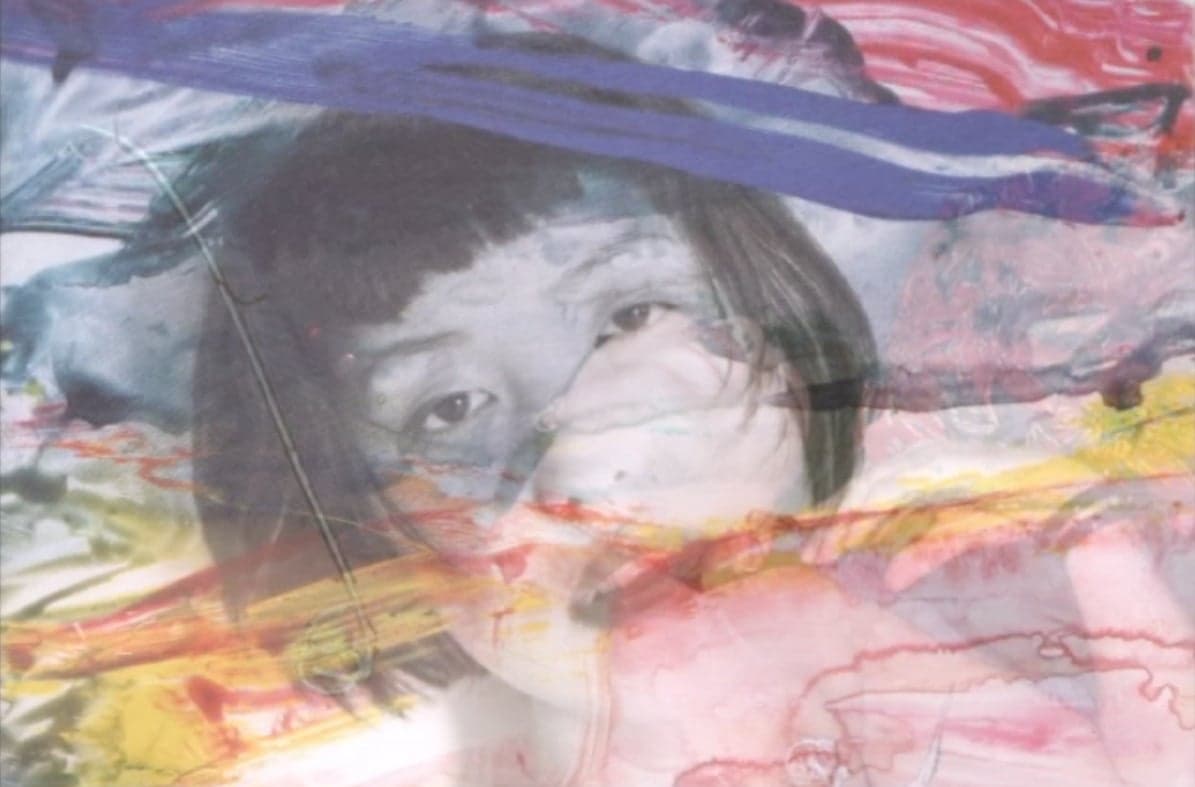
《荒木經惟:愛的寫真術》這部片呈現的是一個紐約導演鏡頭前的攝影家荒木經惟。這位長時間在大眾眼前荒誕不羈的情色攝影家,究竟會以什麼樣的面貌去面對別人的鏡頭?透過這部2000年左右的紀錄片,多少可以窺見多數人眼中的色老頭,如何一步一步把自己的生命交給攝影?以及這到底要對攝影有多強的執著跟熱情才可能做到?
Photography is a kind of magic—one that captures fleeting beauty and frames a way of seeing the world. Even after losing his memory, Takuma Nakahira continued photographing daily life, preserving its shifting shape. The wildly unrestrained Nobuyoshi Araki turned tender and intimate, documenting the luminous presence of his beloved wife Yoko. And a mysterious nanny—who left behind over 100,000 negatives—was later revealed to be one of the most legendary street photographers of our time. Giloo invites you to journey across time and space, through the viewfinders of master photographers. Step into their gaze, and witness the moments of eternal light they captured—fragments of life, stilled and glowing.
Taipei Dangdai may have come to a close, but the brilliance of art never stops. A curated selection of outstanding independent films from around the world continues to expand the boundaries of your imagination. Discover how photographers, graffiti artists, performance artists, architects, and rock musicians from diverse backgrounds have forged their own artistic languages—each rooted in lived experience.
The late Taiwanese writer Lee Wei-jing wrote in her book I Am Hsu Liang-liang: “But how could you blame a girl? Isn’t that what girlhood is? Only through an intense yearning for love can one generate the power to change the world. The ability to defy the universe—that is the essence of a girl’s strength.” A girl’s love, youth, and sorrow have long served as the most compelling themes in art—and the ones most longed for by creators. Through the devotion and actions of girls, these stories blossom, rooted in the fierce emotional landscape of adolescence. The artist's ambition may be real, but can the girl’s heart remain authentic under the aesthetic filter of art? This playlist features films that place girls at the center of the gaze—their bodies and desires exposed to the audience. But are these girls truly vivid and alive, or merely aestheticized slices of youth? The answer awaits you in viewing.
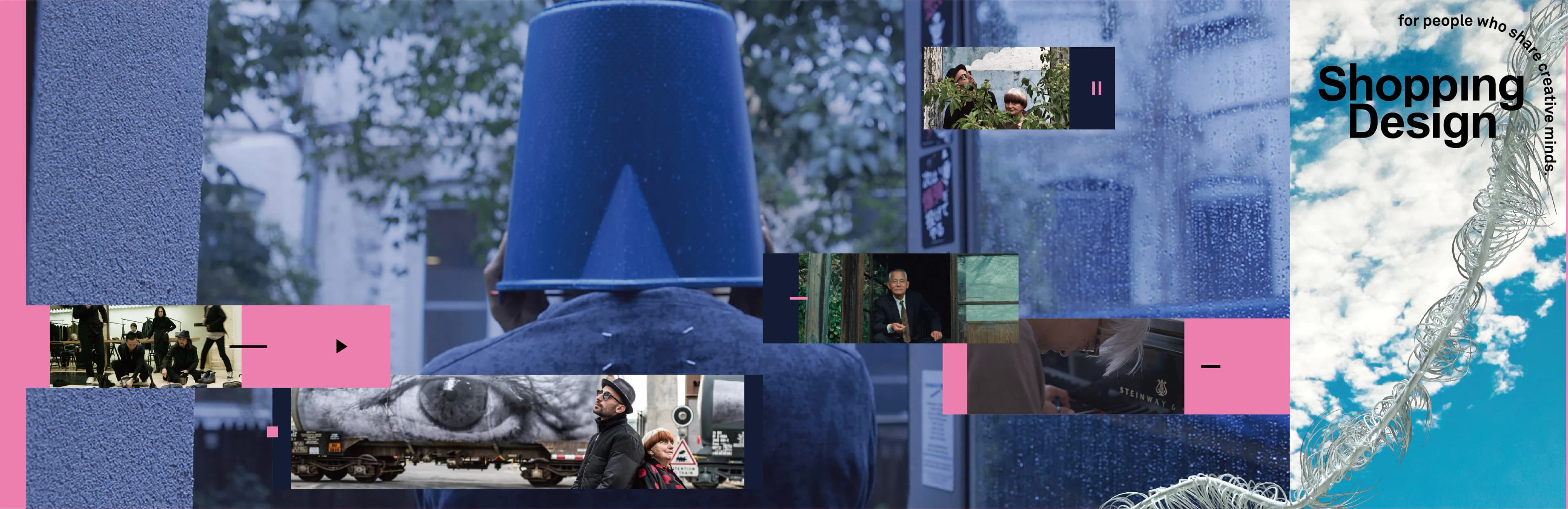
“True freedom begins when each individual is allowed their own posture—when everyone can exist, in their own dimension, within a systematized and flattened world.” Looking back on 2021, we reflect on freedom and constraint in the midst of a pandemic, and on how new rhythms of life were quietly built in the tension between the two. The editorial team at Shopping Design presents a selection of six documentary films—some offer distanced observation, others a visceral, immersive jolt. There is rebellion and resistance. There is tenderness and remembrance. Each film is a response to life itself. From the seemingly small, we observe what truly matters. Through ongoing dialogue, we move forward—exploring freedom through order, life, creation, and coexistence. Together, we trace the contours of a shared realm of freedom.
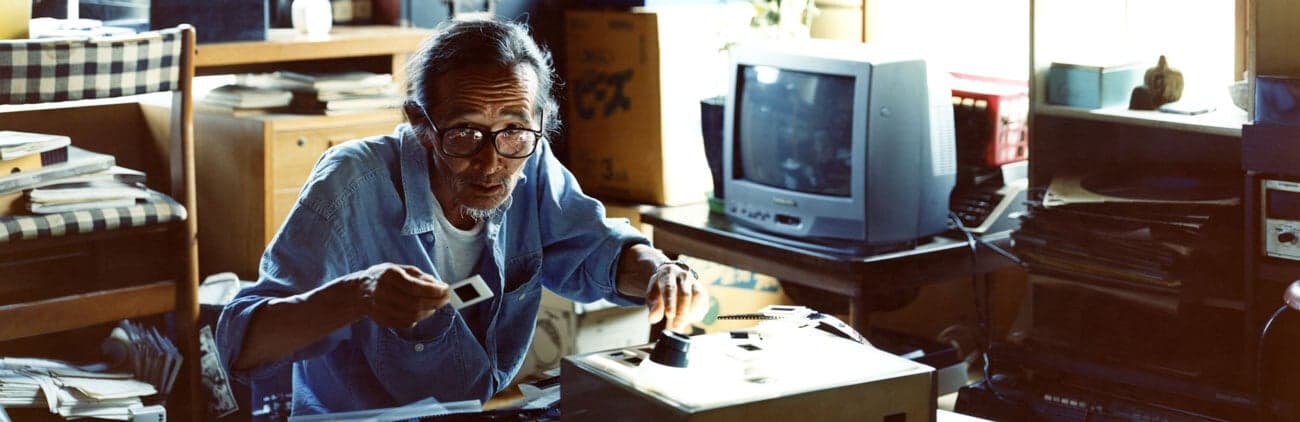
A decisive moment captured by the shutter becomes eternal—freezing not only time, but the legends behind the lens. Giloo presents the "Moments the Shutter Caught" documentary series, inviting viewers into the lives of master photographers. These artists documented—and at times disrupted—their era. Whether it was a fleeting spark of inspiration or the struggles and wisdom of creation, everything was preserved through the lens, becoming the very essence that nourishes their work.
In psychology, divergent thinking refers to the ability to approach a problem by generating multiple possible solutions, rather than narrowing in on a single answer or getting stuck in a fixed mode of inquiry. Its opposite, convergent thinking, relies on existing knowledge and traditional patterns to arrive at a conventional conclusion. I love watching documentaries—especially those that explore issues far removed from everyday life. A good documentary, like a good book, condenses an enormous amount of insight into the span of a film. Through a director’s lens and structure, you come to know a person, a group, or an event, and gain valuable nourishment in the process. It’s an incredibly efficient form of learning. Thanks to the nature of the internet, learning today is no longer linear. It’s multidirectional, multidimensional—a practice of divergent thinking. As a well-known writer once said:"The test of a first-rate intelligence is the ability to hold two opposing ideas in mind at the same time and still retain the ability to function." In a time where eclectic knowledge and self-learning have become the norm, a thirst for understanding and a passion for living mean we’re no longer limited to holding just two ideas —we hold many.