Director

Directed by 白景瑞

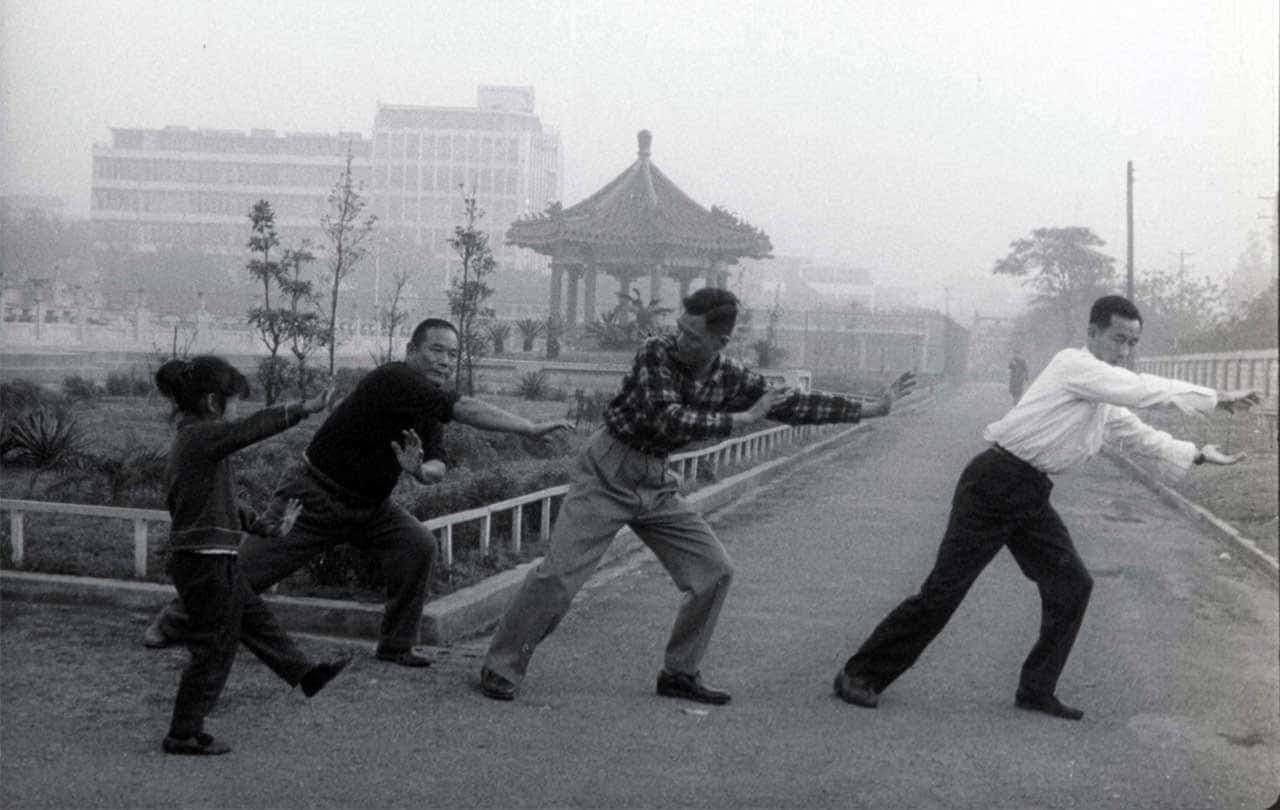
19:15 雖說是偽造的紀錄片,但整個短片在構圖與場景轉換上,給我大腦留下的印象並不真的特別「紀錄」,有些許觀察的鏡頭、些許特殊的近景、車輛移動速度的視角,人群的移動(演奏、練功)都像是特殊的走位效果,在音樂與黑白的畫面當中演繹,感受當下能感受到的,而不去證明它應該帶來什麼或帶走什麼,大抵是我這幾年面對成長疲勞之後,覺得自己該時常謹記的思維。
8:08 看完查了查,拍攝時尚未開始中華文化復興運動,但場景與情節還是在內有一些出現的身影,練功的人們、生旦淨末丑上妝的後台,旗袍與典雅的髮型,彼時這個因為戰亂而存續著不同省份的人們在台北用另一種方式生存,又疊加成為一個全新的樣貌。 我們團的兩個人一個是本省家庭,一個是外省家庭,關於這樣的生活記憶與長輩的樣貌是完全不同的,對此詫異也全是不一樣的地方。
12:12 延續著歷史感的喪失之重,觀影的時候,我對於每個選擇的場景,彷彿都有了不同的認識。小時候很常在網路上查找每個地方有趣的舊聞,或者看維基百科,一連看超過300個超連結,去觀察我們未能見過的。 台北某程度是神奇的又愛又恨的地方,我們生活共存二十五年,但我認知到的台北早已是鐵路地下化,充滿捷運路線的地方,有時人們說他陳舊、或者蒼白,但走過的街就會熟悉的被記憶,像是航空站、大稻埕,已不復見如影中的模樣,但它的不同與我的記憶疊加在一起了。
6:05 除了以樂團創作外,這幾年走進了劇場、舞蹈、影視以配樂之身參與不少音樂創作。林強老師一直是我們觀望,且以仰慕的視角聆聽的作品(有趣的是,誠如畫面裏仰角吟唱或呼口號的人們,我們的視角同時是在觀影,也是如此在心裡聆聽著) 真的開始觀影前,我特意略過了預告片,對一個修復的畫面,林強會為它上怎麼樣的聲音。在每一個場景過去之後,先是驚訝我們思考的落差強烈的不同,而後又在我發現我的市儈之後,被音樂牽引,而對此沒有思考,確實,我們該花的時間是感受,而非思索。
大學時,念了六年師大,在校常常感受到百年歷史的歷史感,白景瑞導演除了是台灣電影史上重要的推動者,也是我未能認識,卻曾經也在年紀相仿的時候,生活在半世紀前的師大路的藝術家。 前些時候,網路上有了一些對於當前年輕一代在短與快速的環境與社群當中,失去篇幅了解的能力、感受漫長的被建構的作品的能力,而在15秒的短影片與華美的空殼裏追求不需要擁有歷史感的內容。 從這個角度理解了當代,再觀《台北之晨》會有一種有趣的互文性。它是短片、但它同時是一種設計過的偽紀錄片,從影像的體裁論,它不會是所謂厚重的大作。可他紀錄的確實是台北的過去、漫長的轉變。我們喪失的跟我們擅長的,1964時白景瑞老師便都呈現了。
0:58 臺北航空站就是現在的臺北松山機場。臺北松山機場的歷史可以追溯到日治時期1936年所完工的臺北飛行場。戰後改名為「臺北航空站」,為一座軍民共用的機場。1979年以後,桃園的中正國際機場啟用以後,松山機場轉以供國內航班使用為主。僅有特殊包機或是國內外政要才會在松山機場以專機的方式起降,2008年以後才陸續恢復國際航線。在紀錄片中的1964年,臺灣人還無法出國觀光,要等到1979年以後才開放國人持觀光護照出國。
3:34 現在我們熟悉的總統府在1919年建成。當時採用公開徵圖,不過首獎因為作品疑似抄襲海牙國際法庭,最後由總督府營繕課的森山松之助以第二名的作品為藍圖,重新設計以後興建。1945年5月31日的臺北大空襲時,臺灣總督府結構遭到破壞而無法繼續使用。1946年,臺灣各界人士為了慶祝蔣中正的60歲生日,發動捐款修復總統府,並改名成「介壽館」。到了2005年,館舍名稱才從「介壽館」正名為「總統府」。
12:50 在1964年的《臺北之晨》中還能看見臺北市內的平交道。當初臺鐵縱貫線在臺北市區的路段都是平面設計,在市區往往會和一般道路交叉而設立平交道。隨著戰後臺灣經濟逐漸蓬勃發展,臺北都會區的交通運量大幅增加,市區內的平交道影響了都市的交通。1983年交通部成立臺北市區地下鐵路工程處,陸續推動臺北市鐵路地下化,2008年臺北市鐵路全面地下化,臺北市的平面鐵道和平交道一一遭到拆除。
13:10 位在萬華區的老松國小校史可以追溯到1896年成立的臺灣總督府國語學校第二附屬學校。1907年以後遷到現址。校舍採用日治時期常見的小學規劃形態,校園三面有教室,中央設有操場。1966年9月時,全校共計有158班,學生數達到11110人,當時創下班級數和學生數的全球紀錄。由於學校空間不足,學生不僅得分批上課,甚至就連廁所、校門都得分批使用,也少見的設有數間福利社。近年由於少子化,現在老松國小全校學生人數僅不到500人。
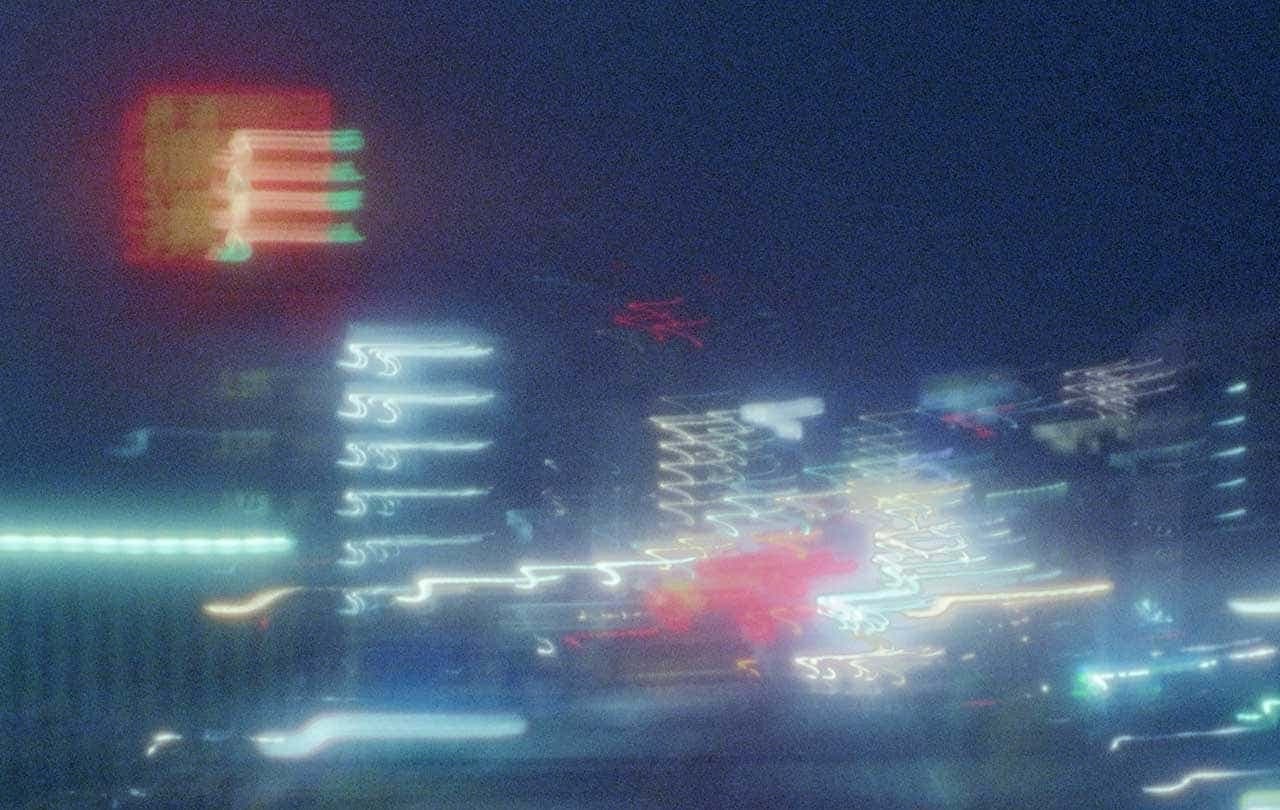
我依照了一個奇怪的順序而排,如果你願意的話,可以依序而看——《持攝影機的男人》、《尋找小津》《天亮前的戀愛故事》、《台北之晨》、《翡翠之城》。這樣排序跟電影中的「日照時間長度」 有關,大概是白天、傍晚、深夜、天亮、白天的順序,好吧,我知道這樣解釋有點牽強,總之這是我對五部片的印象。

A sharp, compact poem often speaks louder than a lengthy speech! Giloo presents a curated collection of small but powerful documentaries—short films that, within a limited runtime, deliver layered, resonant stories. Experience the elegance of cinematic brevity, and see how precision in visual storytelling can leave a lasting impression.
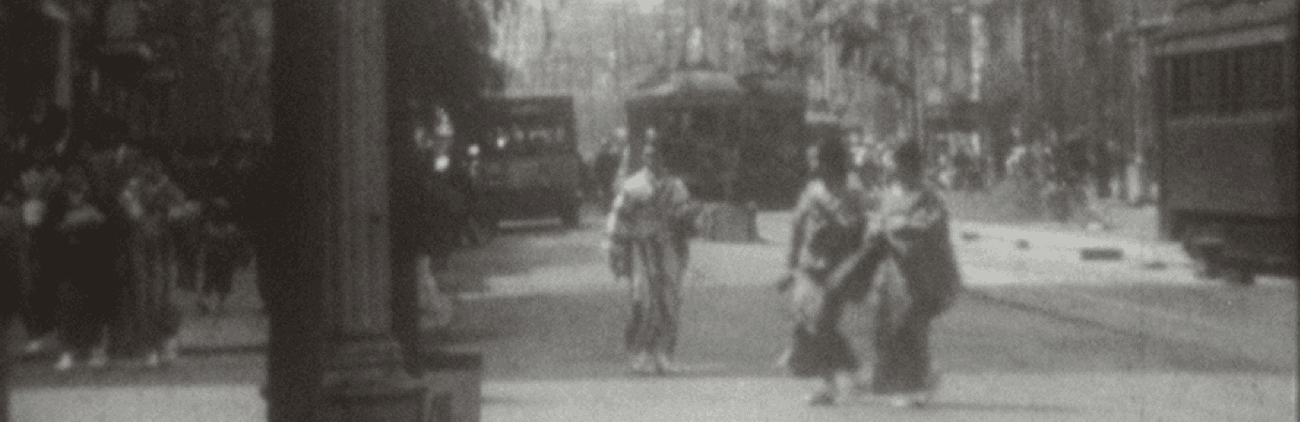
Old films, classics, and cinematic relics from the past always hold a certain allure. In these moving images, we see the spirited youth of the 1990s fighting for creative freedom, the vibrant chaos of 1980s Japan, and, through the pioneering lens of Taiwanese home-movie maker Deng Nan-Guang, fleeting moments of beauty from the Japanese colonial era. And of course—let’s not forget the soulful rhythms of Cuba’s legendary old-school jazz musicians.

There’s something deeply captivating about the light and shadow of a bygone era. Classic and vintage films carry the spirit of 1980s and 1990s Taipei—woven with memories, youth, and the passage of time. Through these images, you’ll catch glimpses of everyday life and the sense of freedom that belonged to that time.

This is a labyrinth of underground caves—each one distinct in style, each both a hidden space and a form of revelation. In The River, the cave takes the shape of secret doors—behind each, encounters that are either redemptive or forbidden. In The Act of Killing, the entrance is brutally exposed: a body split open, revealing cruelty with no filter. Before the Dawn offers a cave of mazes—guided by clear narration, and yet, we fall into a thick fog of disoriented images. A Morning in Taipei is a time-traveling cave—Lim Giong’s soundtrack transforms the past into a self-contained cosmos, where even fleeting moments feel eerily contemporary. Marina Abramović in Brazil leads us inward—to the cave within. Through extreme rituals and faith-fueled intensity, she seeks peace, confronting energies too blinding to look at directly.
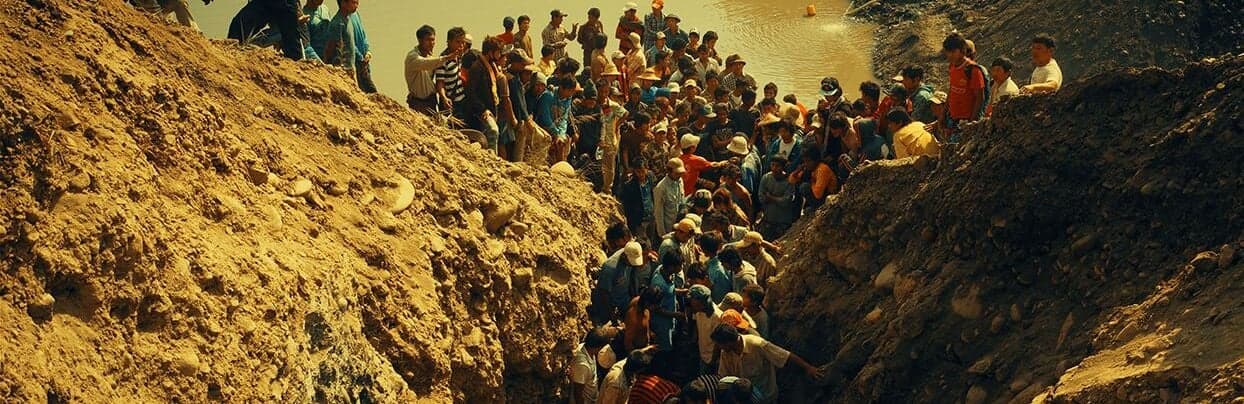
Whether you can’t sleep at night or simply don’t want to, here’s a “Sleep Aid Playlist” I’ve carefully selected—meant to be savored slowly. The inspiration came from my own experience: many nights, I’m exhausted yet wide awake. There are many possible reasons, but one of them is the reluctance to end the day—the quiet resistance to letting go of today. Learning to spend time with the night, to sit with it, sometimes helps us forget the mess of the daytime. So which one is real life—the hush of the night or the chaos of the day? Maybe we don’t need the answer just yet. These five films are best watched late at night, one quiet bite at a time. Let the stories unfold slowly… and gently guide you toward sleep.

Old-school lovers often say: It’s not that I like old things—it’s just that the things I like have grown old. Being “old-fashioned” evokes the charm of a bygone era: a certain simplicity, sincere and warm human connections, and the grace of staying composed amid sweeping change. These are qualities slowly fading in our fast-paced, instant world. But through precious archival footage, we can once again feel the elegance of that old-school spirit—be it colonial-era Taipei, a jazz festival in 1950s America, the streets of Tokyo in late Showa, or a Paris fashion runway in the 1980s. If I must stay at home in isolation, I choose to retreat into this spiritual time capsule of vintage films—as if boarding the carriage from Midnight in Paris, traveling to a world that’s unfamiliar, yet deeply nostalgic.
I gave you my youth in exchange for the fresh hope of a new year— Whether it belongs to the past, or to the future still unknown, there are things the wind has left behind: no trace on the surface, yet etched deep within. If we call that youth, it feels just right. To run, to cry out—for the sake of youth. To leave something behind through music and film, to take something in return. And in the process, to become—without regret—someone better.
What Did Taiwan’s First Pop Songs Sound Like? How did a group of young people returning to the countryside turn an old tobacco-curing shed into the birthplace of a classic album? How did one small indie record label become the cradle of Taiwan’s biggest rock bands? In collaboration with Blow (吹音樂), Taiwan’s leading independent music media outlet, we've selected 9 films exploring the roots and evolution of Taiwan’s music scene—alongside a powerful documentary on Rolling Stone, the iconic U.S. music magazine born in an era of rebellion. From the golden age of modern Taiwanese pop to the rise of underground and alternative bands, these films span nearly a century of music history. For fans stuck at home and missing the thrill of live gigs, let these moving images bring you back to a time when legends were just getting started.