2009
Asian Film Awards
最佳導演|最佳女配角提名

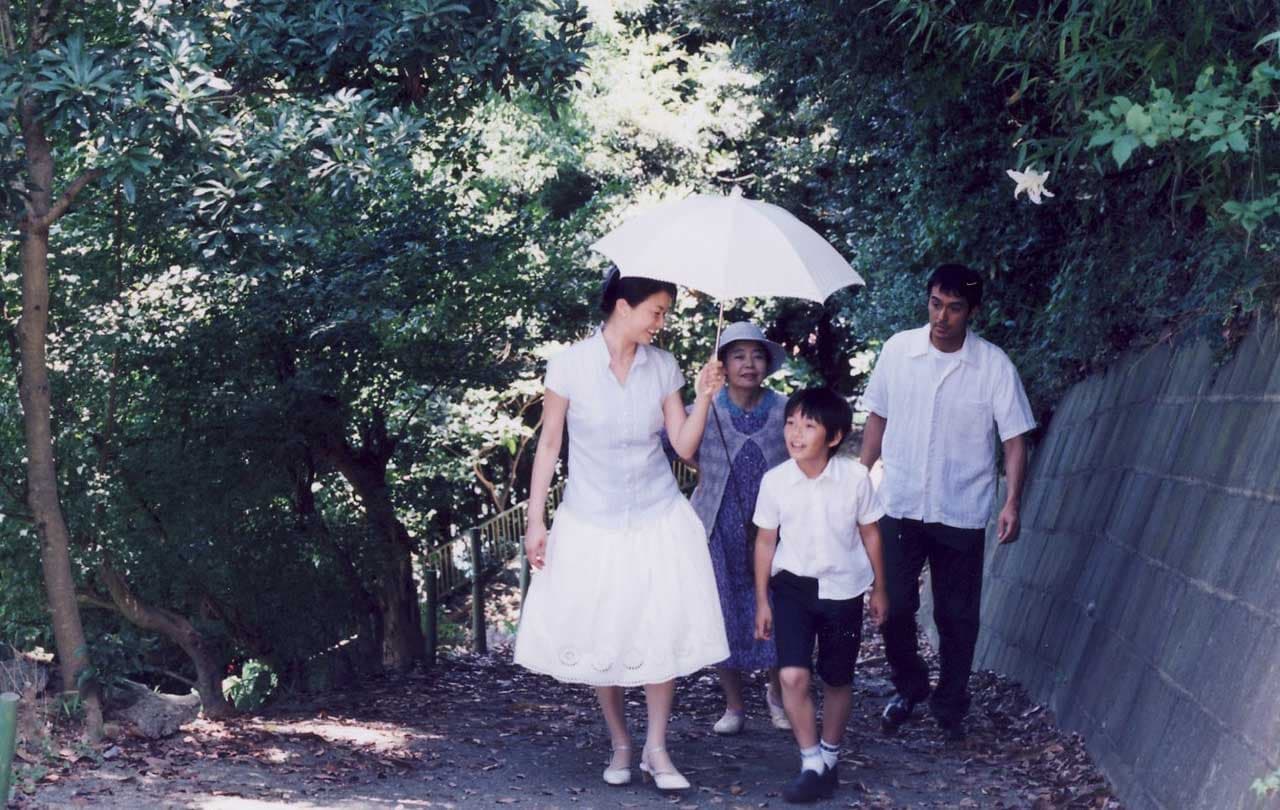
Directed by 是枝裕和
最佳導演|最佳女配角提名

看著看著,彷彿自己也在那年夏天。那個悶熱卻有著微風的日本,嘴裡彷彿也傳來陣陣鹹味。日常不過如此?家,不過如此?
年輕時,頭一次忘情失戀。 在路邊撥電話給母親:「今天想回家。」 敏感如她,馬上說:「妳在哪?我跟爸爸去接妳。」 至今仍忘不了,當時見面,母親不發一語、不問一句。在靜靜的車裡,她給予的溫柔支持是如此巨大不滅。 往後人生的各種沮喪襲來,我一直都記得,那晚回家的力量。
曾經看到一種說法是:是枝裕和的家族電影有一個公式,如果是表面溫馨的,則內裡必然隱藏著破敗醜惡,如《橫山家之味》、《無人知曉的夏日清晨》;如果是表面破敗的,則內裡必然呈現溫情本質,如《比海還深》、《我的意外爸爸》。但我卻覺得,《橫山家之味》當中的破敗醜惡,並沒有那麼「醜」,反而像是家族這種社會單位存在而不可割捨的一部分。有點像是一幅素描之中必然要有的,碳粉最濃最深最黑之處。缺乏了整個幅畫就會飄起來了。
團圓、蝴蝶、老歌與廚房的場景,這些元素在本片與《比海還深》中都能看見,就連對戲的演員阿部寬與樹木希林也是飾演母子關係。我們似乎能這樣解讀吧?導演總透過他的作品呈現出人不同階段的每一面向,就連現在的我們也都同時扮演著好多個別人生命中的角色:不如父親期待的兒子、沒有血緣關係的父親、被留下來的那人。
❝關於家人,那些始終沒說出口的話❞ 值得一提的是,《橫山家之味》作為是枝裕和家庭電影代表之一,「國民奶奶」樹木希林與阿部寬的母子組合,攜手導演的鏡頭語言,記錄下10多年前三人的年輕之作,多年後三人雖仍有聚首,但片中能清楚看見,導演與演員們都經歷了更多歲月與人生。唯獨08年的《橫山家之味》,還能看見樹木希林奶奶,還健康吆喝的容貌。 如同家裡,總有位讓我們懷念的人,謝謝是枝裕和記錄下樹木希林成為國民奶奶前,還是黑髮母親的模樣。
❝關於家人,那些始終沒說出口的話❞ 個家族最平凡且共同的交點,就是家家有本難念的經,好比家裡總有些不爭氣的人、讓人煩惱的人、讓人掛念的人。《橫山家之味》集結了做醫生的爸爸與不成材的二兒子、想照顧老母親卻卻被認為只是在討好娘家的大女兒,以及家族心中永遠傷痛的離世大兒子;劇中每個角色,都在平凡中拉扯,片中大量的對白,看似瑣碎卻刻畫著你我都熟悉的光景,我們都有可能面對著父權、話少、愛面子的爸爸;面對一生奉獻給丈夫、兒子的母親,碎念著一切的不滿與哀愁;而背負著家中過多的期待,我們何嘗不是男主角良多,追求父母的肯定,卻同時抗拒成為他們心中的模樣。這些再熟悉不過的場景,是「家」的吵鬧、羈絆,和糾結,都攪和在人性最原始的家族關係上,就像《橫山家之味》裡,每個人都說了很多話,卻好像很多話沒說出口,而那些沒說出口的,終究是「家」裡最微妙,關於在乎與愛的默契。
🌊 秋刀魚 X Giloo紀實影音 🌊 夏之海映画祭:去海邊看場電影吧 ▍前往線上影展頁面 ☞ https://bit.ly/3Bf47Sb ❝ 這個夏天,跟我們一起看海、看電影吧。❞ 夏天的海邊,有種魅力,讓人忘卻時光、期待留戀一段夏日情懷。隨著日本文化誌《秋刀魚》的夏季號〈夏之海〉特輯,編輯部策劃一場遙想日本關東海岸邊的「映画祭」,用6部值得為夏天留下回憶的電影,走一回《橫山家之味》中的湘南海邊老家,感受尋常家庭中的撈叨風情;跟著坂本龍一的終章,聽見海浪的聲音;或是在岩井俊二的《燕尾蝶》世界裡跳脫現實,與迷幻圓都相遇。這些最佳的日本風景,都足以激起心中最迷人的浪花。 🌊 推薦片單 橫山家之味 淺草的幸福吐司 燕尾蝶:數位經典版 絕佳的風景 尋找小津(數位修復版) 坂本龍一:終章
 【秋刀魚夏之海映画祭:去海邊看場電影吧 】線上影展 - Giloo紀實影音|電影線上看
❝關於家人,那些始終沒說出口的話❞ 日本影史中,最會描繪「家族」故事的導演,除了小津安二郎外,不得不提到「是枝裕和式」的家庭電影。《橫山家之味》這部2008年的經典之作,是在導演雙親相繼離世後的作品,或許歷經了家人的離世,本片處理「死亡」與留下來的「家族」,不是悲傷,反而帶有種「家人們才懂的對話」。那些對話聽起來刺耳、有點苛薄,都是日常裡最在乎的事。
母女在備料過程中的絮絮叨叨,餐桌上說出與沒有說出的對話,向觀眾一點一點揭露這個家庭的關係。父母對特定兒女的偏愛,媳婦第一次拜訪婆家的不自在,夫妻間祕而不宣的默契⋯⋯每個家庭的情感如此獨特,卻又似曾相似。就像看似大同小異的家常料理,每個家庭總有一套獨門作法,成為家族成員最習慣的滋味。
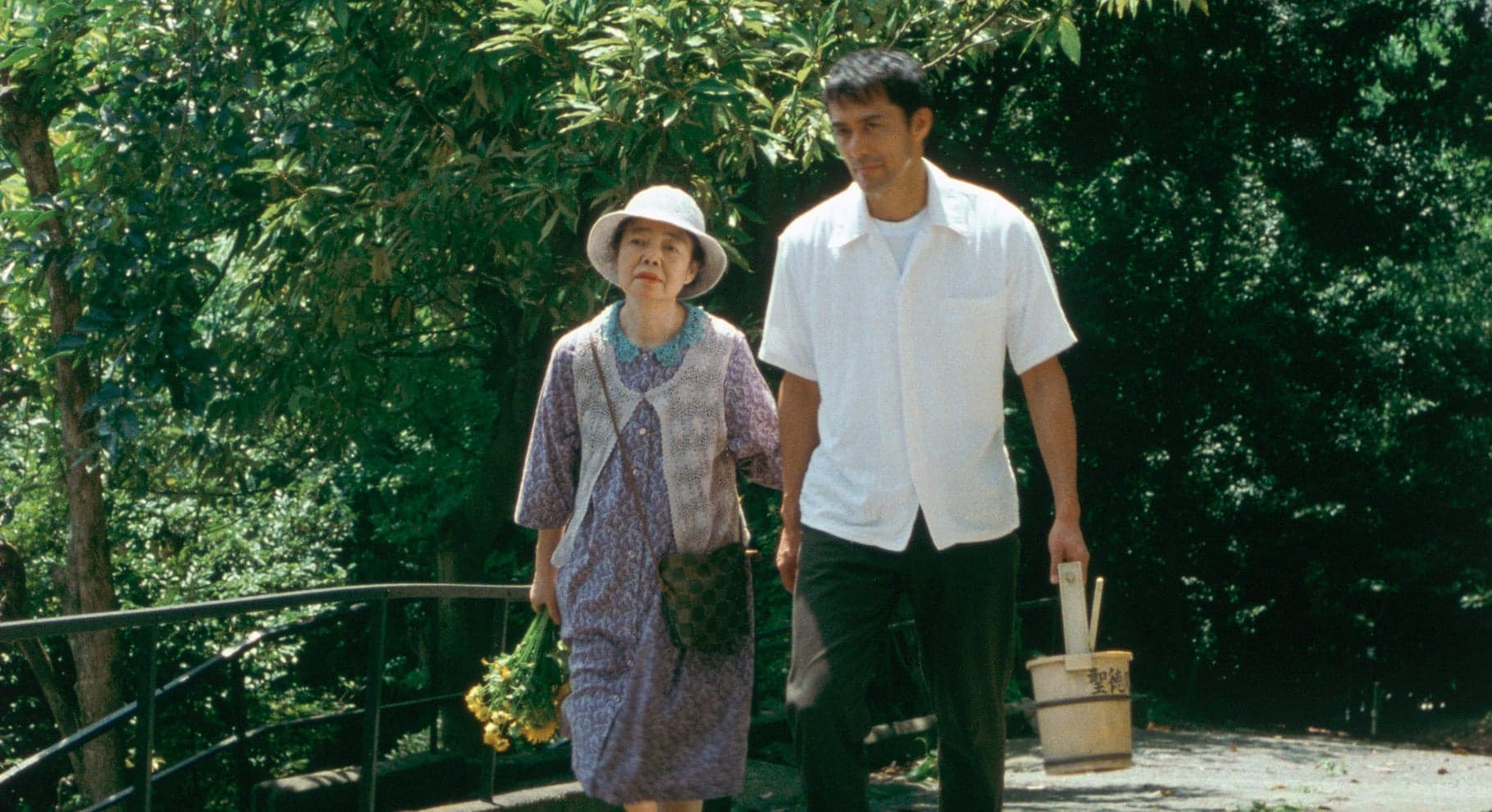
儘管是枝裕和有許多電影是以家庭為創作主題,但若留心每部作品的組成人物跟變化,也能看出那各異其趣的細微之處:《無人知曉的夏日清晨》拍的是長不大的母親與被迫長大的孩子他們的生存無力感;《小偷家族》是一群無血緣關係的人卻組合出家庭的核心定義;結構跟本片相似的《比海還深》描述了一個永恆少年般的男人如何成為父親;而《橫山家之味》則拍出了家庭之中必然的疏遠與遺憾。
There’s something magical about the seaside in summer— a charm that makes you forget time, inviting you to linger in the warmth of fleeting romance. Inspired by the Summer by the Sea feature in the latest issue of Japanese culture magazine Sanma, the editorial team curates a wistful film series set along the coastal towns of Japan’s Kanto region. These six summer films are perfect companions for the season’s memories. Wander through the nostalgic seaside home of Still Walking, soaking in the gentle friction of ordinary family life in Shōnan. Listen for the waves in the final notes of Ryuichi Sakamoto’s farewell. Escape into the dreamlike world of Swallowtail Butterfly and encounter the hallucinatory metropolis of Yen Town. Each of these cinematic landscapes captures a unique Japanese summer, stirring up the most enchanting waves in your heart. This summer, come watch the sea—and the films—with us.
For many, half of their family stories unfold at the dining table. Take Eat Drink Man Woman, where family storms brew and erupt between courses, or The Wedding Banquet, whose banquet scene captures what it means to live under “five thousand years of sexual repression.” The other half of those stories often lies beneath the table—hidden in secrets and silence. Like the cryptic relatives in The Walchensee Forever, or the adults in Yi Yi, each burdened with their own quiet thoughts. This Lunar New Year, after the family feast, gather once more—for a film. Let your family story play out on screen.
What’s your most unforgettable food memory? A fine dining experience with rituals and impeccable service? A family dinner full of casual conversations and shared dishes? Or a quiet afternoon alone with coffee and dessert? Food takes many forms. It leads us through moments both ordinary and profound. From the soil to the plate, every dish carries a story. In "Love × Food × Chefs", you’ll meet those who let crops grow at their own pace, those mad geniuses of the kitchen, and the ones who cook with slow-burning love and care. So come with an open heart—and appetite—and savor the stories simmering behind every dish.
.jpg&w=3840&q=75)
In pursuit of happiness, we sometimes end up unhappy. Youth is always dazzling—and cruel. Family ties are always volatile—and tender. Yet it’s often only in the aftermath of youth that we begin to understand: happiness cannot be frozen in time. This sticky, sun-drenched summer, Giloo presents 11 masterworks on family and fleeting joy—beginning with Shunji Iwai’s All About Lily Chou-Chou and closing with Edward Yang’s Yi Yi. From Ang Lee’s Father Knows Best trilogy to Tsai Ming-liang’s Water Trilogy, with appearances by Hou Hsiao-hsien and Hirokazu Kore-eda along the way, each film explores the paradox of happiness, or perhaps the quiet truth that happiness—like memory—can never be held still.
2023/3/31-2023/4/9 期間限定,兌換觀影序號【DEATH】免費觀看片單 30 天!
As a child, Lunar New Year was filled with rituals that stretched on forever: visiting flower markets on the first day, returning to Mom’s hometown on the second, sleeping in without guilt on the third, welcoming deities and appeasing spirits on the fourth, and opening shop on the fifth in hopes of great fortune. Especially after years of turbulence, watching a festive film during the holidays has become both a small indulgence and a quiet affirmation that life still holds its rhythm. A moment to feel that flutter of the heart, or to follow one’s instincts without question— letting that sense of tradition, pure and timeless, softly settle in, like a long-lost lover returning, slowly making their way toward us…