2016
Golden Horse Awards
最佳紀錄片|最佳音效提名

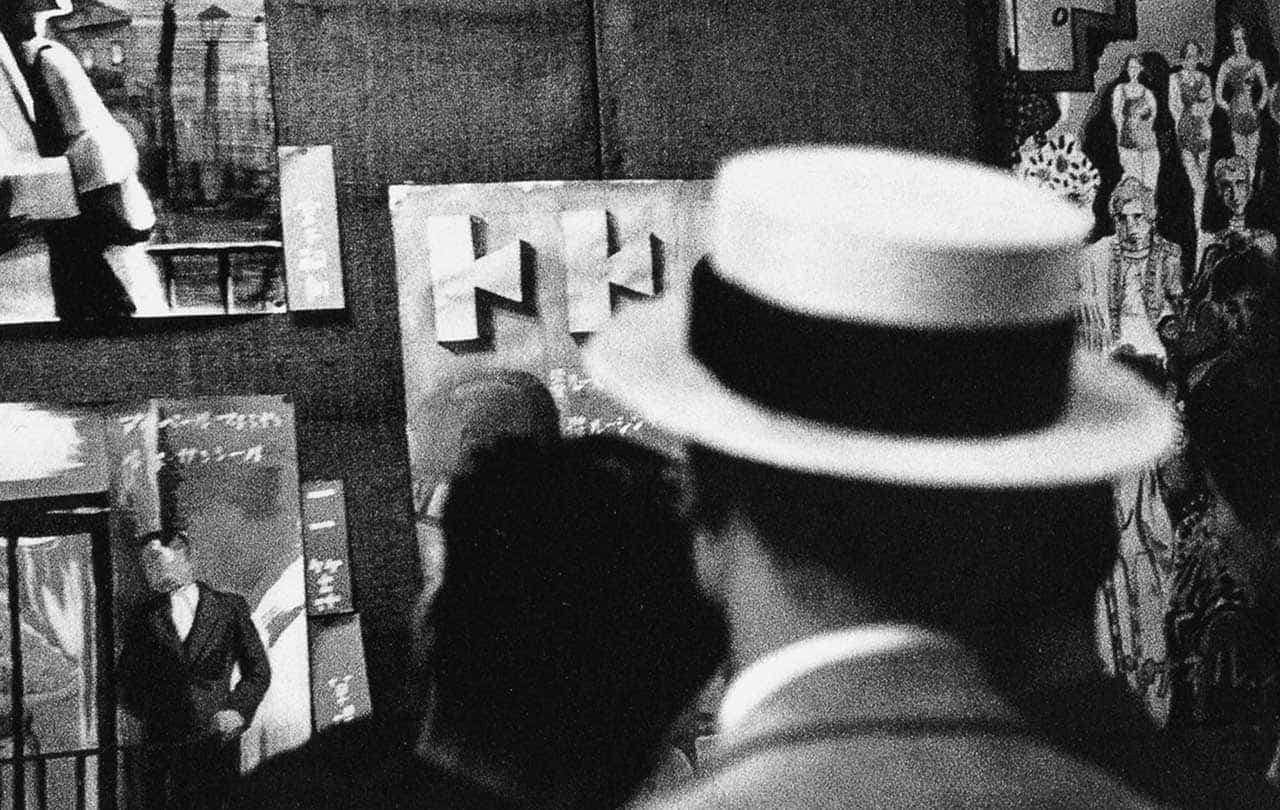
Directed by 黃亞歷
最佳紀錄片|最佳音效提名
台灣競賽首獎|國際競賽單元|華人紀錄片獎提名|作者觀點獎提名

19:57 超現實般的日常街景
1:13:58 所謂新事必須破壞過往的通俗思考, 重新創造並修正其思考的吧?
綜觀「南方獎」歷屆入圍與得獎作品,不難理解華語獨立電影創作策略上的轉向,在面對當代多元媒體與信息爆炸的閱聽情境下,過往極度個人觀感抒發的故事挖掘、單純現場直擊式的拍攝形式, 將難以跟上當代影像創作之美學核心,2016 年南方首獎之作《日曜日式散步者》便是典範轉移的重要代表作。 此片導演黃亞歷遊走於實驗、劇情與紀錄等影像形式的光譜間, 難以透過傳統類型分類定義此作品,恰恰是南方影展心目中所欲追求並呈現給觀眾的好作品。在面對當代華人社會的各式議題, 回溯己身歷史並轉化敘事部署實踐,影像的更加無邊無際、難以 定義,南方影展將持續觀察追蹤,提出屬於華語獨立影像的動向 與趨勢! —— 節錄自王振愷《光源下放電影:南方影展二十年》,頁169 https://www.books.com.tw/products/0010926050
第一次觀賞黃亞歷導演的《#日曜日式散步者》是在戲院,昏昏欲睡,看不明白電影的結構,不免有些氣餒。這次重溫,戴著耳機,有種被吸入舊時空的沉浸式體驗。電影片長近三小時,竟不覺得冗長,非常享受。一直以來都喜歡戲院勝於在線上影城,《日曜日式散步者》卻是相反,在家觀賞,可以隨時停下影像,慢慢咀嚼片中出現的詩作。 . 《日曜日式散步者》分成兩部分,一條支線談詩,詩是意識流,影像也是意識流,導演透過音效,攝影,繪畫,剪接,讓觀眾浸泡在詩的無邊想像世界中;另一條支線談風車詩社的成員,他們討論著詩的語言與詞彙,討論著舊文學與新文學,討論著國族與身份、殖民與本土意識的關係,這條支線的畫面相較於詩作要沉穩許多,畢竟詩存在於心靈,得以恣意地飛天遁地上天下海,現實則會被規矩給拉下來,牢牢地定在地上。 . 電影時空從日本殖民時代一路講到國民政府接收台灣到228事件為止,前半場詩社成員得以對創作進行熱烈的討論(但仍能從語言和名字看到殖民與被殖民者的階級差異),影片後段,高壓統治,思想箝制,文化式微,不禁有些感慨與無奈。 . 慶幸自己決定重看《日曜日式散步者》,第二次觀賞才體會到它的繁複與美好。本片的音效令人印象深刻,利用聲音營造濃厚的時代感,上網查了一下,音效確實有獲得金馬獎的入圍肯定。《日曜日式散步者》的剪輯亦是精彩,看似碎裂,卻是人類思緒快速流動轉換的視覺化呈現。影像部分,電影蒐集到豐富的素材,光是要拍攝充滿實驗感的畫面,整理大量的歷史影像,又要讓多種不同的內容做出呼應,應該就耗費掉不少時間吧。 . 看完《日曜日式散步者》,有期待黃亞歷導演的下一部作品,甚至希望導演的下一部片會是戲劇片而非紀錄片,感覺會擦出有趣的火花。
56:10 本片聲音設計是法國藝術家澎葉生,導演黃亞歷很喜歡他收集環境音並且將其重新剪輯的專輯《台北聽三遍》,以此為概念出發,完成了本片的聲音設計,在台灣入圍了第53屆金馬獎最佳音效,以及獲得第18屆台北電影獎最佳聲音設計。
2:36:20 本片完成後,導演黃亞歷與台灣文學研究者陳允元,共同策畫《日曜日式散步者─風車詩社及其時代》的出版,分為《暝想的火災》和《發自世界的電波》兩冊。 https://www.books.com.tw/products/0010825254
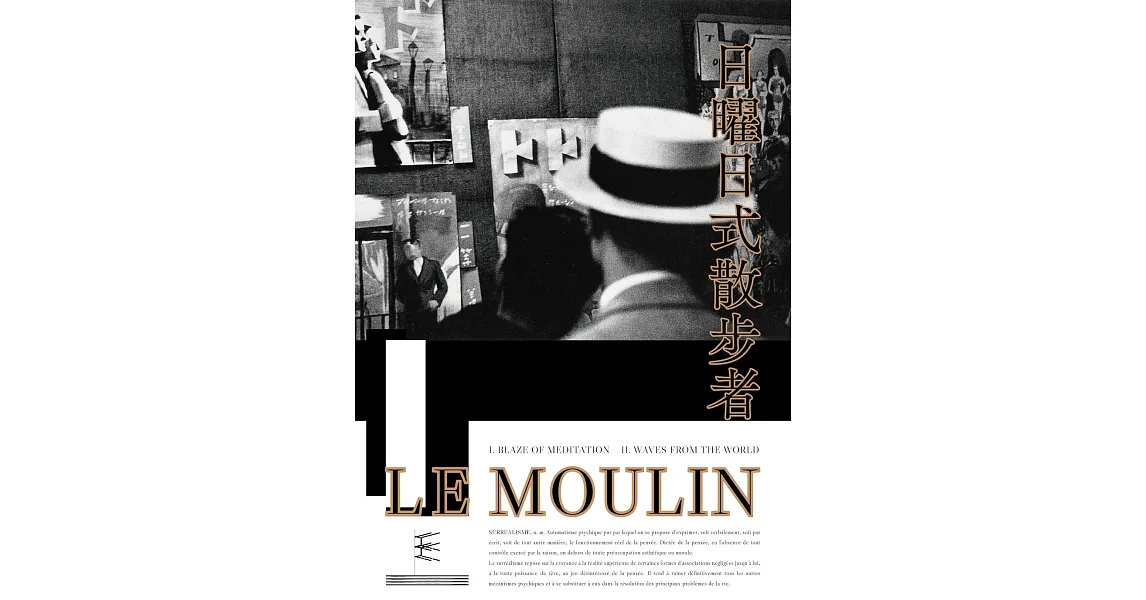 日曜日式散步者:風車詩社及其時代(經典再現)共兩冊
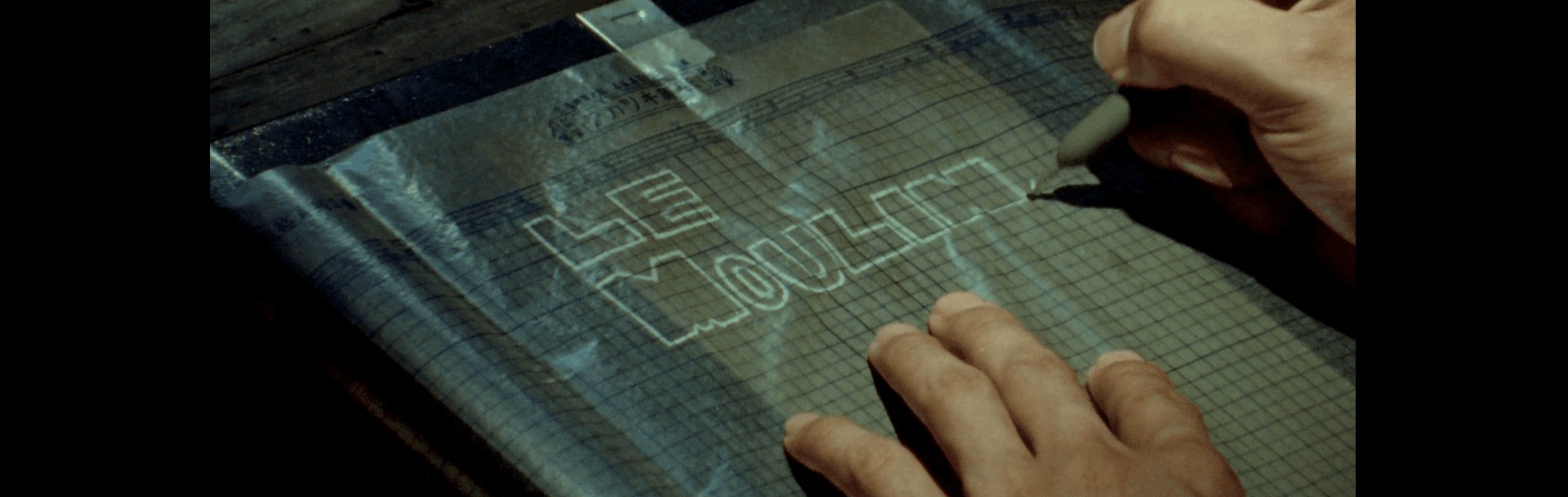
《日曜日式散步者》中文片名是引自片中風車詩社主創成員楊熾昌先生的作品名,意思是「像在星期天散步時的心情」。外文片名Le Moulin是法文,紅磨坊。
#前衛精神 為什麼這部電影採用如此風格殊異的美學形式構成?這無疑是要向風車詩社的前衛(avantgarde)精神致敬。所謂前衛,是要打破感知「美」的傳統框架,不斷朝向美學的未知領域探尋,追求表現之絕對自由的革命精神。 風車詩人尊崇的日本超現實主義詩人西脇順三郎(1894-1982)即謂:「習慣讓對於現實的意識力遲鈍。因為傳統之故,意識力進入冬眠狀態。因此現實變得很無聊。破壞習慣能將現實變得有趣。正因為意識力變得新鮮」。 有些觀眾認為這部電影支離破碎、缺乏說明、而且看不到人物的臉,難以忍受。如果你有這種感覺,這代表它違逆並破壞了你的觀影慣性。但如果你能夠從暫時失序的不安、焦躁中逐漸冷靜下來,重新喚醒意識力與想像力,在閃現的符碼之中找到自己的連結、解釋方式,自得其樂,也許你將看到一個前所未見、嶄新的美學世界。
#在反殖民與國族敘事之外 有別於日本做為壓迫者、殖民者的純然的「負的遺產」的刻板形象,在紀錄片《日曜日式散步者》,「日本」所扮演的是殖民地台灣藉以接觸現代世界──除了物質建設,最重要的,是世界美學思潮的轉譯與流通的媒介角色。這超越了「殖民vs.反殖民」框架中的台日關係,在殖民抵抗之外,更留下了令後人驚豔不已的台灣文學遺產。當然,此知識傳播之媒介性背後的殖民主義機制,仍需被當代觀眾重新意識、警覺。
This year, Giloo teams up with TIDF to curate a special selection of past TIDF nominees and award-winning films. While you're enjoying the festival in person, don’t forget to sneak in a little break and relive (or... redeem?) some of the unforgettable works from previous editions—now available online.
“Unexpected Taiwanese Cinema” takes its title from a regular column by writer Zhang Yi-xuan, published in Fa: A Journal of Film Appreciation. Issue #190 of the magazine centers on films made with archival footage, opening a conversation on archival collage cinema. A special feature titled Private Films by Women explores how the idea that “the personal is political” is practiced through documentary. In her column of the same name, Zhang Yi-xuan also reflects on the film Looking for Chiang Ching-kuo, examining its unique place in the Taiwanese cinematic landscape—how it opens up the past instead of merely returning to it, and how such an approach keeps critical thinking through images alive. Both “archives” and “documentation” point us toward the past. But unless the past is re-examined and redefined, memory cannot truly exist. This collaborative program between Fa and Giloo invites viewers to engage with Taiwanese cinema that defies expectations—films that challenge, refract, and reimagine the nation's film history through both viewing and writing. Together, we hope to uncover new cinematic possibilities waiting within Taiwan’s ever-evolving image archive.
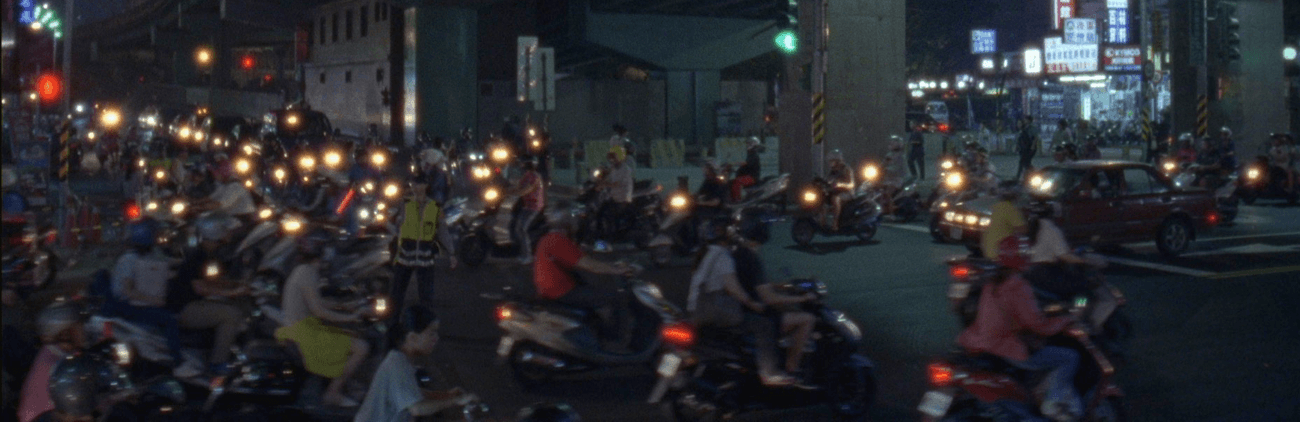
What is Taiwan? What does Taiwan have? Our imagination of Taiwan’s future depends on how we choose to read Taiwan. The Taiwanese documentaries selected by Giloo aim to offer a multifaceted and in-depth perspective—allowing us to empathize with the struggles and efforts of the Taiwanese people, uncover the richness of this land, confront its challenges, and analyze the issues that shape life on this island.

Why do we write? When words erupt from the mind and pour into the heart, images and monologues take the place of daily tedium—of the mundane, the irritating, the unbearable. For some writers, however, writing is more than expression; it is salvation. It is an unshakable calling. In this themed selection on literature, Giloo presents documentaries that delve into the lives and inner worlds of writers—poets, novelists, critics—who wield pens (or typewriters) like swords, fearlessly confronting the truths of the world. The passage of time leaves behind not just pages, but marks of introspection—quiet yet undeniable badges of their creative journey.
Other than observation from the center, the South Taiwan Film Festival serves as reflections on social stereotypes, the perspectives of locality; of course, there are over two decades of expectation of avant-garde spirit. By a serious of recommendations of South-Award and panorama programs, along with Giloo, we feast you with the most vivid spirit of the South.
Martin Scorsese once said: "Cinema is about what’s in the frame and what’s out." The rectangular frame of the camera—and the screen—shapes the stories we tell, the history we remember, and even our very memories. We’ve grown accustomed to what lies within the frame, but if we take a step back, we might begin to reexamine both what’s inside and what’s outside—to rediscover forgotten stories, histories, emotions, and memories. From experimental films to documentaries; from black-and-white negatives, historical footage, to paintings and poetry; from continental Europe to Taiwan; from the history of war to literary legacies, to intimate family and personal memories— these five films lead us into one frame after another, where retrospection becomes reflection. And from there, perhaps, we may begin to move freely between the inside and outside of the frame, to remember again, to narrate anew— embarking on odysseys through memory and time.
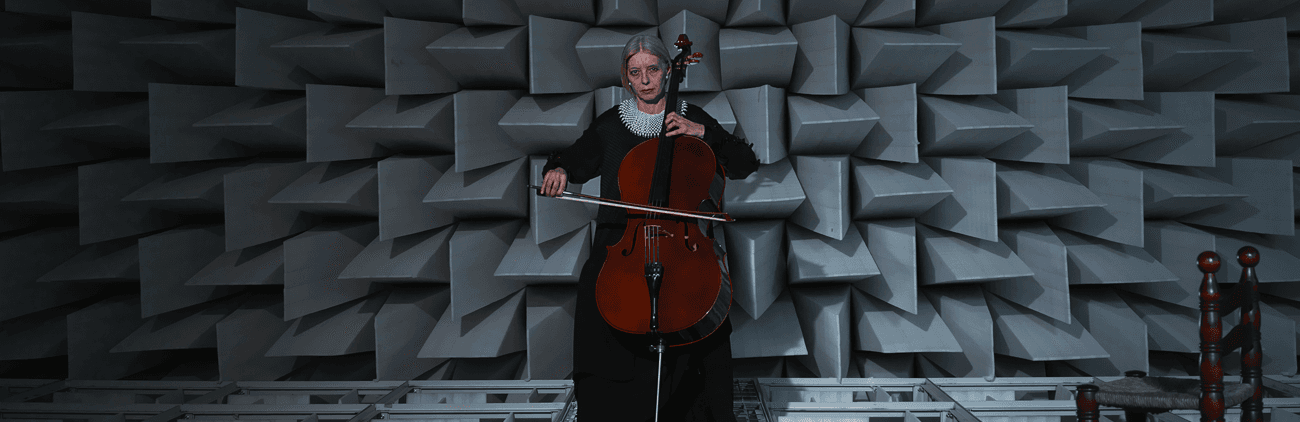
Images that appear real—once cut, rearranged, and reassembled—reveal a world flickering with firelight and illusion. A game, a dream— a documentary can also be just that: a dream. In this realm of moving images, where creators weave dreams from fragments of reality, are you the one dreaming? Or have you become part of the dream itself?
"Finding oneself" has been a form of performance art since Adam and Eve. Humanity has exhausted its creativity trying to delete the original betrayal—eating the fruit of the knowledge of good and evil. Despite entire bestsellers being written to make sense of our shame, we still fear the gaze of the world, the judgment of society… and above all, being disliked. It’s hard to look yourself in the eye. So we look away. And when we can’t bear our own shame, we survive by projecting it onto others. In a world that punishes self-honesty, those who dare to face themselves are cast as misfits—freaks in the corner. The subjects and creators of these selected films are anything but ordinary in society’s eyes. And yet, their footsteps leave behind a trace of something unshakably honest—something that quietly shames those still clutching the forbidden fruit. They stand before God, and before themselves, unflinching. They’ve never abandoned the original blueprint of their being. They’ve always known who they are, and where they stand. Are you still trying to "find yourself"? Or could it be—you already know exactly who you are… You’re just afraid to admit it?
Answer the call of instinct—leave behind the trivialities of daily life and embark on a pilgrimage of encounters with nature and literary exploration. On these journeys of adventure, where limits are tested and boundaries redefined, the soul is transformed. These inseparable life experiences continue to inspire others to move toward distant light. As we listen to their stories, may we too be moved to shoulder our backpacks—and set out to meet a new version of ourselves.
Isolated by the vast ocean, Taiwan has preserved the insularity and self-evident nature of its micro-evolutionary cultural identity. At the same time, its ever-shifting landscapes and unique geopolitical position have long subjected the island to waves of diverse cultural influences. As a result, the people of Taiwan have developed remarkable adaptability in sharing resources and integrating cultures, along with a high receptivity to external information. These vivid and agile characteristics are deeply embedded in Taiwan’s cultural DNA, shaping what we call its unique form of “elastic connectivity.” For the 2023 Taiwan Design Week, the Taiwan Design Research Institute collaborates with Giloo Documentary to present an online film program. Curated by Frank Huang, Cho-Hao Wu, and the curatorial team, the selection of films explores possibilities of departure and displacement within the tension between the virtual and the real. This program urges us to reflect on the essence of creation in an age defined by rapid consumption and AI-driven change, engaging with a contemporary world saturated in virtual fantasy through critical and poetic dialogue.