2019

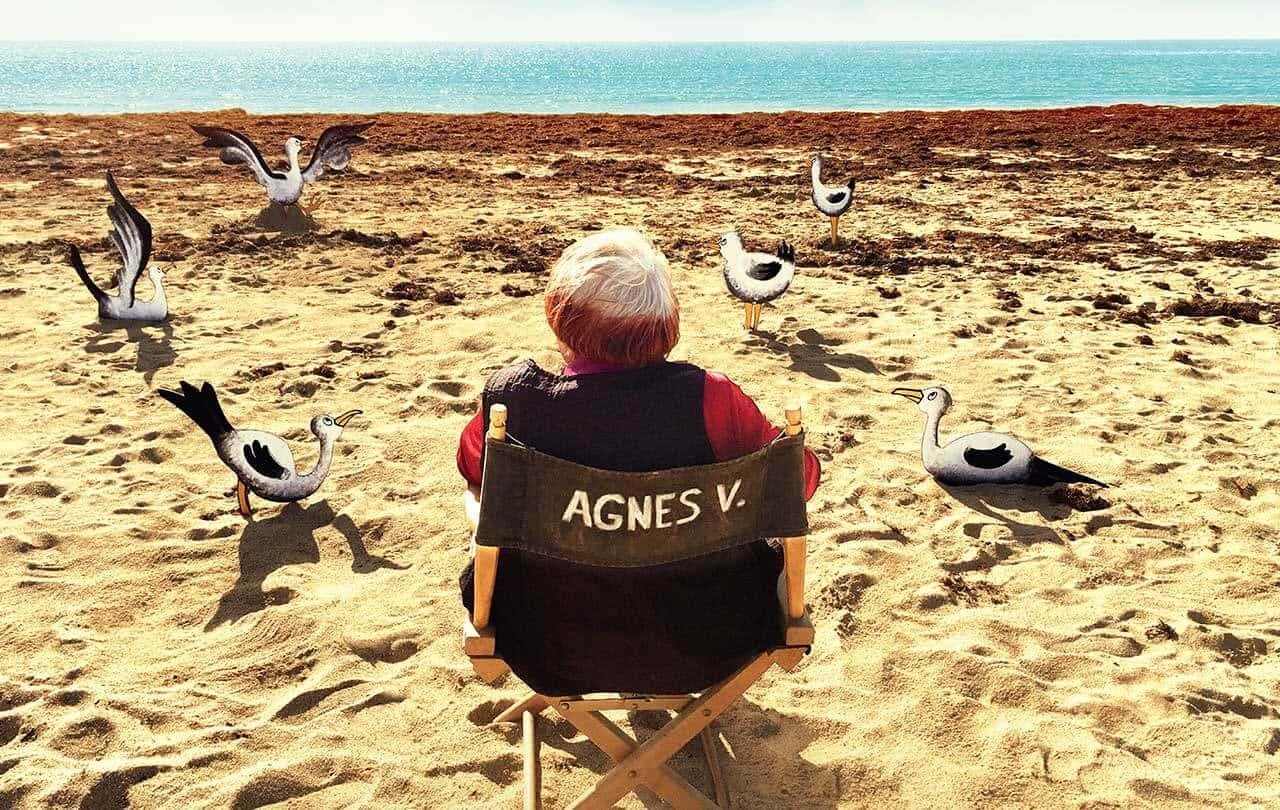
Directed by 安妮・華達

4:18 安妮華達在TEDxTalks的演講同樣也提到了「創作、靈感與分享」的重要性
 Inspiration and good mood: THAT’S CINEMA! | Agnès Varda | TEDxVeniceBeach
M031_安妮華達最後一堂課 2022.09.26 【簡介】 作為安妮・華達的告別作,安妮・華達在電影中細數了他過去的作品,並介紹當時為何有那些靈感,以及為何選擇那些拍攝手法。同時,安妮・華達也闡述了一些她對電影的想法,以及過去的經驗帶給她的影響。以上都讓觀眾得以快速認識這位「法國新浪潮教母」安妮・華達的世界,更對安妮・華達的作品有了基本的認識,並且產生興趣。 . 【感想】 這是在Giloo紀實影音平台 @giloo.ist 上觀賞的電影,謝謝讓我看到很棒的電影。 我是在Giloo上才認識安妮・華達的,而安妮・華達也是我第一個主動搜尋更多她的作品的導演。雖然我也沒看過很多安妮・華達的電影,但是我一直很喜歡這位充滿活力的老奶奶。 我覺得能在看安妮・華達其他的作品前先看到這部電影,是一件很幸運的事。我不是專業的電影人,也沒有太多的藝術方面的知識含量,所以看電影的時候不一定能完整理解導演想傳達的訊息。然而,藉由安妮・華達本人的介紹,以及她對電影拍攝的解說,似乎能令觀眾在觀看其他安妮・華達的作品時,有更多的視角和先備知識,另外也能發現很多有著有趣主題的作品。 此外,看這部電影也像是在看安妮・華達部份的人生傳記。其中可以看到安妮・華達在導演之路上的大小事件,也能看到安妮・華達與丈夫、家人和朋友的相處,還能看到安妮・華達在面對世界上的大事時,如何用不同於常人的手法表達自身的觀點。 看完這部電影,彷彿安妮・華達從前電影中的故事不再只停留在那些電影中,而是延伸到了這部電影,再從安妮・華達的敘述中,從這部電影傳到觀眾的心中。令我想不斷往回追尋,去尋找那些故事的原貌,尋找那些故事中安妮・華達所留下的觸動人心的靈魂。 . 【觸動的句子】 1.對我來說,有三件事很重要:靈感、創作與分享。靈感,就是為什麼要拍電影。是什麼動機、想法、環境和機緣,使人萌生拍電影的念頭。創作,就是拍電影的方式。用什麼手法?如何架構?獨立還是協力?彩色或是黑白?創作是項大工程。第三件重要的事,是分享。拍電影不是給你自己一個人看的,拍電影是為了給大家看的,你們正是分享的見證者。這三件事一直引領著我。 2.我想談談電影的主體。文學上,有所謂「文筆」;電影上,我稱之為「電影寫作」。即拍攝整部電影過程中,所做的各種選擇。要拍什麼畫面?鏡頭流暢或突兀?畫面簡潔明瞭,或所在空間很繁複?步調如何?有配樂嗎?這一切都在剪接室裡進一步修潤。我有時會加上旁白,因為我想和觀眾一起沉浸在片中。但剪接和混音後,電影寫作也隨之結束。至於電影如何起頭,有時是命運安排。 . #Burnink_電影 #Burnink_Movie @burnink_98 #安妮華達最後一堂課 #VardabyAgnès #安妮華達 #AgnèsVarda #法國 #France #Giloo紀實影音 @giloo.ist #紀錄片
電影創作是個大工程,但安妮華達拍片,卻像吃飯喝水一樣自然。活在創作裡的美麗藝術家們,常常都有這樣的特質:創作如血液般在身體裡流動。 但能像華達總樂於分享創作過程的藝術家並不多見,也是本片珍貴之處。
攝影、電影、裝置三棲的華達,題材靈感彷彿信手捻來的她,回顧自己60年創作生涯的方式,就是再拍一部片。 華達的作品常有種「輕巧」的品質,有巧思但不賣弄,有實驗性卻不唱高調,詩意又帶點俏皮。
49:42 安妮華達首次執導的《短角情事》被法國電影學者Georges Sadoul視為「法國新浪潮」的開山之作。電影完成的1954年,華達時值26歲,雖然被冠上「新浪潮電影之母」的頭銜,但華達根本上還不算是個影癡,甚至到了50年代中期她也僅看過十來部電影。畢竟華達年輕時的願望是在博物館工作,後來輾轉經歷藝術史、攝影學的學術洗禮,在從事電影工作前,華達的職業是一名靜態攝影師。
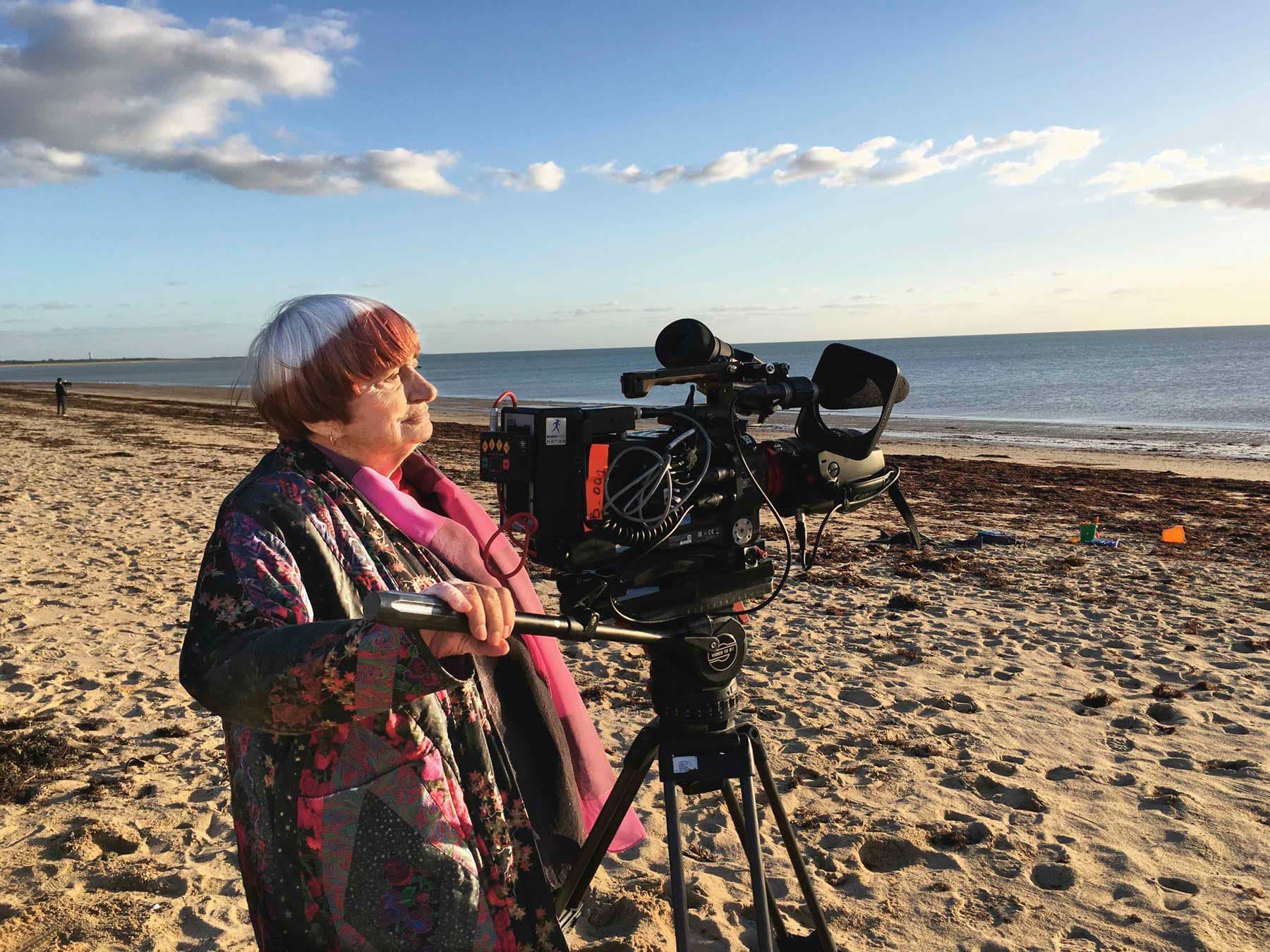
3:39 《安妮華達最後一堂》的拍攝起自2015年女兒Rosalie Varda向安妮華達提及的計畫。母女合作的10幾年間,Rosalie參與不少華達在世界各地舉辦的大師課,驚覺華達每次的演講從不重複也都趣味盎然,想趁著華達還能四處演講,將這些珍貴資料紀錄下來。只是拍攝計畫被《最酷的旅伴》耽擱,直到2019年2月才在柏林影展亮相,同年3月18日以上下兩集的方式在法國電視台播映。在放映的11天後,安妮華達與世長辭。或許感知年事已高,《安妮華達最後一堂課》像是給老友、影迷、電影學生、甚至是電影的告別,她打破慣例將台前幕後工作人員的名單挪到影片最前頭,而影片結尾僅乾乾淨淨地伴著此生拍過的電影作品一同謝幕。
 Rosalie Varda on the Enduring Legacy of Her Mother, Agnès
25:07 《無法無家》是女主角珊德琳波奈爾第二部電影作品,未滿廿歲的她在此之前僅參與過莫里斯皮亞拉《A nos amours》的演出,雖曾獲得凱薩獎最具淺力女演員的殊榮,但打開珊德琳國際知名度及被認可為專業演員的作品還是《無法無家》。珊德琳會踏入演藝生涯的過程算是無心插柳,當年頂替姊姊參加《A nos amours》的試鏡,想不到就被選上參與首次的電影演出。日後回想,珊德琳都將皮亞拉與華達視為人生的精神導師。
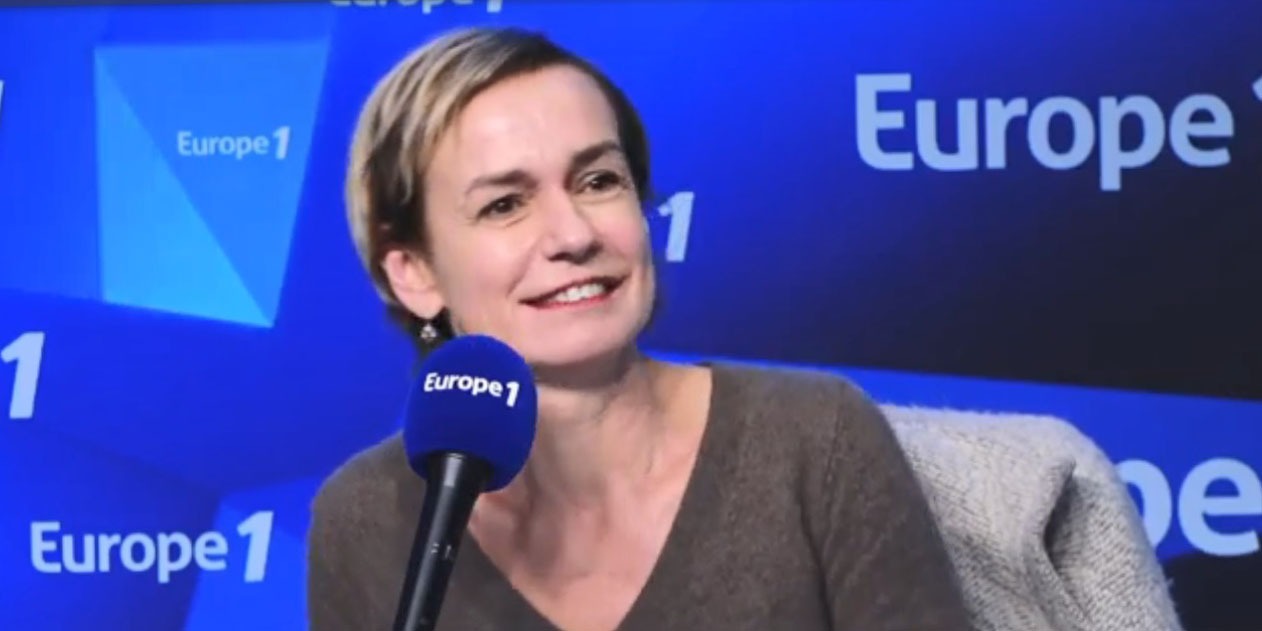 Maurice Pialat et Agnès Varda : Sandrine Bonnaire raconte ses mentors au cinéma
34:19 安妮華達對真實的重視在拍攝《南特傑克》時格外謹慎,甚至與傑克德米產生摩擦。事情起因是傑克德米童年居住的房子,已經有新房客入住,房客對租借場地提供拍攝的意願並不高。幾次協商不成,傑克建議乾脆借用鄰近空著的車庫作為替代,但華達堅持原址拍攝,理由是她相信只要住過在房子中的一磚一瓦都會留下無可取代的痕跡。
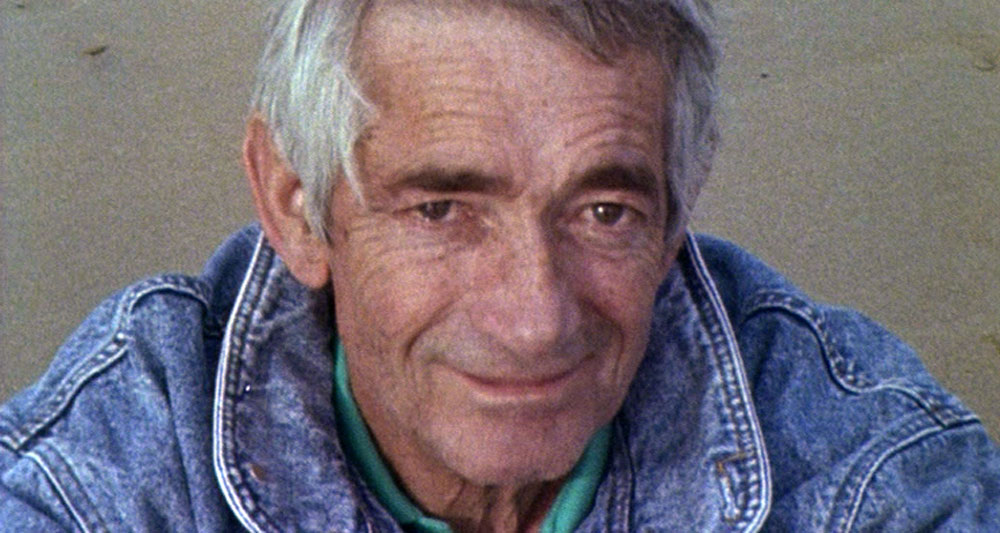 Haptically Revisiting Agnès Varda’s Jacquot de Nantes – Senses of Cinema
1:11:07 2003年威尼斯雙年展是安妮華達轉換跑道擔任視覺藝術家的初體驗,也就此展開她口中的「第三人生」。參展作品「Patatutopia」是2000年紀錄片《艾格妮撿風景》關於撿拾與心型馬鈴薯的延伸。嚴格追溯起來,《艾格妮撿風景》並不是心型馬鈴薯首次作為安妮華達的創作題材,早在1953年她就曾創作「Pomme de terre coeur」這件攝影作品,當年拍攝主題就是心型馬鈴薯。事隔近半世紀的重逢,華達深信這呼應了她內在世界中某種重要的象徵。
造成這明確轉向的原因,或許來自華達對於死亡態度的改變。原本,創作本身便涵納著一種抵禦死亡的衝動,但到了九十歲,她似乎已經真正如同片中她曾為《南特傑克》受訪時所說的,不再想要抗拒時間或暫停時間,而是想要融入時間之中。願意去面對死亡、直視死亡。所以,在這部夫子自道的紀錄片前半段,多屬於劇情片的那部份,她選入⋯⋯

In today’s society, where everything is measured by “efficiency,” the value and effectiveness of “art” and “making art” are constantly questioned. The themed selection What Art Can Do reveals that the act of creating art defies quantifiable KPIs. Artistic creation can withstand the challenges of value-driven thinking—if we are willing to rethink what “value” truly means. After all, every interpretation of value begins with humanity.

“I live by my own standards—not by men’s.” She was a director, a cinematographer, a poet, an installation artist, a key figure of the French New Wave. She was a woman. She filmed her muses, scavengers, drifters, distant uncles, lost lovers—and herself. She wandered through the Left Bank of Paris, strolled down Rue Daguerre, flew to San Francisco and Cuba, and eventually returned to the beach she loved most. She was Agnès Varda. This August, Giloo presents 14 handpicked works by Varda—black and white, color, documentary, fiction, film stock, and DV. Two years after her farewell, we invite you to once again meet her—at her sharpest, and her kindest.
British author Virginia Woolf once said, “To be oneself is the most important thing.” In 2022, what should a woman be? There’s no longer a single answer. Womany presents five powerful stories of women—some real, some fictional—that inspire us to live the most brilliant version of ourselves in every universe. We invite Giloo’s audience to join in: be fearless, be bold, and most importantly, be your true self.
I love reading life stories—especially those of creators and artists. There’s something deeply satisfying about watching how they question the world, and how they choose to respond in their own way. Life comes with all kinds of limitations. But thought and perspective—they remain free. Where we choose to look, how deeply we choose to see, and how we turn that vision into creative expression that stirs the world—this, to me, is the most powerful way of living: to carve a new path through what is expected or deemed impossible.
From international politics and music to film industry professionals and cultural icons—this curated selection of biographical documentaries offers intimate, eye-level encounters with influential figures across diverse fields. Through the lens, we gain rare insights into their lesser-known sides, and follow them as they navigate cultural clashes, personal revelations, and shifting global contexts. Each film invites you to explore contemporary issues through the lived experiences of extraordinary individuals shaped by history.
Through the power of storytelling, directors shape films— and in return, those films leave indelible marks on their creative souls. Giloo invites you to step inside and outside the frame, visiting the lives of master filmmakers both behind and beyond the camera. See Hou Hsiao-hsien’s quiet charm when he sets down the director’s baton, hear David Lynch reflect on the hidden corners of his past, and witness Agnès Varda’s final farewell—infused with childlike wonder and grace. These films reveal the true faces of iconic auteurs— their artistic journeys, their obsessions, their passions, and yes, a touch of beautiful madness.
How does legendary actress Jane Birkin reveal her many faces under the lens of French New Wave icon Agnès Varda? Filmmaker Singing Chen holds intimate conversations with 30 women, listening as they share stories about their bodies—stories that are often unspeakable, unheard, or never before told. Director Huang Hui-chen turns the camera on her mother, capturing what seems to be an ordinary “conversation” between them. Another filmmaker begins with the passing of her aunt, and through interviews with her mother and grandmother, uncovers untold narratives of the women in her family. These films trace the hidden textures of female experience—tender, raw, and deeply human.
Cinema is made by people—and film history has been forever shaped by them. Giloo presents a selection of seven documentaries on legendary filmmakers, tracing the evolution of cinema through their lives and visions.